Quick answer
The earliest signs of teething in babies usually appear between 4 and 7 months: heavy drooling, gum rubbing, and a sudden need to chew. Offer a chilled—not frozen—teether for sore gums, and use a pacifier only if your baby already relies on one for sleep. If you see fever above 100.4°F, diarrhea, or a rash, call your pediatrician instead of treating it as teething.
When do babies start teething, and what actually changes
Most babies cut their first tooth between 4 and 7 months, though some start closer to 3 months and others wait until 12 months. The first incisors usually arrive in pairs, bottom front first. Before you see a tooth, you will notice behavior shifts: your baby may pull at their ears on the same side as an emerging tooth, wake more at night, or refuse the breast or bottle for a day or two. These are normal, short-lived changes. Teething does not cause high fever, vomiting, or widespread rash—those are illness signs, not teething signs.
How to soothe teething pain without overdoing it
The most reliable relief is pressure and cold. Rub your clean finger firmly along the gum for 30 seconds; the counter-pressure interrupts the pain signal. A chilled silicone or rubber teether does the same job longer. Skip frozen teethers—they can bruise tender gums—and avoid amber necklaces, which are a strangulation risk and have no proven effect. If your baby is miserable, infant acetaminophen or ibuprofen dosed by weight is appropriate, but check with your pediatrician first, especially under 6 months.
Teether vs pacifier for teething: they solve different problems
A pacifier is for sucking and self-soothing, not for gnawing. If your baby is actively chewing and biting down, a pacifier can end up punctured or torn, creating a choking hazard. A teether is designed for exactly that chewing motion and reaches the back gums where molars will eventually erupt. That said, if your baby already uses a pacifier to fall asleep, keep it for sleep and offer a teether during awake, supervised play. Do not dip a pacifier in honey, sugar, or anything else—it risks cavities and, for honey, infant botulism.
Safe teething toys: what to look for and what to avoid
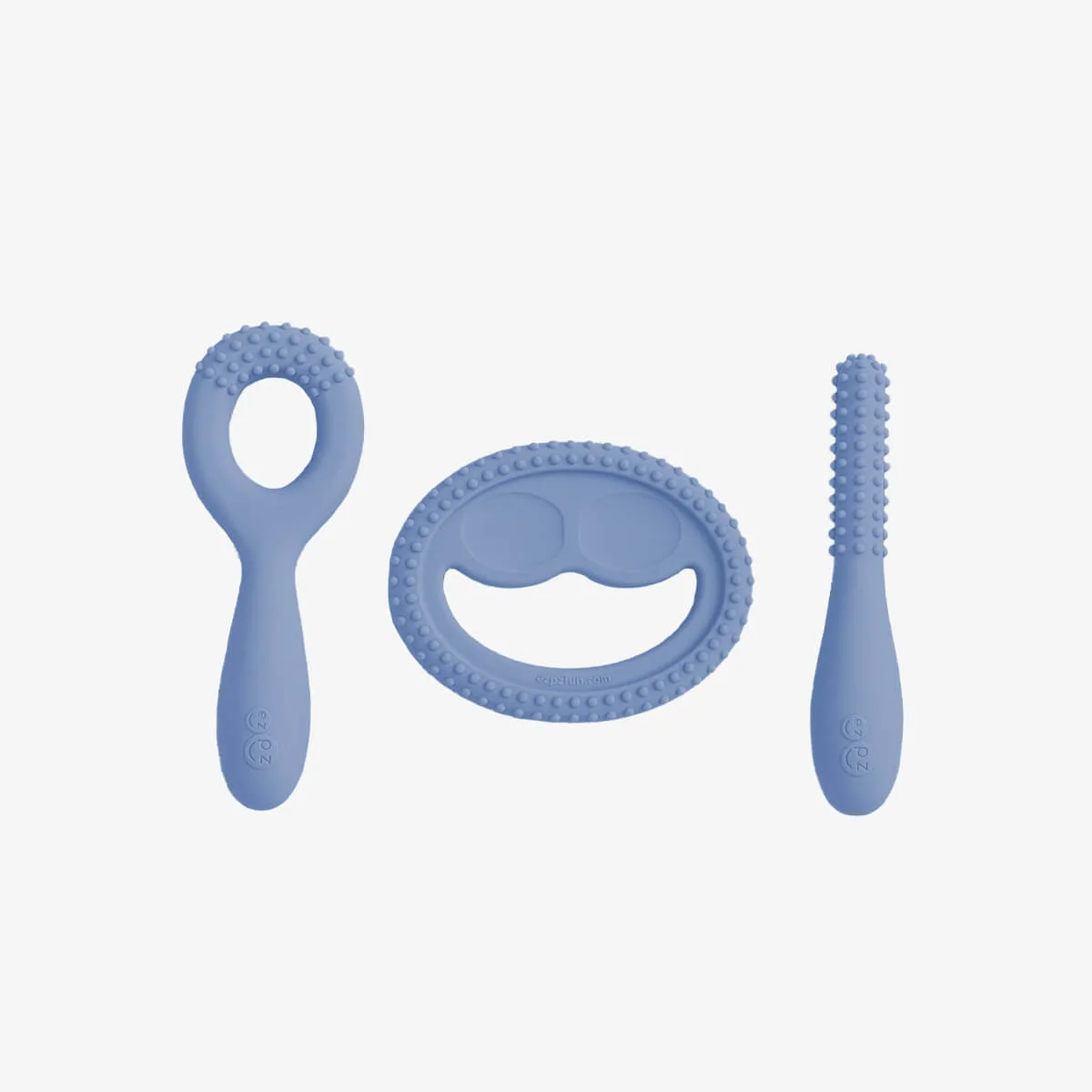
Choose one-piece teethers made of food-grade silicone or natural rubber, with no small parts that can detach. The shape should be easy for a 5-month-old to hold and too large to swallow. Avoid teethers filled with liquid that can leak if punctured, and avoid anything painted or made of soft plastic that can tear. Wash teethers daily in warm soapy water and check for cracks or changes in texture. If a teether becomes sticky, cloudy, or torn, replace it—bacteria hide in those micro-tears.
When teething symptoms point to something else
Stop treating symptoms as teething and call your pediatrician if your baby has a rectal temperature of 100.4°F or higher, diarrhea lasting more than 24 hours, vomiting, a body rash, or unusual lethargy. Teething may make a baby fussy, but it does not make them sick. Also check in if your baby refuses all fluids for more than a few hours or shows signs of dehydration, such as fewer wet diapers or a sunken soft spot.
Teething symptom diagnosis: what to do and when to stop
- Drooling and gum rubbing: Clear drool, hands in mouth, and a mild fussy spell that passes within a few days. Offer a chilled teether and keep a bib on to prevent chin rash. If drooling comes with a barky cough or trouble breathing, that is not teething—seek care.
- Night waking and ear pulling: Pressure from an emerging tooth can wake a baby who previously slept through. Try a dose of pain relief before bed (pediatrician-approved) and a sleep sack that allows movement. If ear pulling continues with fever or ear discharge, it is likely an ear infection, not teething.
- Refusing to eat or drink: Sore gums can make sucking painful for a day or two. Offer a cold spoon or teether before feeds and try smaller, more frequent feeds. If refusal lasts more than 24 hours or wet diapers drop, call your pediatrician.
- Fever, diarrhea, or rash: These are not typical teething signs. Do not treat them with teething remedies. Check your baby’s temperature and call your pediatrician. Fever above 100.4°F in a baby under 3 months is an emergency—go to the ER.
Product facts
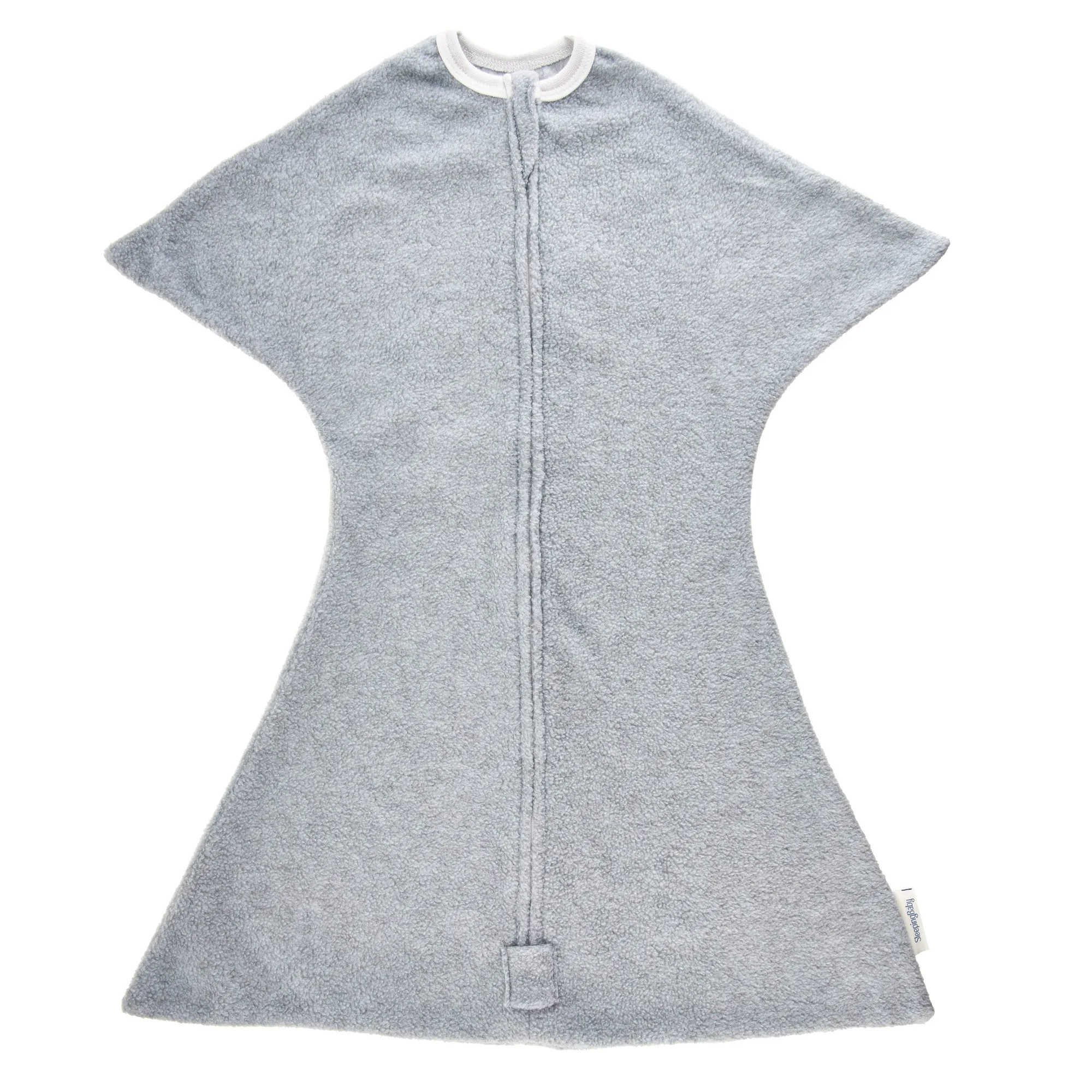
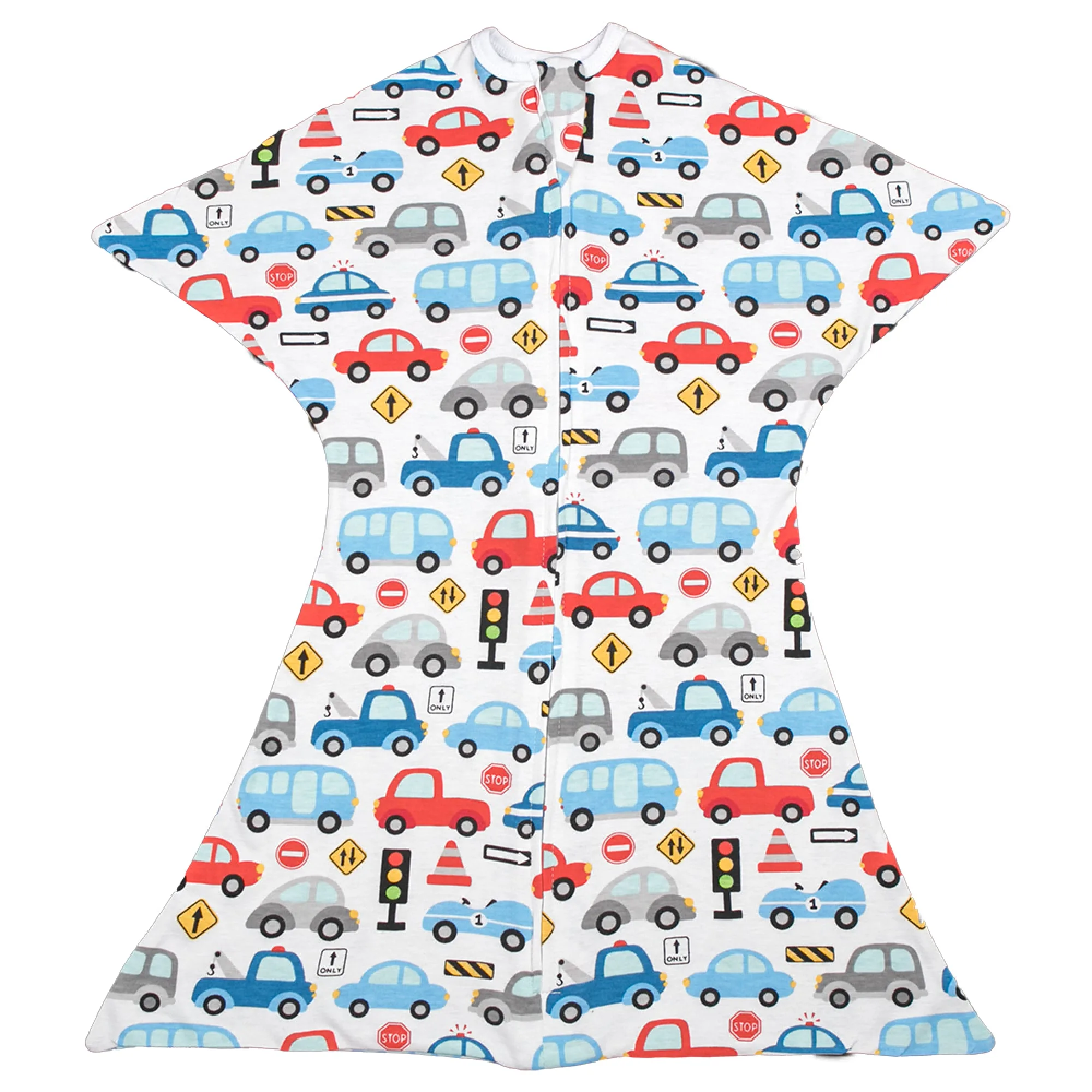
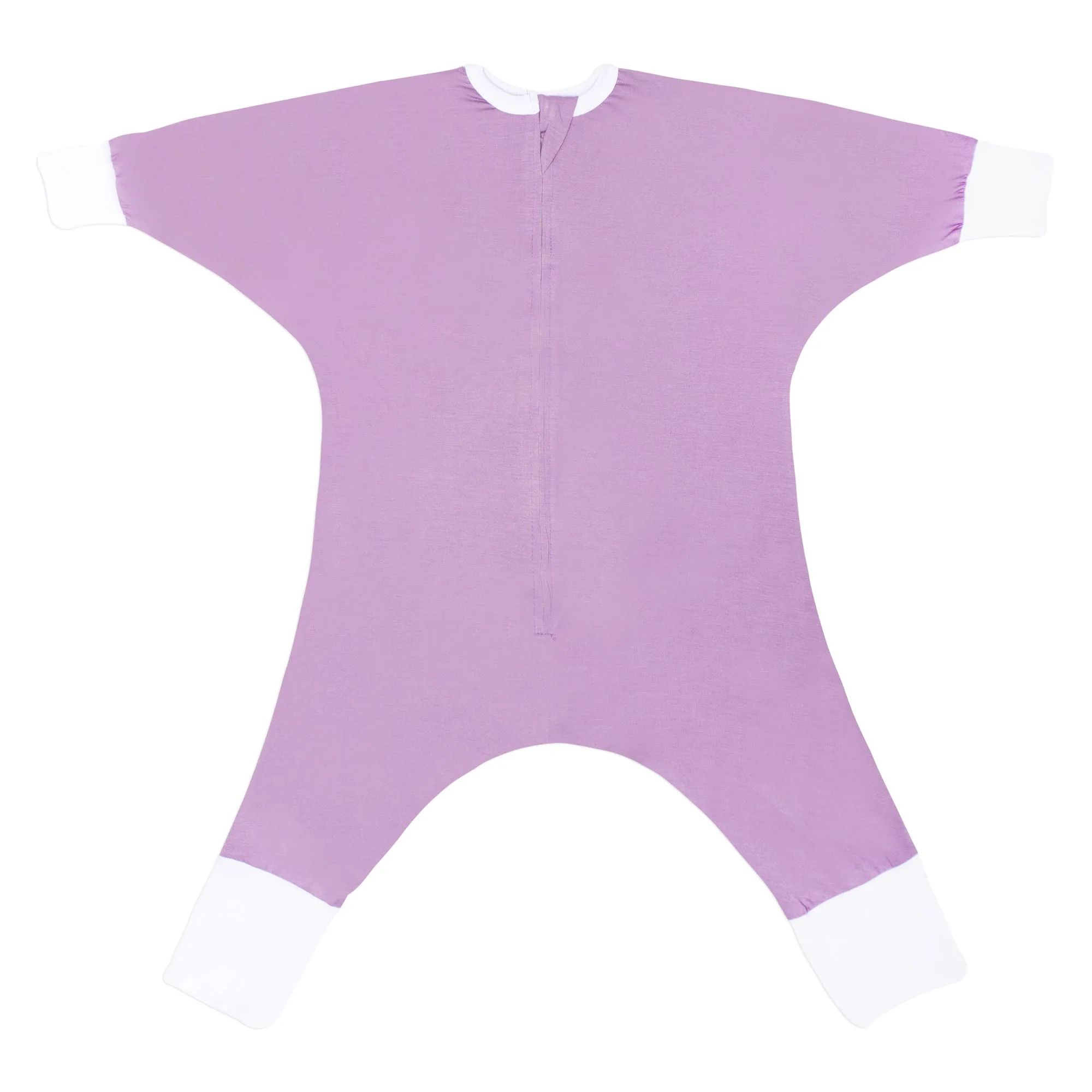
- Sleeping Baby Gingerbread Zipadee-Zip Swaddle Transition - Fleece: The Zipadee-Zip’s unique starfish design provides the cozy, secure feeling of a swaddle without limiting baby’s range of motion. If teething disrupts sleep, a sleep sack that allows movement can help your baby self-soothe back to sleep without the risks of a traditional swaddle.
- Sleeping Baby Heather Zipadee-Zip Swaddle Transition: The Zipadee-Zip transition sleep sack mimics the snug, secure feel of a swaddle while allowing full range of motion. This is useful once your baby starts rolling, because it keeps the comfort of a swaddle without restricting the arms they need to push up or reposition.
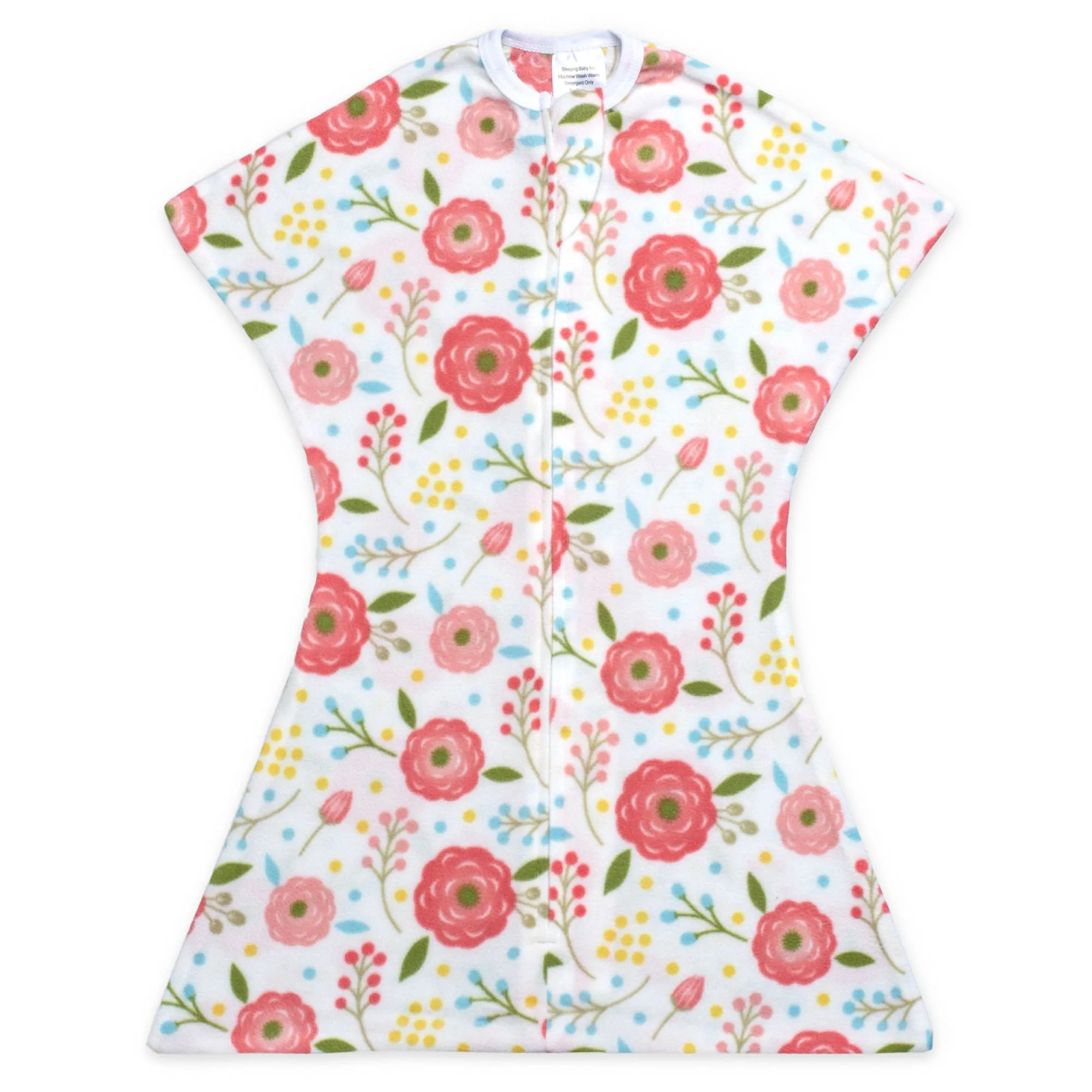
- Sleeping Baby Pink Poppy Zipadee-Zip Swaddle Transition - Fleece: Suitable for little ones 3 months–3 years. A single sleep sack can cover the whole teething window, so you are not buying new sleepwear every time your baby grows out of a size.