Quick answer
A golf cart brake cable is failing when the pedal feels spongy or travels farther than it used to, when the cart pulls to one side under braking, when you hear a grinding or snapping sound from under the cart, or when the brake pedal does not return cleanly. If you can see frayed strands, a kinked housing, or a cable that stays slack no matter how you adjust it, replace the cable rather than trying to nurse it along. If the pedal is firm and the cable moves freely, your problem is more likely in the brake shoes, drums, or linkage adjustment.
Brake cables are one of the few golf cart parts that wear out quietly. They do not usually fail all at once. Instead, the inner cable stretches, the housing collects grit, and the pedal starts feeling different over a season or two of use. By the time braking feels genuinely wrong, the cable may already be the culprit.
The tricky part is that several golf cart braking issues produce similar symptoms. A soft pedal can come from a stretched cable, a worn brake shoe, or a simple adjustment that drifted. This guide walks through the symptoms that point specifically at the cable, the checks that confirm it, and the point where you should stop adjusting and replace the part instead.
Symptoms that point at the cable, not the brakes
The clearest sign of a bad brake cable golf cart owners report is a pedal that keeps getting softer or travels closer to the floorboard. Cables stretch gradually, so the change is easy to miss until you drive a cart with fresh cables and notice the difference. If you have already adjusted the linkage and the pedal goes soft again within a few weeks, the cable is stretching rather than the shoes wearing.
A second strong indicator is uneven braking. If the cart pulls to one side when you press the pedal, one cable may be seized inside its housing while the other still moves. You can confirm this by lifting the rear of the cart on jack stands, applying the brake gently, and watching whether both cables pull evenly at the equalizer.
- Pedal feels spongy or requires noticeably more travel than last season
- Cart pulls left or right under braking instead of stopping straight
- Grinding, popping, or a snapping feel through the pedal
- Brake pedal sticks down or does not return to its resting position
How to confirm the cable is the problem
Before you order parts, do a simple visual and feel check. With the cart safely supported and the parking brake released, follow each cable from the pedal linkage back to the wheel. Look for frayed strands near the ends, rust bleeding through the housing, or a sharp kink where the cable bends around a frame member. Run your hand along the housing; a cable that has seized will feel stiff and will not slide smoothly when you work the pedal.
Next, disconnect the cable at the wheel end and try to move the inner cable by hand. It should slide freely through the housing with light resistance. If it binds, catches, or refuses to move at all, the cable is done regardless of how it looks from the outside. This check takes a few minutes and saves you from replacing brake shoes that were never the issue.
- Frayed or broken strands near the cable ends mean replacement, not repair
- A cable that will not slide by hand after disconnecting is seized
- Compare left and right cable travel at the equalizer to spot a lazy side
What causes cables to fail early
Moisture and grit are the two biggest enemies. Cables that run low on the frame pick up water, sand, and fertilizer dust, which work past the housing seals and grind away at the inner cable. Carts used on wet courses, near the coast, or on dusty trails tend to eat cables faster than carts kept on pavement and stored dry.
Routing matters too. A cable that rubs against a frame edge or sits at a tight bend will wear through its housing and corrode at that spot. When you install replacements, follow the original routing points and make sure the cable is not pinched or stretched tight. A little slack at the bends keeps the inner cable moving freely.
- Rinse the undercarriage after muddy or sandy rides to slow corrosion
- Check cable routing after any lift kit or suspension work
- Avoid pressure-washing directly at the cable ends, which pushes water into the housing
When to adjust, and when to replace
Adjustment is the right first step when the pedal is only slightly low, the cart stops evenly, and the cables slide freely. Most carts have an adjuster at the equalizer or at the wheel, and a few turns can restore pedal height. If that fix holds for a full season, you bought yourself time and nothing more is needed.
Replacement is the right call when adjustment does not hold, when a cable binds or is visibly damaged, or when the pedal feel changes again within weeks. At that point you are compensating for a worn part, and no amount of adjusting will make a stretched or seized cable reliable. Replace cables in pairs when they are the same age, since the second one is usually not far behind.
- Adjust once and recheck after a few rides before deciding
- Replace both cables if they were installed at the same time
- If the cable is seized or frayed, skip adjustment entirely
What to inspect while you are under the cart
Cable replacement is a good moment to look at the parts around it. Check the brake shoes for uneven wear, the drums for scoring, and the equalizer for bent or worn pivot points. A cable that failed because of a dragging brake will fail again if you do not fix the underlying drag. If you recently installed a lift kit, verify that the cables still have enough length and are not being pulled tight at full suspension droop.
Lift kit hardware is worth a look too. Worn bushings let the suspension shift, which can change cable angles and accelerate wear at the ends. If your cart has a lift kit with tired bushings, replacing them at the same time as the cables saves you a second teardown later.
- Inspect brake shoes and drums for uneven or premature wear
- Check the equalizer and pivot points for bends or slop
- On lifted carts, confirm cables are not tight at full droop
Brake cable diagnosis chart
- Soft or low pedal that returns after adjustment: The inner cable is stretching. Adjust the linkage once, then recheck pedal height after a few rides. If the pedal goes soft again within weeks, replace the cable.
- Cart pulls to one side under braking: One cable is likely seized in its housing while the other still moves. Disconnect both at the wheel end and slide the inner cables by hand. A cable that will not slide freely is seized and must be replaced.
- Pedal sticks down or does not return: The cable may be binding in the housing, or the return spring and linkage may be worn. Check cable movement first, then the pedal assembly. Binding at the cable means replacement; free cable movement points to the pedal or spring.
- Frayed strands or a kinked housing: Physical damage will not respond to adjustment and can snap under hard braking. Stop driving the cart and replace the cable. Do not adjust or lubricate a frayed cable. Replace it.
- Grinding or metal-on-metal noise while braking: This often comes from worn brake shoes or scored drums rather than the cable. Inspect shoes and drums before ordering cables. If the cable slides freely and the noise remains, the problem is in the brake assembly.
Parts that support a brake cable job
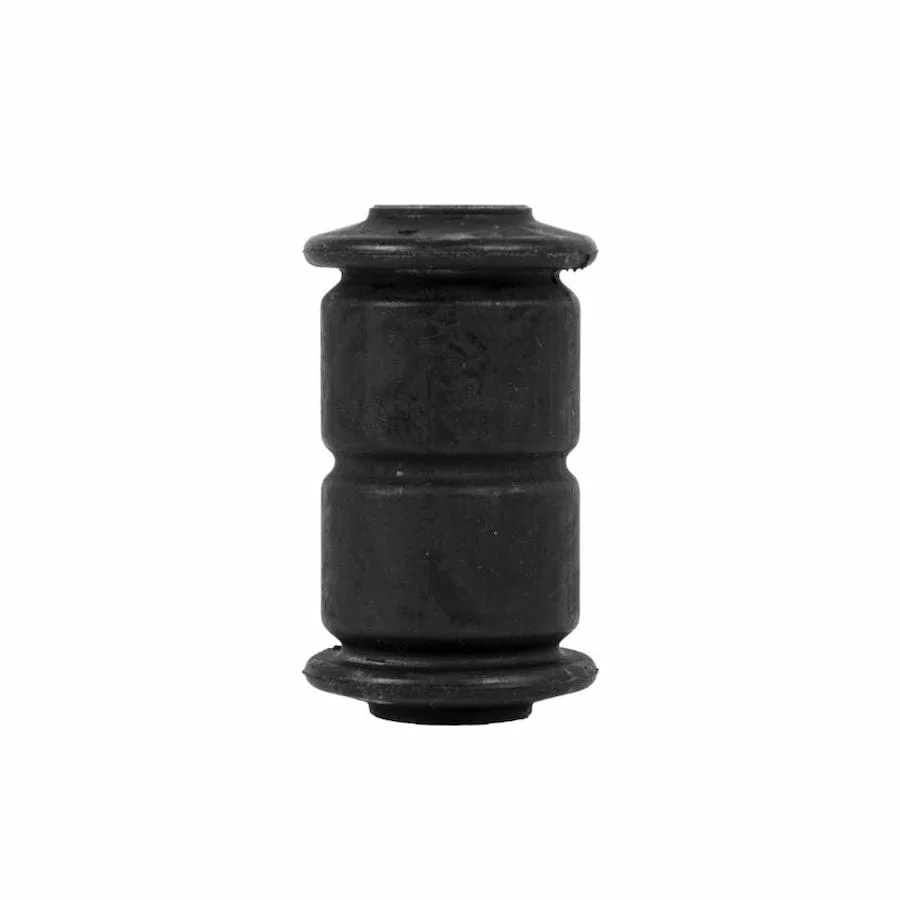
- Replacement Bushing Kit For RHOX LIFT-504/LIFT-505: Includes 4 replacement bushings and spacers for RHOX LIFT-504 (Yamaha G22 6 inch BMF A-Arm Lift Kit, gas and electric) and LIFT-505 (Yamaha Drive/Drive2 6 inch BMF A-Arm Lift Kit, Drive gas and electric 2007-2016, Drive2 electric and non-EFI gas). If your Yamaha runs one of these lift kits and the suspension bushings are worn, fresh bushings restore stable geometry so new brake cables are not stressed by a shifting rear end.
- MadJax XSeries Storm A-Arm Bushing: OEM MadJax XSeries A-Arm bushing for 2023 electric models, built to exact OEM specifications for fit and installation. A worn A-arm bushing on a MadJax XSeries cart lets the suspension move under braking, which can change cable angles and mimic a cable problem. Replacing it during brake work avoids a repeat repair.
Brake cables rarely fail without warning. A pedal that keeps going soft, a cart that pulls to one side, or a cable that will not slide by hand are all clear signals to replace rather than adjust. Do the free checks first, confirm the cable is the culprit, and replace both sides together so you are not back under the cart next month.