Finger puppets are a classic tool for early childhood play, but silicone animal finger puppets offer unique benefits for babies and toddlers. Soft, safe, and easy to clean, they're perfect for little hands and mouths. Beyond entertainment, these puppets can be powerful aids for language development, social-emotional learning, and imaginative play.
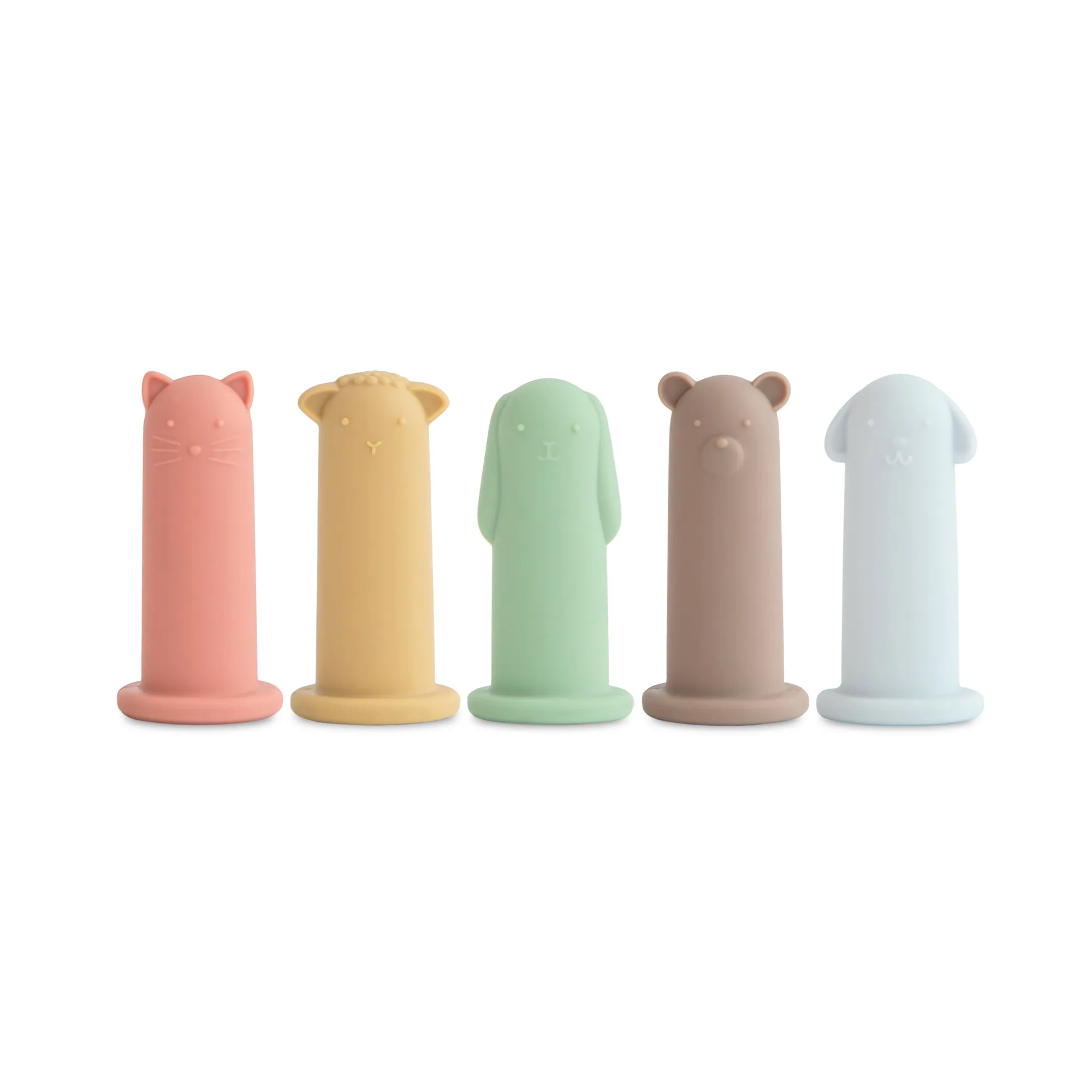
silicone animal finger puppets
In this guide, we'll explore how to use silicone animal finger puppets to encourage speech, build vocabulary, and create engaging storytelling moments. Whether you have a newborn or a busy toddler, these simple activities can turn everyday interactions into rich learning experiences.
Why Silicone Animal Finger Puppets Are Great for Language Development
Language development in the first years of life is closely tied to interactive, back-and-forth communication. Silicone animal finger puppets capture a baby's attention with their bright colors and gentle textures, making them an ideal prop for face-to-face play. When you animate a puppet, your baby naturally focuses on your mouth and voice, which helps them learn the rhythm and sounds of speech.
For toddlers, finger puppets can introduce new vocabulary in a fun, low-pressure way. By naming the animal, describing its actions, or making simple sounds (like "moo" or "quack"), you help your child connect words with meanings. The tactile nature of silicone also adds a sensory element, which can reinforce learning for kids who benefit from hands-on experiences.
- Use puppets to model simple sounds and words, then pause to let your baby respond with coos or babbles.
- Name the animal and its body parts (ears, nose, tail) to build vocabulary during play.
Finger Puppet Play Ideas for Infants (0–12 Months)
For infants, finger puppets are best used during close, calm interactions. Try wearing a puppet on your finger and moving it slowly in front of your baby's face. Make eye contact and speak in a singsong voice: "Hello, little one! I'm a bunny. Can you see my ears?" This simple activity supports visual tracking and auditory processing.
You can also use a puppet during tummy time. Place your baby on a play mat and bring the puppet close to their face, then slowly move it side to side. This encourages them to lift their head and follow the puppet, strengthening neck muscles while engaging their curiosity. The silicone material is easy to wipe clean after inevitable mouthing.
- Pair puppet play with a favorite nursery rhyme—let the puppet 'act out' the words.
- Let your baby hold and explore the puppet; silicone is safe for teething and easy to sanitize.
Toddler Storytelling and Imaginative Play (12–24 Months and Up)
As your child grows, finger puppets become tools for storytelling and imaginative play. Encourage your toddler to create simple narratives: "The cow went for a walk and met a duck. What did they say?" This type of play builds narrative skills, sequencing, and creativity. You can also use puppets to act out daily routines, like brushing teeth or eating, which helps toddlers understand and anticipate events.
For older toddlers, try a puppet show. Use a cardboard box or a simple cloth as a stage. Let your child choose which animals appear and what they do. This not only boosts language but also social skills like turn-taking and empathy. Pair these activities with other open-ended toys like Wooden Balance Blocks or a Wooden Abacus to create a rich play environment.
- Introduce a new puppet each week and learn a fact about that animal to expand knowledge.
- Use puppets to role-play emotions (happy, sad, surprised) and help your child identify feelings.
Tips for Choosing and Caring for Silicone Finger Puppets
When selecting silicone animal finger puppets, look for ones made from food-grade silicone that are free from BPA, phthalates, and other harmful chemicals. They should be soft enough for tiny fingers to manipulate but sturdy enough to hold their shape. A set with a variety of animals can keep play fresh and encourage learning about different species.
Caring for silicone puppets is simple: wash them with warm soapy water or toss them in the dishwasher (top rack). Avoid harsh scrubbing that could damage the silicone. Because they're non-porous, they resist bacteria and odors, making them a hygienic choice for babies who love to put things in their mouths. Store them in a clean, dry place, and they'll last through years of play.
- Always check that puppets are large enough to avoid choking hazards (follow age recommendations).
- Rotate puppets to keep interest high—hide a few for a week, then reintroduce them as 'new' friends.
Silicone animal finger puppets are more than just cute toys—they're versatile tools for nurturing language, creativity, and connection with your child. By incorporating simple puppet play into your daily routine, you can support your baby's development while having fun together. Whether you're making animal sounds for an infant or staging a puppet show for a toddler, these soft, safe puppets are sure to become a favorite in your playtime toolkit.