Quick answer
For full-coverage weaning, a waterproof long sleeve bib is the best baby bib because it protects sleeves and laps from purees and liquids. For quick wipe-down meals and easy storage, silicone bibs win. Muslin bibs are best for drool, milk feeds, and light snacks, not heavy mess. Many parents keep all three on hand and rotate by meal type.
Bibs look simple until you are standing in a sea of carrot puree wondering why you own six that never get used. The right bib depends on what you are feeding, how much mess you can tolerate, and how your baby feels about wearing it.
This silicone bib vs waterproof bib vs muslin bib comparison breaks down the real trade-offs: coverage, cleanup, comfort, and fit. You will also see how a bib 3 pack fits into a practical rotation, so you stop guessing and start feeding with less laundry.
Silicone bibs: wipe-clean and structured
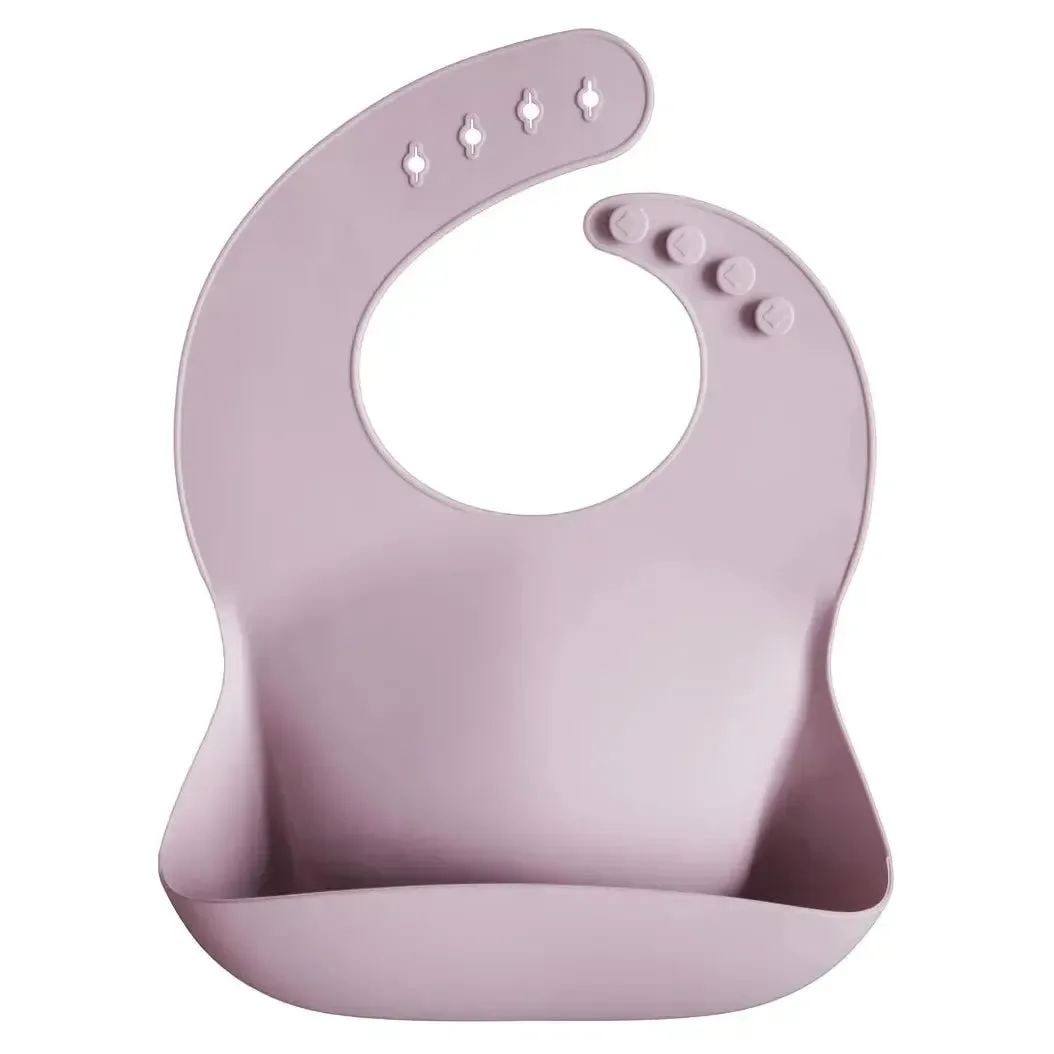
Silicone bibs are the easiest to clean. They do not absorb liquids, so a quick wipe with a damp cloth or a rinse under the tap is usually enough. Many have a molded catch pocket that traps dropped food before it reaches the lap. Because silicone is soft but holds its shape, these bibs sit away from the chest and do not soak through.
The trade-off is coverage. Most silicone bibs protect the chest and upper lap, not the sleeves. For a baby learning to self-feed with a spoon, sleeves and the high chair tray still take hits. Silicone bibs are also bulkier to pack, and some babies tug at the neckline if the fit is not adjusted well.
- Best for: purees, yogurt, and meals you can wipe up in seconds.
- Check the neckline: a bib that sits too loose lets food slide underneath.
- Pack a spare for outings because a rinsed silicone bib can stay damp.
Waterproof bibs: full coverage for messy weaning
Waterproof bibs, especially long sleeve styles, cover the chest, lap, and arms. That makes them the strongest choice for weaning bibs when your baby is exploring texture, grabbing the spoon, and turning the bowl upside down. A waterproof long sleeve bib keeps puree off clothing, which means less stain treatment and fewer outfit changes.
The trade-off is airflow and drying. Waterproof fabric does not breathe like cotton, so some babies run warm or resist wearing one for long. After washing, they need time to dry, and the sleeves can feel restrictive to a baby who is used to bare arms. Fit matters more here: if the sleeves are too long, hands get buried, and if the neck is too tight, the bib becomes a battle.
- Best for: self-feeding, multiple courses, and babies who paint with food.
- Look for an adjustable neck closure so the bib grows with your baby.
- Roll the sleeves once if they cover the hands during finger foods.
Muslin bibs: soft, absorbent, and gentle
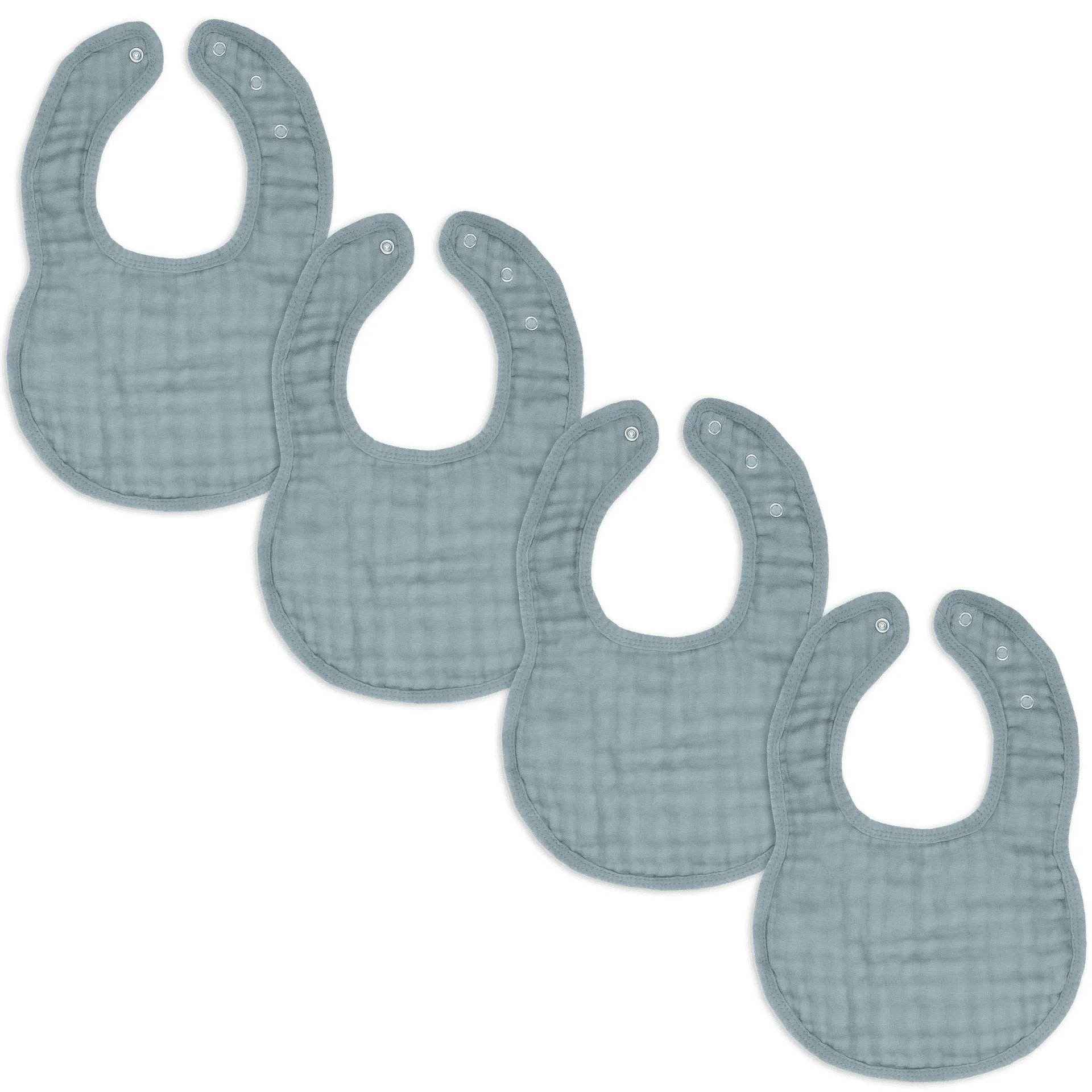
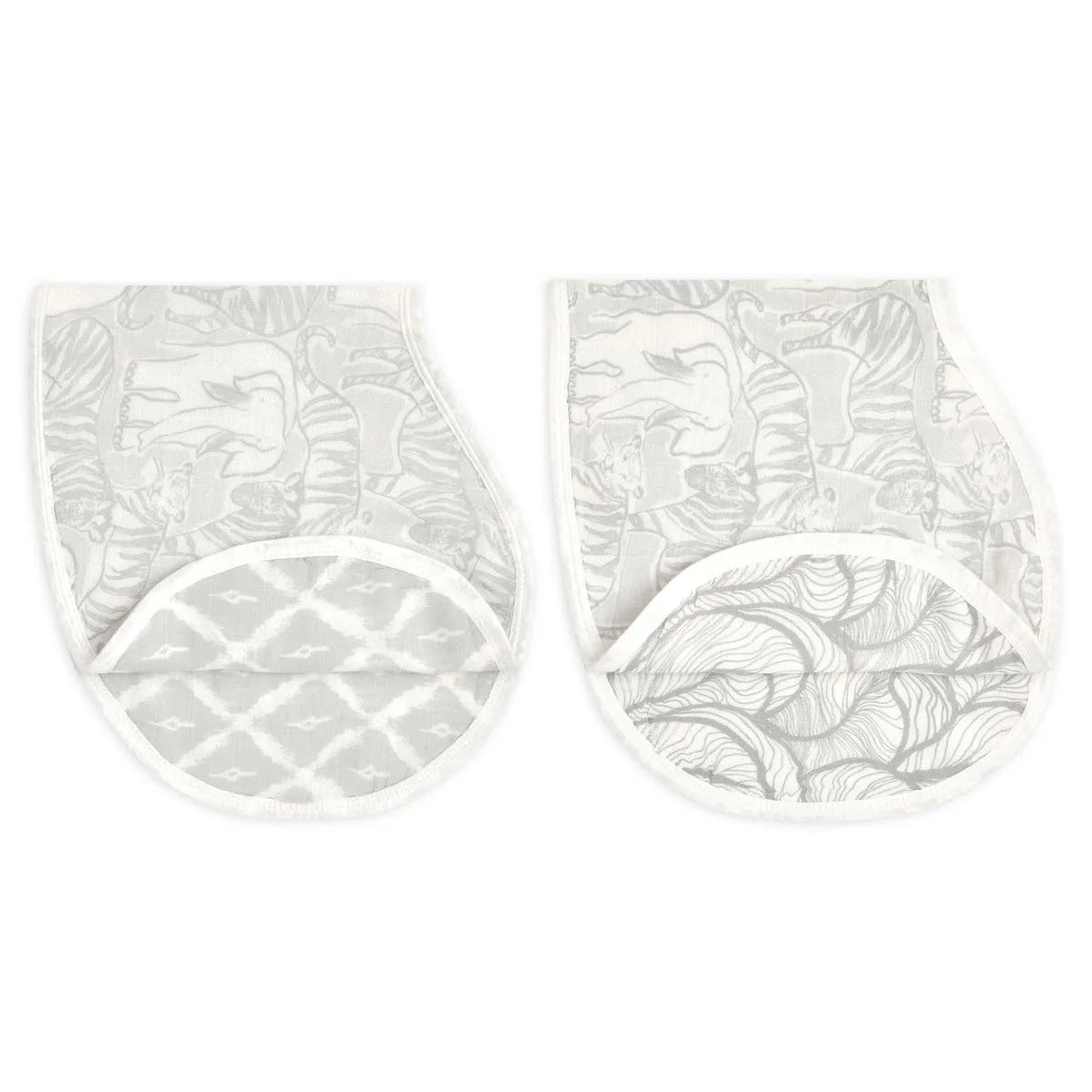
Muslin bibs are made for comfort. They are soft against the skin, absorbent for drool and milk, and light enough to wear all day without complaint. A muslin bib is a practical choice for newborns, teething babies, and snack times that do not involve a full bowl of something orange.
The trade-off is protection. Muslin absorbs liquid, which means it eventually soaks through to the onesie. It does not block purees or water from reaching clothes, and it will not save sleeves. For heavy weaning, muslin bibs work as a backup layer, not a primary shield. They also need a proper wash rather than a quick wipe.
- Best for: drool, bottle feeds, and dry snacks like crackers.
- Keep a bib 3 pack in the diaper bag for quick changes.
- Expect to change the bib more often than silicone or waterproof styles.
How to choose by age and stage
Newborn to about six months, muslin bibs handle milk drips and early drool without irritating the skin. Once solids start, silicone bibs are a smart first step because they are quick to clean and teach your baby that meals happen at the table. When self-feeding kicks in, usually around eight to twelve months, a waterproof long sleeve bib earns its place.
You do not have to pick one forever. A baby bib comparison is really about matching the bib to the meal. Many families use muslin for morning milk, silicone for a quick lunch, and a waterproof long sleeve bib for dinner when the mess is biggest. That rotation keeps laundry manageable without buying every style at once.
- Start with two muslin bibs and one silicone bib if you are just beginning solids.
- Add a waterproof long sleeve bib when your baby starts grabbing the spoon.
- Recheck the neck fit every few weeks as your baby grows.
Trade-offs at a glance
- Silicone bib: Wipe-clean and structured with a catch pocket, but it covers the chest and lap only, not the sleeves. Choose this for quick meals and easy cleanup.
- Waterproof long sleeve bib: Full coverage for chest, lap, and arms, but less breathable and slower to dry than muslin. Choose this for heavy weaning and self-feeding.
- Muslin bib: Soft and absorbent for drool and milk, but it soaks through and does not block purees. Choose this for newborns, teething, and light snacks.
Product facts that help you decide
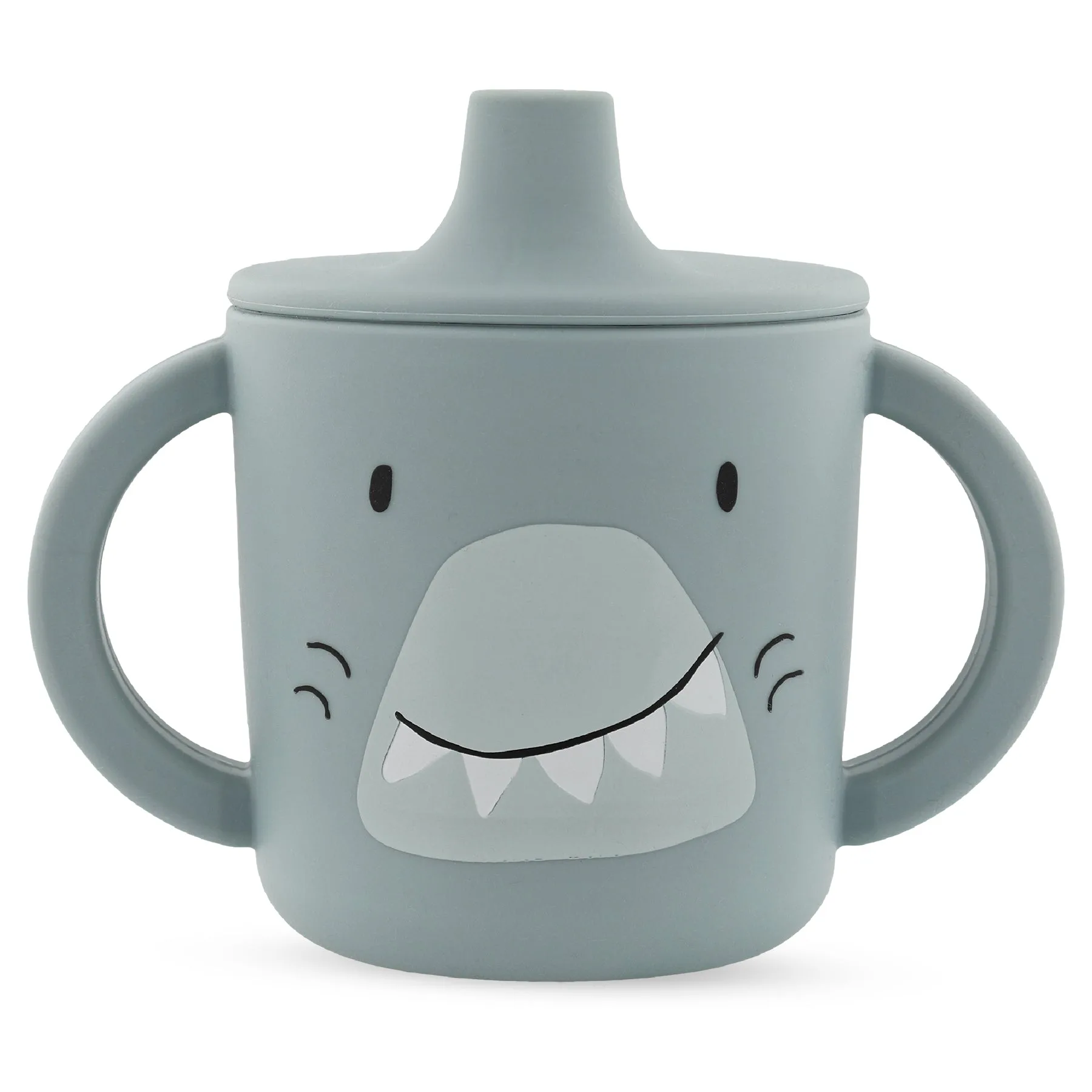
- Silicone sippy cup - Mr. Shark: The big handles make this sippy easy to use and offer practice for holding and tilting as your child would with an open cup. It allows drinking without spilling, and silicone is safe for the microwave, dishwasher, freezer, and oven. If you are building a wipe-clean mealtime kit, silicone items like this cup pair naturally with silicone bibs because both handle quick rinses and tough daily use.
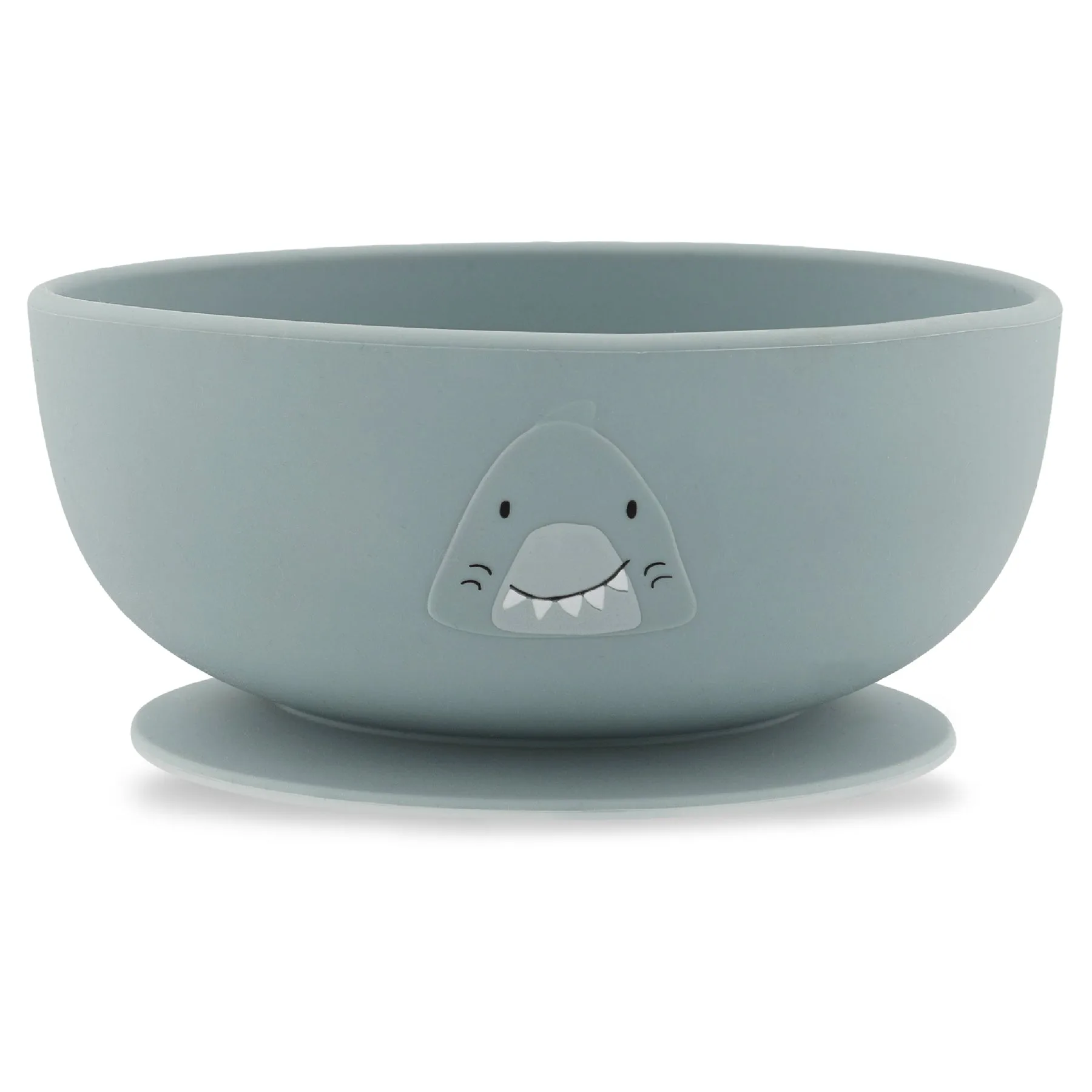
- Silicone bowl with suction - Mr. Shark: This silicone bowl has a suction feature that sticks to any smooth surface to avoid spills and drops. It is made from 100% silicone, is soft to the touch, will not break when dropped, and is suitable for the microwave, oven, freezer, and dishwasher. A suction bowl reduces the bowl-flipping that makes bib choice matter. Pair it with a waterproof long sleeve bib for the messiest self-feeding sessions.
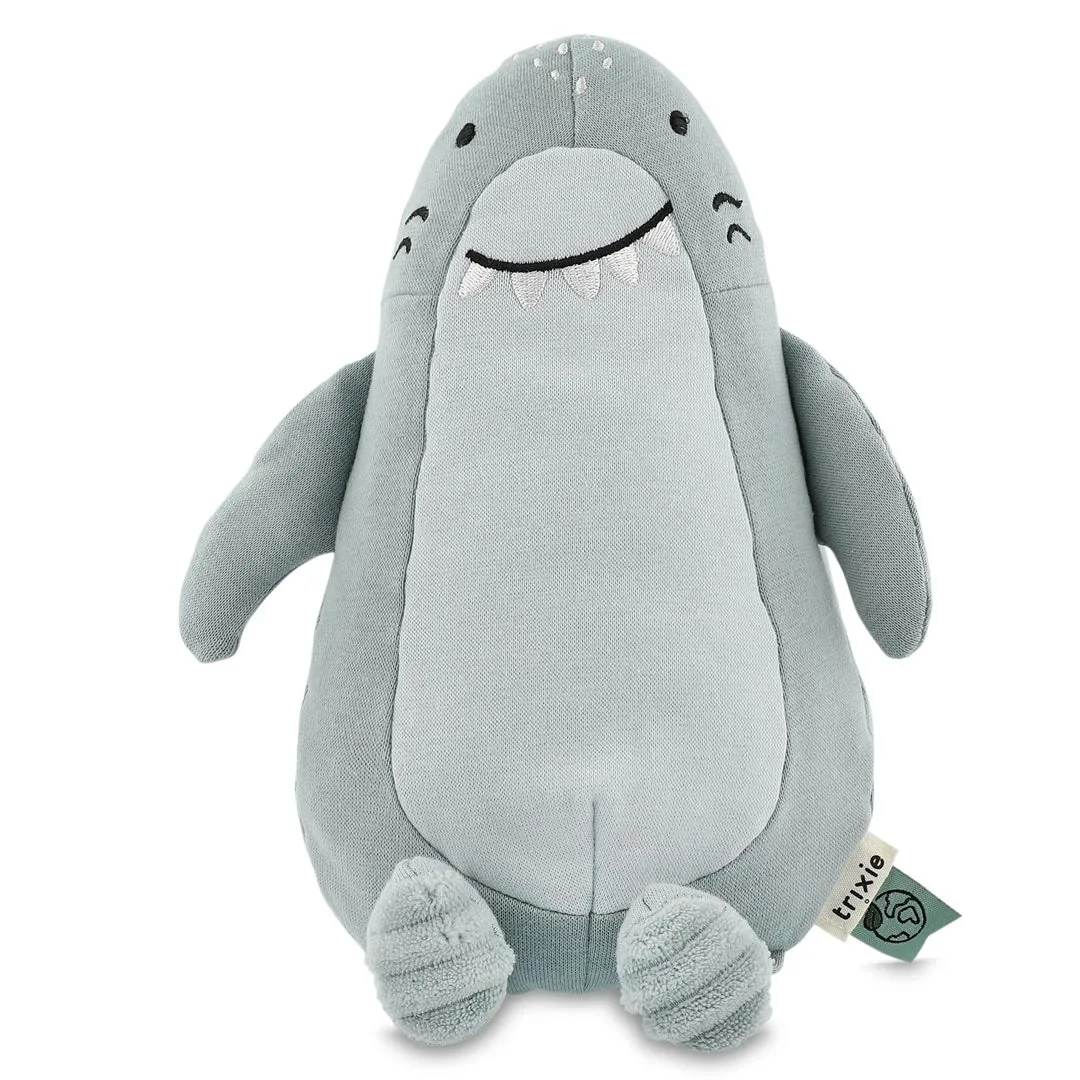
- Plush toy small - Mr. Shark: Made of 100% organic cotton, this plush toy is durable, fun to play with by day, and comforting for dozing off at night. A familiar plush toy can make high chair time feel less stressful for a baby who is still getting used to wearing a bib.
Which bib is best for your baby?
Best for
- Babies starting solids who need quick wipe-down bibs
- Toddlers in heavy self-feeding who need full sleeve and lap coverage
- Newborns and teething babies who need soft, absorbent drool protection
Not for
- Heavy puree meals if you choose a muslin bib alone
- Babies who dislike sleeves or run warm if you choose a waterproof long sleeve bib
- Full sleeve protection if you choose a silicone bib
There is no single best baby bib for every moment. Match the bib to the meal: muslin for milk and drool, silicone for quick cleanup, and a waterproof long sleeve bib for the messiest weaning days. A small rotation of two or three styles keeps mealtime manageable and laundry under control.