For decades, hikers and backpackers have relied on plastic hydration bladders to stay hydrated on the trail. But a quiet revolution is underway: silicone bladders are emerging as the superior choice for outdoor enthusiasts who demand durability, taste-free water, and environmental responsibility. Unlike traditional polyethylene or TPU bladders, silicone offers a unique combination of flexibility, heat resistance, and non-toxic properties that make it ideal for long treks and extreme conditions.
As the outdoor industry shifts toward sustainable and high-performance gear, silicone water bladders are leading the charge. From eliminating the dreaded plastic taste to reducing microplastic shedding, these bladders address the biggest pain points of conventional hydration systems. In this article, we’ll explore why silicone is changing the way we hydrate on the trail, compare it to older materials, and offer practical advice for choosing your next hydration companion.
The Problem with Traditional Plastic Bladders
Most hydration bladders on the market are made from polyethylene or TPU (thermoplastic polyurethane). While these materials are lightweight and inexpensive, they come with significant drawbacks. Over time, plastic bladders can develop a persistent chemical taste that leaches into your water, especially when exposed to heat or sunlight. This not only ruins the flavor of your drink but can also raise concerns about ingesting plastic additives like BPA or phthalates.
Another issue is durability. Plastic bladders are prone to cracking, puncturing, and degrading after repeated use and cleaning. Many hikers report leaks forming at seam welds after just a few seasons. Additionally, plastic bladders can harbor bacteria in hard-to-reach corners, requiring frequent replacement. These problems have driven the search for a better material—and silicone has emerged as the answer.
- Plastic taste is a common complaint among hikers using traditional bladders.
- Microplastic shedding from worn bladders may contribute to environmental pollution.
- Seam failures in plastic bladders often occur after limited use.
Why Silicone Bladders Are a Game-Changer
Silicone bladders offer a host of advantages that directly address the limitations of plastic. First and foremost, silicone is chemically inert, meaning it doesn’t impart any taste or odor to your water. This makes it ideal for long hikes where you want your hydration to remain pure and refreshing. Silicone is also highly resistant to extreme temperatures—from freezing cold to boiling hot—so you can safely fill it with hot water for warmth or use it in subzero conditions without cracking.
Durability is another standout feature. Silicone is incredibly flexible yet tough, resisting punctures and tears far better than plastic. It can be folded, twisted, and compressed without damage, making it perfect for minimalist packing. Moreover, silicone bladders are easier to clean because they don’t have the same porous surface as plastic, reducing bacterial growth. Many models are dishwasher-safe or can be boiled for sterilization. This longevity means fewer replacements and less waste, aligning with the growing trend of sustainable outdoor gear.
- Silicone remains flexible in extreme cold, unlike plastic which becomes brittle.
- Non-porous surface resists mold and bacteria, extending bladder lifespan.
- Heat resistance allows for hot water storage and easy sterilization.
Comparing Silicone Bladders to Other Hydration Systems
When choosing a hydration system for the trail, hikers often weigh bladders against bottles. Traditional plastic bottles are rigid and can be bulky, while stainless steel bottles are heavy. Silicone bladders combine the best of both worlds: they are lightweight, collapsible, and pack flat when empty. Unlike hard-sided containers, silicone bladders conform to the shape of your backpack, saving space and reducing weight distribution issues.
Compared to plastic bladders, silicone bladders are initially more expensive, but their durability and longevity make them more cost-effective over time. For example, a high-quality silicone bladder can last for years without developing leaks or taste issues, whereas a plastic bladder might need replacement every season. Brands like Heimplanet are now offering silicone-compatible hydration accessories that integrate seamlessly with their modular pack systems, such as the Mono Series Minimal Pack, which features dedicated hydration sleeves for easy access on the move.
- Silicone bladders weigh less than stainless steel bottles and pack flatter than plastic bottles.
- Long-term cost savings due to reduced replacement frequency.
- Compatible with modular backpack systems for streamlined hydration.
Environmental and Health Benefits of Silicone Hydration
The shift to silicone bladders is not just about performance—it’s also about health and the planet. Silicone is made from silica, a natural resource, and is free from BPA, phthalates, and other harmful chemicals found in many plastics. This makes silicone a safer choice for drinking water, especially when used in hot climates where chemical leaching is accelerated. Additionally, silicone is fully recyclable in specialized facilities, and its durability means fewer bladders end up in landfills.
From an environmental perspective, silicone bladders reduce the demand for single-use plastic water bottles, which are a major source of pollution on trails. By investing in a reusable silicone bladder, you’re making a conscious choice to minimize your ecological footprint. Pair it with a reusable bottle like the Nalgene Drinking Bottle for a complete, eco-friendly hydration system that keeps you hydrated without harming nature.
- Silicone is inert and does not leach chemicals into water, even at high temperatures.
- Reusable silicone bladders help reduce plastic waste on trails.
- Silicone production has a lower carbon footprint than many plastic alternatives.
How to Choose the Right Silicone Bladder for Your Adventures
When selecting a silicone bladder, consider capacity, valve design, and compatibility with your gear. Most silicone bladders range from 1 to 3 liters, with 2 liters being a popular choice for day hikes. Look for bladders with wide-mouth openings for easy cleaning and filling. The bite valve should be leak-proof and easy to operate with one hand, especially when you’re moving. Some models come with magnetic hose clips to keep the tube secure on your shoulder strap.
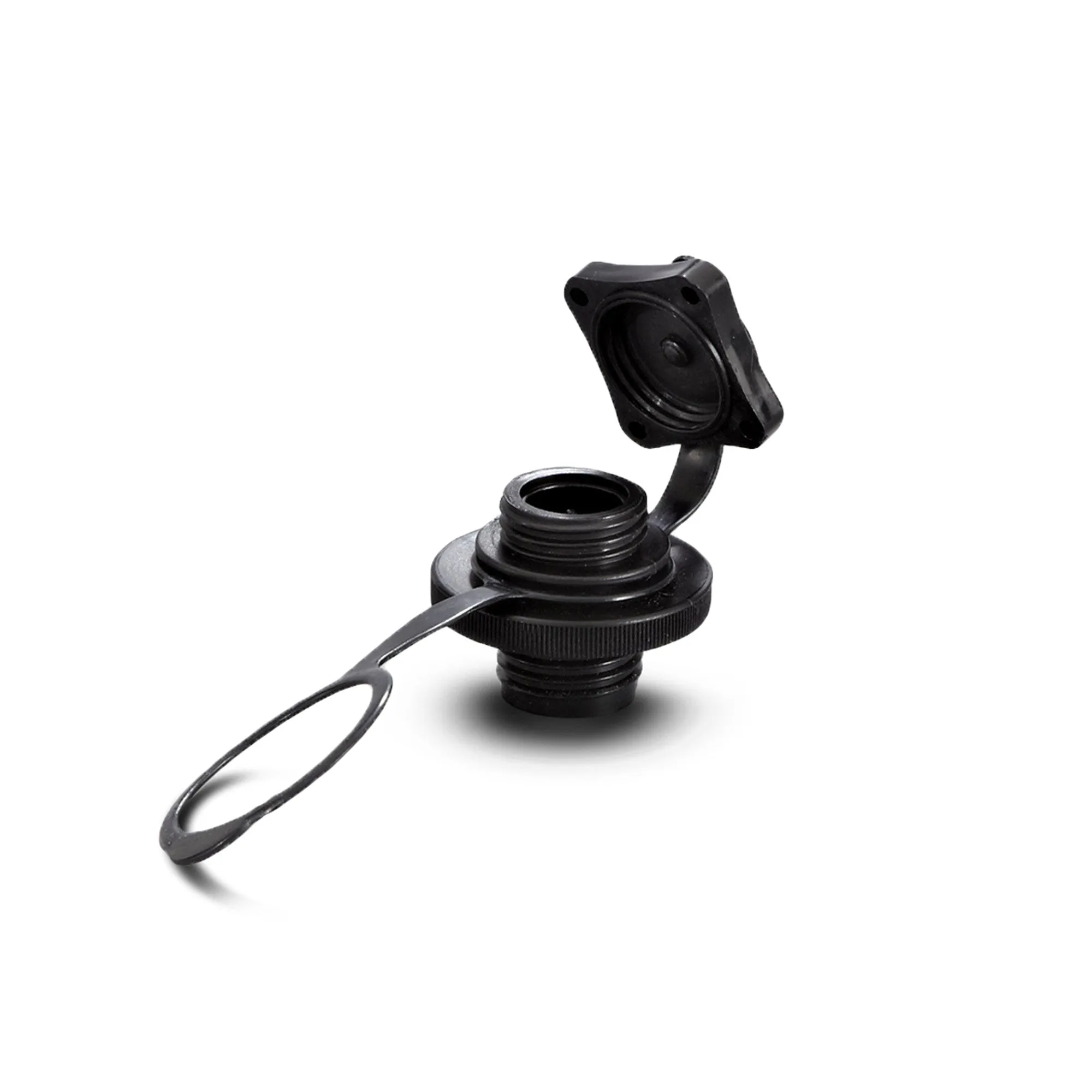
valve
Also, think about integration with your backpack. Many modern packs, like the Transit Line Sling Pocket XL, offer dedicated hydration compartments that accommodate silicone bladders of various sizes. A well-fitting bladder ensures even weight distribution and prevents sloshing. For overnight trips, consider a larger bladder or a system that allows you to carry multiple bladders. Remember to check the temperature rating—silicone bladders typically perform well from -20°C to 100°C, making them suitable for all seasons.
- Choose a 2-liter bladder for standard day hikes; 3 liters for longer treks.
- Wide-mouth designs simplify cleaning and drying.
- Look for leak-proof bite valves with a lock mechanism to prevent accidental spills.
Silicone bladders are not just a passing trend—they represent a fundamental shift toward smarter, more sustainable hydration on the trail. With their superior taste, durability, and eco-friendly profile, they address the shortcomings of traditional plastic systems while enhancing your outdoor experience. Whether you’re a day hiker or a thru-hiker, upgrading to a silicone bladder is a simple change that makes a big difference. Explore Heimplanet’s range of hydration-compatible gear, including the Mono Series Minimal Pack, to find the perfect setup for your next adventure.