Start with the right size, not more pressure
A consistent silicone seal begins with matching tip size to your ear canal, not by pushing harder. Campfire Audio Silicone Earphone Tips come in Small, Medium, and Large, and each size ships as a set of three pairs. A Variety option with one pair each of Small, Medium, and Large is also available. If you are unsure which size your ears take, the variety set lets you compare all three before committing to a single size.
Silicone is soft and pliable, which helps it sit comfortably, but it is not as isolating as foam tips. That tradeoff matters for fit: you may hear more of the room around you, so judge the seal by feel and sound consistency rather than by how much outside noise disappears.
Sizing facts to check before you swap tips
-
Silicone Earphone Tips: Available in sizes Small, Medium, or Large, with each size coming in a set of three pairs. Three pairs per size gives you spares for cleaning or replacement, and the size range covers most ear canals without guesswork.
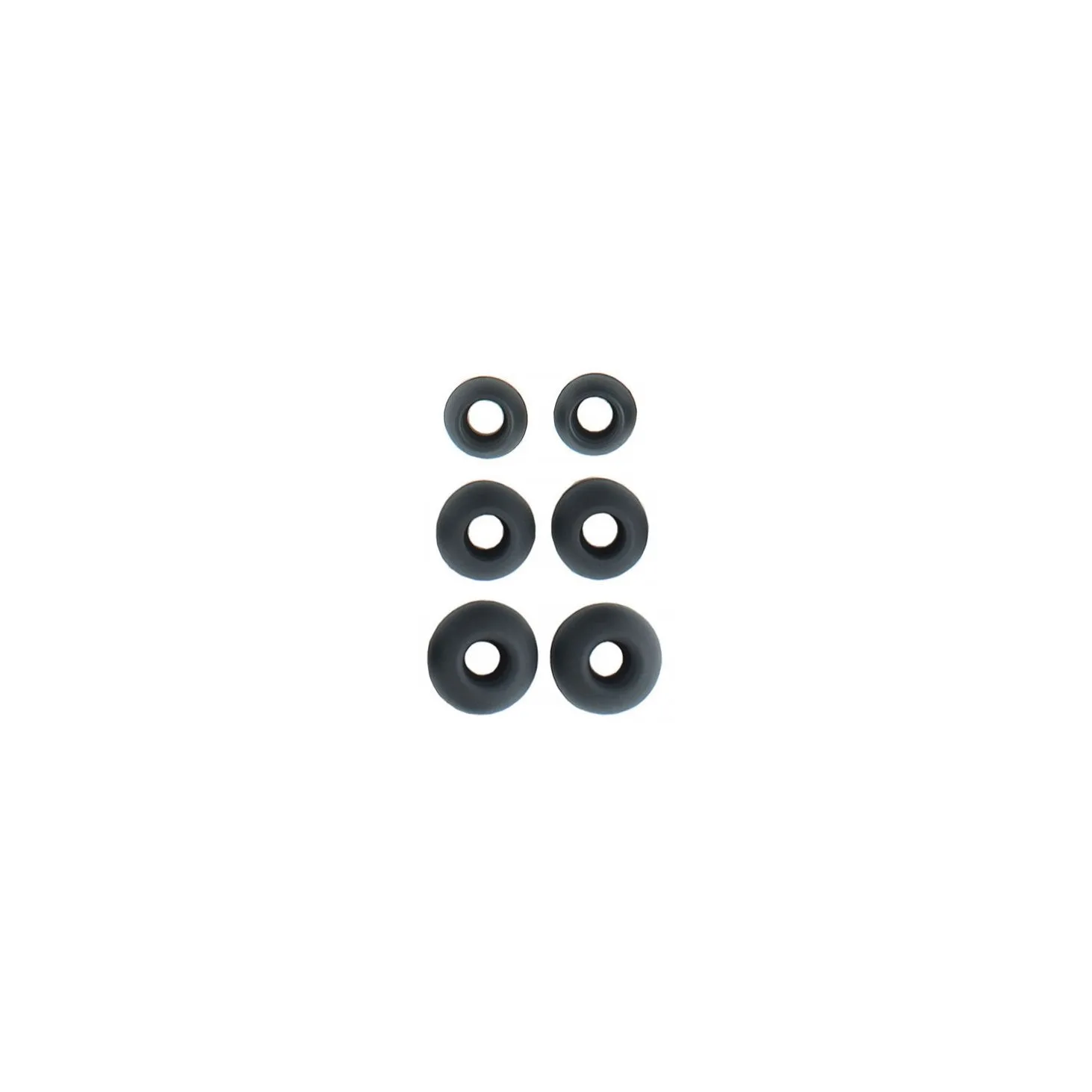
Silicone Earphone Tips
-
Silicone Earphone Tips: A Variety option includes one pair each of Small, Medium, and Large. This is the fastest way to run an iem tip sizing comparison on your own ears before buying a full set.
A repeatable sealing routine
Use the same sequence each time you insert the tips so your seal is consistent from one listening session to the next.
- Try the middle size first: Start with Medium if you have no prior sizing history. If it feels loose or slips, move down to Small; if it feels cramped or will not sit deep enough, move up to Large.
- Seat the tip on the nozzle fully: Push the silicone tip onto the earphone nozzle until it sits flush. A partially seated tip can leak and feel unstable even when the size is correct.
- Insert with a gentle twist: Guide the tip into the canal with a small twisting motion rather than jamming it straight in. Silicone is soft and pliable, so it will conform as it goes.
- Check the seal by sound, not force: Play a familiar track and listen for thin bass or a hollow midrange. If the sound changes when you press lightly on the housing, the seal is not settled.
- Repeat on the other ear independently: Many listeners need different sizes per ear. Size each side on its own rather than assuming both ears match.
Why silicone tips slip out, and what to try
Slipping is usually a sizing or seating problem, not a reason to abandon silicone. Work through these checks in order.
- The tip is too small: A tip that rotates easily or feels loose is likely undersized. Move up one size and retest the seal.
- The tip is not fully seated on the nozzle: Re-seat the tip until it is flush. A gap between tip and nozzle lets the tip move independently of the earphone.
- The canal is dry or the tip is slick: Wipe the tip and your ear canal gently before inserting. A clean, dry surface gives silicone more grip.
- You are expecting foam-level isolation: Silicone is not as isolating as foam tips. If your sense of a good seal depends on near-total noise blocking, silicone may feel loose even when it is correctly fitted.
- You are using the same size on both ears: Try the neighboring size on the side that slips. Asymmetry is common and does not indicate a defective tip.
What silicone changes about bass and treble
Silicone tips help extend high frequencies in most cases, so a correct seal often makes treble feel more open. Better bass with silicone tips comes from the same place: a stable seal keeps low-frequency energy from leaking out. If bass sounds weak, check the seal before adjusting your source or EQ.
Because silicone is not as isolating as foam, you may notice more background noise. That is a property of the material, not a fitting failure. Judge your seal by whether the sound stays consistent when you move your jaw or walk, not by how quiet the room becomes.
Silicone vs foam: what the tradeoff means for fit
The supplied product information describes silicone as soft and pliable and explicitly notes it is not as isolating as foam tips. That single difference drives most fit expectations.
- Silicone: Soft and pliable, helps extend high frequencies in most cases, and comes in Small, Medium, and Large with three pairs per size. Less isolating than foam.
- Foam: The supplied information only establishes that foam isolates more than silicone. Other foam characteristics are not confirmed by the supplied evidence.
When to replace or rotate your tips
Each size of Campfire Audio Silicone Earphone Tips comes as a set of three pairs, so you can rotate a fresh pair in when the current pair stops holding its shape or feels slick after cleaning. Keep one spare pair of your confirmed size on hand rather than switching sizes mid-session, which makes seal problems harder to diagnose.
If you have tried the neighboring sizes, re-seated the tips, and cleaned both tip and canal, and the seal still feels inconsistent, the limitation may be the isolation level of silicone itself rather than your fitting technique. In that case, foam tips are the more isolating option based on the supplied product information.