Teething is a challenging milestone for both babies and parents. Along with sore gums, you need to start thinking about oral hygiene. But with so many baby toothbrush options, choosing the right one can be confusing. Two popular choices are silicone finger toothbrushes and traditional baby toothbrushes. Each has its strengths, and the best pick depends on your baby's age, temperament, and your comfort level.
In this comparison, we'll break down the key differences between silicone finger toothbrushes and traditional baby toothbrushes, focusing on teething relief, cleaning effectiveness, safety, and ease of use. By the end, you'll know which toothbrush suits your little one's needs—and how to make brushing a positive experience.
What Is a Silicone Finger Toothbrush?
A silicone finger toothbrush is a soft, flexible cap that fits over your index finger. It has tiny bristles or nubs made of food-grade silicone. You simply slip it on, add a smear of baby toothpaste (if age-appropriate), and gently rub your baby's gums and emerging teeth. Because it's one piece with no moving parts, it's easy to clean and sanitize.
Silicone finger toothbrushes are especially popular for infants and younger babies who are just starting to teethe. The soft silicone massages sore gums, providing relief while introducing the concept of brushing. They're also very gentle, reducing the risk of accidentally poking delicate oral tissues.
- Pros: Gentle on gums, great for teething massage, easy to clean, no choking hazards from small parts.
- Cons: Less effective at removing plaque from erupted teeth, limited reach for back molars, requires parent's finger to be in baby's mouth.
What Is a Traditional Baby Toothbrush?
Traditional baby toothbrushes come in two main types: those with nylon bristles and those with silicone bristles. They have a handle that you hold, and the brush head is designed for a small mouth. Many have a chunky, easy-grip handle for little hands (though you'll still do the brushing for a while). They often come in fun colors or with characters to make brushing more engaging.
For older babies and toddlers, traditional toothbrushes are generally more effective at cleaning all tooth surfaces, including molars. The longer handle gives you better control and reach. However, some babies resist having a brush inserted, and the bristles can be too firm if not chosen carefully.
- Pros: Better plaque removal, longer reach, can be used with or without toothpaste, many options for different ages.
- Cons: Can be intimidating for some babies, requires careful supervision to prevent gagging or poking, handles may be too large for very small mouths.
Key Differences at a Glance
When comparing silicone finger toothbrushes and traditional baby toothbrushes, consider these factors:
Teething relief: Silicone finger toothbrushes excel here because the soft nubs can massage gums directly. Traditional toothbrushes with silicone bristles also offer some relief, but nylon bristles can be too harsh on inflamed gums.
Cleaning power: Traditional toothbrushes (especially those with nylon bristles) are better at removing plaque from teeth. Silicone finger brushes are more for gum stimulation and light cleaning.
Ease of use: Finger brushes are intuitive—just slip it on and go. Traditional brushes require more coordination and may be harder to use with a wiggly baby.
Hygiene: Both can be cleaned easily. Silicone finger brushes are dishwasher-safe (top rack), while many traditional brushes are hand-wash only.
- Silicone finger toothbrush: Best for ages 0–12 months, teething relief, and introducing oral care.
- Traditional baby toothbrush: Best for ages 12+ months, once teeth are fully erupted, and for thorough cleaning.
Which One Should You Choose?
The answer depends on your baby's stage and personality. For newborns and young infants (0–6 months) who are just starting to teethe, a silicone finger toothbrush is ideal. It soothes gums and builds a positive association with oral care. Many parents also use it to gently clean the tongue and inside cheeks.
Once your baby has several teeth (usually around 12 months), a traditional baby toothbrush becomes more effective. You can still use a silicone finger brush for gum massage, but switch to a regular brush for actual brushing. Some parents use both: a finger brush for teething relief and a traditional brush for cleaning.
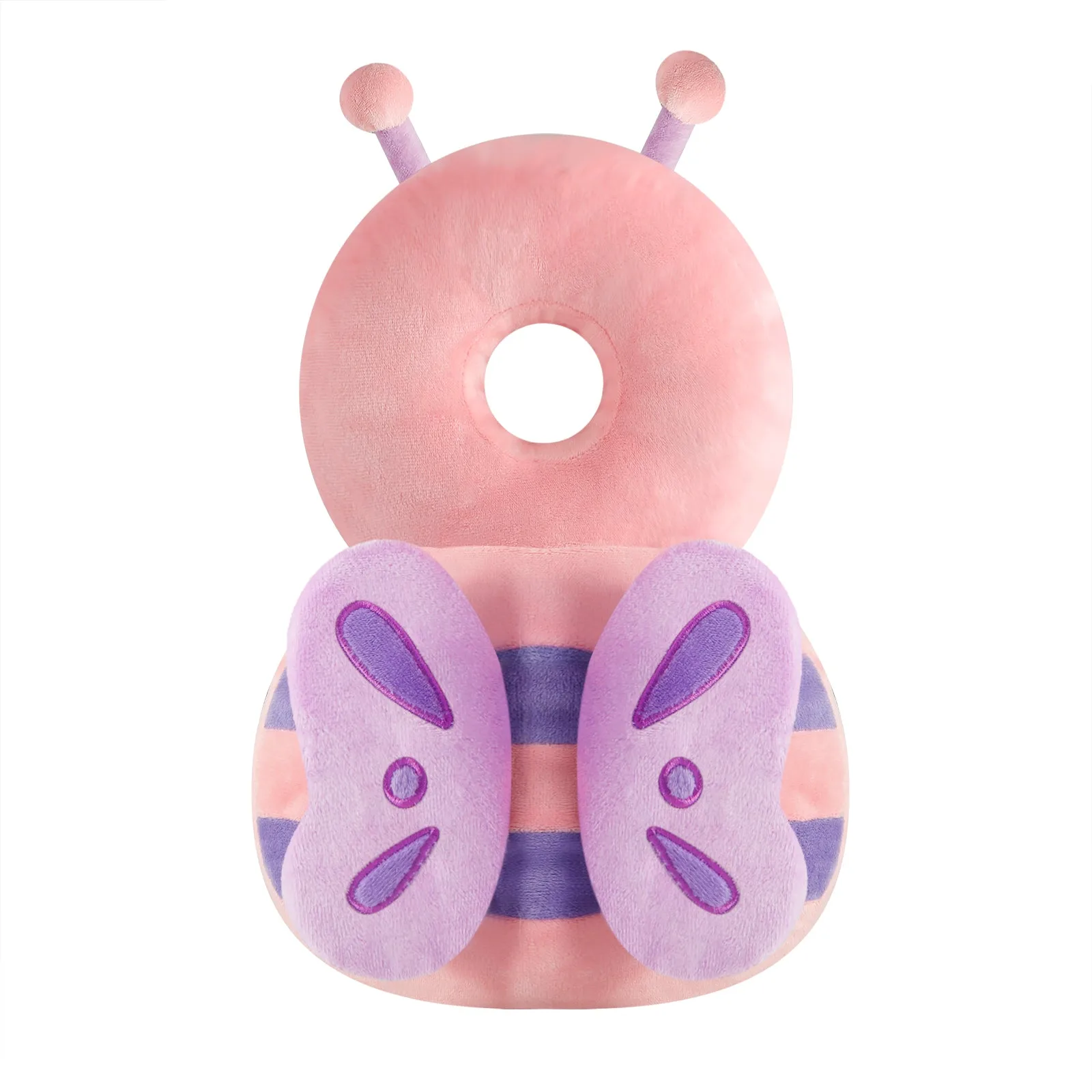
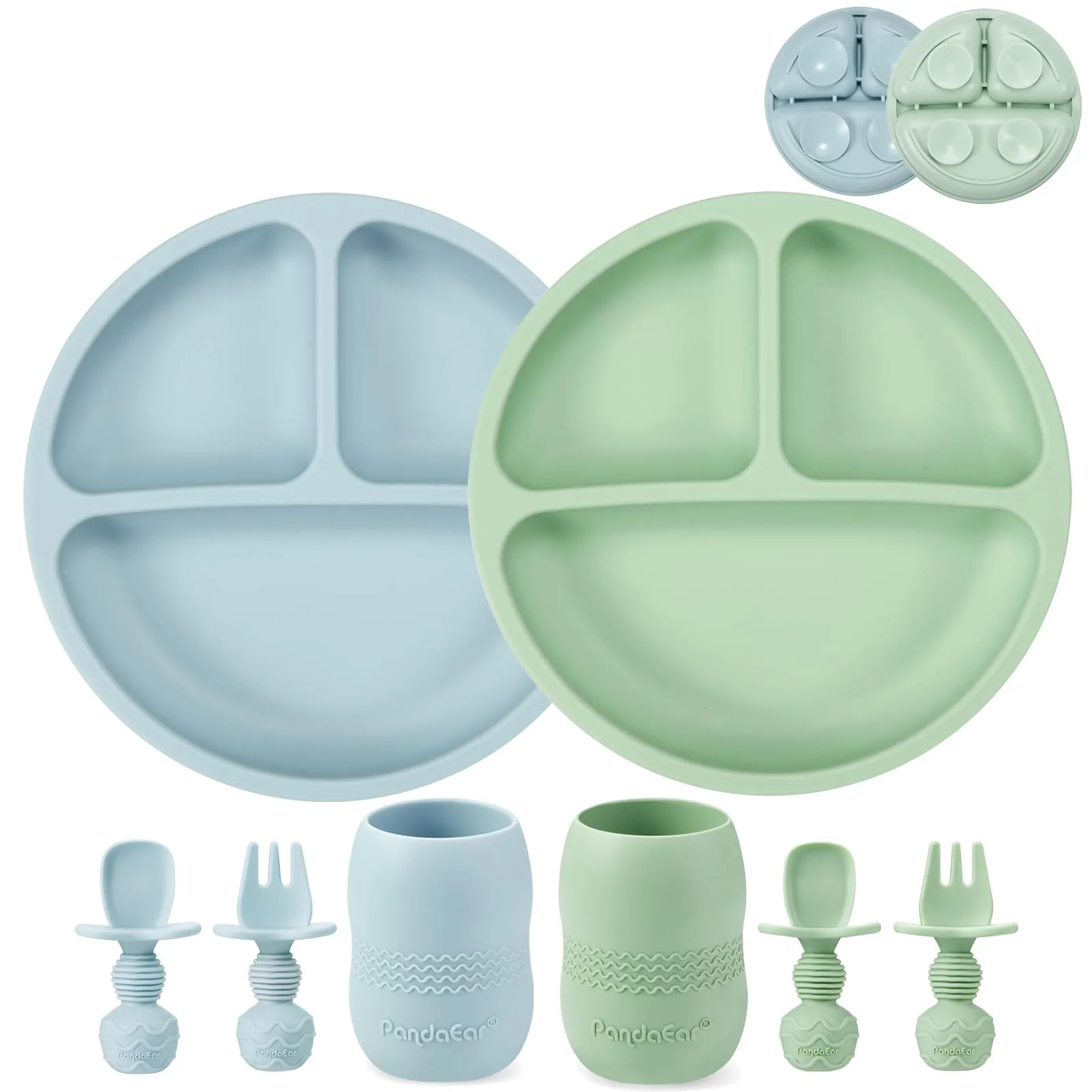
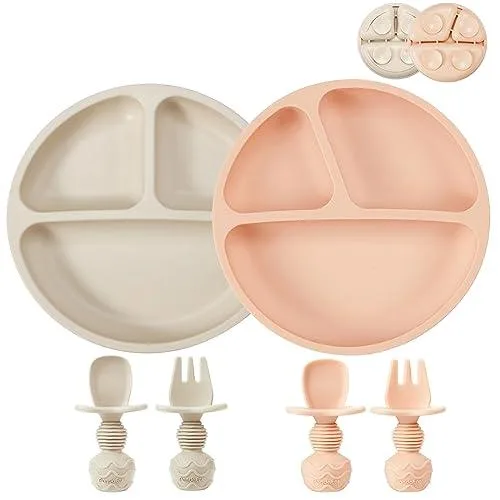
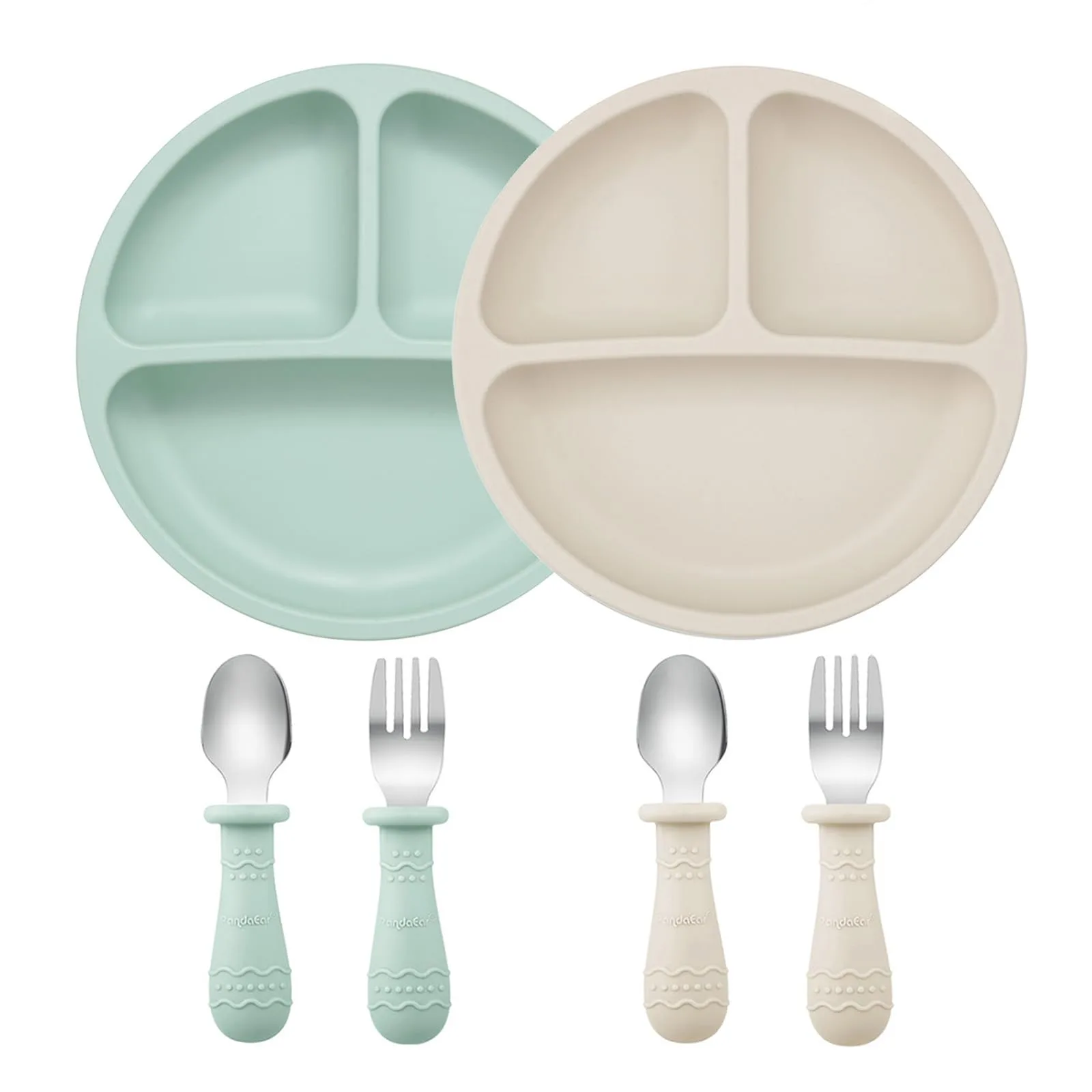
If you're looking for a versatile option, consider products like the PandaEar Baby Head Protection Backpack, which isn't a toothbrush but helps protect your toddler during those wobbly walking months—just a reminder that baby gear covers many needs. For feeding and oral care, PandaEar also offers the https://terracradle.shop/products/feeding-set-120851https://terracradle.shop/products/feeding-set-120896https://terracradle.shop/products/feeding-set-120898Feeding Set and Suction Placemats that make mealtime easier, though they're not directly related to brushing.
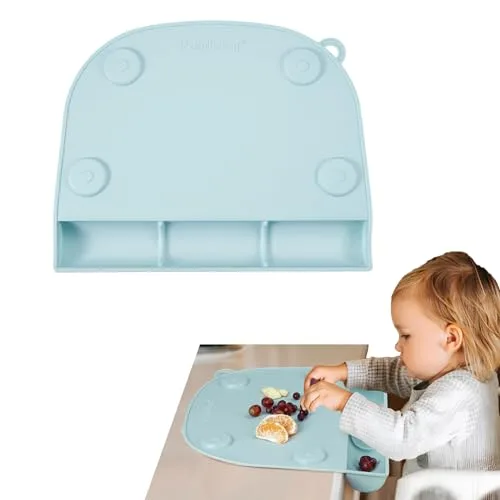
Suction Placemats
- Start with a silicone finger toothbrush around 3–4 months or when teething begins.
- Transition to a traditional baby toothbrush around 12 months or when your baby has multiple teeth.
- Always supervise brushing and use a rice-grain-sized amount of fluoride toothpaste after age 2 (or as recommended by your dentist).
Tips for Making Brushing Easier
No matter which toothbrush you choose, these tips can help:
Make it a routine: Brush at the same time every day (e.g., after breakfast and before bed). Consistency helps babies accept it.
Let your baby hold a toothbrush: Give them a spare to chew on while you brush with another. This gives them a sense of control.
Sing a song or use a mirror: Distraction works wonders. A silly toothbrushing song or letting them watch themselves in the mirror can reduce resistance.
Be gentle: If your baby cries or pulls away, stop and try again later. Forcing it can create negative associations.
- Replace toothbrushes every 3 months or sooner if bristles are frayed.
- For silicone finger brushes, check for tears or wear regularly—replace if damaged.
Both silicone finger toothbrushes and traditional baby toothbrushes have their place in your baby's oral care journey. Start with a finger brush for teething relief and gentle cleaning, then transition to a traditional brush as more teeth appear. The best toothbrush is the one that your baby tolerates and that you use consistently. Remember, establishing good oral hygiene early sets the foundation for healthy teeth and gums later in life.