Quick answer
For your toddler's dental health, a straw cup is generally the better choice because it promotes a more mature oral posture and reduces the risk of tooth decay compared to traditional sippy cups. However, the best cup for your child depends on their age, skills, and specific needs. Both silicone sippy cups and straw cups have trade-offs, so consider your toddler's development and dental health goals when deciding.
When it comes to toddler drinking cups, parents often wonder whether a silicone sippy cup or a straw cup is better for their child's dental health. Both options have their merits, but they affect your toddler's teeth and oral development differently. Understanding these differences can help you make an informed choice that supports your child's smile for years to come.
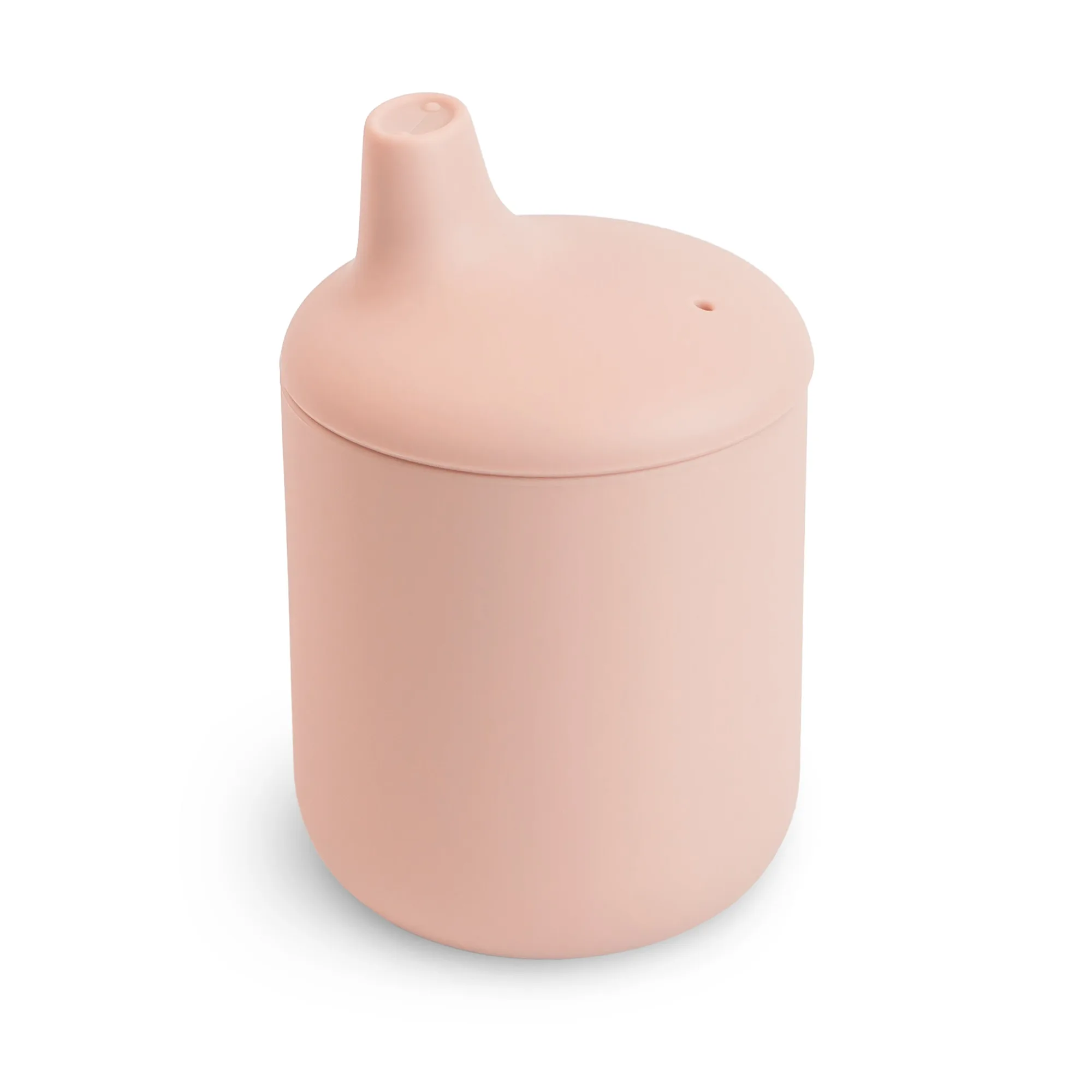
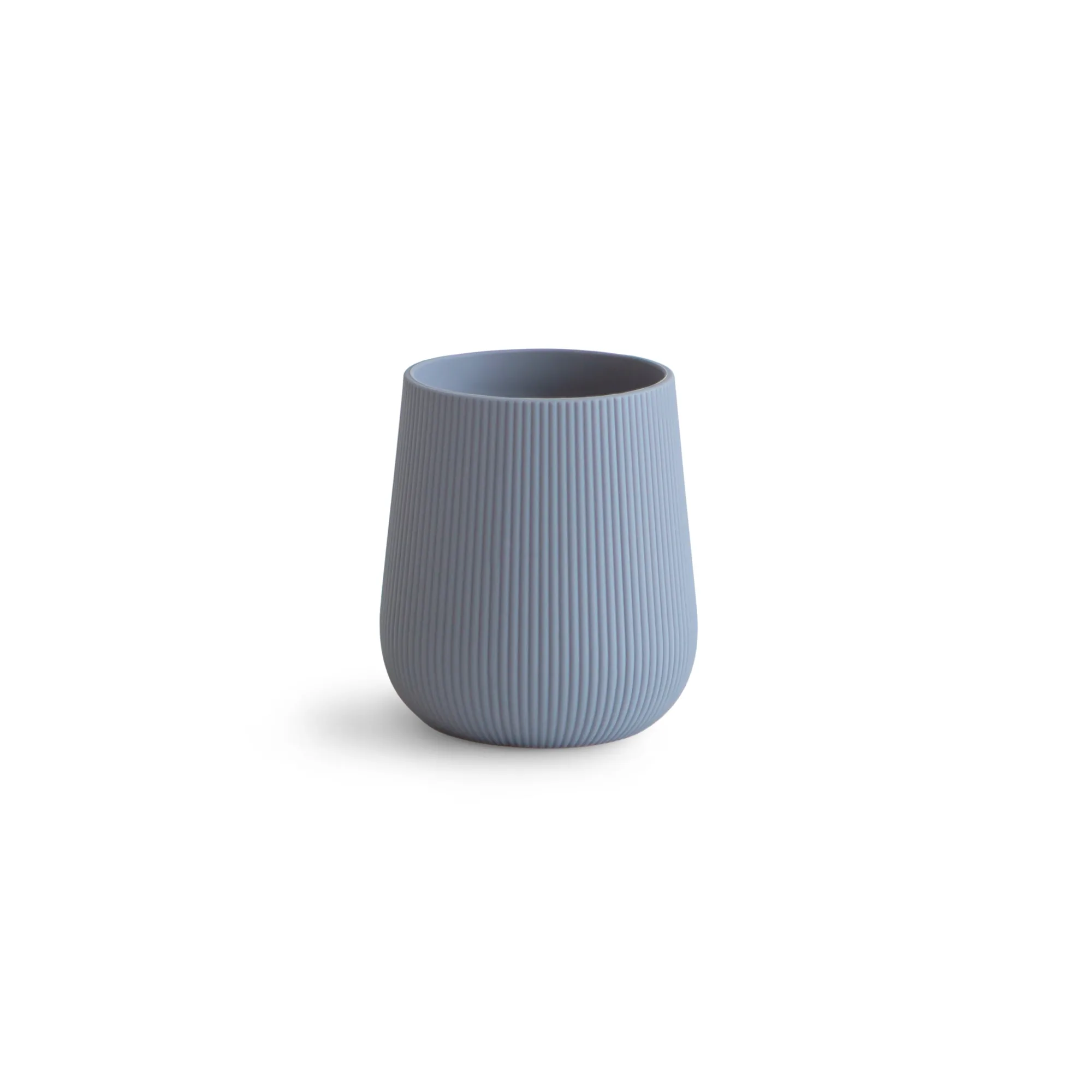
silicone sippy cup
In this comparison, we'll break down the pros and cons of silicone sippy cups and straw cups, focusing on dental health, ease of use, and practical considerations. We'll also highlight some Mushie products that can support your toddler's drinking journey.
How Sippy Cups Affect Dental Health
Traditional sippy cups, especially those with hard spouts, can encourage a tongue-thrust pattern and may contribute to dental issues like misalignment and tooth decay if used for extended periods. The constant sipping from a spout can bathe teeth in sugary liquids, increasing the risk of cavities. Additionally, the sucking motion can affect the development of the palate and jaw.
Silicone sippy cups, like those from Mushie, offer a softer spout that is gentler on gums and emerging teeth. However, the fundamental issue remains: any cup that requires sucking and allows liquid to pool in the mouth can be problematic for dental health if used excessively. It's important to use sippy cups as a transition tool, not a long-term solution.
- Limit sippy cup use to meal times and avoid letting your toddler carry it around all day.
- Encourage your toddler to switch to an open cup or straw cup as soon as they are ready.
Why Straw Cups Are Often Recommended by Dentists
Straw cups are frequently recommended by pediatric dentists because they promote a more natural oral posture. Drinking from a straw requires the tongue to be in a more forward position, which can help prevent tongue thrust and encourage proper swallowing patterns. This can reduce the risk of dental malocclusion and other oral issues.
Additionally, straw cups minimize the contact of sugary liquids with the front teeth, as the liquid is directed more toward the back of the mouth. This can lower the risk of cavities, especially in the front teeth. Straw cups also help develop the muscles used for speech and eating, making them a great choice for toddlers who are ready to transition from bottles or sippy cups.
- Look for straw cups with a weighted straw or a valve to reduce spills.
- Choose a straw cup with a soft silicone straw to be gentle on your toddler's teeth and gums.
Comparing Silicone Sippy Cups and Straw Cups: Key Differences
Silicone sippy cups are typically easier for younger toddlers to hold and use, as they have two handles and a spout that requires less oral coordination. They are also spill-resistant, making them convenient for on-the-go use. However, they may not be the best for dental health if used for prolonged periods.
Straw cups, on the other hand, require more advanced oral motor skills, but they offer better dental benefits. They are also convenient and often come with spill-proof features. The trade-off is that some toddlers may take longer to master straw drinking, and not all straw cups are equally easy to clean.
- Consider your toddler's age and developmental stage when choosing between a sippy cup and a straw cup.
- If your toddler is under 12 months, a sippy cup may be easier to start with; after 12 months, encourage straw cup use.
Trade-Offs to Consider
- Dental Health Impact: Sippy cups may increase the risk of tooth decay and misalignment if used too long. Straw cups are generally better for dental health as they promote proper tongue posture and reduce liquid contact with teeth. If dental health is your top priority, choose a straw cup.
- Ease of Use: Sippy cups are easier for younger toddlers to use independently, with handles and a simple spout. Straw cups require more oral coordination and may take time for your toddler to master. For a younger toddler, start with a sippy cup; for an older toddler, encourage straw cup use.
- Transition to Open Cup: Sippy cups can be a stepping stone, but they may delay the transition to open cups. Straw cups can also be a transitional tool, but they are more similar to open cups in terms of oral motor skills. Use either as a stepping stone, but plan to introduce an open cup by age 2.
Mushie Products That Support Toddler Drinking
- Silicone Puree Pouch: Mushie puree pouches are 100% made of food-grade silicone and designed to make feeding littles convenient and mess-free. These durable, reusable pouches are perfect for purees, yogurt, or smoothies. Dishwasher and sterilization safe, they ensure easy cleaning and hygiene. While not a cup, this pouch can be a transitional tool for introducing straw-like drinking, as it requires a similar sucking motion, and its silicone material is safe for your toddler's teeth and gums.
- Silicone Watering Can: Made from soft, flexible silicone, this toy is perfect for gentle pouring, scooping, and splashing fun in the tub. Lightweight and easy to hold, this toy helps develop motor skills and adds a playful touch to water play. This bath toy encourages pouring and scooping, which can help develop the hand-eye coordination and motor skills your toddler needs for cup handling, making the transition to straw cups easier.
Which Cup Should You Choose?
Best for
- Toddlers who are ready to develop advanced oral motor skills and need a cup that supports dental health.
- Parents who want a cup that minimizes the risk of tooth decay and encourages proper tongue posture.
Not for
- Younger toddlers (under 12 months) who are not yet ready for straw drinking and need an easier transition from bottle.
- Parents who prefer a cup with handles and a spout for easy self-feeding.
Choosing between a silicone sippy cup and a straw cup for your toddler involves weighing dental health benefits against ease of use and developmental readiness. Straw cups are generally the better choice for dental health, but sippy cups can be a helpful transitional tool for younger toddlers. Consider your child's age, skills, and your priorities to make the best decision. And remember, regardless of the cup you choose, encourage open cup drinking as soon as your toddler is ready to support optimal dental development.