Choosing the right drinking cup for your toddler is a milestone that comes with many options. Among the most popular choices are silicone sippy cups and plastic sippy cups. Both have their advocates, but which one is truly safer and better for your little one? In this comprehensive comparison, we'll explore the key differences between silicone and plastic sippy cups, covering safety, durability, ease of cleaning, and environmental impact.
As a parent, you want a cup that is free from harmful chemicals, easy for tiny hands to hold, and simple to clean. Silicone sippy cups have gained popularity for their soft, flexible material and non-toxic properties, while plastic cups remain a staple due to their affordability and availability. By the end of this article, you'll have a clear understanding of which type of toddler drinking cup is the best fit for your family.
Material Safety: Silicone vs. Plastic
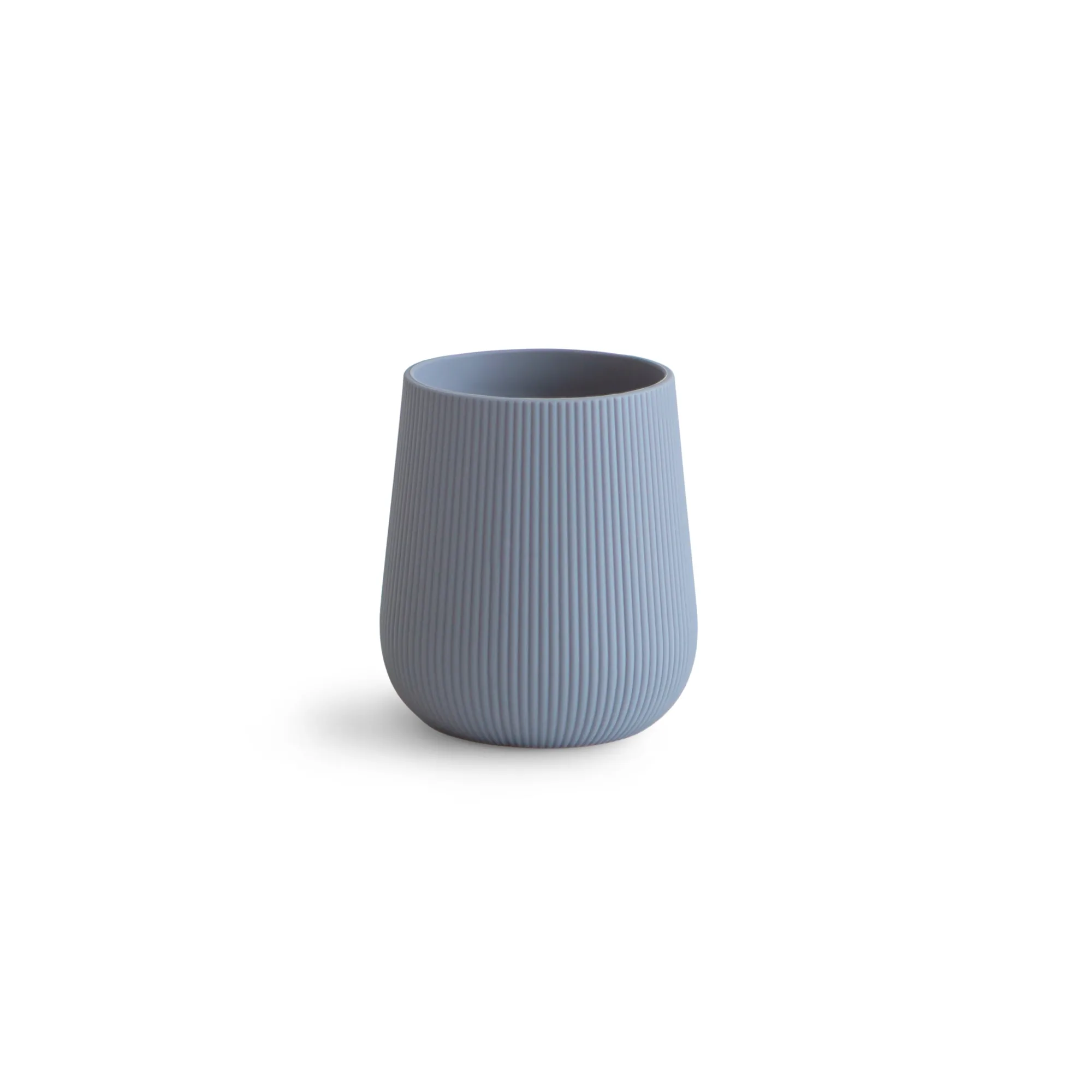
When it comes to your toddler's health, material safety is the top priority. Silicone sippy cups are made from food-grade silicone, which is free from BPA, BPS, phthalates, and other harmful chemicals. Silicone is inert, meaning it doesn't leach any substances into liquids, even when exposed to heat. This makes it an excellent choice for parents seeking a safe sippy cup that can withstand hot liquids or dishwasher cleaning without degrading.
Plastic sippy cups, on the other hand, vary widely in quality. Many are now labeled BPA-free, but some plastics may still contain other endocrine disruptors like BPS or phthalates. Additionally, plastic can scratch over time, creating tiny crevices where bacteria can hide. While some high-quality plastics are considered safe, the risk of chemical leaching increases with wear and tear or exposure to high temperatures. For parents who want absolute peace of mind, silicone is often the safer bet.
- Always look for food-grade silicone or BPA-free plastic certifications when shopping for a toddler drinking cup.
Durability and Longevity
Silicone sippy cups are known for their impressive durability. They are soft yet resilient, resistant to cracking, and won't break if dropped. This makes them ideal for toddlers who are still developing their motor skills and may throw or drop their cups frequently. Silicone also retains its shape over time, so the cup remains functional even after months of use.
Plastic sippy cups can be durable too, especially those made from polypropylene or Tritan. However, plastic is more prone to scratches, cracks, and warping when exposed to high heat or harsh detergents. Over time, plastic cups may develop a cloudy appearance or small cracks that compromise their safety. While plastic cups are often cheaper, they may need to be replaced more frequently than their silicone counterparts.
Ease of Cleaning and Hygiene
Cleaning a toddler's cup thoroughly is essential to prevent mold and bacteria growth. Silicone sippy cups have a non-porous surface that resists staining and odors. They are generally dishwasher-safe and can be boiled or sterilized without damage. Because silicone doesn't scratch easily, it stays hygienic for longer. Some silicone cups also feature simple designs with fewer parts, making them easier to clean by hand.
Plastic sippy cups can be cleaned in the dishwasher too, but they are more susceptible to scratches from abrasive sponges or utensils. These scratches can harbor bacteria and are difficult to clean effectively. Additionally, plastic cups with complex valve systems or small crevices may require more effort to disassemble and clean thoroughly. For parents concerned about hygiene, silicone offers a more straightforward and reliable cleaning experience.
- To keep any sippy cup clean, disassemble all parts and wash them in hot, soapy water or on the top rack of the dishwasher.
Environmental Impact
Eco-conscious parents often consider the environmental footprint of their purchases. Silicone is made from silica (sand) and is more durable than plastic, meaning it lasts longer and reduces waste. While silicone is not biodegradable, it is recyclable through specialized programs. Choosing a high-quality silicone sippy cup that lasts for years can be a more sustainable choice than buying multiple plastic cups over time.
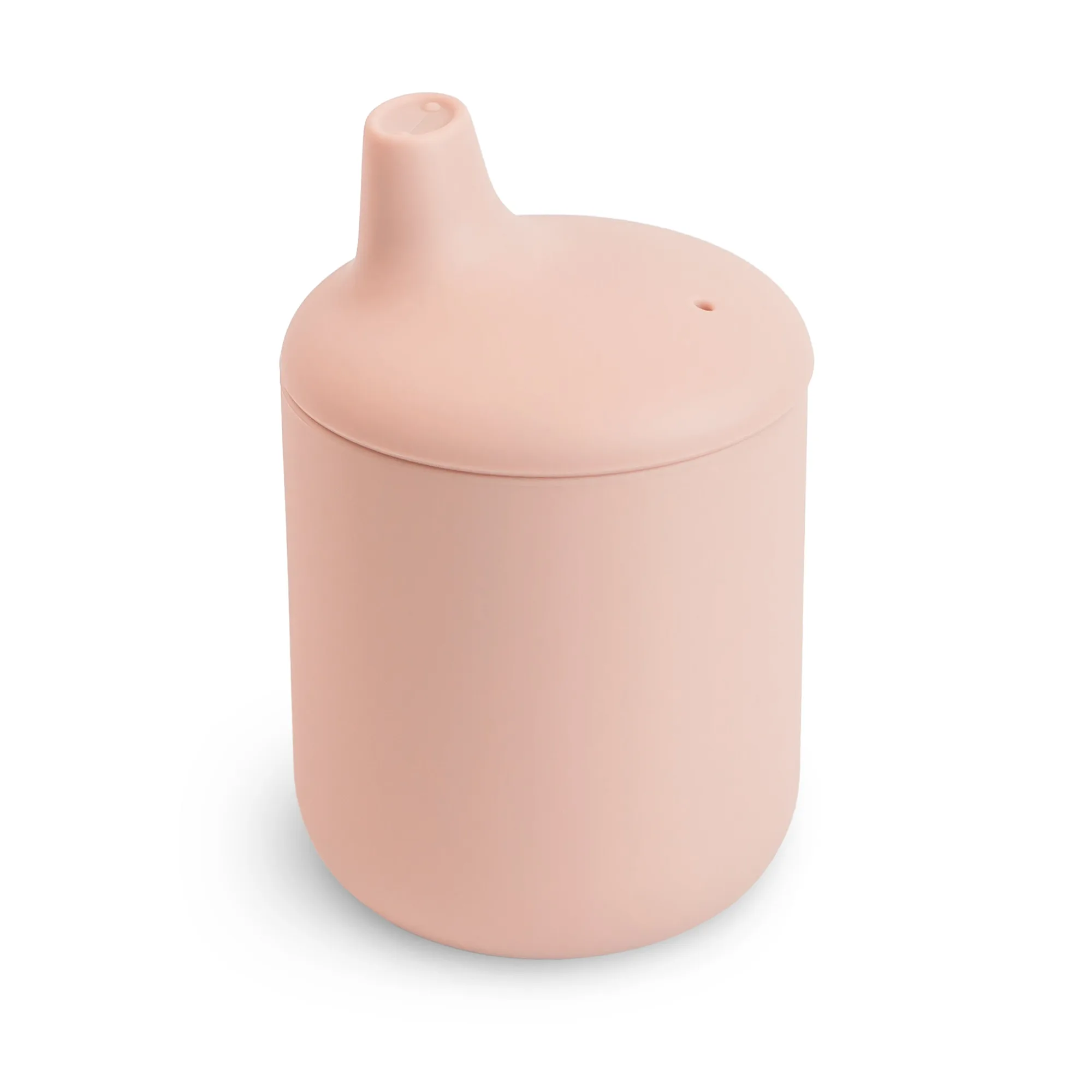
silicone sippy cup
Plastic is derived from petroleum and is a major contributor to environmental pollution. Many plastic cups are not recyclable due to their mixed materials or small size, and they often end up in landfills. Even recyclable plastics have a limited lifespan and degrade in quality after recycling. For parents looking to minimize their environmental impact, silicone sippy cups are generally the greener option.
Toddler-Friendly Design and Features
Silicone sippy cups are often designed with soft, flexible spouts that are gentle on developing gums and teeth. They are lightweight and easy for small hands to grip, with some models featuring ergonomic handles. The softness of silicone also reduces the risk of injury if a toddler falls while holding the cup. Additionally, silicone cups are available in a variety of fun colors and shapes that appeal to young children.
Plastic sippy cups come in many designs, including those with hard spouts, straws, or 360-degree drinking rims. They are generally more affordable and widely available. However, hard plastic spouts can be less forgiving on gums, and some toddlers may prefer the softer feel of silicone. Plastic cups are also more likely to contain small parts that can break off, posing a choking hazard. Ultimately, the best toddler drinking cup depends on your child's preferences and developmental stage.
- Look for cups with weighted straws or anti-spill valves to make the transition from bottle to cup easier for your toddler.
Cost and Value Comparison
Silicone sippy cups tend to be more expensive upfront than plastic cups. However, their durability and longevity often make them a better value over time. A single silicone cup can last through multiple children, while plastic cups may need to be replaced every few months. Investing in a high-quality silicone cup can save money in the long run.
Plastic sippy cups are budget-friendly and easy to find at most stores. They are a good option for families on a tight budget or those who need multiple cups for daycare or travel. However, the lower initial cost may be offset by the need for frequent replacements. When comparing cost per use, silicone often comes out ahead.
Top Features to Look for in a Safe Sippy Cup
Whether you choose silicone or plastic, there are key features to ensure your toddler's cup is safe and functional. Look for cups that are BPA-free, phthalate-free, and made from food-grade materials. A leak-proof design is essential to prevent messes, and easy-grip handles can help your child hold the cup independently. Cups with removable valves or straws are easier to clean and less likely to grow mold.
Also consider the weight of the cup. A lightweight cup is easier for a toddler to manage, while a heavier cup may be more stable. Some cups come with weighted straws that allow drinking from any angle, which is great for toddlers who are still learning. Finally, choose a cup that is dishwasher-safe for convenient cleaning. By prioritizing these features, you can find a safe sippy cup that meets your family's needs.
- Check for cups that are certified by organizations like the FDA or EN71 for added safety assurance.
When comparing silicone sippy cups vs. plastic, silicone emerges as the safer, more durable, and eco-friendly choice for toddler drinking. Its non-toxic nature, easy cleaning, and long lifespan make it a smart investment for your child's health and your peace of mind. For a reliable and safe option, check out the Finger Toothbrush to start your toddler's oral care journey, or explore our collection of feeding essentials designed with your little one's safety in mind.
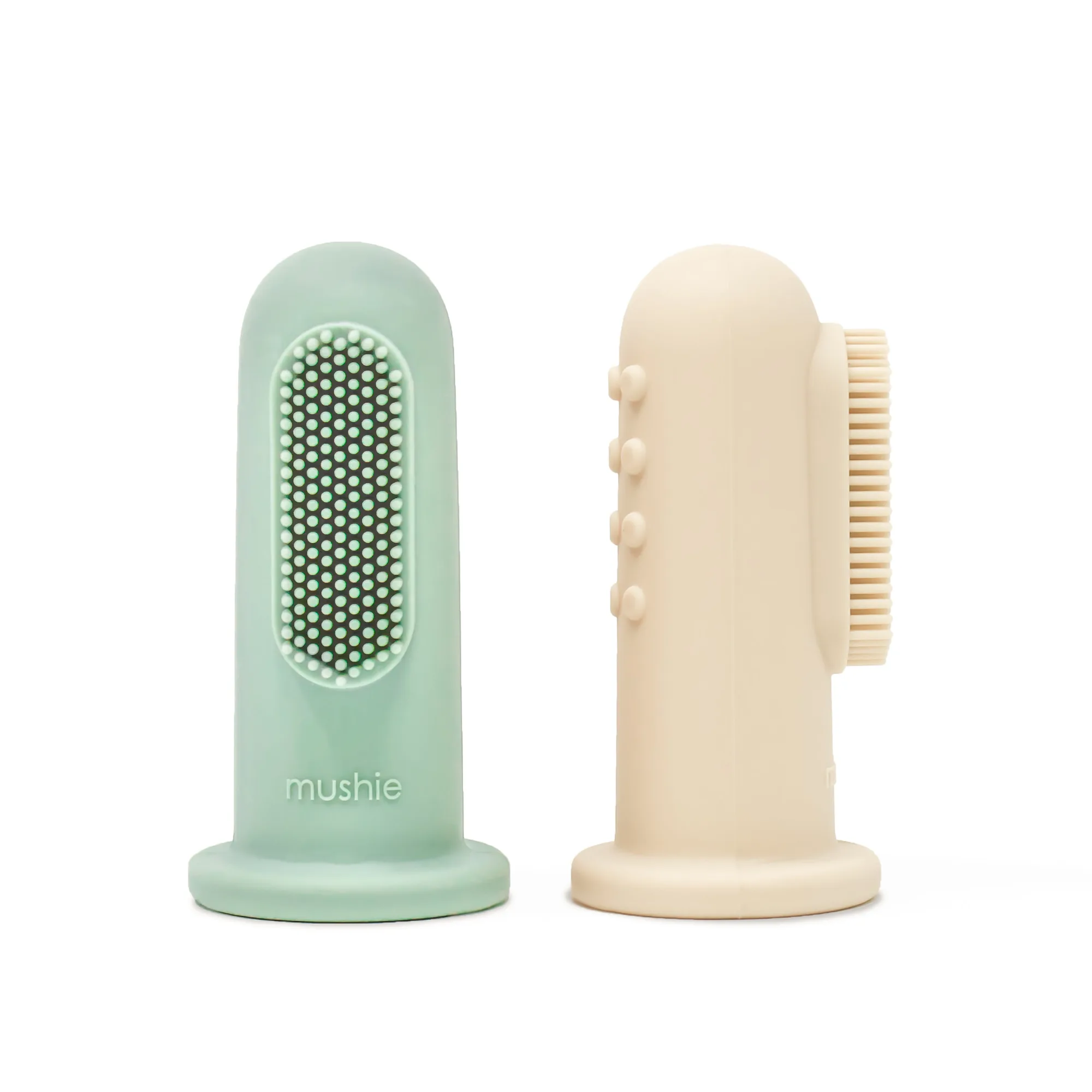
Finger Toothbrush