Quick answer
A silicone slap band works best as a wearable, on-demand source of calming tactile input for kids who need pressure or a snap sensation to refocus. Choose one with a smooth edge, a snug-but-not-tight fit on the wrist, and a colour your child will actually wear. If your child needs deep-pressure input across the body instead, a Lycra resistance band is the better tool.
What a silicone slap band actually does
A silicone slap band is a coiled strip that snaps flat around the wrist when you slap it against your arm. The appeal is the combination of a satisfying snap, gentle pressure, and a tactile surface that can be rubbed or squeezed. Unlike a fidget toy that lives in a pocket, a slap band stays on the body, so the input is available without a trip to a bag or desk.
This makes it a practical option for transitions, waiting times, and classroom settings where a handheld fidget might roll away or draw attention. The band is not a treatment or a cure; it is a regulation tool. Its value depends on whether your child seeks wrist-level tactile input and will tolerate wearing something on the arm.
Fit and wear: how to get it right
A slap band should sit flat against the skin without leaving deep marks or restricting movement. When it is on, you should be able to slide one finger under the edge. If the band twists, gaps, or slides down the hand during use, it is too loose; if it leaves a red indent that lasts more than a few minutes, it is too tight.
For growing children, check the fit every few weeks. Wrist circumference changes quickly, and a band that was comfortable last term may become too snug. Many slap bands are one-size, so if your child is between sizes, size up and use a shorter wear period rather than forcing a tight fit. If a band is only available in one size and your child's wrist is very small or very large, that is a genuine limitation to weigh before buying.
Safety checks before and during use
Inspect the band before each wear. Look for cracks, tears, or a weakened coil that no longer snaps flat. A damaged band can pinch or break during a snap, so replace it rather than trying to repair it. Silicone is generally durable, but repeated stretching and chewing will shorten its life.
Supervise younger children, especially those who mouth objects. A slap band is not a chew tool, and small pieces could pose a choking risk if the band breaks. For kids who need oral input, pair the band with a dedicated chew item rather than letting them chew the band. Remove the band during rough play, swimming, or sleep unless a therapist has advised otherwise.
Slap band vs. other tactile wearables
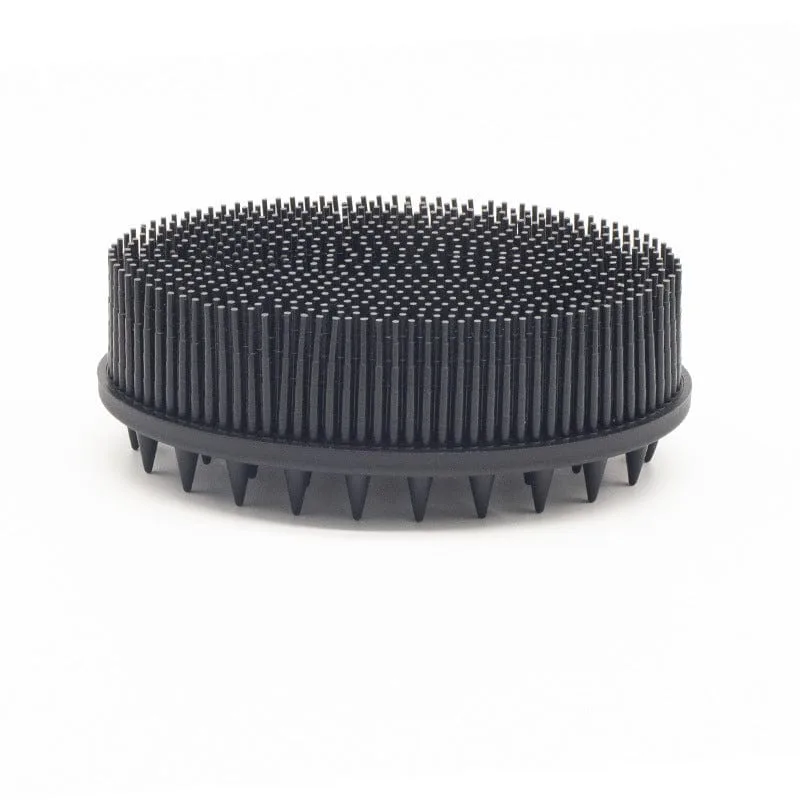
Slap bands are not the only wearable option. A Tactile Sensory Brush is a handheld tool for structured tactile input, often used in therapy routines and transitions. It offers a different kind of sensation and is not worn on the wrist, so it suits kids who need brushing rather than pressure. A Lycra Stretchy Resistance Band provides deep-pressure and proprioceptive input across larger body areas, which is a different job from a wrist band.
If your child seeks whole-body pressure, a slap band alone may not be enough. If your child needs a quiet, portable fidget that stays on the body, a slap band is a strong fit. If your child needs oral input, look at the Chew & Oral Sensory category instead.
Choosing for school and public settings
For school, choose a band in a neutral or preferred colour and check whether the school allows jewellery or wearables. A band that looks like a bracelet is often less conspicuous than a traditional fidget, which can help kids who do not want to stand out. Keep a spare in the bag in case the band is lost or breaks.
If the band becomes a distraction or a toy to show friends, set a simple rule: the band stays on the wrist and is used quietly. If your child needs a foot-based outlet instead, an under-desk option such as a wobble foot cushion may be a better match for classroom focus.
Decision rules for buying a sensory slap band
- Rule 1: Match the input to the need: Choose a slap band if your child seeks wrist-level tactile input, pressure, or a snap sensation. Choose a Lycra resistance band if the need is deep pressure across the body, or a Tactile Sensory Brush if the need is structured brushing. Wrong tool, wrong result: match the sensation first.
- Rule 2: Fit beats fashion: The band should sit flat, allow one finger under the edge, and leave no lasting red mark. If it twists or slides, it is too loose; if it indents, it is too tight. Check fit every few weeks for growing children. A poorly fitted band will be rejected or uncomfortable.
- Rule 3: Safety is non-negotiable: Inspect for cracks or a weakened coil before each wear. Replace damaged bands. Supervise younger children and keep the band away from mouths. Remove for rough play, swimming, and sleep unless advised otherwise. Replace, don't repair, and supervise mouthing.
- Rule 4: Plan for school rules and spares: Check whether wearables are allowed. Choose a colour your child will wear. Pack a spare in case of loss or breakage. Set a quiet-use rule so the band stays a regulation tool, not a toy. A spare band prevents a bad day after a break.
Product facts to compare
- Silicone Slap Band: Silicone Slap Band: calming tactile support for all ages, with a satisfying snap and gentle pressure to help ease anxiety and improve focus. This is the core wearable option for wrist-level tactile input. The snap and pressure are the features to evaluate against your child's sensory preferences.
- Lycra Stretchy Resistance Bands: Lycra Stretchy Resistance Bands are designed to provide deep-pressure input and sensory support, helping improve proprioceptive and vestibular stimulation. If your child needs whole-body deep pressure rather than a wrist band, this is the more appropriate tool. It addresses a different sensory need.
- Tactile Sensory Brush: Tactile Sensory Brush: a lightweight, dual-sided brush that helps regulate the nervous system, promote calm, and improve focus, for transitions, therapy routines, or managing sensory overload. A handheld alternative for structured tactile input. Choose this over a slap band when the goal is brushing or therapy-led routines, not wearable pressure.
Fit guidance: who this is for
Best for
- Children and teens who seek wrist-level tactile input or pressure
- Classroom or travel situations where a wearable fidget is less conspicuous
- Kids who will tolerate a bracelet-like item on the arm
Not for
- Children who need whole-body deep pressure (consider Lycra resistance bands)
- Children who need oral input (consider chew tools)
- Children who will not wear anything on the wrist or who mouth non-chew objects