Quick answer
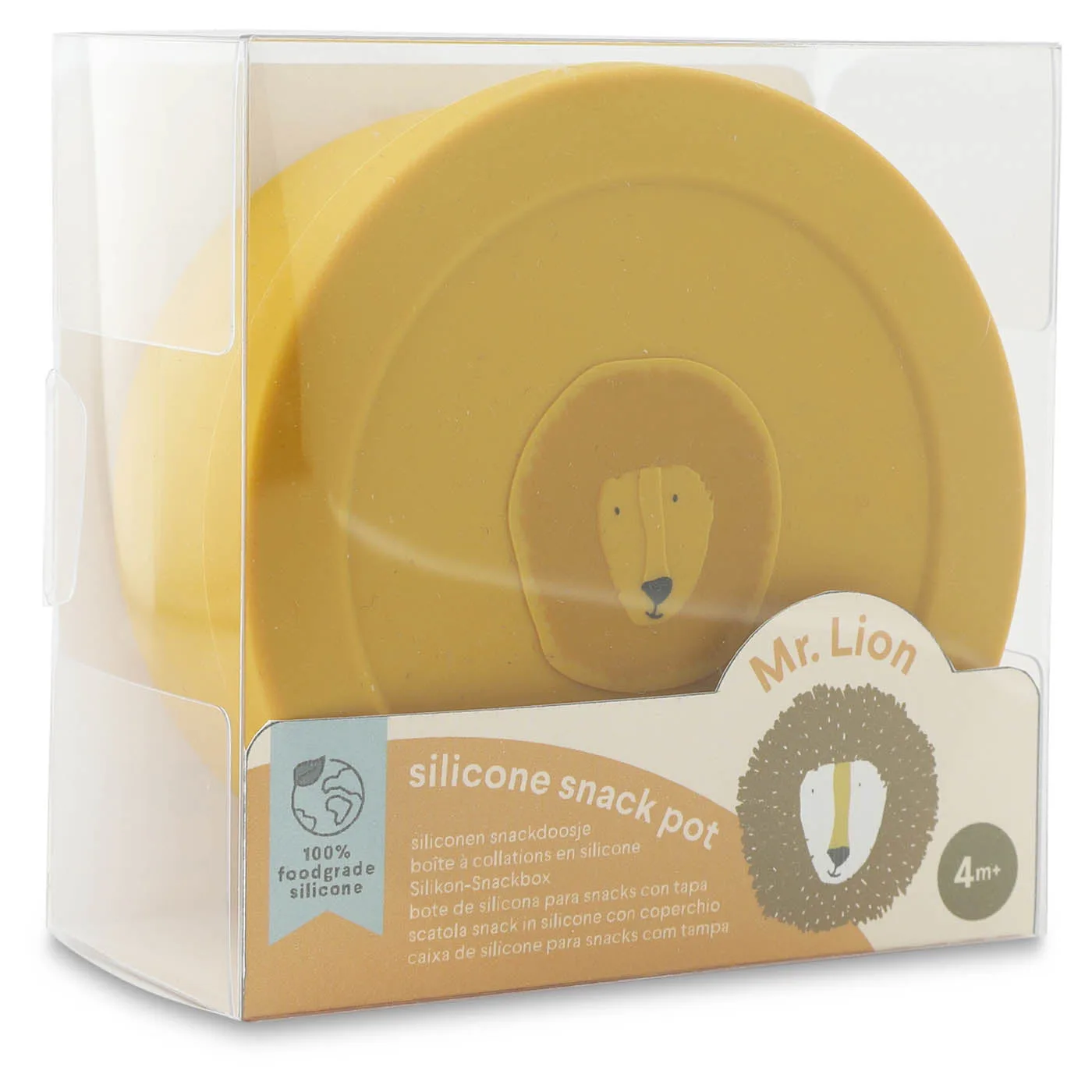
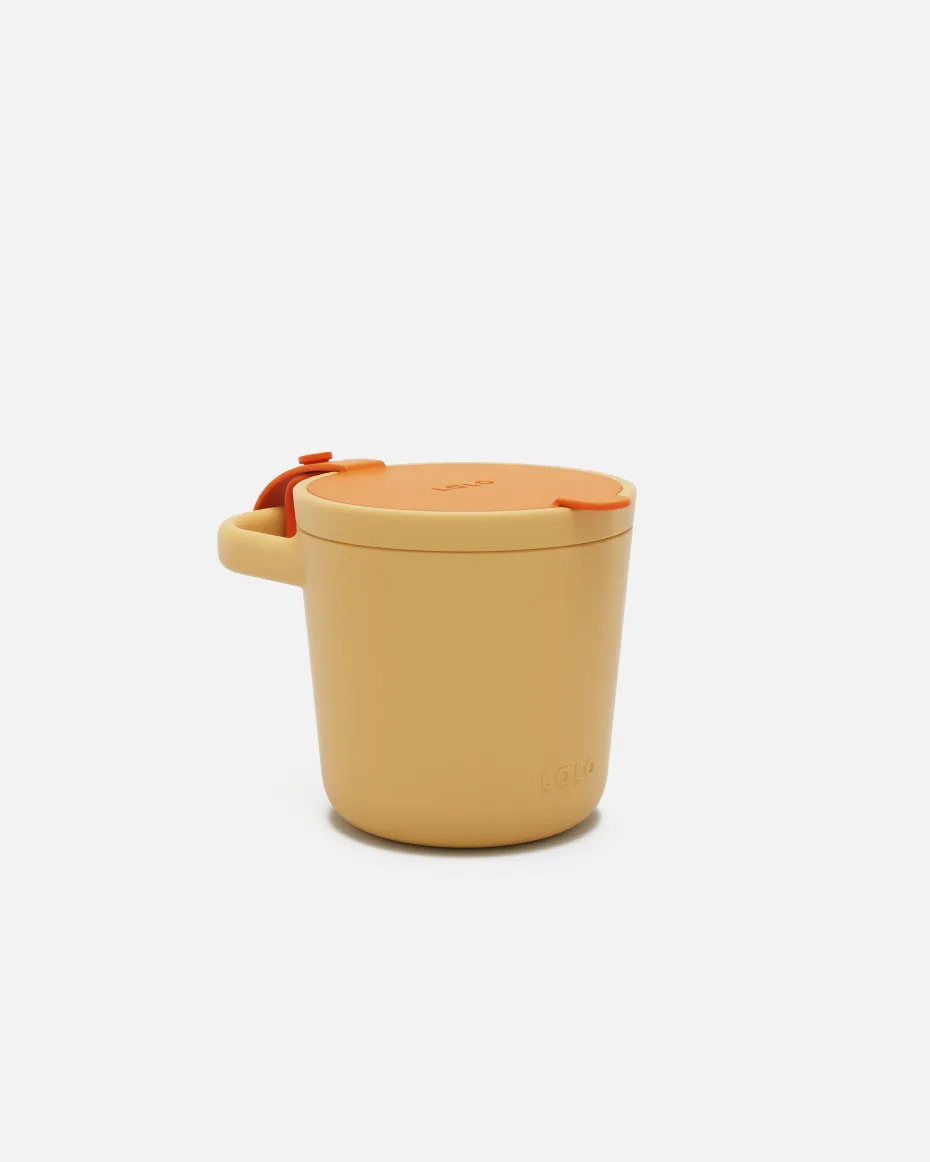
If your toddler needs a grab-and-go snack container for dry foods like puffs or crackers, a silicone snack cup with a lid is the better choice. For wet or messy snacks like yogurt drops or diced fruit, a snack pot with a lid offers better spill protection and portion control.
What to look for in a toddler snack container
When choosing between a silicone snack cup and a snack pot with lid, consider your child's eating stage and your daily routine. A snack cup with a lid typically has a wide opening and a soft, flexible body that little hands can squeeze. A snack pot with a lid usually has a more rigid design and a secure screw-on or snap-on lid that keeps contents inside until your child is ready to eat. Both types help reduce mess, but they serve slightly different purposes.
Trade-offs at a glance
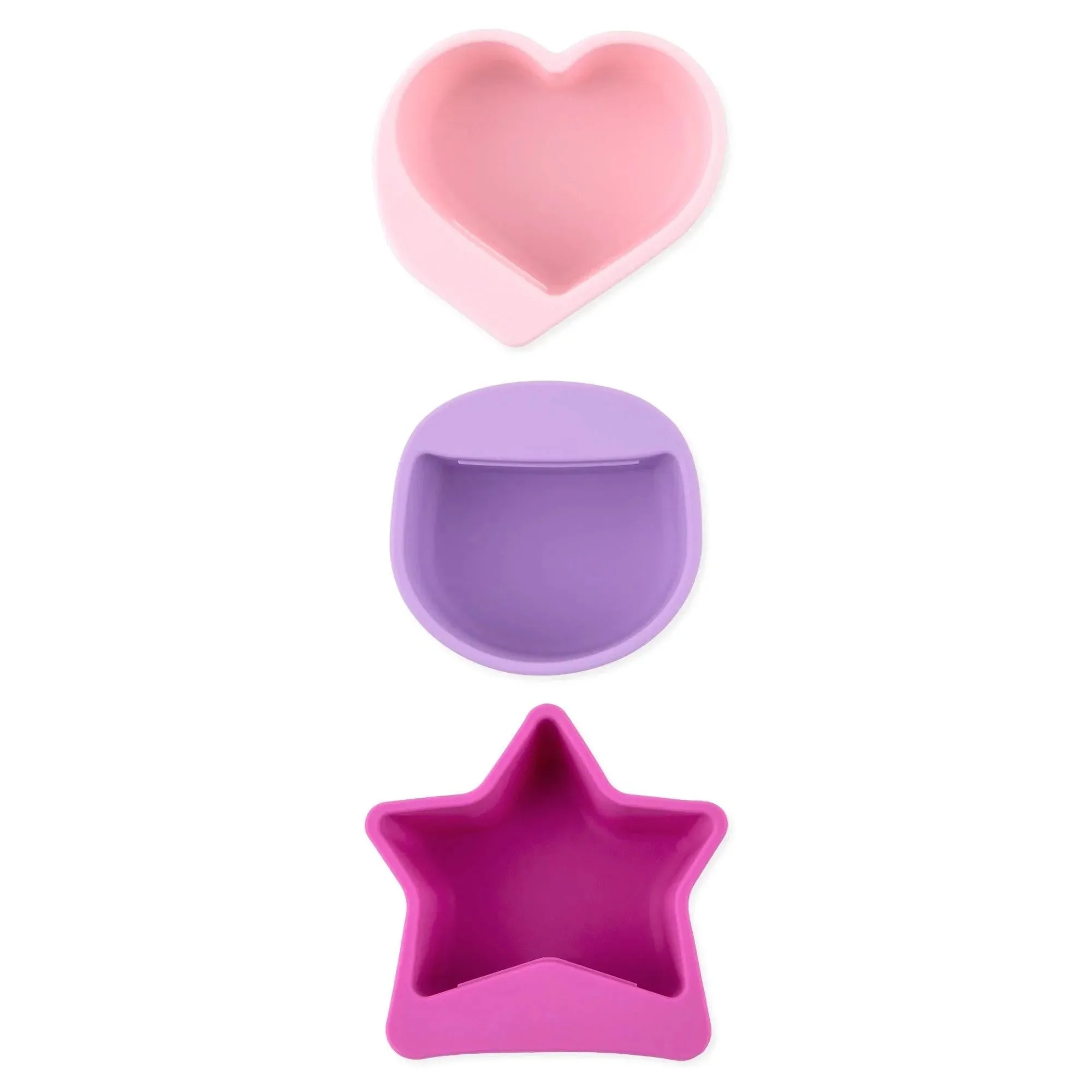
- Silicone snack cup with lid: Typically soft, squeezable, and easy for small hands to hold. The lid often flips open or twists off, giving access to dry snacks. Some designs include a spout or straw for liquids. Best for dry, non-messy snacks when you need quick access and easy cleaning.
- Snack pot with lid: Usually rigid, with a secure screw-on or snap-on lid that keeps wet or sticky snacks contained. The smaller opening helps control portions and reduces spills during travel. Best for wet or messy snacks when spill prevention is your top priority.
- Material and safety: Both types are commonly made from food-grade silicone or BPA-free plastic. Silicone is softer, more flexible, and often dishwasher-safe. Plastic pots are more durable and may last longer with rough handling. Choose silicone for gentler teething mouths; choose plastic for older toddlers who throw or drop containers.
Product facts
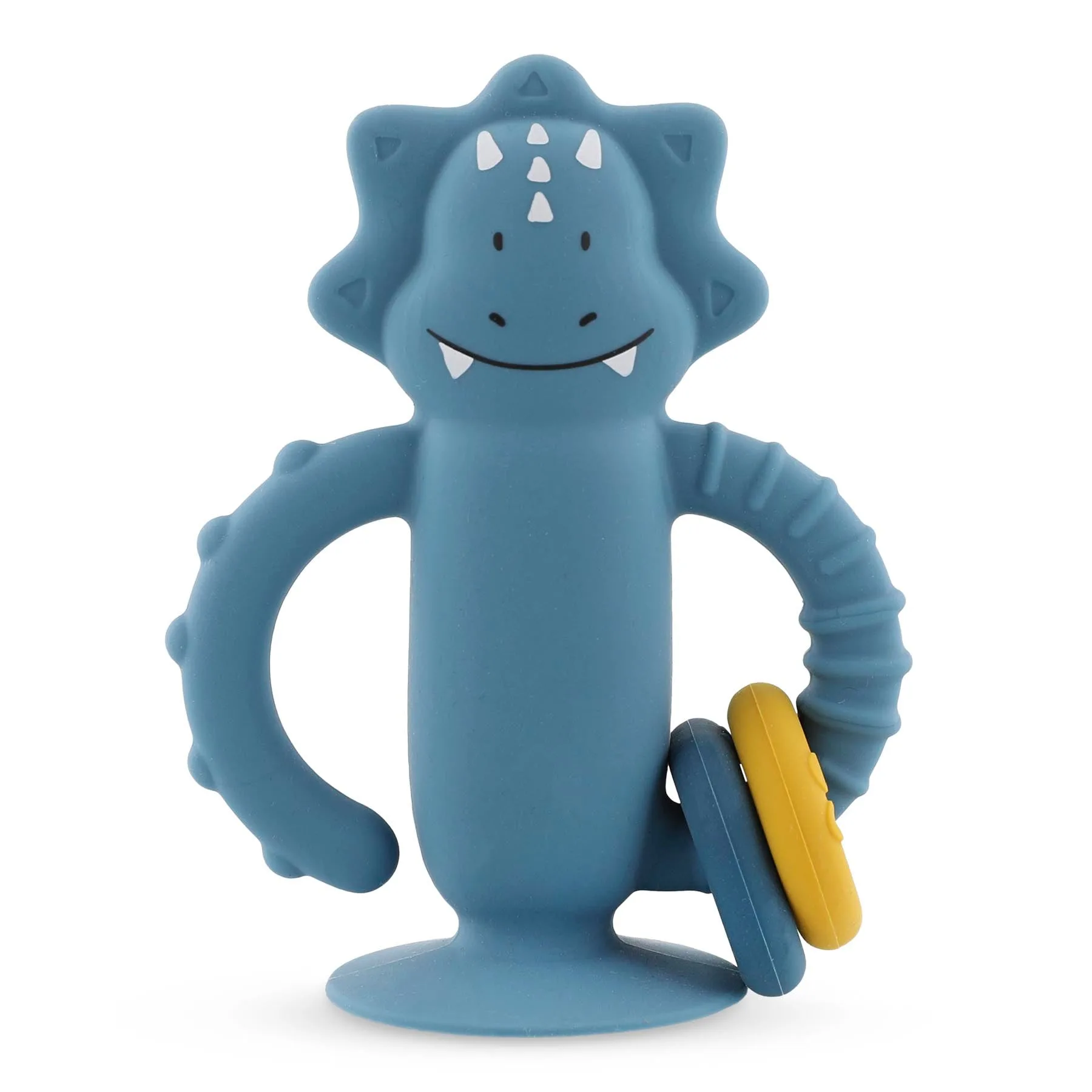
- Silicone sensory suction toy - Mr. Triceratops: This sensory activity toy for babies turns every surface into a little play zone. Stick it to a table or high-chair and it's ready to spark fun wherever you are. Little ones love pressing the soft tummy, sliding the colourful rings and exploring the flappy animal details. Each push and pull helps develop fine motor skills and sensory awareness, while the 100% food-grade silicone is safe for teething and easy to… While not a snack container, this silicone suction toy shows how versatile silicone can be for mealtime play. If your child tends to drop or throw their snack cup, a suction-based toy like this can keep the fun in place.
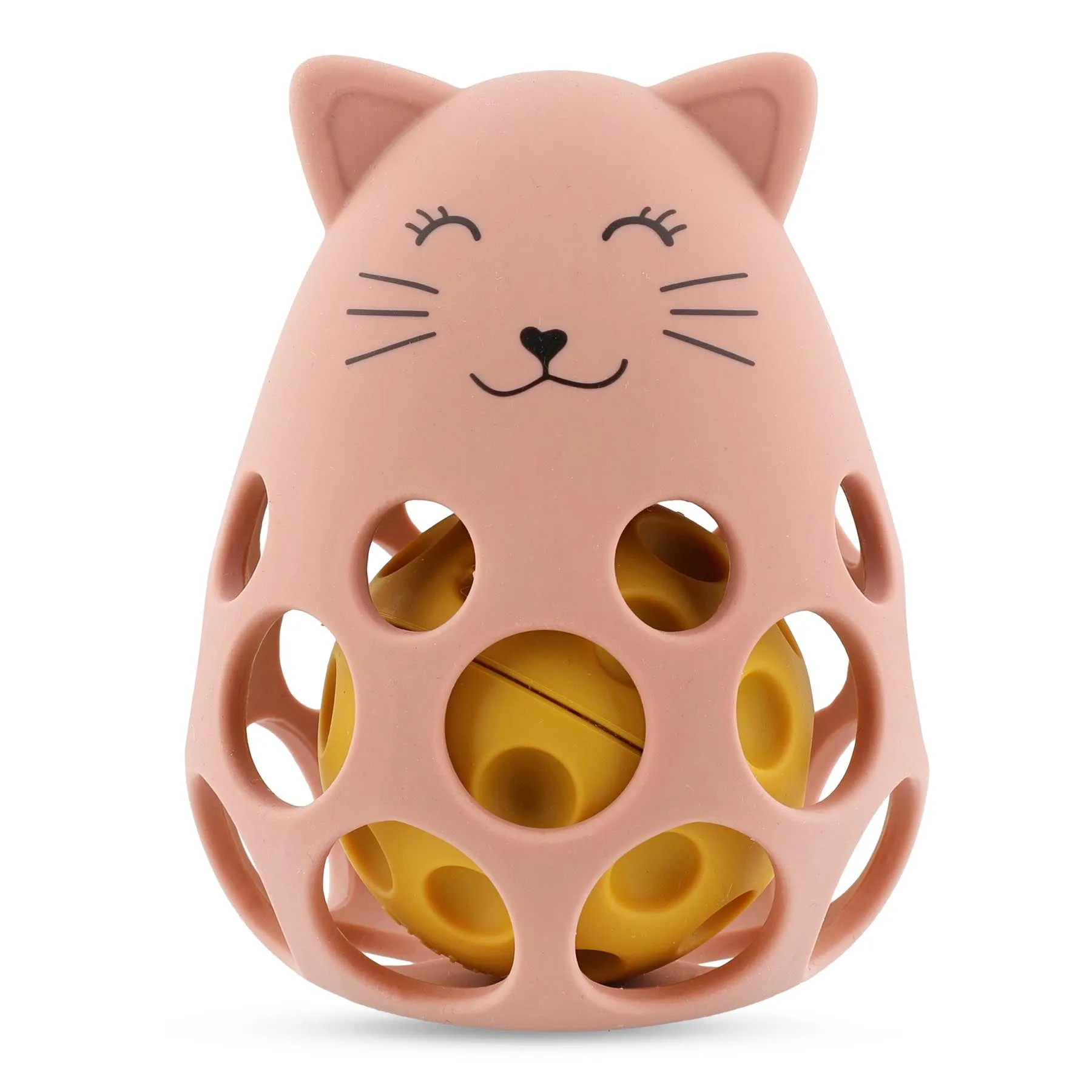
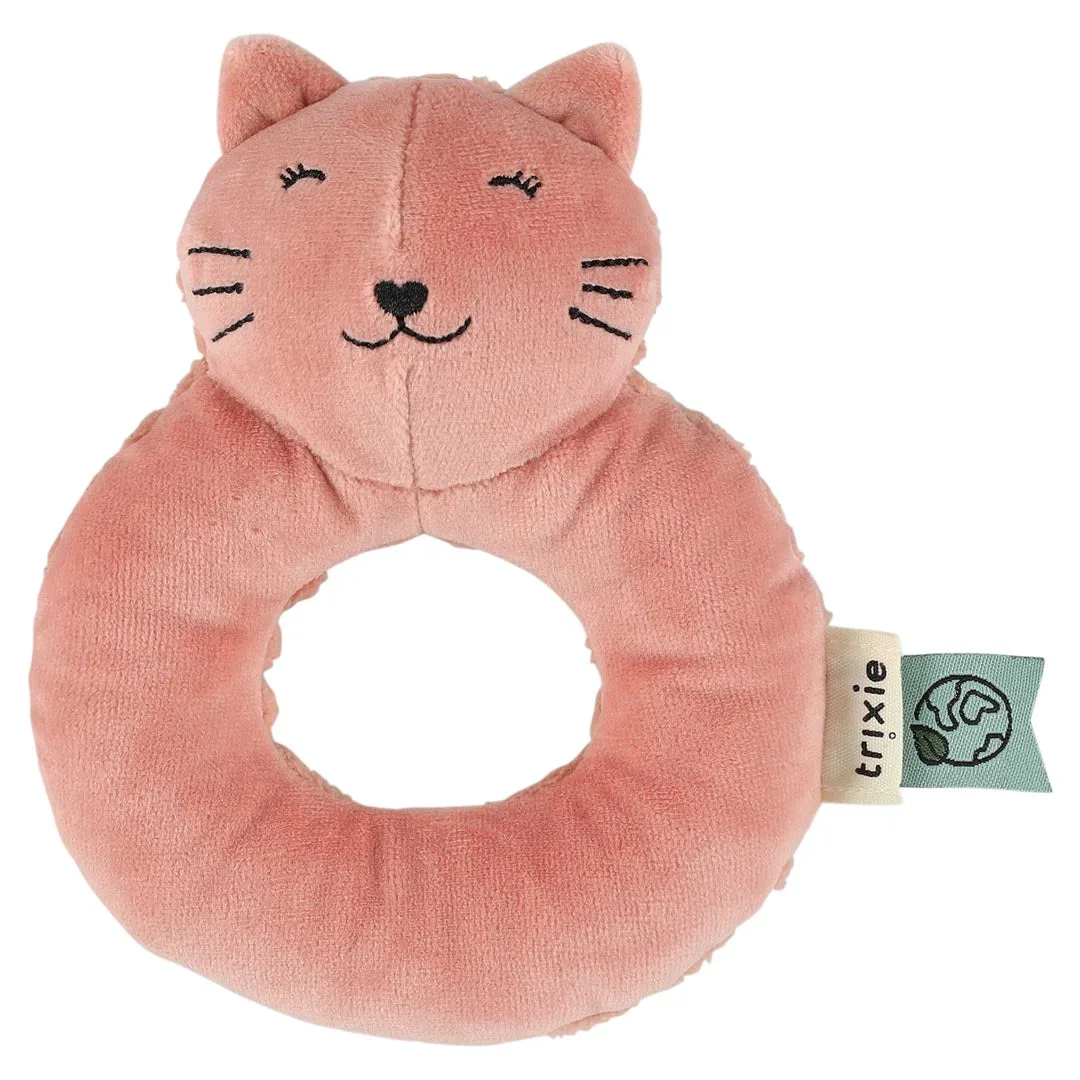
- Silicone sensory rattle - Mrs. Cat: From the first shake, this silicone sensory rattle captures your baby’s attention with sound, movement and texture. Shaped like one of our animal friends, it’s easy for little hands to grab and hold. The ball in its tummy makes a soft rattle sound with every wiggle and shake. Flappy details and gentle textures invite sensory play and help build gripping strength and fine motor skills. Made from 100% food-grade… This rattle demonstrates how silicone products can engage a baby's senses. A snack cup made from similar food-grade silicone would offer the same safe, chewable material for teething toddlers.
Which should you choose?
Best for
- Parents of younger toddlers (12–18 months) who need a soft, easy-to-hold snack cup for dry foods like cereal or puffs
- Families who want a snack container that doubles as a teether or sensory toy
Not for
- Wet or sticky snacks like yogurt drops, diced fruit, or applesauce – a snack pot with a lid will contain messes better
- Older toddlers (18+ months) who can handle a more rigid container with a secure lid for on-the-go snacking