Quick answer
For most toddlers just transitioning from a bottle, start with a 4 oz silicone straw cup with a lid. It is lighter, easier to grip, and less messy while your child builds oral strength and coordination. Move to an 8 oz cup when your toddler consistently finishes 4 oz in one sitting and can hold a cup with one hand without tipping it. If you want one set that covers both stages, choose a set that includes both sizes.
Why straw cup size matters more than you think
A cup that is too large for your toddler's hands leads to drops, spills, and frustration. A cup that is too small means constant refills and a toddler who never quite gets enough to drink. The right size matches your child's hand strength, mouth control, and typical appetite at that stage. The 4 oz and 8 oz silicone straw cups from WeeSprout are designed to address these two distinct stages, with a curved straw and open valve that support proper jaw alignment and oral strength according to speech pathologist recommendations.
4 oz vs 8 oz: key trade-offs at a glance
The 4 oz cup is lighter and shorter, making it easier for small hands to hold and less likely to tip over. It is ideal for water or small milk servings between meals. The 8 oz cup holds more liquid, so you refill less often, but it is heavier when full and can be harder for a toddler to manage without spilling. Both sizes come with lids and a curved straw designed for oral development. Neither size is inherently better—your choice depends on your child's current drinking volume and motor skills.
When to choose the 4 oz cup
Choose the 4 oz size if your toddler is under 18 months, still working on a consistent straw suck, or tends to drop or throw cups. The smaller volume also helps you monitor intake and reduces waste if your child only takes a few sips. It is a good size for water with meals and for travel because it fits most stroller cup holders and small hands.
When to choose the 8 oz cup
Choose the 8 oz size if your toddler is over 18 months, drinks a full 4 oz quickly, and can hold a cup with one hand without tipping. The larger capacity is convenient for longer outings, daycare, or when your child is drinking more milk or water per sitting. Keep in mind that an 8 oz cup full of liquid weighs more, so your toddler may need to use two hands at first.
How to transition from bottle to straw cup
Start by offering the straw cup with a small amount of liquid at a familiar time, like snack time. Let your toddler explore the straw without pressure. The open valve in WeeSprout cups means liquid flows when your child sucks, which helps them learn the cause-and-effect of drinking. If your child resists, try a different liquid or use the cup during play. Most toddlers need a few weeks of repeated exposure before they accept a new cup. For more mealtime support, consider products like the WeeSprout Baby Food Feeders with Freezer Tray (product ID 801244) to encourage self-feeding and hand-to-mouth coordination alongside cup practice.
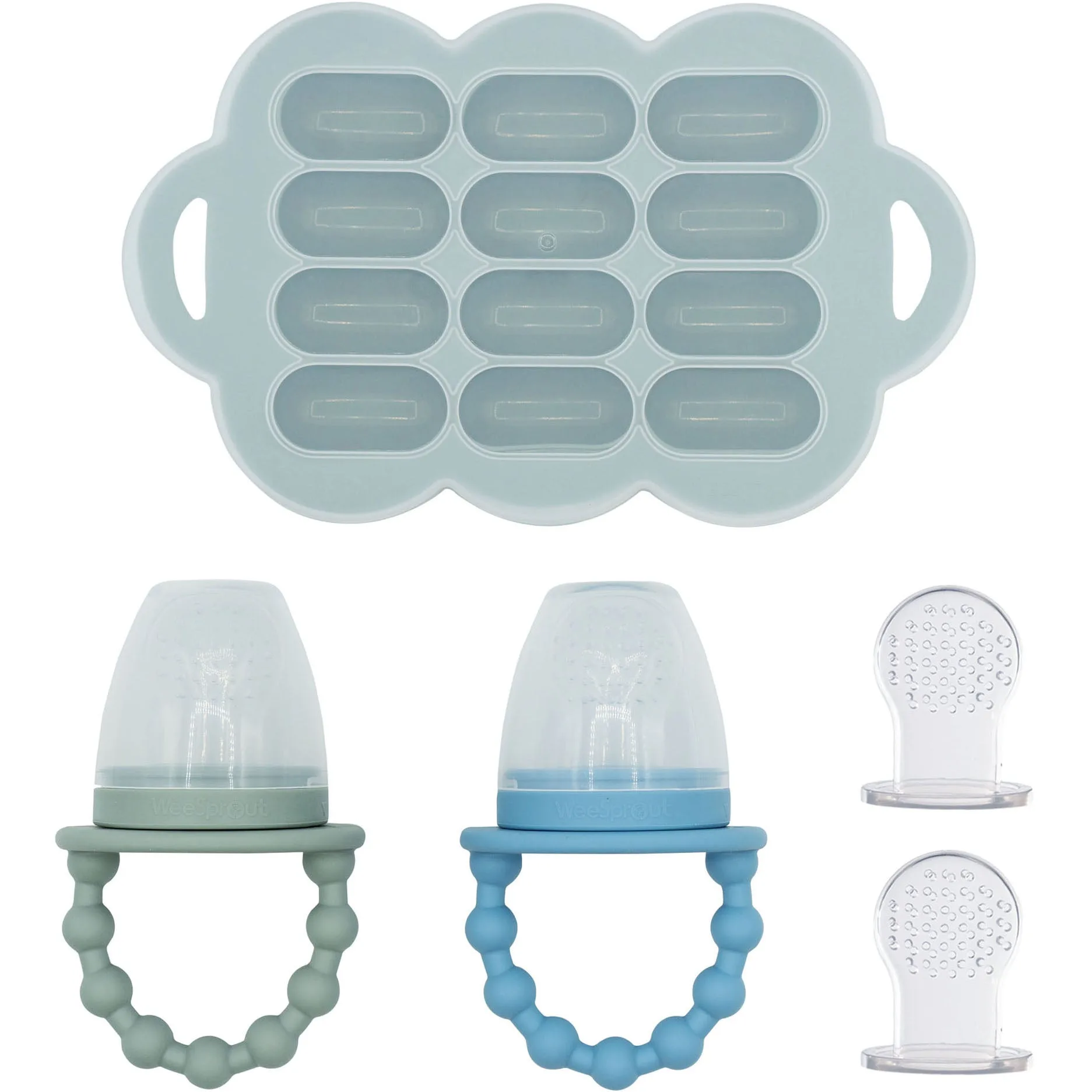
Baby Food Feeders with Freezer Tray
Cleaning and care for silicone straw cups
Silicone straw cups are generally dishwasher safe on the top rack, but check the manufacturer's instructions. The straw and lid should be cleaned thoroughly to prevent buildup. A small straw brush helps. Silicone can retain odors if not washed promptly, so rinse soon after use. Avoid using harsh scouring pads that can scratch the silicone.
Decision rules for choosing your straw cup size
- If your toddler is under 18 months or still mastering the straw: Start with the 4 oz size. It is lighter, easier to hold, and less overwhelming. The smaller volume also means less mess if your child tips it over. Choose 4 oz for beginners.
- If your toddler drinks 4 oz quickly and wants more: Move to the 8 oz size. It holds more liquid so you refill less often, which is helpful for meals and outings. Expect a short adjustment period as your child gets used to the extra weight. Size up when 4 oz is consistently finished.
- If you want to avoid buying twice: Buy a set that includes both 4 oz and 8 oz cups. This lets you test which size your child prefers and gives you a backup for different situations like travel or daycare. A mixed set covers all stages.
- If your toddler throws or drops cups frequently: Stick with the 4 oz size and consider using a suction base or a cup with a handle. The 8 oz cup is heavier and may cause more spills if thrown. Prioritize lightweight and durable for throwers.
Product facts
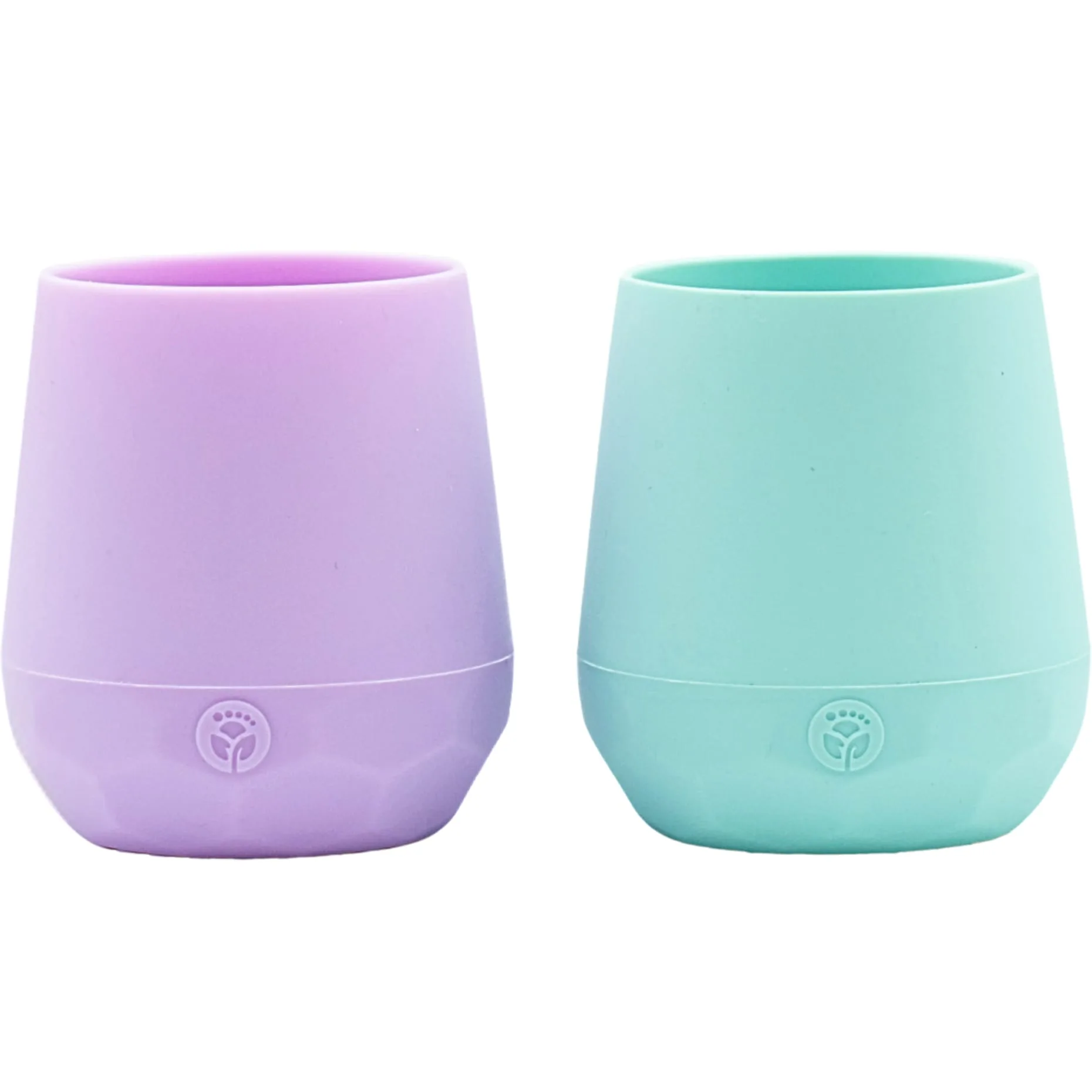
- Silicone Straw Cups with Lids – 4 oz or 8 oz (Set of 2): Silicone Straw Cups with Lids – 4 oz or 8 oz (Set of 2) feature a curved straw with an open valve, designed based on recommendations from speech pathologists and developmental experts to promote proper jaw alignment and oral strength. The open valve means your toddler doesn't have to bite or suck hard to get liquid, which makes learning to drink from a straw easier and supports oral development.
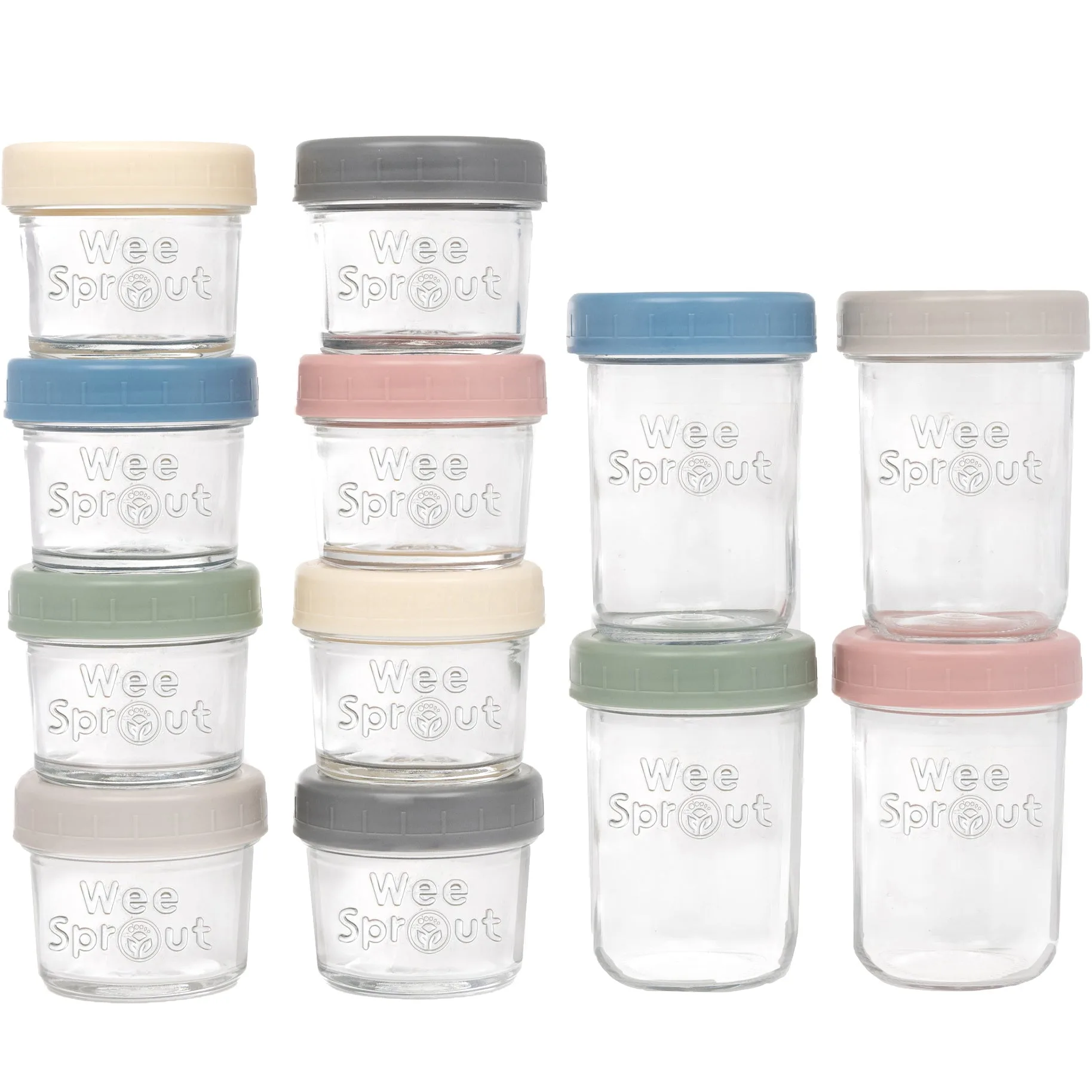
- Glass Baby Food Storage Jars with Silicone Lids – 4 oz (Set of 12): Glass Baby Food Storage Jars with Silicone Lids – 4 oz (Set of 12) are designed for batch prepping and storing homemade baby food, with a 4 oz capacity that matches the small servings typical for babies and toddlers. If you prep purees or small meals, these jars let you store exactly the amount that fits a 4 oz straw cup, reducing waste and making it easy to thaw just what you need.
Is a silicone straw cup right for your toddler?
Best for
- Toddlers transitioning from bottles or sippy cups who need to build oral strength
- Parents looking for a lightweight, easy-to-clean cup that supports independent drinking
- Families who want a cup that can grow with their child from 4 oz to 8 oz servings
Not for
- Toddlers who are not yet able to sit up and drink with assistance
- Children who need a fully spill-proof cup for unsupervised use (no straw cup is completely spill-proof when tipped)
- Families looking for a cup that can be used in a car seat without any leakage risk