Baking a perfect tart—whether sweet or savory—often comes down to the pan you use. For decades, metal tart pans with removable bottoms have been the standard choice for bakers. But in recent years, flexible silicone tart forms have gained popularity for their non-stick convenience and easy release. If you’re torn between the two, this comparison will help you decide which bakeware suits your style and needs.
We’ll examine key factors like heat distribution, durability, ease of use, and cleanup. Along the way, we’ll highlight Tupperware’s silicone baking solutions and how they stack up against traditional metal pans. By the end, you’ll know exactly which pan to reach for next time you bake a quiche, fruit tart, or chocolate tart.
Heat Conductivity and Baking Results
Metal pans are renowned for their excellent heat conductivity. Aluminum and steel tart pans heat up quickly and evenly, promoting a crisp, golden crust. The rigid structure also helps the dough hold its shape during baking. For recipes that require a firm, flaky base—like classic French tarts—metal pans deliver consistent results.
Silicone, by contrast, is an insulator rather than a conductor. Silicone tart forms take slightly longer to heat up, and the crust may not brown as deeply or evenly as in metal. However, for recipes that benefit from a softer, less crispy base—such as no-bake cheesecakes or custard tarts—silicone can be ideal. Tupperware’s silicone forms are designed to distribute heat gently, preventing over-browning on delicate fillings.
- Tip: For a crisper crust with silicone, preheat the baking sheet and place the silicone form on it before adding the dough.
Ease of Release and Non-Stick Performance
One of the biggest advantages of silicone is its natural non-stick surface. Even without greasing, most baked goods release effortlessly from a silicone tart form. This is a game-changer for intricate tart designs or sticky fillings. Traditional metal pans, even those labeled non-stick, often require thorough greasing and careful removal to avoid breaking the crust.
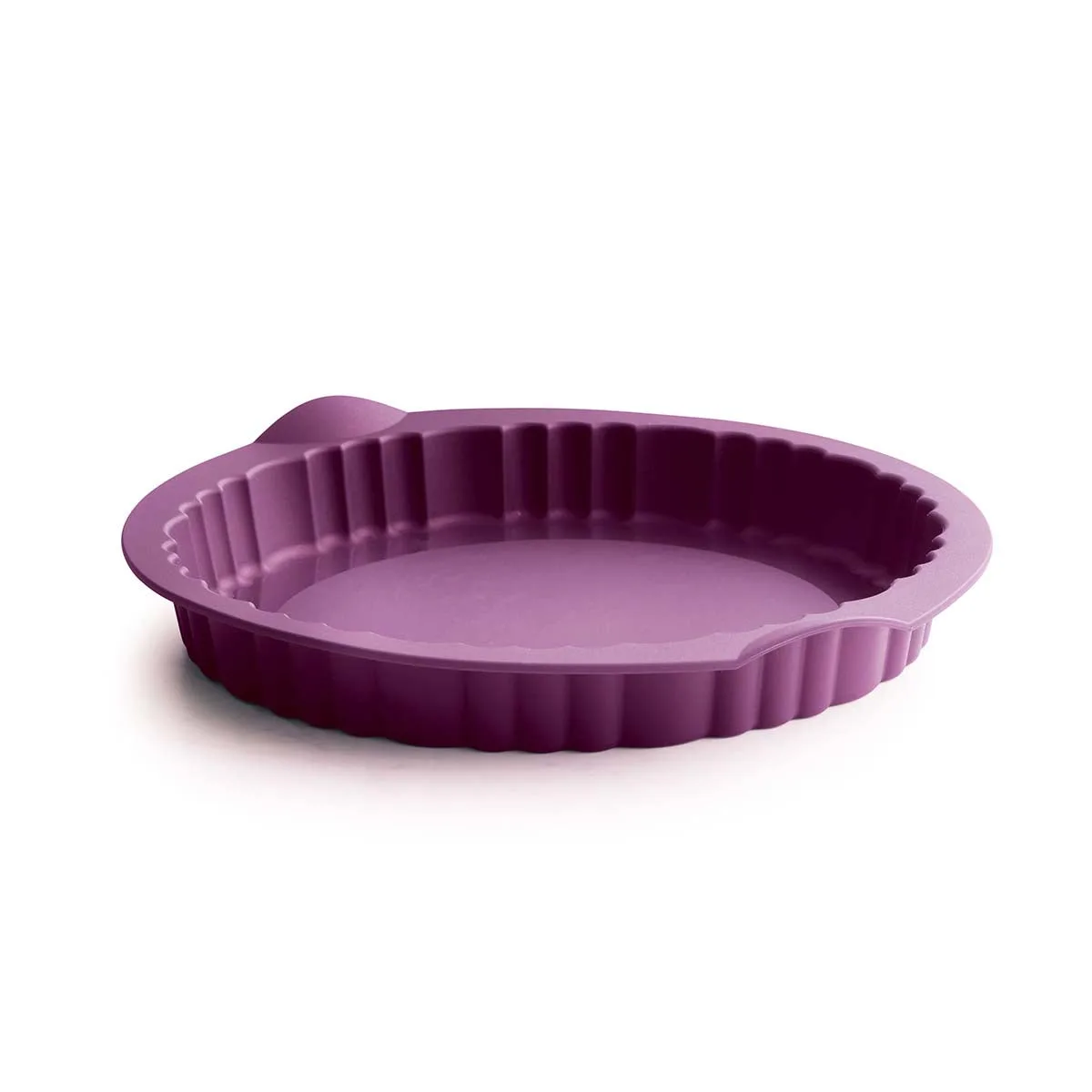
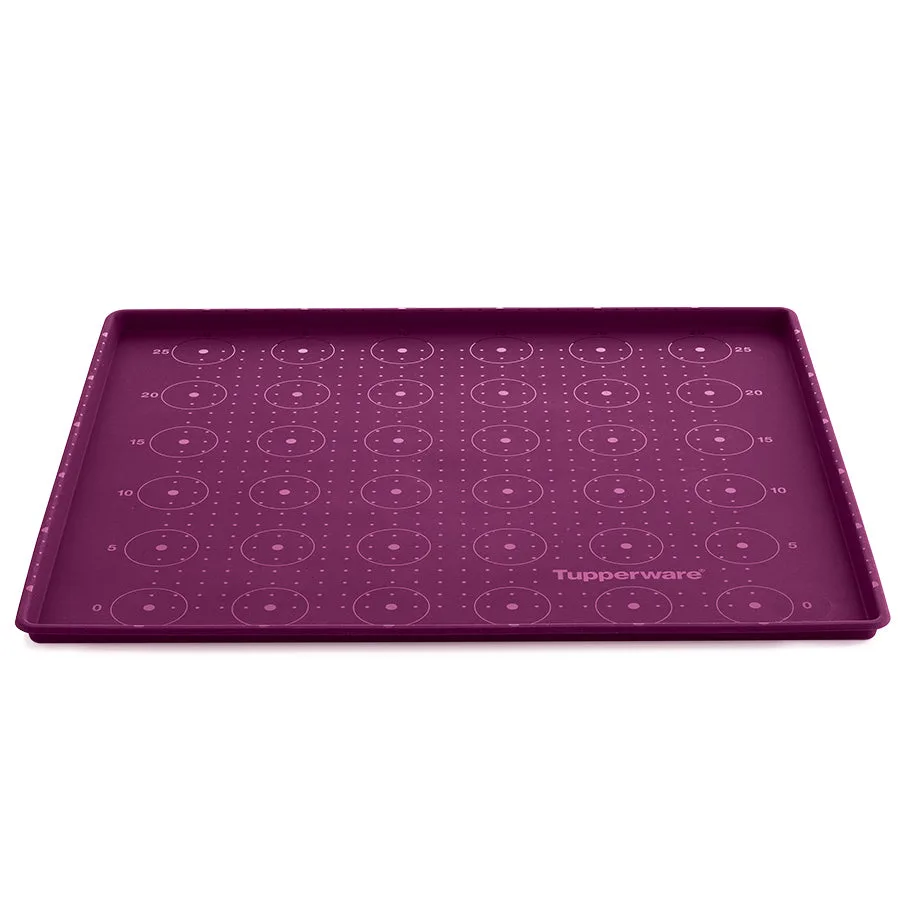
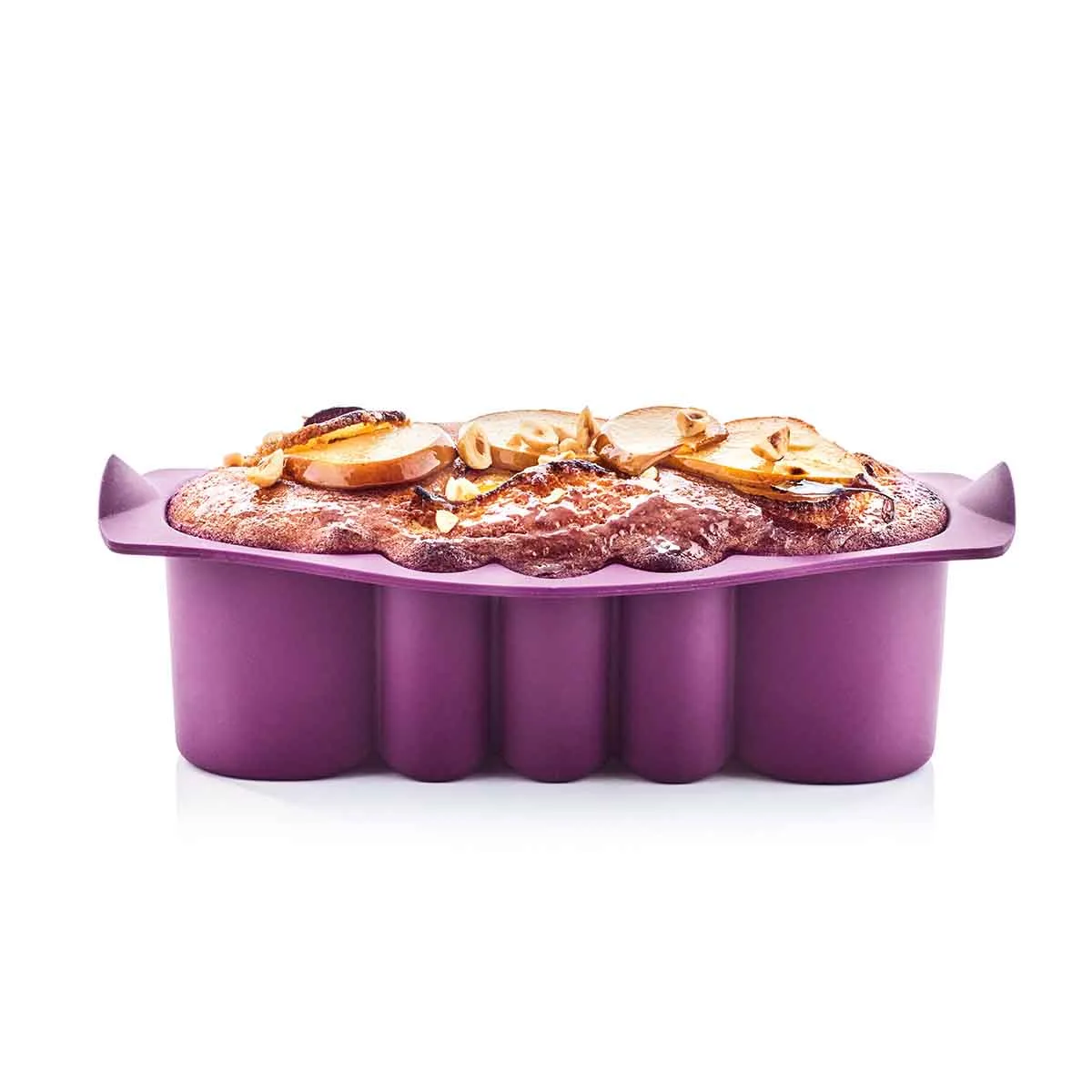
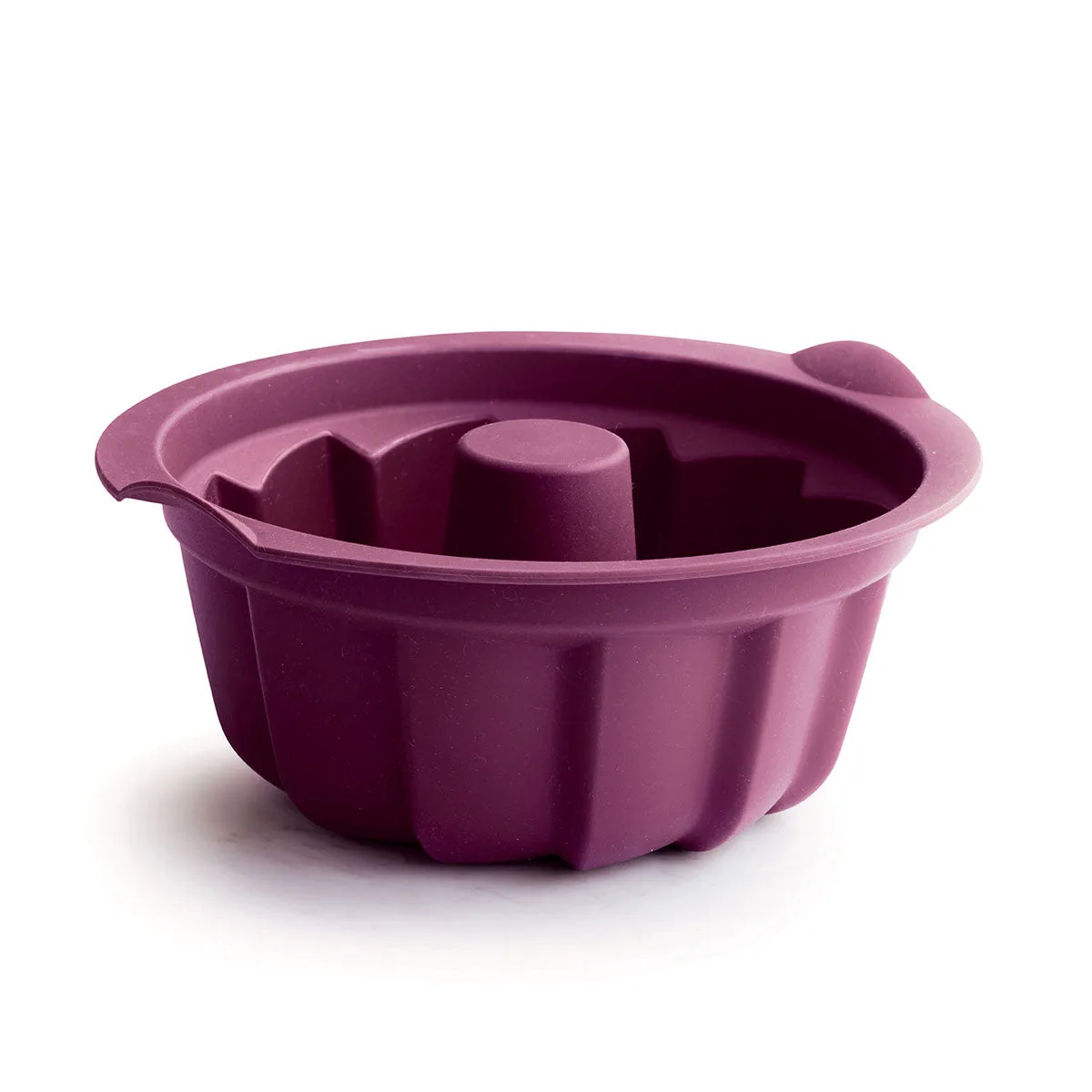
silicone tart form
Tupperware’s silicone baking collection takes this a step further: the flexibility allows you to gently flex the form to pop out the tart in one piece. With metal pans, you often need to remove the outer ring and slide a spatula underneath—which can be tricky. If you value convenience and perfect presentation, silicone has a clear edge.
Durability and Long-Term Use
Metal tart pans are sturdy and can last for decades if cared for properly. They resist warping at high temperatures and can be used on stovetops or under broilers. However, they may dent if dropped, and the non-stick coating can scratch or peel over time.
Silicone tart forms are virtually indestructible in normal use: they won’t rust, dent, or chip. They withstand temperatures from -40°F to 446°F (-40°C to 230°C), making them suitable for freezer-to-oven recipes. Tupperware’s silicone is FDA-grade and free of BPA, ensuring food safety. The trade-off is that silicone can absorb odors and may stain with highly pigmented foods like tomato sauce or turmeric.
- Tip: To prevent staining, wash silicone forms promptly after use with mild soap and warm water.
Cleaning and Maintenance
Cleaning is where silicone truly shines. Silicone tart forms are dishwasher-safe, non-stick, and flexible—so any stuck-on bits can be easily wiped away. Metal pans, especially those with removable bottoms, have crevices where food can get trapped. Hand washing is often recommended to preserve the non-stick coating.
Tupperware’s silicone forms can be washed in the top rack of the dishwasher or by hand. They dry quickly and store flat or rolled without taking much space. Metal pans, on the other hand, require careful drying to prevent rust and should be stored flat to avoid bending.
Versatility and Storage
Silicone tart forms are incredibly versatile. They can go from the freezer to the oven to the microwave, and they double as serving dishes. Their flexibility means they can be folded or rolled for compact storage—a huge plus for small kitchens. Tupperware’s silicone forms are designed with uniform thickness for even baking and come in various sizes.
Metal pans are more rigid and take up more space. They often come with a removable bottom that can be used as a serving plate, but they cannot be folded. If you bake tarts frequently, a metal pan is a reliable workhorse. But for occasional bakers or those with limited storage, silicone is the more practical choice.
- Note: Tupperware also offers the https://cookspireai.shop/products/fix-n-mix-bowl-168228https://cookspireai.shop/products/fix-n-mix-bowl-168252https://cookspireai.shop/products/fix-n-mix-bowl-168259Fix-N-Mix® Bowl for mixing tart dough—a handy companion for any bakeware.
Which One Should You Choose?
If your priority is a perfectly crisp, evenly browned crust and you bake tarts regularly, a high-quality metal pan with a removable bottom is hard to beat. It’s the traditional choice for professional bakers and serious home cooks.
If you value convenience, easy cleanup, and versatility—especially for no-bake tarts, freezer desserts, or gentle baking—a silicone tart form is an excellent investment. Tupperware’s silicone forms offer the added benefits of durability, food safety, and flexible storage. For many home bakers, having both types in the kitchen gives you the best of both worlds.
Ready to upgrade your bakeware? Explore Tupperware’s silicone baking collection, including the versatile Fix-N-Mix® Bowl for mixing and the flexible silicone tart forms for effortless tart making. Visit the Tupperware® Official Site today and discover bakeware that makes every recipe a success.