Quick answer
Clean your silicone teether daily with warm water and mild dish soap, then sanitize it weekly by boiling for 5 minutes or using a dishwasher on the top rack. Store it in a clean, dry, ventilated spot—never sealed in a damp bag. Replace it at the first sign of tears, stickiness, or discoloration, or every 1–2 months with heavy use.
Why silicone teethers need a different care routine
Silicone is non-porous, which makes it naturally resistant to bacteria and mold—but only if it's cleaned properly. Unlike plastic, silicone can handle high heat, so you can sanitize it without worrying about melting or leaching. However, silicone can attract lint, dust, and pet hair, and it can develop a sticky film if soap residue isn't rinsed away. That film becomes a magnet for germs and can make the teether less appealing to your baby.
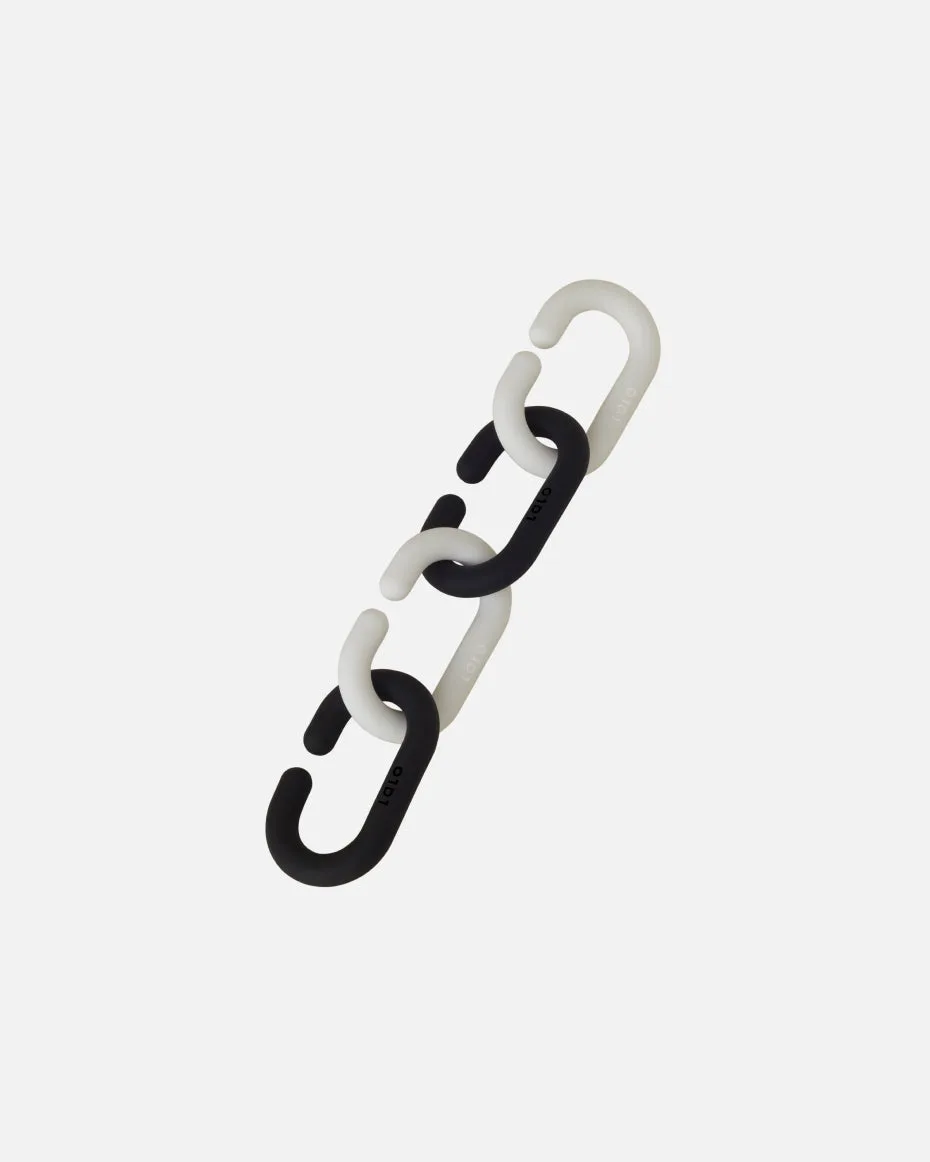
The FDA-grade non-toxic silicone used in products like Lalo's Silicone Teether is designed for mouthing, but it still needs regular washing. The good news: you don't need special equipment. A bottle brush, mild soap, and a pot of boiling water cover almost everything.
Daily cleaning: the two-minute routine
After each use, rinse the teether under warm running water to remove saliva and food particles. Apply a small drop of mild, fragrance-free dish soap and rub it over the entire surface with your fingers or a soft bottle brush. Pay attention to textured areas, ridges, and any crevices where residue can hide. Rinse thoroughly until no slippery feel remains—silicone should feel slightly tacky when clean, not slick.
If you're out and about, a pacifier wipe or a quick rinse with bottled water works as a temporary measure. Avoid using hand sanitizer or alcohol wipes on silicone; they can dry out the material and leave a taste your baby may reject.
Sanitizing: when and how
Sanitize your teether at least once a week, and always after your baby has been sick or after the teether has been dropped on a public floor. Boiling is the most thorough method: place the teether in a pot of water, bring to a rolling boil, and let it boil for 5 minutes. Use tongs to remove it and let it air dry on a clean dish rack.
If you prefer the dishwasher, put the teether on the top rack only. The bottom rack's heating element can get hot enough to damage silicone over time. Skip the heated dry cycle if possible; air drying is gentler. Never microwave a silicone teether unless the manufacturer explicitly says it's microwave-safe—most are not.
Storage that keeps teethers clean and ready
Store clean, dry teethers in a dedicated container with airflow—a mesh bag, a clean open bin, or a designated drawer. Avoid airtight plastic bags, especially if there's any moisture left; trapped dampness can encourage mildew. Keep teethers away from raw meat, cleaning supplies, and anything that might transfer odors or bacteria.
For on-the-go, use a small wet/dry bag or a hard case. Don't toss a teether loose into a diaper bag where it can pick up crumbs, lint, and keys. A quick rinse before giving it back to your baby is a good habit.
When to replace your silicone teether
Silicone is durable, but it doesn't last forever. Inspect your teether every few days for cracks, tears, holes, or a change in texture—if it feels sticky, gummy, or starts to smell, it's time to replace it. Also replace if you see discoloration that won't wash off, or if the teether has been chewed so much that pieces could break off.
As a general rule, replace a silicone teether every 1–2 months with daily use, or sooner if your baby is a vigorous chewer. If you have multiple teethers in rotation, you extend the life of each one. Keep a spare on hand so you're never tempted to use a damaged one.
Step-by-step teether care routine
- Rinse immediately after use: Hold the teether under warm running water to remove saliva and loose debris. This prevents residue from drying and becoming harder to clean. Checkpoint: if you can still feel a slippery film, keep rinsing.
- Wash with mild soap and a soft brush: Apply a drop of fragrance-free dish soap and gently scrub all surfaces, including textured areas. Use a bottle brush to reach crevices. Common mistake: using antibacterial or scented soaps, which can leave behind irritating residue.
- Rinse thoroughly until no slickness remains: Silicone should feel slightly tacky when clean. If it feels slick, there's still soap on it. Rinse again under warm water. Checkpoint: run your finger over the surface—if it squeaks slightly, it's clean.
- Sanitize weekly by boiling or dishwasher: Boil for 5 minutes, or place on the top rack of your dishwasher. Use tongs to remove from boiling water. Skip the heated dry cycle. Common mistake: microwaving or boiling for too long, which can degrade silicone over time.
- Air dry completely before storing: Place the teether on a clean dish rack or towel to air dry. Any remaining moisture can encourage mildew in storage. Checkpoint: no water droplets should be visible in crevices before you put it away.
- Store in a clean, ventilated spot: Keep teethers in a mesh bag, open bin, or dedicated drawer—not sealed in plastic. For travel, use a hard case or wet/dry bag. Common mistake: tossing a damp teether into a diaper bag where it picks up lint and germs.
- Inspect and replace when worn: Check for cracks, tears, stickiness, or discoloration every few days. Replace every 1–2 months with daily use, or at the first sign of damage. Next step: order a spare so you always have a clean, safe teether ready.
Product facts
- Silicone Teether: Made with FDA grade non-toxic silicone, the Silicone Teether is safe for soothing gums and the perfect size for little hands to hold. FDA-grade silicone means you can sanitize it with heat without worrying about harmful chemicals, and the size is designed for babies to grip easily.