Choosing the right cup for your toddler can feel overwhelming with so many options on the market. Two popular choices are the silicone training cup with straw and the 360 cup. Both are designed to ease the transition from bottle or sippy cup to open cup, but they work in different ways. In this comparison, we'll break down the pros and cons of each to help you decide which is best for your little one.
Whether you're looking for a spill-proof cup for toddlers or a tool to support oral motor development, understanding the differences between these two types of cups is key. Let's dive into the details.
How Each Cup Works
A silicone training cup with straw, like the Adjustable Silicone Strap 2-Pack, uses a straw mechanism. The straw is typically made of soft silicone, which is gentle on gums and teeth. Some straw cups have a weighted straw that moves with the liquid, allowing your child to drink from any angle. These cups require your toddler to suck, which helps strengthen the oral muscles needed for speech and open cup drinking.
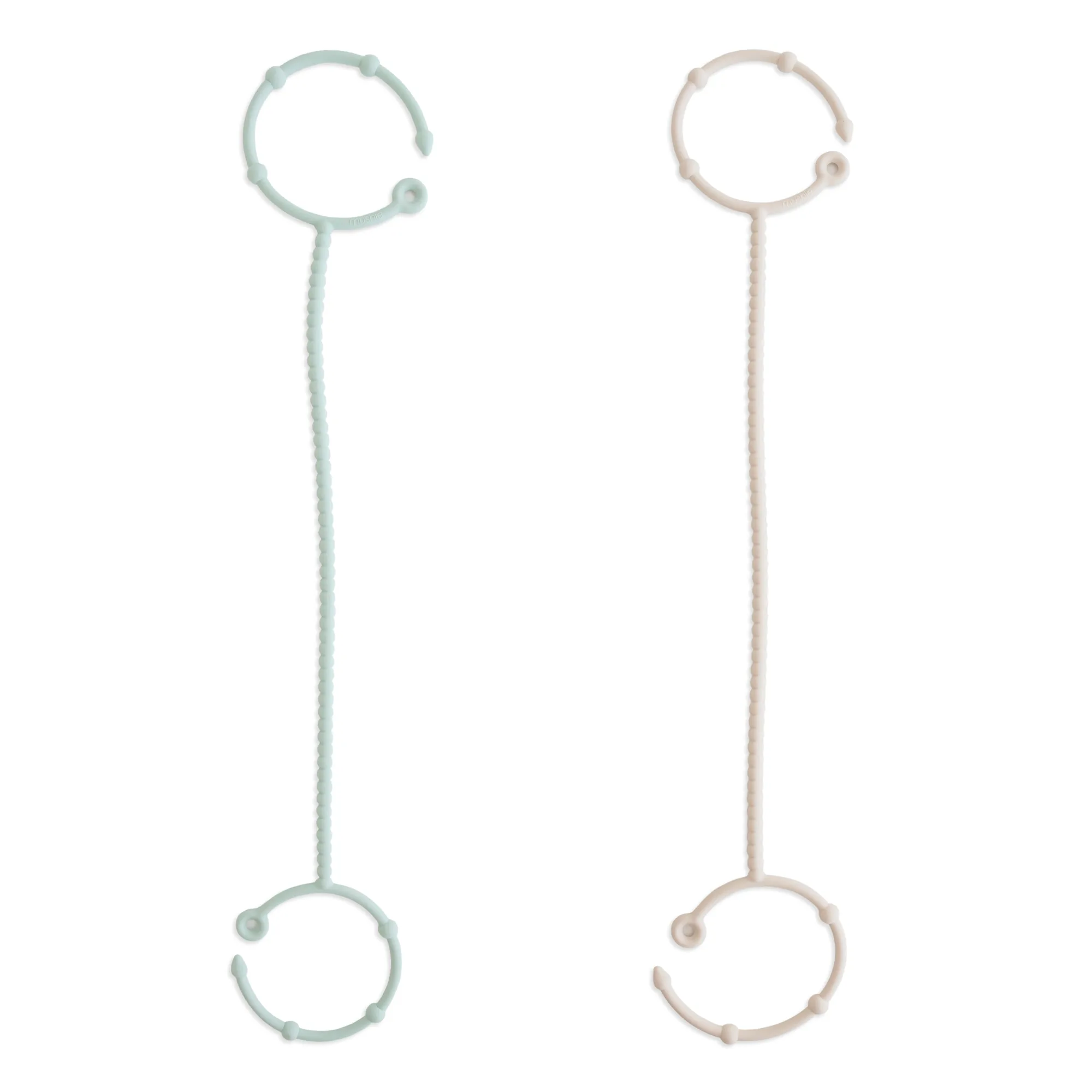
Adjustable Silicone Strap 2-Pack
A 360 cup, on the other hand, has a unique rim that seals when not in use. Your child drinks by biting and sipping from the edge of the rim. The cup only releases liquid when the rim is pressed, making it virtually spill-proof. This design mimics the motion of drinking from an open cup, which can help with the transition. However, it requires a different skill set than straw drinking.
- Straw cups encourage sucking motion; 360 cups encourage sipping motion.
Spill-Proof Performance
Both cup types are marketed as spill-proof, but they perform differently. A silicone straw cup typically has a valve that prevents liquid from leaking unless your child sucks. The Silicone Pacifier Clip | Eva is not a cup, but it shows how silicone can be used in spill-proof designs. However, straw cups can leak if the straw is not properly inserted or if the valve gets damaged. Some parents find that warm liquids or thick liquids like smoothies can cause leaks.
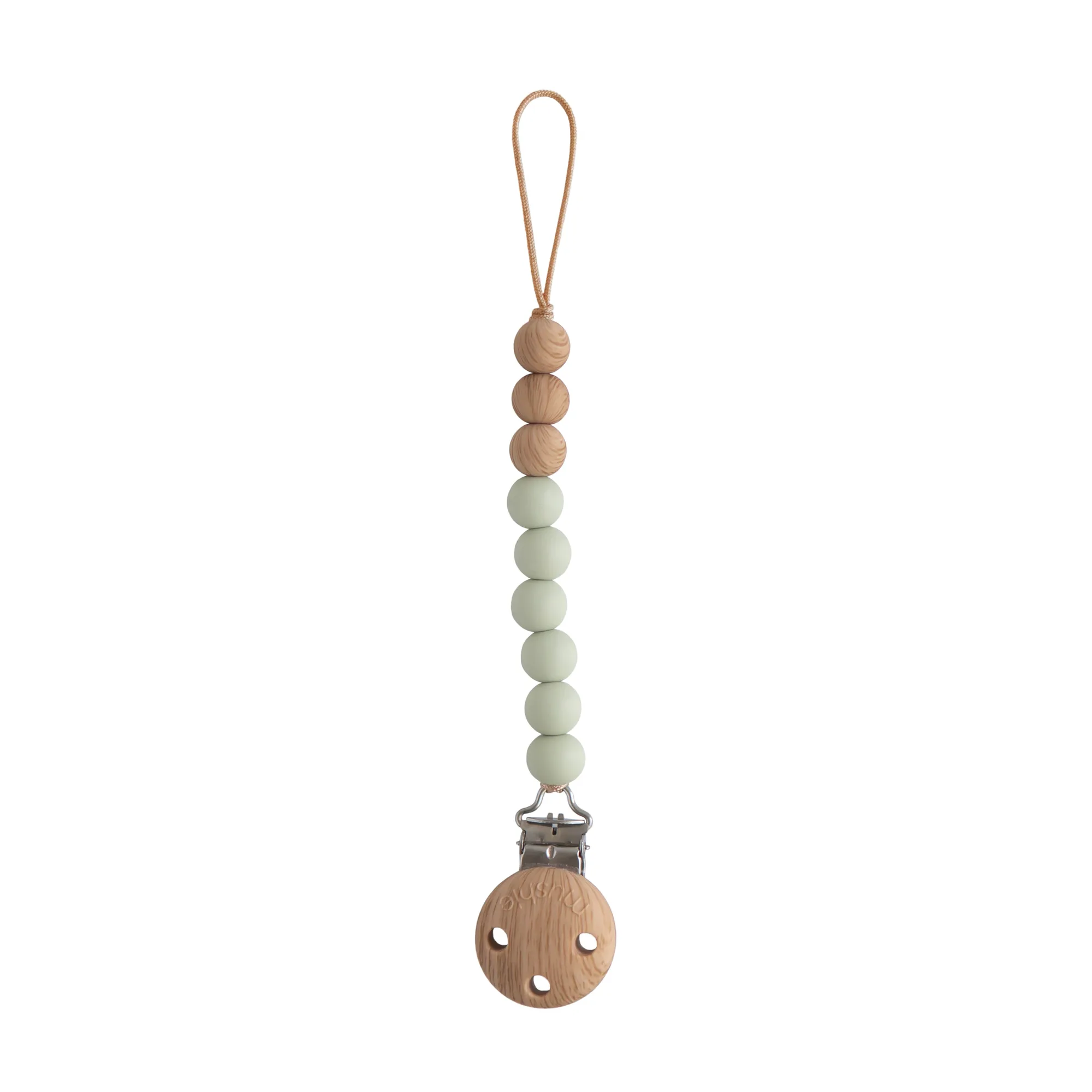
Silicone Pacifier Clip | Eva
360 cups are generally more reliable when it comes to spill-proofing. The rim seal is effective against tipping and shaking. However, they can be harder to clean thoroughly because the rim mechanism has small parts. Also, if your toddler throws the cup, it might still leak a little from the rim. Overall, for pure spill-proof performance, the 360 cup often wins, but it comes with a trade-off in cleaning ease.
- 360 cups are less likely to leak when tipped over; straw cups may leak if valve is compromised.
Ease of Use for Toddlers
For younger toddlers (around 12 months), a silicone training cup with straw can be easier to master because sucking is a natural reflex. Many babies are already familiar with straws from pouches or other cups. The silicone straw is soft and flexible, reducing the risk of injury. Products like the Rocket Teether are made of similar soft silicone, which is safe for teething toddlers.
The 360 cup requires a bit more coordination. Your toddler needs to tilt the cup and bite the rim to release liquid. Some children take to it quickly, while others struggle. It can be messy at first as they learn the right amount of pressure. However, once mastered, the 360 cup offers a more open-cup-like experience, which can make the eventual transition to a regular cup smoother.
- Straw cups are often easier for younger toddlers; 360 cups may require more practice.
Cleaning and Maintenance
Cleaning is an important factor when choosing a toddler cup. Silicone straw cups are generally easy to clean because the straw can be removed and washed separately. Many are dishwasher-safe, but check the manufacturer's instructions. The silicone material is non-porous and resistant to bacteria, which is a plus. However, the straw and valve can be tricky to dry completely, and mold can develop if not dried properly.
360 cups have more parts to clean: the rim, the lid, and sometimes a silicone seal. These parts need to be disassembled and washed thoroughly. Because of the small crevices, they can be harder to dry. Some parents find that 360 cups start to smell or develop mold if not cleaned promptly. If you prioritize easy cleaning, a simple silicone straw cup might be more convenient.
- Straw cups have fewer parts; 360 cups have more nooks for residue.
Which One Should You Choose?
The best cup for your toddler depends on their age, skills, and your priorities. If you want a cup that is easy to learn, gentle on gums, and simple to clean, a silicone training cup with straw is a great choice. It's especially good for on-the-go use because it's less likely to spill in the diaper bag. For a more natural transition to open cup drinking, the 360 cup is excellent. It teaches your child to sip from the rim and is highly spill-proof at home.
Consider having both types in your rotation. Use the straw cup for travel and the 360 cup for meals at home. This way, your toddler gets practice with both skills. Remember that no cup is perfect, and some trial and error is normal. Look for cups made of safe, durable materials like silicone, and always follow cleaning guidelines to keep your child healthy.
- Start with a straw cup for younger toddlers; introduce a 360 cup as they get older.
Both silicone training cups with straws and 360 cups have their strengths. The right choice depends on your toddler's developmental stage and your lifestyle. By understanding the differences, you can select the best cup to support your child's journey to independent drinking.