Quick answer
For most people using 64 Audio universal IEMs, silicone ear tips seal better because they hold a consistent shape and are easy to reseat when the seal breaks. Foam tips can isolate more, but they need to expand fully in your ear canal and often wear out faster. Start with the right silicone size, then try foam only if you need maximum isolation.
Why the seal matters more than the material label
A good seal is what lets your 64 Audio IEMs deliver bass and block outside noise. If the tip does not seal, you lose low-end response and hear more of the room. Silicone and foam achieve that seal differently: silicone relies on the shape and size of the tip pressing against your ear canal, while foam relies on expansion after you compress it. That difference explains why one material can feel better on one ear and worse on the other.
Silicone ear tips: stable fit and easy re-seating
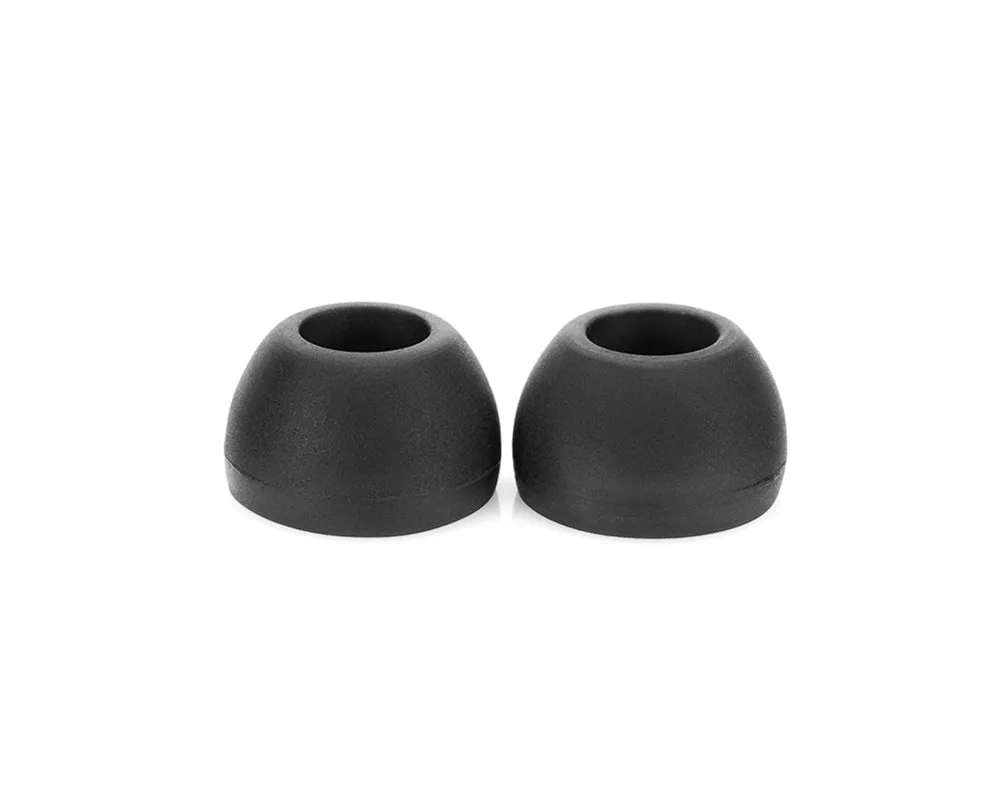
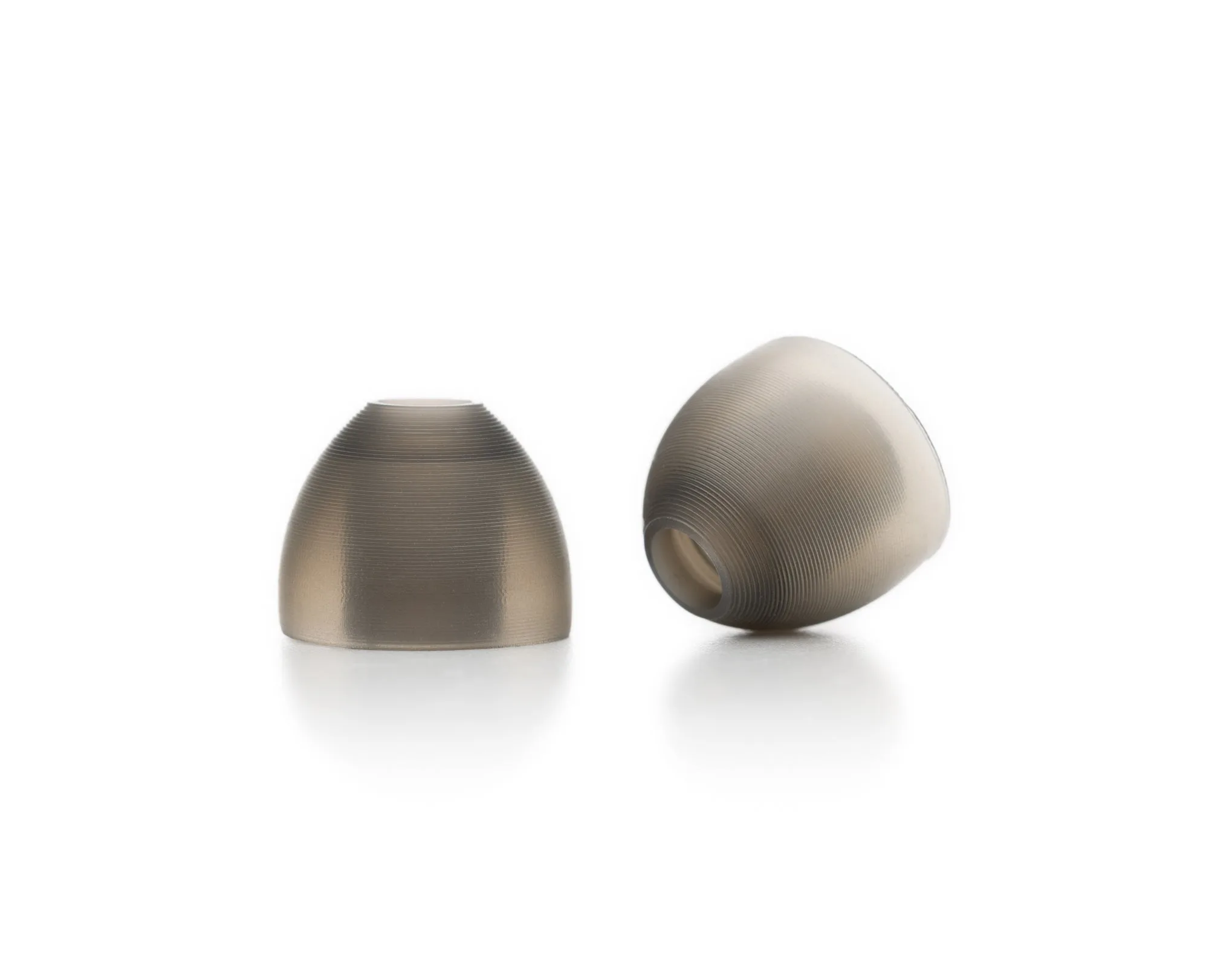
Silicone tips keep their shape, so once you find the right size, the seal is repeatable. They are also easier to clean and quicker to put back in if the seal breaks while you move. The trade-off is that silicone can feel firmer and may not isolate as much as foam in loud environments. 64 Audio offers two silicone options: the standard Silicone Ear Tips and the Low-Profile Silicone Ear Tips, both in Small, Medium, and Large. The low-profile version sits closer to the nozzle, which can help if a standard tip feels too deep or too bulky.
Foam ear tips: more isolation, more maintenance
Foam tips expand to fill the ear canal, which often blocks more outside noise than silicone. That makes them a good choice for noisy commutes or loud venues. The trade-offs are real: foam can be harder to insert consistently, it may need replacing more often, and it can slightly soften treble detail because the material absorbs some high-frequency energy. If you roll foam tips, you also need a few seconds for them to expand before you get a full seal.
How to test which seal you actually have
Put the IEMs in, play a familiar track with steady bass, and gently press the tips inward. If the bass gets stronger when you press, your seal is not complete. Try the next size up or a different material. You can also do a simple tug test: lightly pull the top of your ear and see if the sound changes. A stable seal should stay consistent without you holding the IEMs in place.
Trade-offs at a glance
- Silicone seal consistency: Silicone holds its shape, so the seal is repeatable and easy to reseat. It may not isolate as much as foam in very loud places. Choose silicone if you want a fit you can set once and forget.
- Foam isolation: Foam expands to fill the canal and usually blocks more outside noise, but it can be fussier to insert and may need replacing sooner. Choose foam if blocking noise matters more than convenience.
- Sound differences: Silicone tends to preserve treble detail; foam can slightly soften highs because the material absorbs some high-frequency energy. If you want the most detail, start with silicone and compare.
- Fit and size: Both 64 Audio silicone options come in Small, Medium, and Large. The right size matters more than the material for getting a seal. Test sizes before deciding silicone is not for you.
64 Audio ear tip options compared
- Low-Profile Silicone Ear Tips: Low-Profile Silicone Ear Tips are replacement ear tips offered in three sizes (Small, Medium, Large) with a low-profile design. A lower profile can reduce how deep the tip sits, which helps if standard tips feel intrusive or keep losing seal when you move.
- Silicone Ear Tips: Silicone Ear Tips are replacement ear tips for 64 Audio in-ear monitors, offered in Small, Medium, and Large, each size sold under its own product code. The standard shape gives you a familiar silicone fit, and the separate size codes make it easy to reorder the exact size that works for you.
- U4s: U4s is a quad driver hybrid universal IEM with a Slate Blue shell and a faceplate pattern inspired by Muonionalusta meteorite fragments. A universal-fit IEM like the U4s depends on the ear tip to create the seal, so tip choice directly affects how much bass and isolation you get.
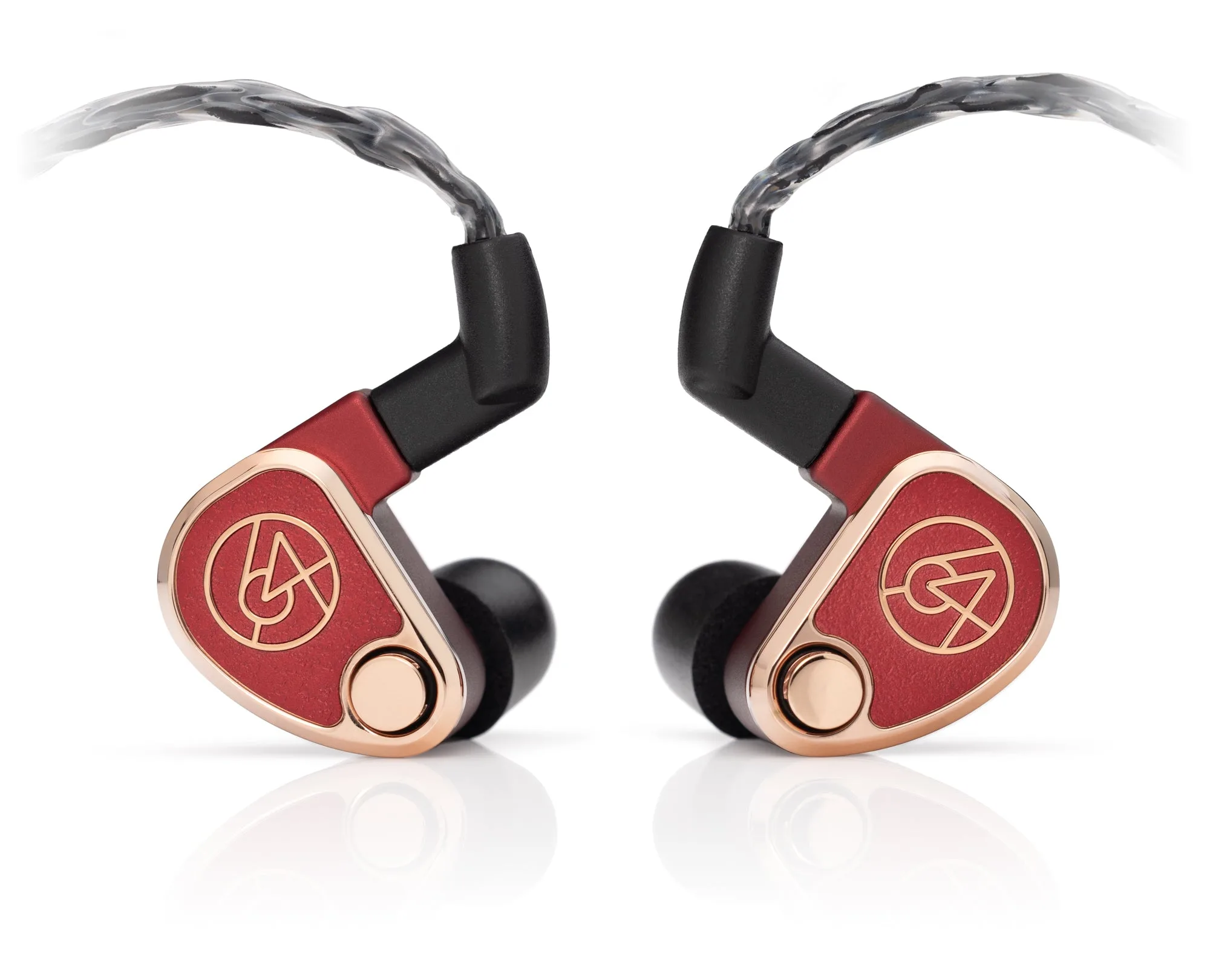
- U18t V1: U18t V1 is a universal-fit in-ear monitor in the Standard configuration (SKU 2600-2018), tagged in the audiophile and studio collections. If you use the U18t V1 for critical listening or studio work, a consistent silicone seal helps you hear the same low-end response every session.
Which should you choose?
Best for
- Listeners who want a stable, repeatable seal for daily use
- People who move around and need to reseat tips quickly
- Those who prefer easy cleaning and longer tip life
Not for
- Listeners who need maximum passive isolation in very loud environments
- People who have already found foam tips give them a better seal