Choosing the right pacifier for your baby can feel overwhelming with so many options on the market. Among the most important decisions is selecting the material: silicone or latex. Both have passionate advocates, but which one truly offers the best combination of safety, durability, and comfort? In this detailed comparison, we break down the key differences between silicone and latex pacifiers to help you make an informed choice for your little one.
Pacifiers are more than just soothing tools—they play a role in your baby's oral development and overall comfort. Understanding the pros and cons of each material will not only save you money but also ensure your baby gets the safest, most effective product. Let's dive into the silicone vs latex debate and settle it once and for all.
What Are Silicone and Latex Pacifiers Made Of?
Silicone pacifiers are made from a synthetic, rubber-like material that is odorless, tasteless, and hypoallergenic. Medical-grade silicone is non-porous, which means it does not absorb bacteria or moisture, making it a top choice for hygiene-conscious parents. It is also BPA-free and phthalate-free, ensuring no harmful chemicals leach into your baby's mouth.
Latex pacifiers, on the other hand, are made from natural rubber. They have a softer, more flexible feel that some babies prefer because it mimics the texture of a mother's skin. However, latex is a natural product that can cause allergic reactions in some infants, especially those with a latex allergy. It is also more porous than silicone, which can trap bacteria and odors over time.
- Silicone: synthetic, hypoallergenic, non-porous, BPA-free
- Latex: natural rubber, softer texture, porous, potential allergen
Durability and Lifespan: Which Pacifier Lasts Longer?
When it comes to durability, silicone pacifiers generally outlast latex ones. Silicone is resistant to heat, cold, and UV light, so it does not degrade quickly even with frequent sterilization. A well-made silicone pacifier can last several months before showing signs of wear, though you should still replace it every 4–6 weeks for hygiene reasons.
Latex pacifiers are less durable. They can become sticky, swollen, or cracked after repeated boiling or exposure to sunlight. Latex also breaks down faster when exposed to saliva and heat, meaning you may need to replace them more often. For parents looking for a long-lasting option, silicone is the clear winner. To keep your baby's pacifiers clean and organized, consider using a Bottle Drying Rack to air-dry them after washing.
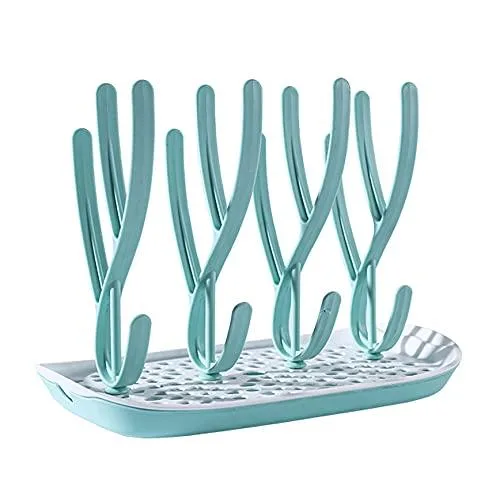
Bottle Drying Rack
- Replace pacifiers every 4–6 weeks regardless of material
- Check for cracks, stickiness, or discoloration regularly
Taste, Smell, and Baby Preference
Silicone is completely tasteless and odorless, which is a major advantage for many babies. Some infants reject latex pacifiers because they have a faint rubbery taste or smell, especially when new. If your baby is picky, a silicone pacifier might be easier to introduce.
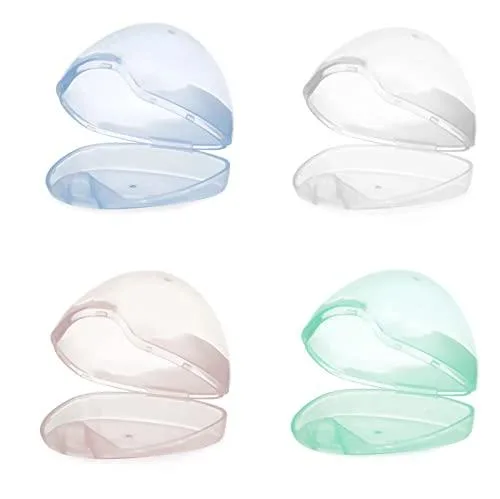
Latex has a natural rubber taste that some babies find comforting, but others dislike. The taste can become stronger over time as the material degrades. If your baby seems to prefer a softer, more flexible nipple, latex might be worth trying—but be prepared for possible rejection due to the taste. For added convenience, you can attach a Pacifier Clips (4 Pack) to keep the pacifier clean and within reach.
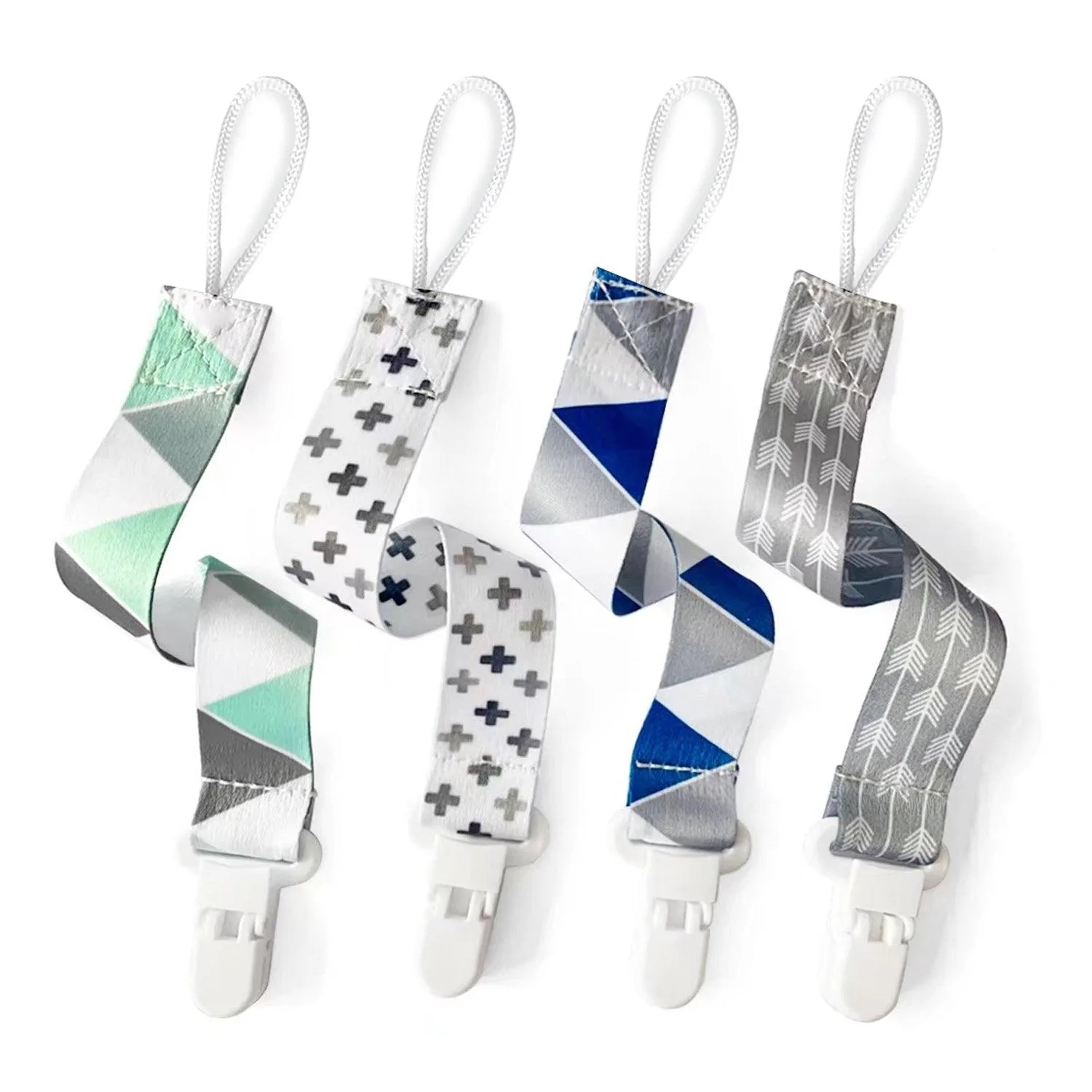
Pacifier Clips (4 Pack)
- Silicone: neutral taste and smell, widely accepted
- Latex: natural rubber taste, may be rejected by sensitive babies
Safety Considerations: Allergies and Hygiene
Safety is the top priority for any baby product. Silicone pacifiers are hypoallergenic and safe for babies with latex allergies or sensitive skin. They can be boiled, steamed, or washed in the dishwasher without degrading, making them easy to sterilize. Because silicone is non-porous, it does not harbor bacteria, mold, or mildew.
Latex pacifiers pose a risk for babies with latex allergies, which are more common in children with spina bifida or those who have undergone multiple surgeries. Additionally, the porous nature of latex can trap moisture and bacteria, increasing the risk of infections if not cleaned thoroughly. For these reasons, many pediatricians recommend silicone as the safer choice.
- Always check for latex allergy symptoms: rash, swelling, or hives
- Sterilize pacifiers daily for the first 6 months
Which Pacifier Material Is Best for Your Baby?
The answer depends on your baby's individual needs and your lifestyle. Silicone pacifiers are ideal for most babies due to their hypoallergenic nature, durability, and easy cleaning. They are the safest choice for newborns and infants with sensitive skin or allergies. Latex may be suitable for older babies who prefer a softer texture and do not have any latex sensitivities.
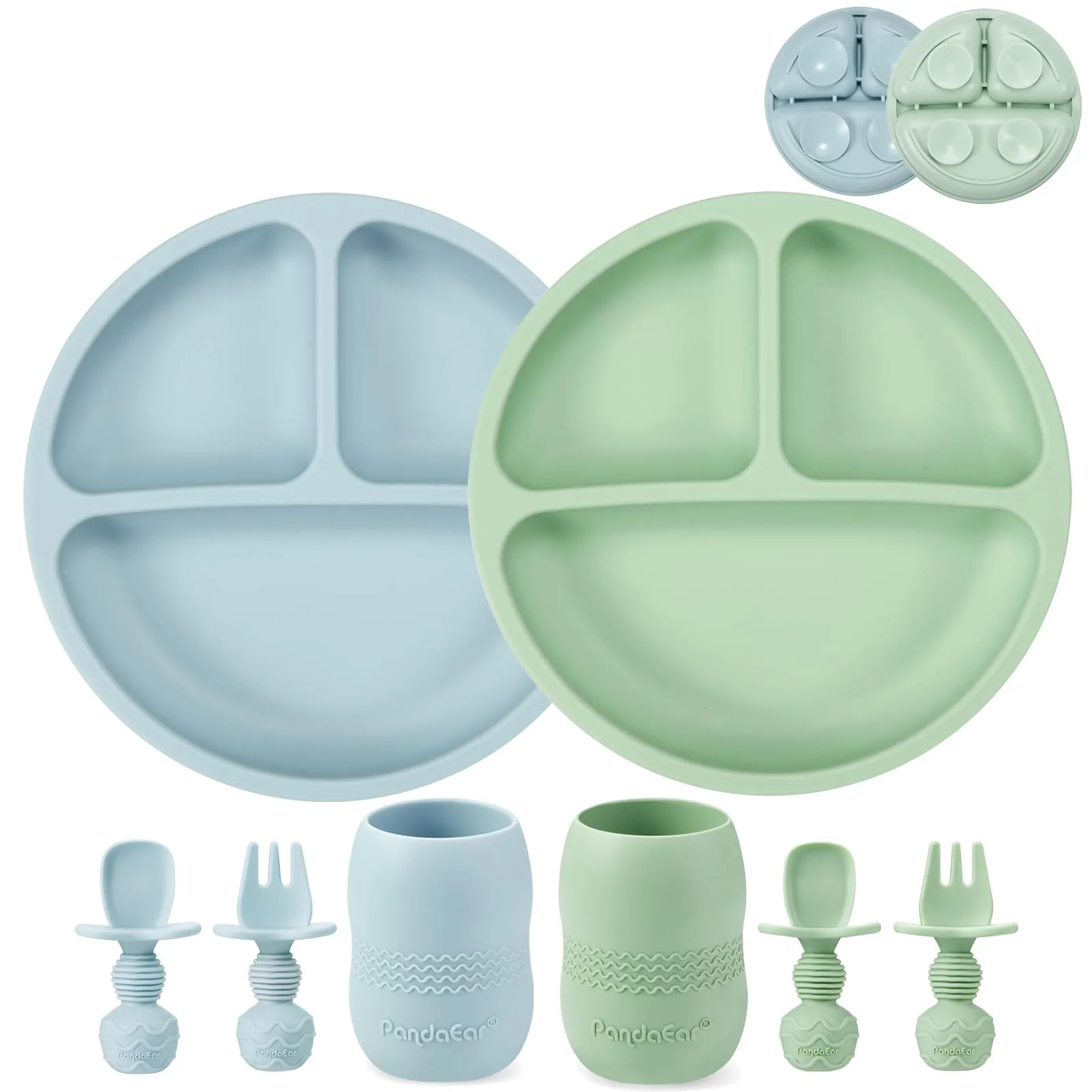
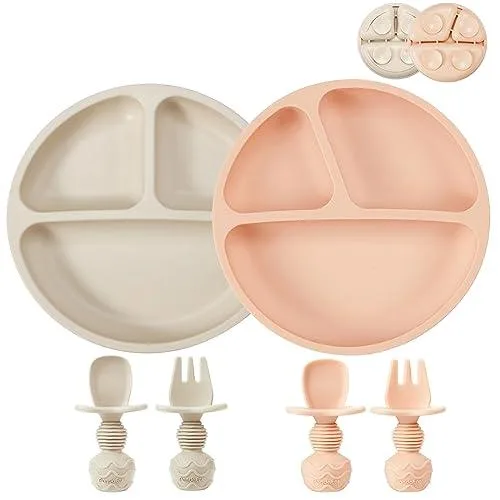
If you are still unsure, you can try both materials in small quantities to see which your baby prefers. Just remember to inspect pacifiers regularly and replace them as needed. For a complete feeding and soothing solution, explore our https://terracradle.shop/products/feeding-set-120851https://terracradle.shop/products/feeding-set-120896Feeding Set, which includes a silicone pacifier and other essentials to support your baby's development.
- Start with silicone for newborns and allergy-prone babies
- Try latex only if your baby rejects silicone and has no latex allergy
Choosing between silicone and latex pacifiers doesn't have to be complicated. Silicone offers superior safety, hygiene, and durability, making it the recommended choice for most parents. Latex can be a softer alternative for babies without allergies, but requires more frequent replacement and careful cleaning. Whichever you choose, always prioritize quality and safety. For a reliable, easy-to-clean option, check out our Pacifier Clips (4 Pack) to keep your baby's pacifier clean and handy at all times.