When it comes to feeding your baby, choosing the right bowl is about more than just convenience. Every parent wants a product that is safe, durable, and easy to clean. Two of the most popular materials on the market today are silicone and plastic. But which one is truly healthier for your child?
In this guide, we will break down the key differences between silicone and plastic baby bowls, focusing on health concerns like BPA, phthalates, and other toxins. We will also explore durability, ease of use, and environmental impact. By the end, you will have a clear understanding of which material best supports your baby's well-being.
Material Safety: What Are Silicone and Plastic Made Of?
Plastic baby bowls are typically made from polypropylene (PP) or other food-grade plastics. While many are labeled BPA-free, concerns remain about other chemicals like phthalates and bisphenol analogs (such as BPS) that can leach into food, especially when heated. Even BPA-free plastics may release estrogenic chemicals under stress, as some studies suggest.
Silicone, on the other hand, is a synthetic rubber made from silica (sand) and oxygen. It is chemically inert, meaning it does not react with food or release harmful substances when heated or cooled. High-quality silicone is free from BPA, phthalates, and lead. This makes silicone a top choice for parents seeking a truly non-toxic bowl for their baby.
- Plastic may contain BPA or similar chemicals that can leach into food, especially when microwaved or filled with hot liquids.
- Silicone is naturally inert and does not leach harmful chemicals, making it safer for daily use.
- Always look for food-grade, FDA-approved silicone to ensure purity.
Durability and Longevity: Which Lasts Longer?
Plastic bowls can crack, warp, or become scratched over time. Scratches create tiny crevices where bacteria can hide, making thorough cleaning difficult. Repeated dishwashing may also degrade plastic, causing it to become brittle or cloudy. This means you may need to replace plastic bowls more frequently.
Silicone bowls are extremely durable and resistant to cracking, warping, and scratching. They can withstand high temperatures (up to 220°C/428°F) and low temperatures (down to -40°C/-40°F) without degrading. A high-quality silicone bowl can last through multiple children, making it a cost-effective and sustainable option.
- Silicone bowls do not scratch easily, reducing bacterial buildup.
- Plastic bowls may need replacement every few months due to wear and tear.
- Silicone is dishwasher, microwave, and freezer safe without losing integrity.
Ease of Cleaning and Hygiene
One of the biggest advantages of silicone is its non-porous surface. It does not absorb food odors, stains, or bacteria. You can easily wash silicone bowls by hand or in the dishwasher, and they come out looking like new. Many silicone bowls are also designed with smooth, seamless edges that prevent food from getting trapped.
Plastic bowls, especially those with textured surfaces or lids, can trap food particles and develop stains or odors over time. Even with thorough washing, scratches can harbor germs. For parents who prioritize hygiene, silicone is clearly the superior material.
- Silicone bowls are stain and odor resistant, even after years of use.
- Plastic bowls may develop a cloudy appearance and unpleasant smells.
- Silicone can be sterilized by boiling, which is not recommended for most plastics.
Practical Features: Suction, Lids, and Portability
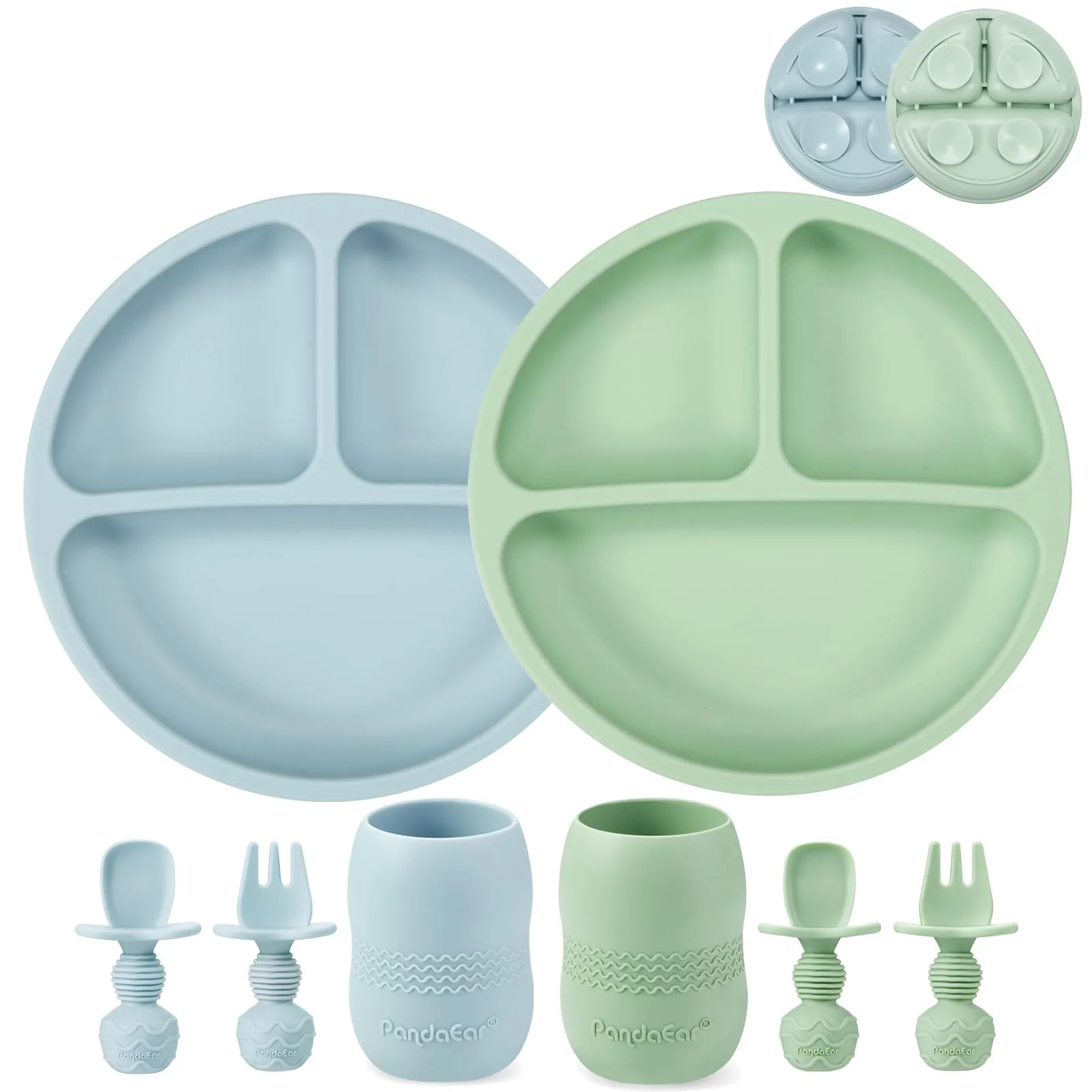
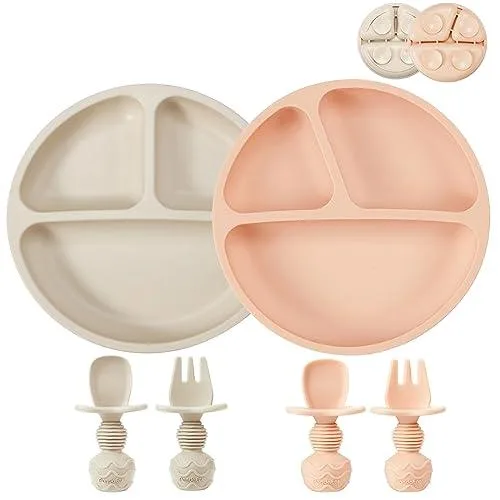
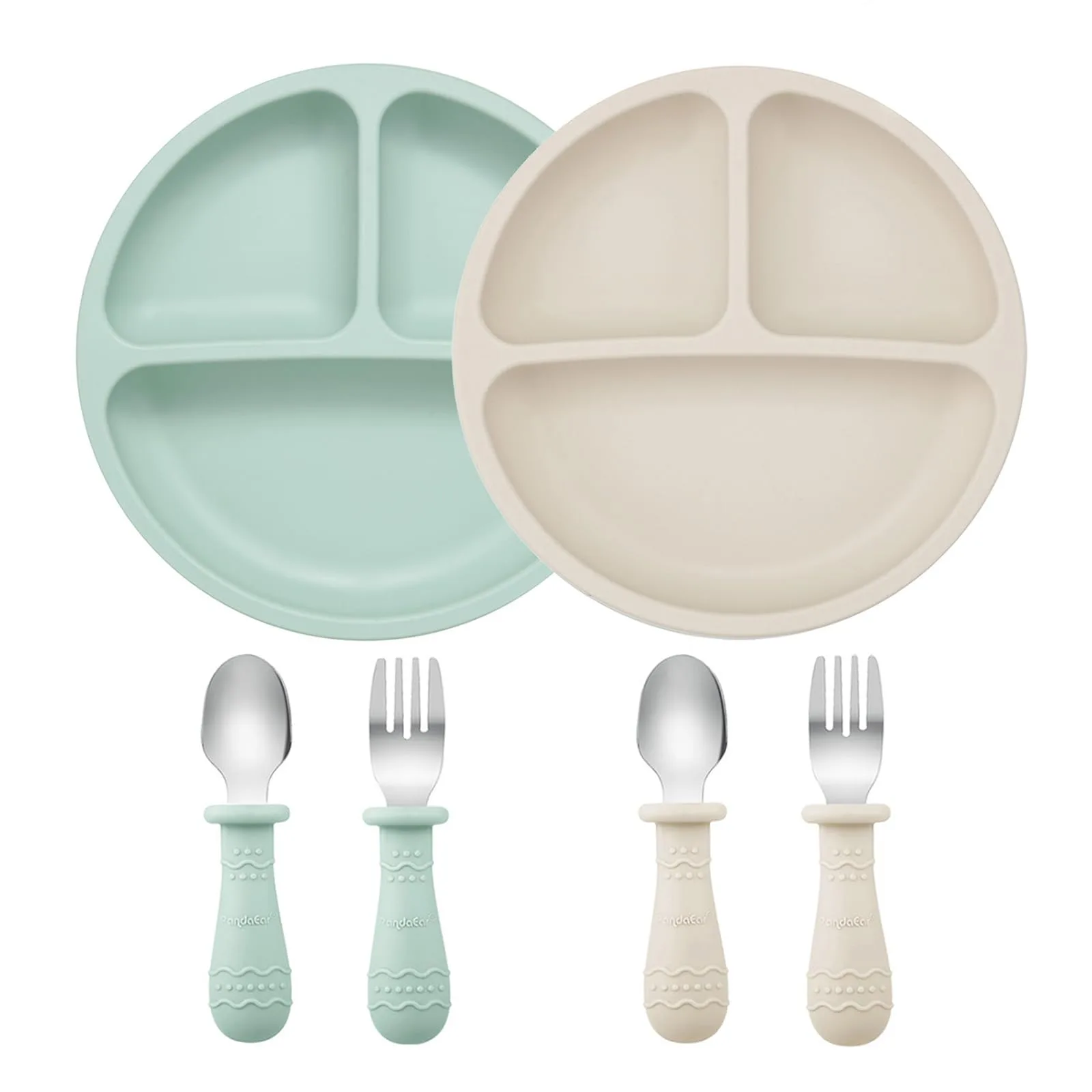
Many silicone baby bowls come with built-in suction bases that stick to highchair trays or tables, preventing spills and messes. This is a huge help during self-feeding. Some models, like the PandaEar 3 Pack Baby Suction Bowls with Lids, combine suction with leak-proof lids, making them perfect for storing leftovers or taking meals on the go.
Plastic bowls can also feature suction bases, but they may lose grip over time as the material hardens or warps. Plastic lids may not seal as effectively, leading to leaks. For parents who need a reliable, portable solution, silicone bowls with lids offer superior performance.
- Silicone suction bowls stay firmly in place, reducing mealtime mess.
- Plastic suction bowls may lose suction after repeated use.
- Look for bowls with lids that are leak-proof and easy to snap on and off.
Environmental Impact and Sustainability
Plastic is derived from fossil fuels and is not biodegradable. Even when recycled, plastic degrades in quality and often ends up in landfills or oceans. The production of plastic also contributes to carbon emissions and pollution.
Silicone is made from silica, a natural resource, and is more durable, meaning fewer replacements. While silicone is not biodegradable, it can be recycled at specialized facilities. Its long lifespan reduces overall waste. For eco-conscious parents, silicone is the more sustainable choice.
- Silicone lasts longer, reducing the frequency of replacements.
- Plastic bowls contribute to microplastic pollution when they break down.
- Choose silicone products from brands committed to sustainability.
When comparing silicone vs plastic baby bowls, silicone clearly wins in terms of health, durability, and hygiene. Its non-toxic, inert nature gives you peace of mind, while its long-lasting performance saves you money and reduces waste. For a safe, practical, and eco-friendly mealtime solution, consider the PandaEar 3 Pack Baby Suction Bowls with Lids. Explore this set to give your baby a healthier start with every meal.