Quick Answer
Silicone food pouches are generally safer and more eco-friendly than plastic for storing baby food. They are non-toxic, durable, and reusable, though they often cost more upfront. For most parents, investing in high-quality silicone pouches is worth it for peace of mind and long-term savings.
When you're making homemade baby food, the right storage container matters. Plastic pouches are convenient, but concerns about chemicals and environmental impact have many parents looking for alternatives. Silicone food pouches offer a reusable, non-toxic option that's gaining popularity. This guide compares the two materials to help you decide what's best for your family.
We'll look at safety, durability, ease of cleaning, and overall value. We'll also highlight some PandaEar products that align with a silicone-first approach to baby feeding.
Safety: What's in Your Baby's Food?
Plastic food pouches often contain chemicals like BPA, phthalates, and PVC, which can leach into food, especially when heated. While many plastics are now BPA-free, other additives may still be a concern. Silicone, on the other hand, is a food-grade material that is inherently free of BPA, PVC, and phthalates. It is stable and doesn't react with food, making it a safer choice for storing baby meals.
PandaEar's silicone products, like the Silicone Bento Box (Blue), are made from premium BPA-free silicone, giving you peace of mind. This is especially important for babies whose developing bodies are more sensitive to toxins.
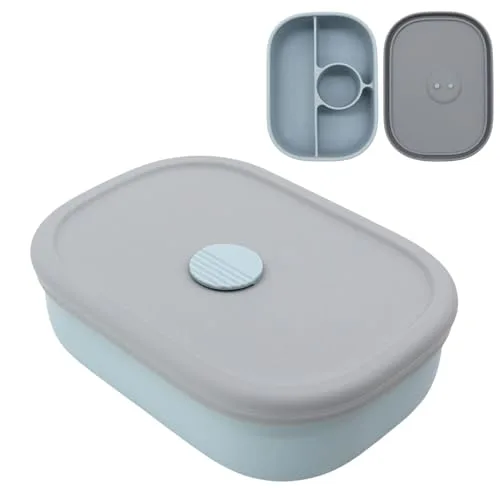
Silicone Bento Box (Blue)
- Check for BPA-free labels on plastic pouches, but remember that other chemicals may still be present.
- Silicone is naturally non-toxic and doesn't require chemical additives.
Durability and Longevity: Reusable vs. Disposable
Plastic pouches are often designed for single use or limited reuse. They can crack, stain, and absorb odors over time. Silicone pouches, however, are built to last. They are shatter-resistant, withstand high temperatures, and can be washed hundreds of times without degrading. This makes them a more sustainable and cost-effective choice in the long run.
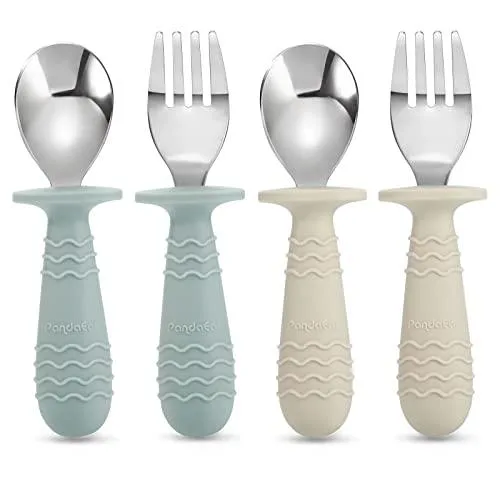
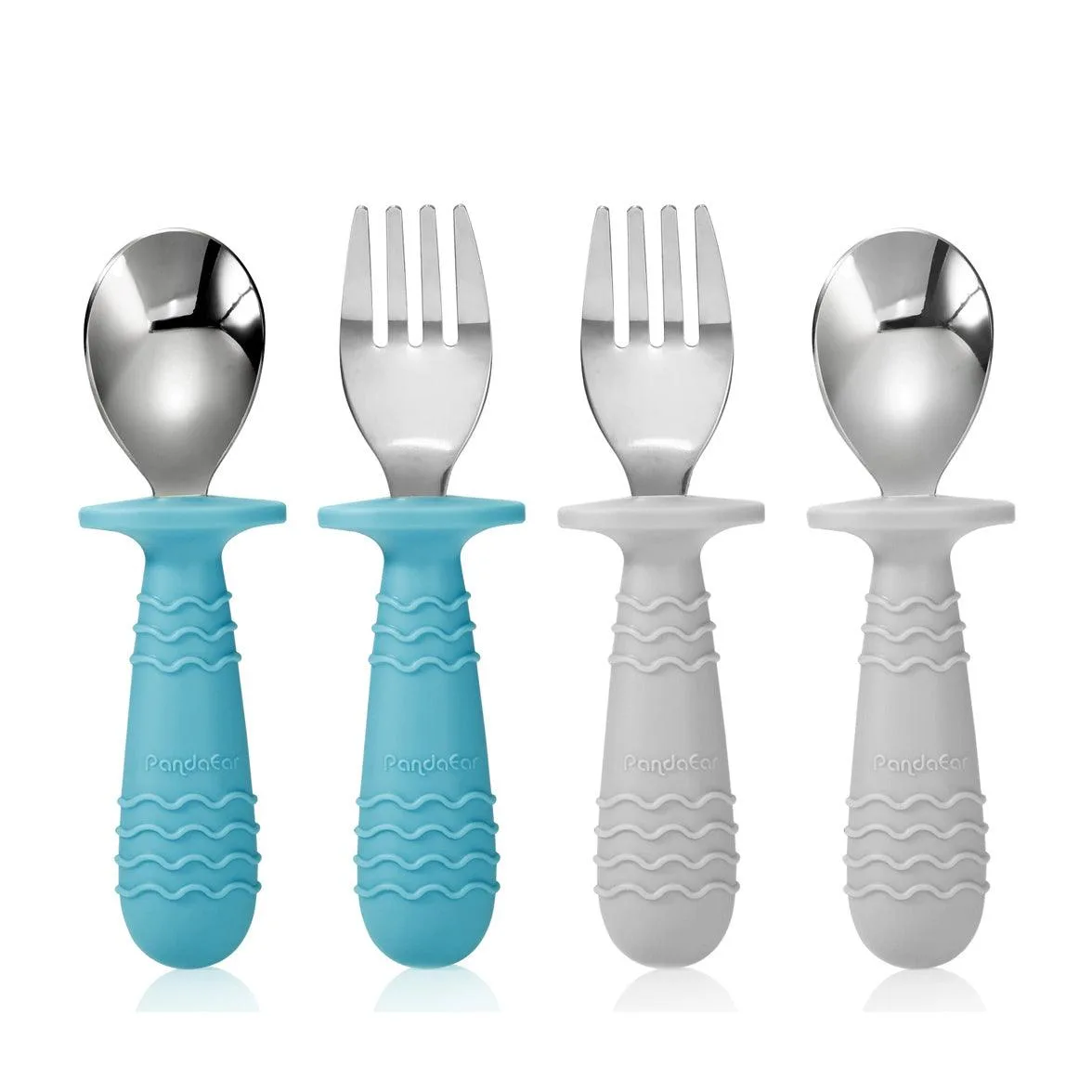
PandaEar's silicone feeding products, such as the https://terracradle.shop/products/feeding-set-120851https://terracradle.shop/products/feeding-set-120896https://terracradle.shop/products/feeding-set-120898Feeding Set, are designed with durability in mind. While not pouches themselves, they reflect the brand's commitment to long-lasting, practical feeding solutions.
- Silicone can go from freezer to microwave without damage, making meal prep easier.
- Plastic may warp or release chemicals when exposed to high heat.
Eco-Friendliness: Reducing Waste
Single-use plastic pouches contribute significantly to landfill waste. Even recyclable ones require energy to process. Silicone pouches are reusable for years, drastically reducing your environmental footprint. While silicone isn't biodegradable, its longevity means fewer resources are used over time compared to constantly buying plastic.
Choosing reusable silicone options aligns with a zero-waste lifestyle. Many parents find that investing in a few high-quality silicone pouches eliminates the need for disposable ones entirely.
- Start with 2-3 silicone pouches to replace dozens of plastic ones.
- When they finally wear out, some brands offer recycling programs.
Cleaning and Maintenance
Plastic pouches can be tricky to clean thoroughly, especially around the seal where food gets trapped. They are often not dishwasher safe or may warp. Silicone pouches are typically dishwasher safe and can be boiled or steamed for sterilization. They don't absorb stains or odors, so they stay fresh with minimal effort.
PandaEar's Light Silicone Bibs (3 Pack) are machine washable, demonstrating the ease of caring for silicone products. The same principle applies to silicone pouches—simple cleaning keeps them hygienic.
- Use a bottle brush to reach corners of silicone pouches.
- Air dry completely to prevent mold.
Cost and Value
Silicone pouches have a higher upfront cost than plastic. However, because they are reusable, the cost per use drops significantly over time. A pack of plastic pouches may cost less initially but needs frequent replacement. Silicone pouches can last for years, making them a better investment.
PandaEar offers affordable silicone products, like the Silicone Bibs (3 Pack) at a budget-friendly price, showing that quality silicone doesn't have to break the bank. While pouches may cost more, the long-term savings are clear.
- Calculate cost per use: a $15 silicone pouch used 300 times costs 5 cents per use.
- Plastic pouches at $0.50 each used once cost 50 cents per use.
Trade-Offs to Consider
- Upfront Cost: Silicone pouches cost more initially than plastic. However, their durability means you won't need to repurchase as often, saving money over time. Invest in quality silicone for long-term savings.
- Weight and Bulk: Silicone pouches are heavier and bulkier than plastic, which may be less convenient for on-the-go use. They take up more space in a diaper bag. If portability is priority, consider compact silicone designs.
- Cleaning Effort: While silicone is easy to clean, it can attract lint and dust. You may need to rinse before first use. Plastic is lighter and often easier to rinse on the go. Plan for a quick rinse or wash after each use.
PandaEar Products That Support Silicone Feeding
- Silicone Bento Box (Blue): Made from BPA-free silicone, lightweight, shatter-resistant, and microwave-safe. This bento box offers a safe, durable alternative to plastic containers for storing baby food, ensuring no harmful chemicals leach into meals.
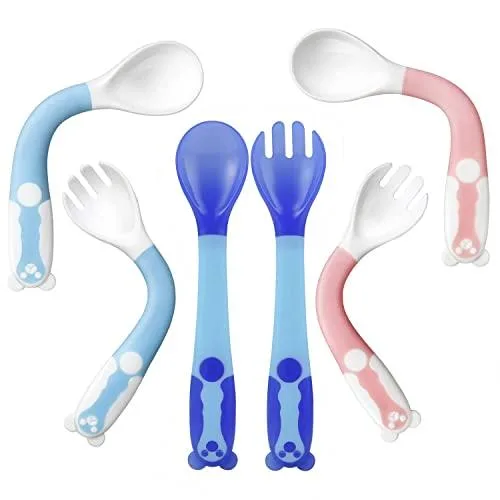
- Feeding Set: A set designed for self-feeding, likely includes silicone utensils and bowls. Pairing silicone storage with silicone feeding tools ensures a consistent, non-toxic feeding experience for your baby.
Which Should You Choose?
Best for
- Parents who prioritize non-toxic materials and are willing to invest upfront for long-term use.
- Eco-conscious families looking to reduce single-use plastic waste.
Not for
- Parents on a very tight budget who need the lowest initial cost and don't mind frequent replacements.
- Those who need ultra-lightweight, disposable options for travel or emergencies.
Choosing between silicone and plastic food pouches comes down to your priorities. If safety, durability, and environmental impact matter most, silicone is the clear winner. While the initial cost is higher, the long-term benefits for your baby and the planet make it a worthwhile investment. Explore PandaEar's range of silicone feeding products to support your journey toward safer, more sustainable baby care.