Quick Answer
A silk sleep mask complements your nightly patch routine by blocking light for deeper rest and cradling skin without friction, so your patch can work while you sleep.
Why Light Blocking Matters for Your Patch
Your nightly patch works best when your body is in a restful state. Light exposure, even from a phone or streetlamp, can disrupt melatonin and keep your nervous system alert. A silk sleep mask creates total darkness, signaling your brain to wind down and helping your patch do its job.
Silk also matters for skin comfort. Unlike cotton or synthetic fabrics, mulberry silk is smooth and breathable, so it won't tug at your skin or trap heat. That's especially useful if you're using a patch that you want to stay in place all night without irritation.
How to Pair Your Silk Sleep Mask with Your Nightly Patch
- Prep your skin and patch area: Cleanse your face and pat dry. If your patch is for the face, apply it before the mask. For body patches, choose a spot that won't be covered by the mask's strap. Make sure the patch is fully adhered before putting on the mask.
- Adjust the mask for comfort: Put on the silk sleep mask and adjust the strap so it's snug but not tight. A common mistake is pulling it too tight, which can cause headaches or shift the mask off during the night. Check for gaps around the nose and edges to ensure total darkness.
- Keep the mask clean and dry: Wash the mask regularly according to care instructions. Oils from your skin or patch residue can build up and reduce the mask's softness or cause breakouts. Have a second mask ready so you can rotate while one dries.
Product Spotlight
-
Silk Sleep Mask: Made from soft mulberry silk, gentle on skin and hair. The smooth fabric reduces friction, so it won't disturb your patch or cause morning creases.
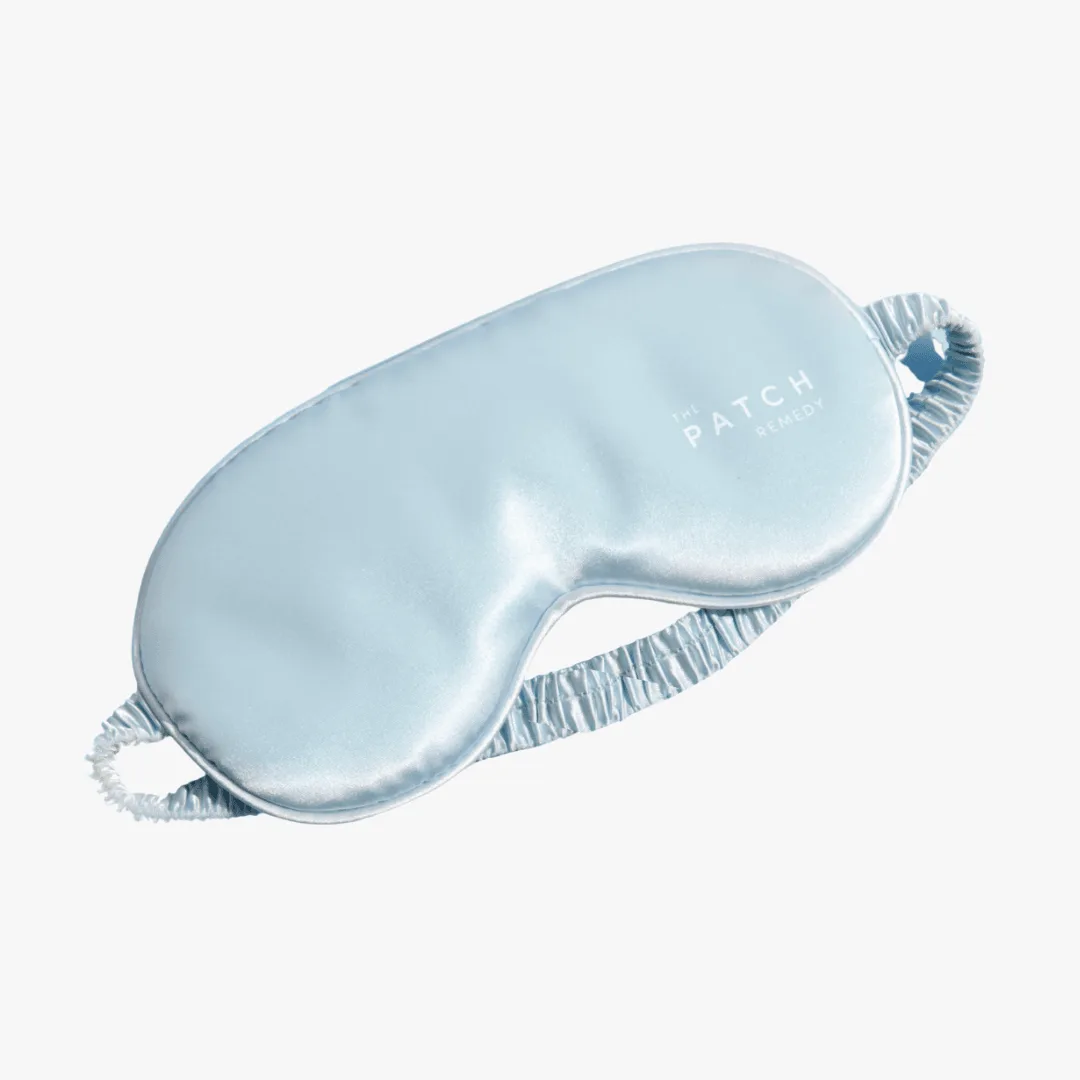
Silk Sleep Mask