Quick answer
Silk underwear is breathable and generally less irritating than synthetic fabrics because silk fibers are smooth and absorb moisture rather than trapping it. Most irritation blamed on silk actually comes from tight elastics, leftover detergent, or dye sensitivity, not the silk itself. If your skin is reactive, start with a smooth-cut silk style, wash it before first wear, and size up rather than down.
Silk has a reputation for being delicate, but the fabric itself is one of the kinder things you can put against your skin. The confusion usually starts when someone tries silk underwear, feels a pinch or a tickle, and assumes silk is the problem. More often, the culprit is a seam, a snug elastic band, or a detergent that never fully rinsed out.
This guide answers the questions people actually ask before buying: does silk breathe, can it irritate sensitive skin, and how does it compare with synthetic underwear. Where a product detail is not listed in the catalog, we say so instead of guessing.
Is silk underwear breathable?
Yes. Silk is a natural protein fiber with a porous structure, so it lets air move and absorbs some moisture instead of sealing it against your skin the way polyester and nylon do. That is why silk feels cool in warm rooms and less clammy after a long day. It is not the same as wearing nothing, but it is a clear step up from most synthetic blends for daily wear.
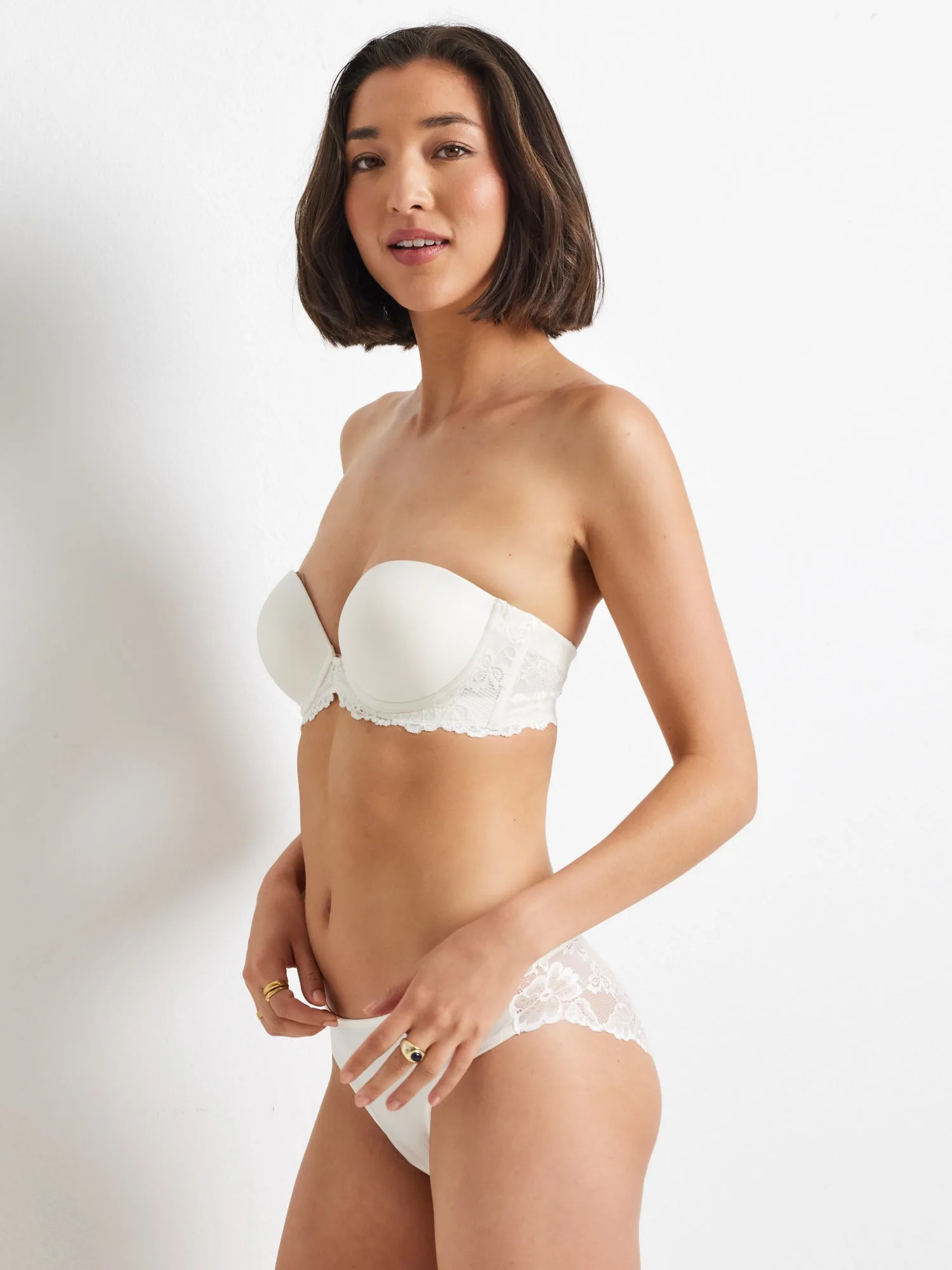
Breathability also depends on the cut and the fit. A silk bra with a wide, flexible elastic band and adjustable straps, like the Giselle Blanche silk bra, sits close without pressing hard, so air can still move around the ribcage. A style that digs in will feel hot no matter how good the fabric is.
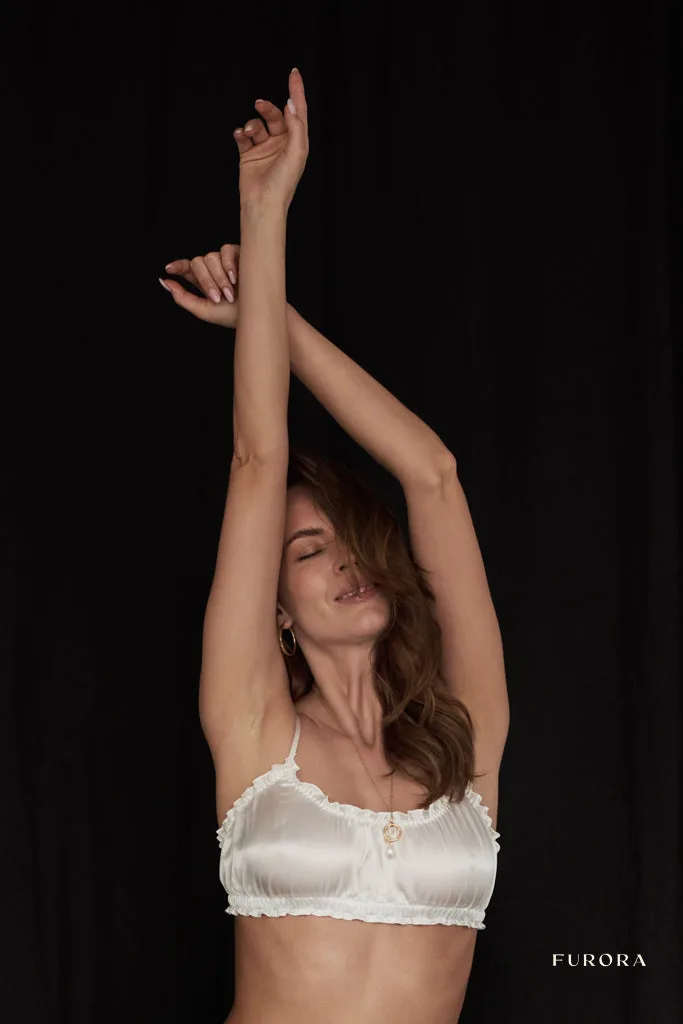
Giselle Blanche silk bra
- Choose a cut that covers without compressing, especially around the waist and underband.
- If you run hot, silk shorts and bras beat full-coverage synthetic shapewear for everyday breathability.
Can silk underwear cause irritation?
Silk itself is rarely the irritant. Silk fibers are smooth and do not have the rough, microscopic edges that can catch on skin. When people report silk underwear irritation, the cause is usually mechanical or chemical: a tight elastic, a scratchy label, a seam in the wrong place, or residue from a harsh detergent or fabric softener.
Fit is the most common fixable issue. Underwear that rides up or cuts in creates friction, and friction is what makes skin sore. If a pair leaves red marks that last after you take it off, the size or the cut is wrong, not the fabric. Sizing up is often more effective than switching materials.
- Wash new silk underwear before the first wear to remove any finishing residue.
- Skip fabric softener and bleach; both leave a coating that can bother sensitive skin.
- If a specific pair itches but others do not, compare the elastic and seam placement before blaming silk.
Is silk good for sensitive skin?
For many people with sensitive skin, silk is a comfortable choice because it is smooth, lightweight, and does not trap sweat the way synthetics can. It is also a natural fiber, which some wearers prefer over petroleum-based fabrics. That said, sensitive skin is individual. A small number of people react to certain dyes or to the elastane blended into a silk garment for stretch.
A practical approach is to start with one piece in a light, undyed-looking tone and wear it for a few hours before committing to a full set. Deep black silk, for example the Rosalie Noire Silk Panties, is a classic choice, but if you are testing reactivity, begin with a lighter color and see how your skin responds.
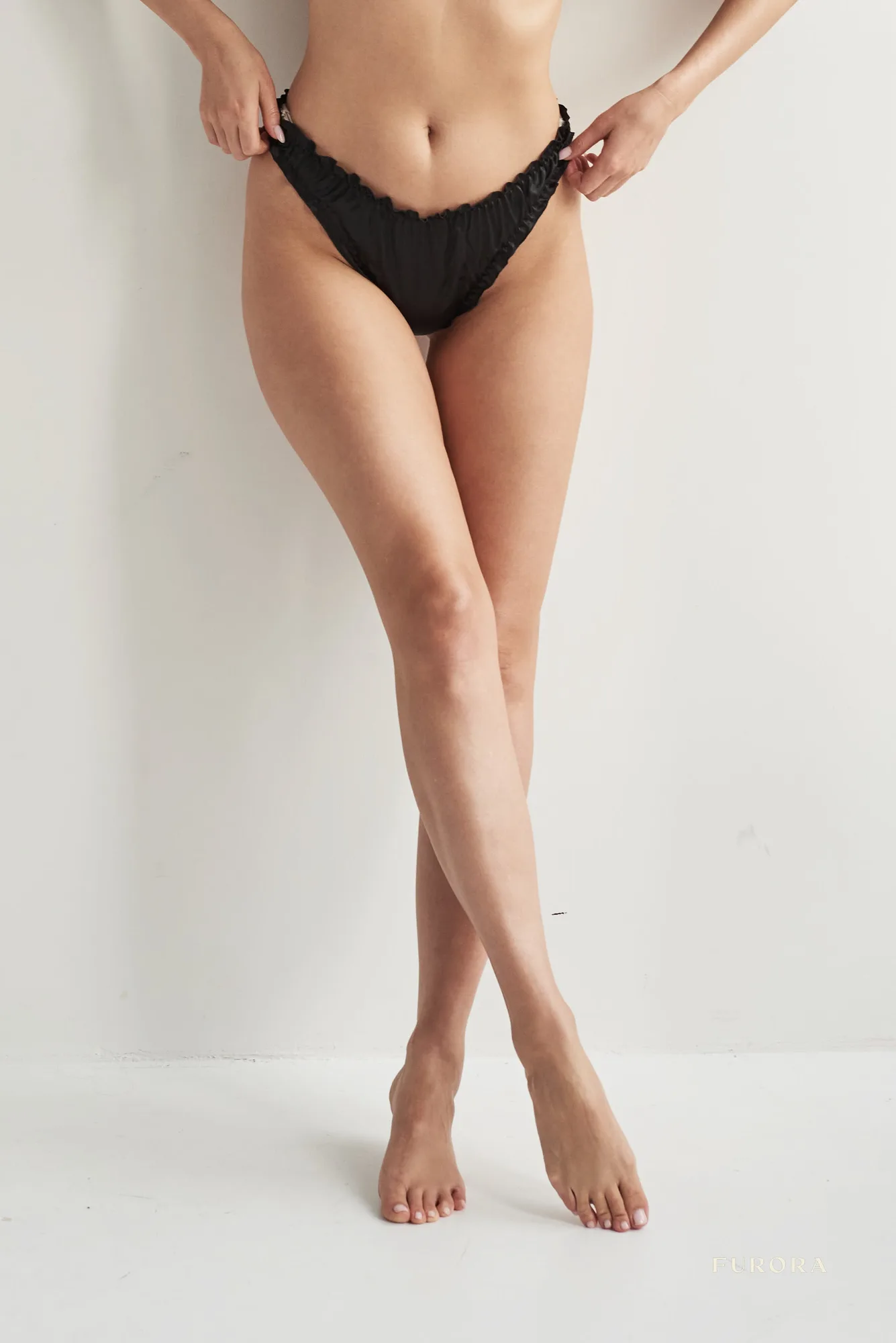
Rosalie Noire Silk Panties
- Patch-test a new silk piece for a few hours before wearing it all day.
- Check the composition: a small percentage of elastane adds stretch, but it is worth knowing it is there.
- If you react to a specific color, try a lighter shade from the same brand before ruling out silk entirely.
How does silk compare with synthetic underwear for skin?
Synthetic fabrics like polyester and nylon are durable and cheap, but they hold moisture and heat against the body. In humid weather or during activity, that trapped moisture can soften skin and make chafing more likely. Silk absorbs some moisture and releases it, so the surface against your skin stays drier for longer.
Cotton is also breathable, but it stays wet once damp and can feel heavy. Silk dries faster and stays smooth when damp, which is why it works well for travel and for people who alternate between warm rooms and cool ones. The tradeoff is care: silk needs gentler washing than cotton or synthetics.
- For humid climates, silk is usually more comfortable than polyester blends.
- For heavy sweating, no fabric is perfect; choose a loose silk cut and change after activity.
Does the cut matter as much as the fabric?
It matters more than most shoppers expect. A silk bra with adjustable straps and a flexible band can be worn all day without pressure points, while a rigid style in the same fabric may feel uncomfortable by afternoon. The same logic applies to bottoms: a high waist with a wide elastic band distributes pressure instead of concentrating it.
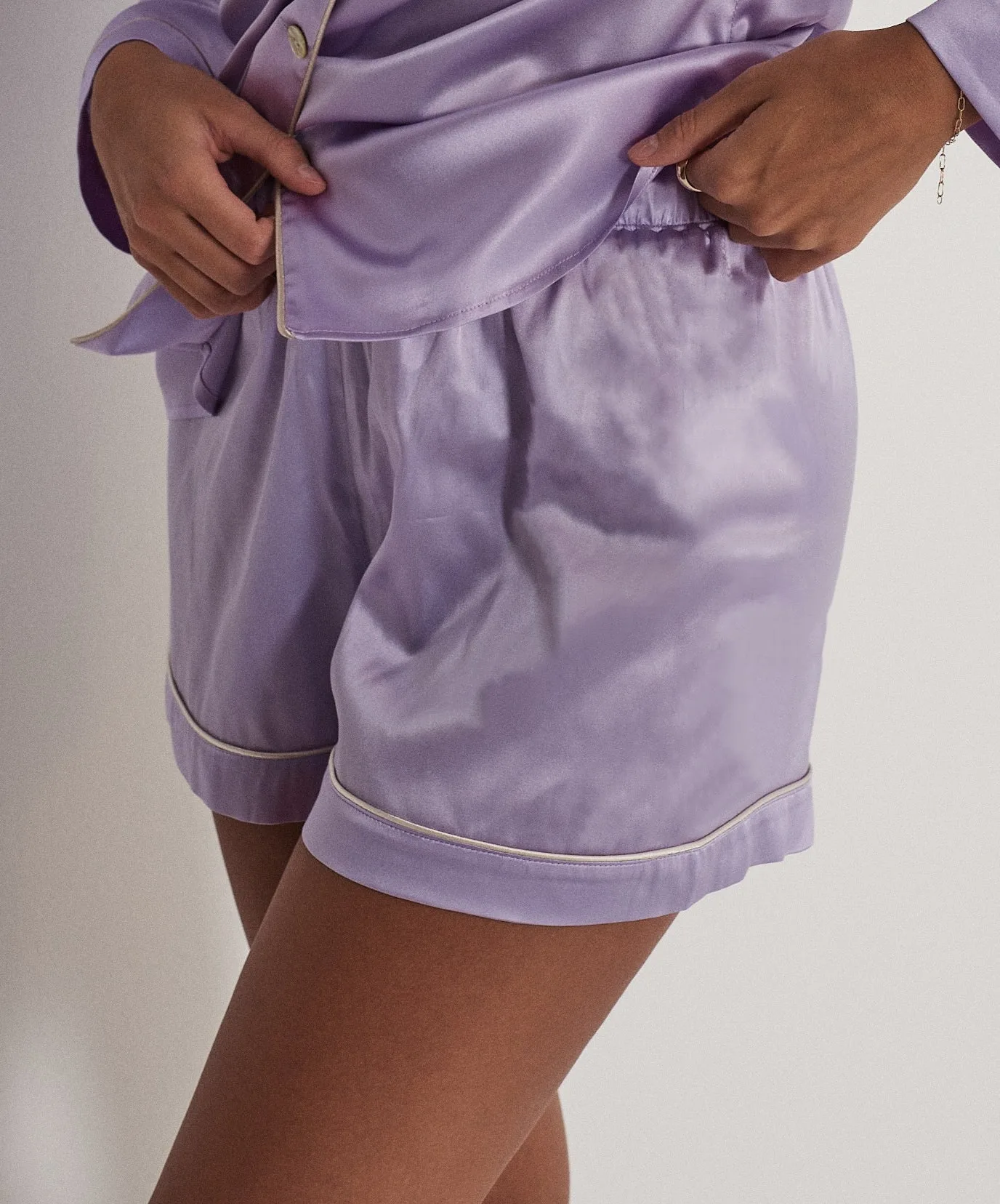
The Noemie Lilac Shorts show how cut and fabric work together. They are made of silk with a high waist and a wide elastic band, and the catalog notes they are cut to cover the buttocks without sticking to the stomach. That combination reduces friction and keeps the fabric from creeping, which is often what makes underwear feel irritating.
- Look for adjustable straps and wide, covered elastics rather than thin, tight bands.
- A slightly longer leg or higher rise reduces riding up and the friction that follows.
Quick checks before you buy silk underwear
Fabric composition
Look for a high silk percentage; a small amount of elastane adds stretch but is worth noting if your skin is reactive. If the listing does not state the composition, treat that as a reason to ask before buying.
Elastic and seam placement
Wide, covered bands and flat seams reduce the friction that causes most irritation complaints. Adjustable straps and a wide underband are practical signs of a comfortable fit.
Wash routine
Rinse thoroughly and skip fabric softener; residue is a common cause of itching that gets blamed on silk. Wash new pieces before first wear and use a gentle detergent.
Size and cut
Size up rather than down if you are between sizes, and choose a cut that covers without compressing. Red marks that linger after removal mean the fit is wrong, not the fabric.
Catalog facts worth knowing
- Giselle Blanche silk bra: Made of Italian ecru silk with adjustable straps and a flexible, wide elastic band that allows adjusting to the figure. Adjustability and a wide band reduce pressure points, which is often what makes a bra feel irritating rather than the silk itself.
- Rosalie Noire Silk Panties: Silk fabric adapts to the body and allows skin to breathe, with a cut and ruffles in deep black. A breathable silk bottom in a classic cut is a practical starting point if you want to test how your skin responds to silk.
- Noemie Lilac Shorts: Silk shorts with a high waist and a wide elastic band that fit without sticking to the stomach, with a length that covers the buttocks. A wide waistband and fuller coverage reduce friction and riding up, two common sources of skin discomfort.
- Estelle Silk Set: Striped silk shorts and a bestselling elasticated bra with adjustable straps; the shorts are slightly undercut on the sides and cut longer to cover the buttocks. A matching set with adjustable straps and a longer short leg gives you a low-friction option for all-day wear without guessing at fit.
Silk underwear is breathable and generally gentle on skin, but comfort comes from the whole garment: the silk, the elastic, the cut, and how you wash it. Start with one well-fitting piece, wash it before wearing, and judge your skin's response before building a full drawer.