Quick answer
Choose silk if your priority is less friction on hair and skin, especially if you have fine or fragile hair or sleep on your side. Choose cotton if you want breathability, durability, and easy machine washing at a lower price. For most people, the best setup is a silk pillowcase for sleep and cotton sheets elsewhere.
How silk and cotton actually differ at night
The main difference is friction. Silk fibers are smooth and let hair and skin glide, which can reduce tangles, creases, and moisture loss. Cotton is a natural fiber with more texture; standard weaves create more friction, though sateen and long-staple weaves feel noticeably smoother than basic cotton.
Breathability is the second difference. Cotton absorbs moisture well and feels cool and crisp, which suits hot sleepers and humid rooms. Silk is temperature-regulating but can feel warmer if you sleep hot or live in a humid climate. Neither fabric is automatically better; the right pick depends on whether you prioritize hair and skin protection or cooling and easy care.
What to look for in a silk pillowcase
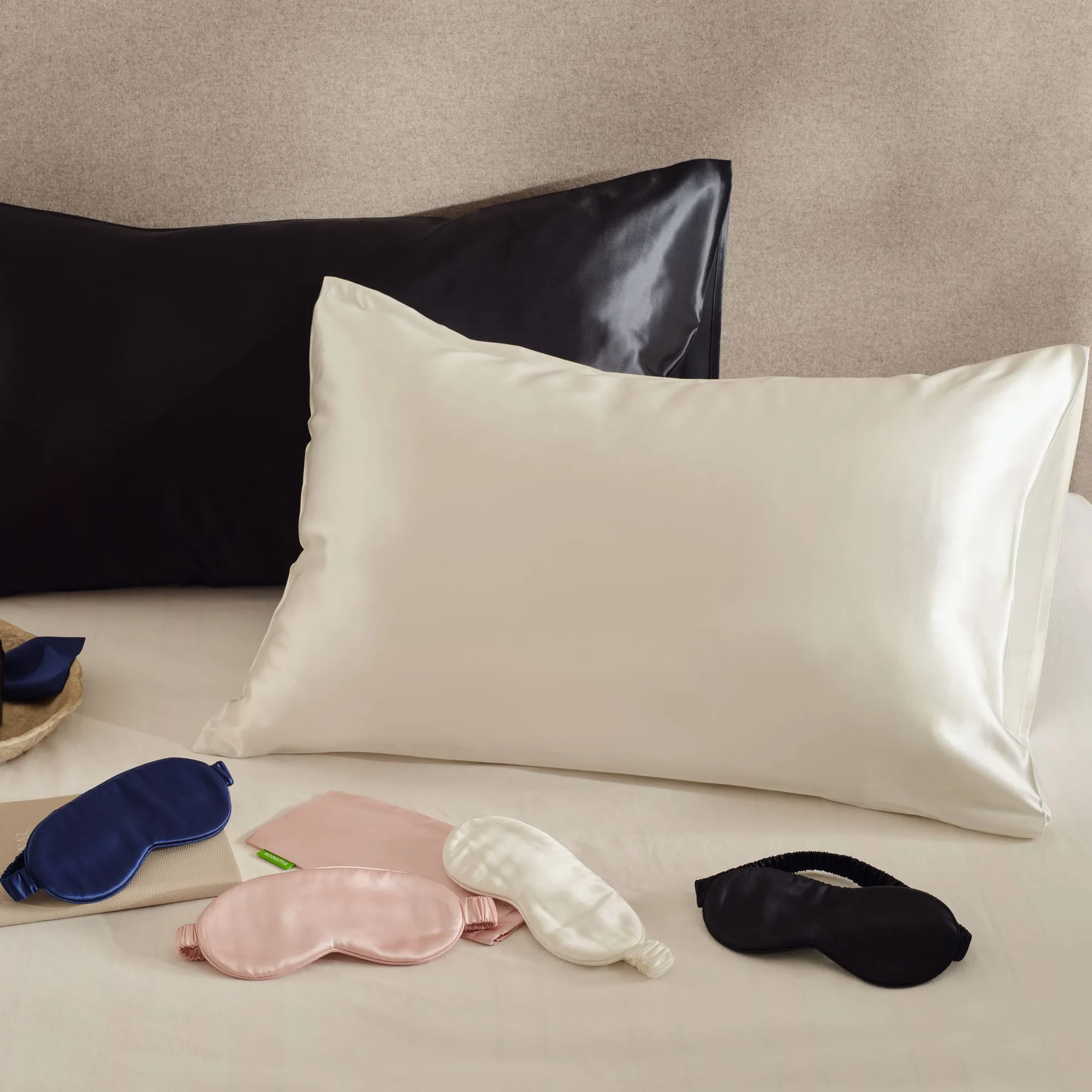
Not all silk is the same. Mulberry silk is the most common type used in pillowcases because its long fibers create a smooth, consistent surface. Look for 100% mulberry silk and a momme weight between 19 and 22 for a balance of durability and softness. Lower momme feels delicate; higher momme feels heavier and lasts longer but costs more.
Silk requires gentle care: hand wash or use a mesh bag on a delicate cycle with a pH-neutral detergent, then air dry away from direct sun. Skip the dryer and harsh detergents, which break down the fibers. If you are not ready for that routine, a silk-blend or satin pillowcase is a lower-maintenance alternative, though it will not match pure silk's benefits.
What to look for in a cotton pillowcase
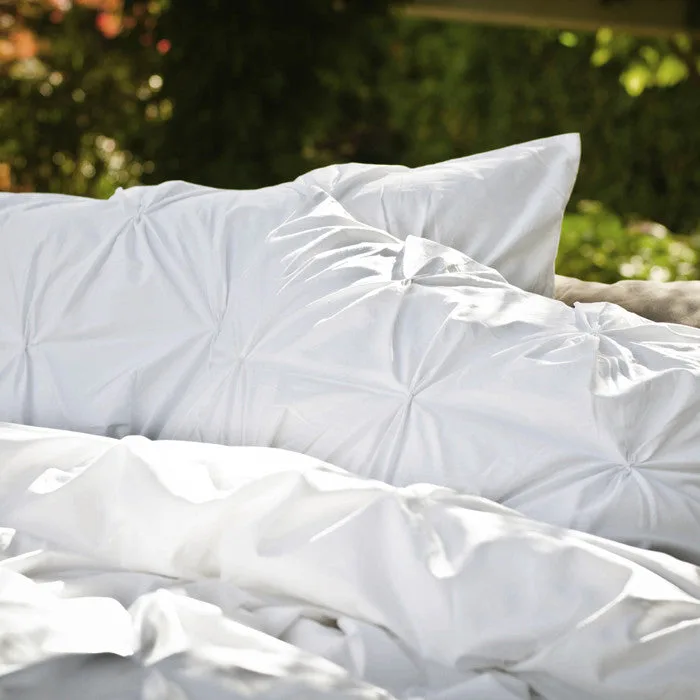
Cotton quality comes down to fiber length and weave. Long-staple and extra-long-staple cotton produce smoother, stronger yarns that resist pilling. Sateen weave gives a subtle sheen and a silk-like feel without the care requirements. Thread count matters less than fiber quality; a 300-thread-count long-staple sateen can feel better than a 600-thread-count short-staple cotton.
Cotton is the practical choice for most households. It handles machine washing and drying, tolerates regular detergent, and holds up to frequent rotation. If you want a smoother cotton feel, look for sateen finishes and long-staple or extra-long-staple cotton. If you want crispness, a percale weave is the better match.
Price, durability, and real-world trade-offs
Silk costs more upfront and needs more careful laundering, but it can last for years if you treat it well. Cotton costs less, tolerates rough washing, and is easy to replace. For hair and skin, silk has the edge because of lower friction; for cooling, durability, and convenience, cotton wins.
A practical compromise is to use a silk pillowcase on the side you sleep on and cotton sheets elsewhere. If you share a bed, pair a silk pillowcase with a cotton pillowcase so each sleeper gets their preferred surface. This also keeps your laundry routine simple: wash cotton often, wash silk gently and less frequently.
Trade-offs to weigh before you buy
- Hair and skin friction: Silk creates less friction than cotton, which can reduce tangles and sleep creases. Cotton sateen with long-staple fibers is smoother than basic cotton but still has more friction than silk. Choose silk if hair and skin protection is your top priority.
- Care and durability: Silk needs gentle washing and air drying; cotton handles machine washing and drying with regular detergent. Cotton also resists wear from frequent laundering better than silk. Choose cotton if you want low-maintenance bedding you can wash often.
- Temperature and feel: Cotton breathes well and feels cool and crisp, which suits hot sleepers. Silk regulates temperature but can feel warmer in humid conditions. Choose cotton for cooling; choose silk for a smooth, cool-to-the-touch feel in dry climates.
- Budget and value: Silk pillowcases cost more upfront and require careful care. Cotton pillowcases cost less and are easy to replace, and long-staple sateen cotton offers a smoother feel at a lower price. If budget is tight, start with long-staple cotton sateen and upgrade to silk later.
Product facts that matter for this choice
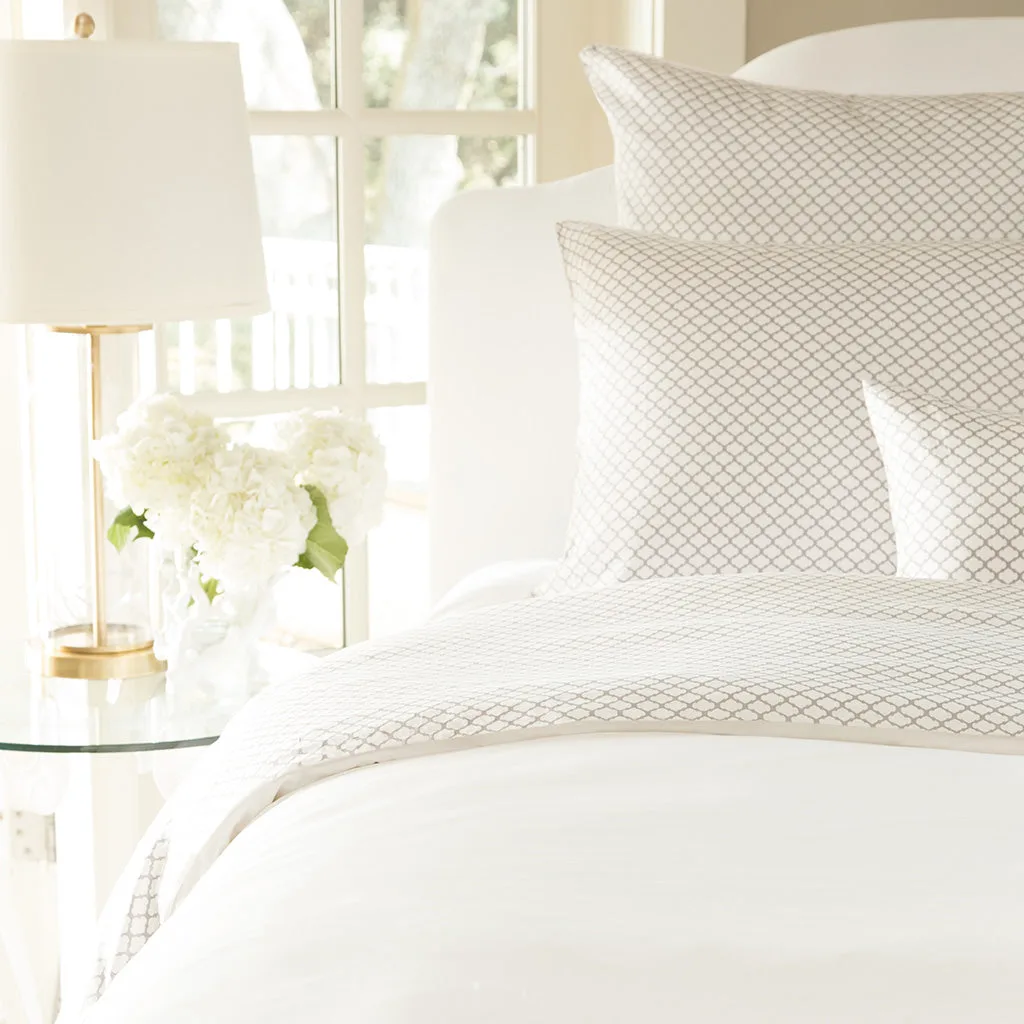
- Grey Page Duvet Cover: 300-thread-count sateen weave, 100% long-staple cotton, with a white top that reverses to a small printed grey cloud pattern. Long-staple cotton in a sateen weave gives a smoother, lower-friction feel than basic cotton, making it a practical middle ground if you want some silk-like softness without silk care.
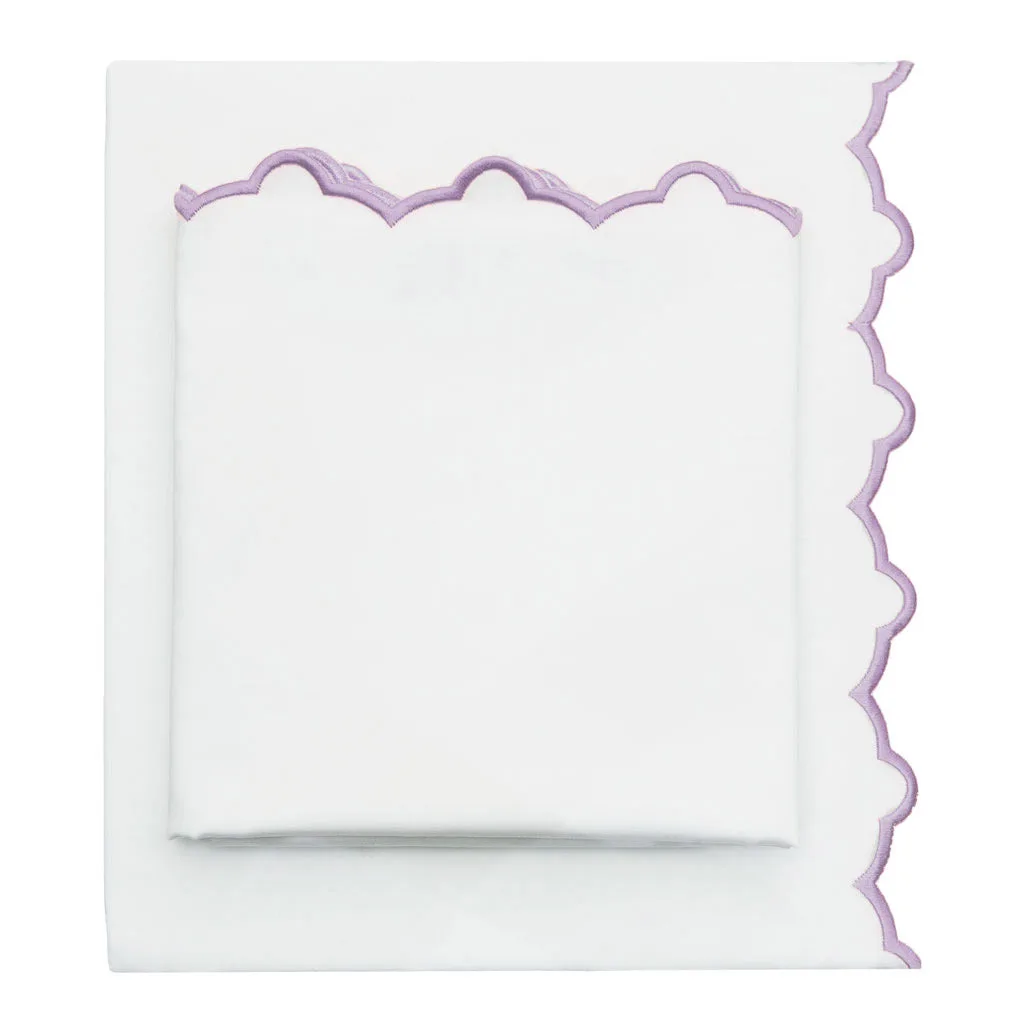
- Lilac Purple Scalloped Embroidered Sheet Set (Fitted, Flat, & Pillow Cases): 400-thread-count 100% cotton sateen, extra-long staple cotton, with a lilac purple scalloped embroidered hem. Extra-long staple cotton and a 400 thread count create a dense, smooth surface that is gentle on hair and skin while remaining machine washable.
- French Blue Striped Fitted Sheet: 300-thread-count 100% cotton sateen, long staple cotton, French blue striped, sold as a set or individually. A lower-cost cotton option that still uses long-staple sateen, useful if you want to test a smoother cotton pillowcase before investing in silk.
Which should you choose?
Best for
- Anyone with fine, fragile, or color-treated hair who wants less friction overnight
- Side sleepers who want to reduce sleep creases on the face
- Shoppers willing to hand wash or use a delicate cycle for a smoother sleep surface
Not for
- Hot sleepers who need maximum breathability and moisture absorption
- Anyone who wants to wash bedding frequently with regular detergent and a dryer
- Shoppers looking for the lowest upfront cost or the easiest replacement