Quick answer
Silk is a natural protein fiber produced by silkworms, while satin is a weaving technique that creates a smooth, glossy surface. Satin can be made from silk, polyester, nylon, or blends. If you want breathability, temperature regulation, and a natural fiber against your skin, choose silk. If budget or easy care matters most, satin made from synthetics may be the practical pick. For lingerie and sleepwear, silk is the more comfortable choice—but it costs more and needs gentle care.
The words 'silk' and 'satin' get used interchangeably, but they describe two different things. Silk is a fiber. Satin is a weave. That distinction explains why a satin pillowcase can cost $10 while a silk one costs $80—and why they feel different after a few washes.
This guide breaks down the real difference between silk and satin, then helps you decide which one belongs in your underwear drawer, your sleepwear, and your wardrobe.
What is silk?
Silk is a natural fiber produced by silkworms. It's a protein-based material, which is why it feels smooth and breathable against skin. Silk fibers are strong but delicate, and they regulate temperature better than most synthetics. In clothing, silk is often woven into satin, chiffon, or crepe—so a silk garment can have a satin finish without being 'satin' in the fiber sense.
Because silk is natural, it's biodegradable and tends to be gentler on sensitive skin. The trade-off is cost and care: silk requires hand washing or gentle cycles, and it can be damaged by harsh detergents or high heat.
- Look for a composition label that says '100% silk' or a high silk percentage—if it says 'polyester satin,' it's not silk.
What is satin?
Satin is a weaving technique that produces a glossy front and a dull back. It can be made from any fiber: silk, polyester, nylon, or blends. When people say 'satin sheets' or 'satin pajamas,' they usually mean polyester satin—a synthetic fabric that mimics silk's shine at a lower price.
Synthetic satin is durable, wrinkle-resistant, and machine washable. However, it doesn't breathe as well as silk and can trap heat. It also tends to feel cooler and less adaptive to body temperature.
- Check the label: 'satin' alone doesn't tell you the fiber. 'Silk satin' means silk woven in a satin weave; 'polyester satin' means synthetic.
Key differences at a glance
Fiber vs. weave: Silk is a fiber; satin is a weave. A garment can be silk satin (silk fiber, satin weave) or polyester satin (synthetic fiber, satin weave). This is the core of the silk vs satin confusion.
Breathability and comfort: Silk is breathable and temperature-regulating. Synthetic satin is less breathable and can feel clammy. For underwear or pajamas worn against skin, silk usually wins on comfort.
Care and durability: Synthetic satin is machine washable and holds up well. Silk needs gentle care and can snag, but it lasts for years if treated properly.
Price: Silk costs more because of production. Satin made from synthetics is budget-friendly.
- If a product is labeled 'satin' without a fiber content, assume it's synthetic unless proven otherwise.
How to choose for underwear and sleepwear
For underwear, the fiber matters most because it sits against sensitive skin. Silk underwear, like the Giselle Blanche silk bra or Rosalie Blanche Silk Panties, offers breathability and a natural feel. The Giselle Blanche bra is made of Italian ecru silk with adjustable straps and a flexible elastic band, while the Rosalie Blanche panties use silk that adapts to your body and allows skin to breathe.
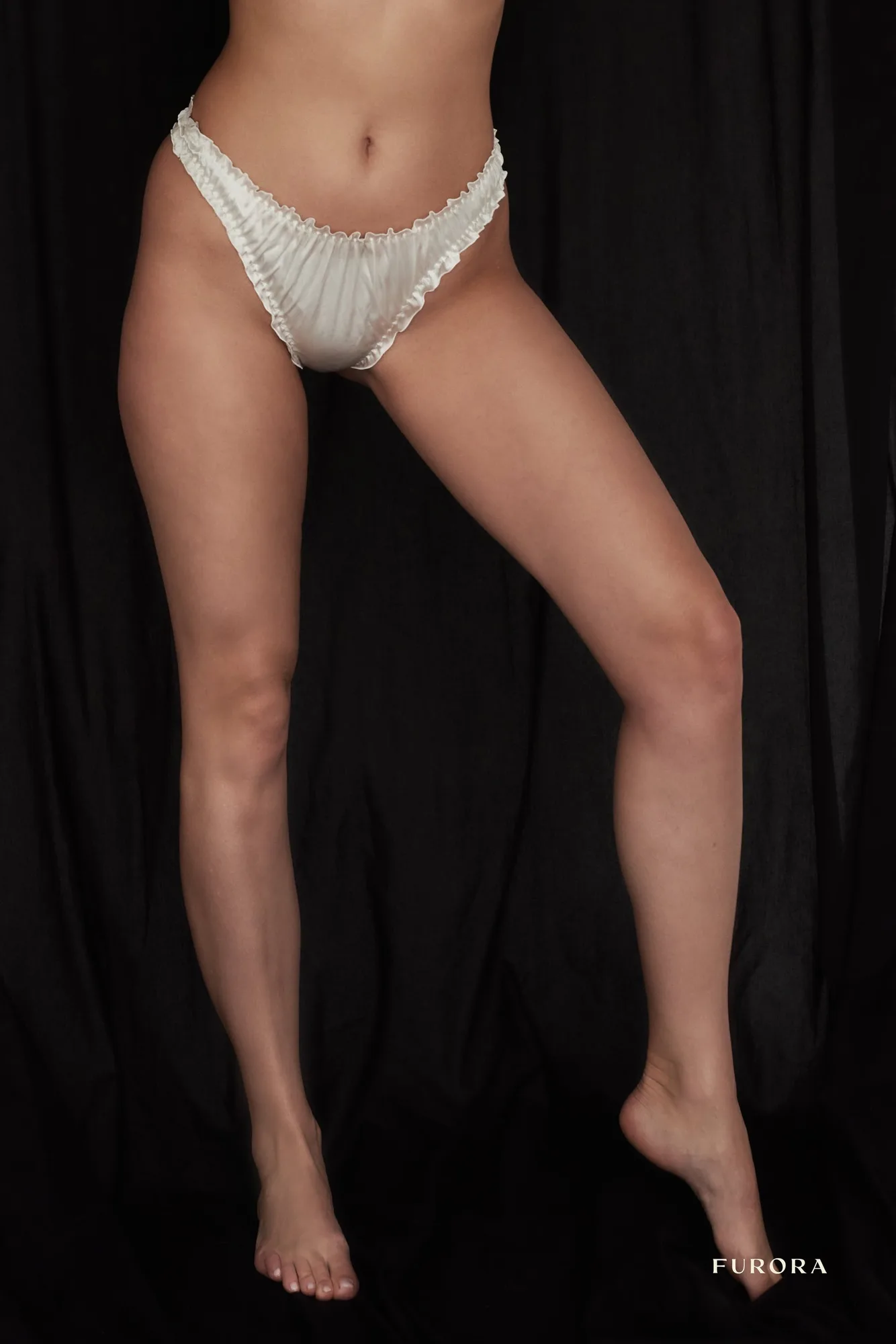
Rosalie Blanche Silk Panties
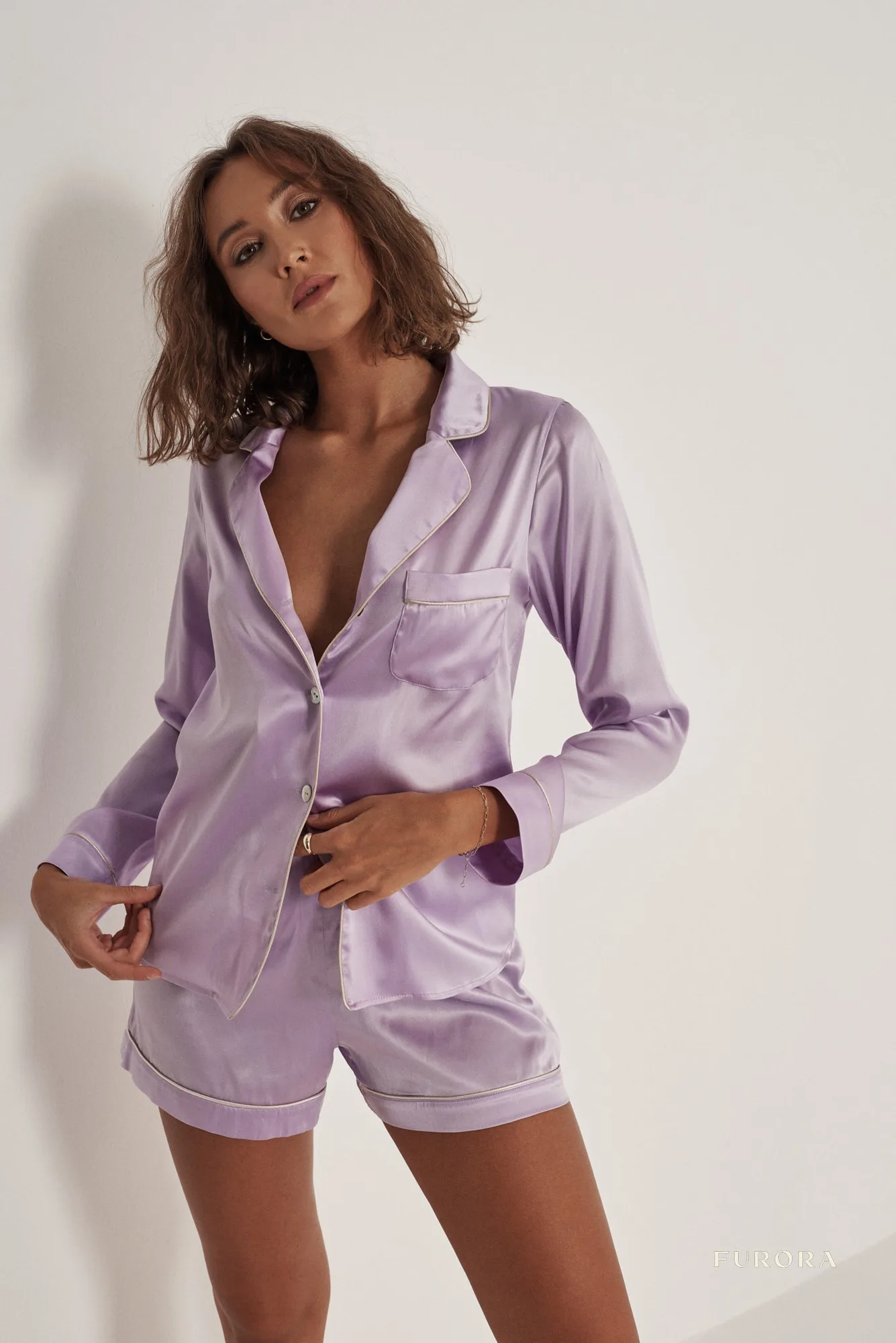
For sleepwear, silk pajamas regulate temperature and feel luxurious. The Jeanne Lilac Silk Pajamas are a shirt-and-shorts set in lilac with beige trim—ideal if you want legs exposed and shoulders covered. Synthetic satin pajamas cost less but may not breathe as well, which can matter if you sleep hot.
- If you sleep hot or have sensitive skin, prioritize silk over synthetic satin.
How to choose for everyday clothing and accessories
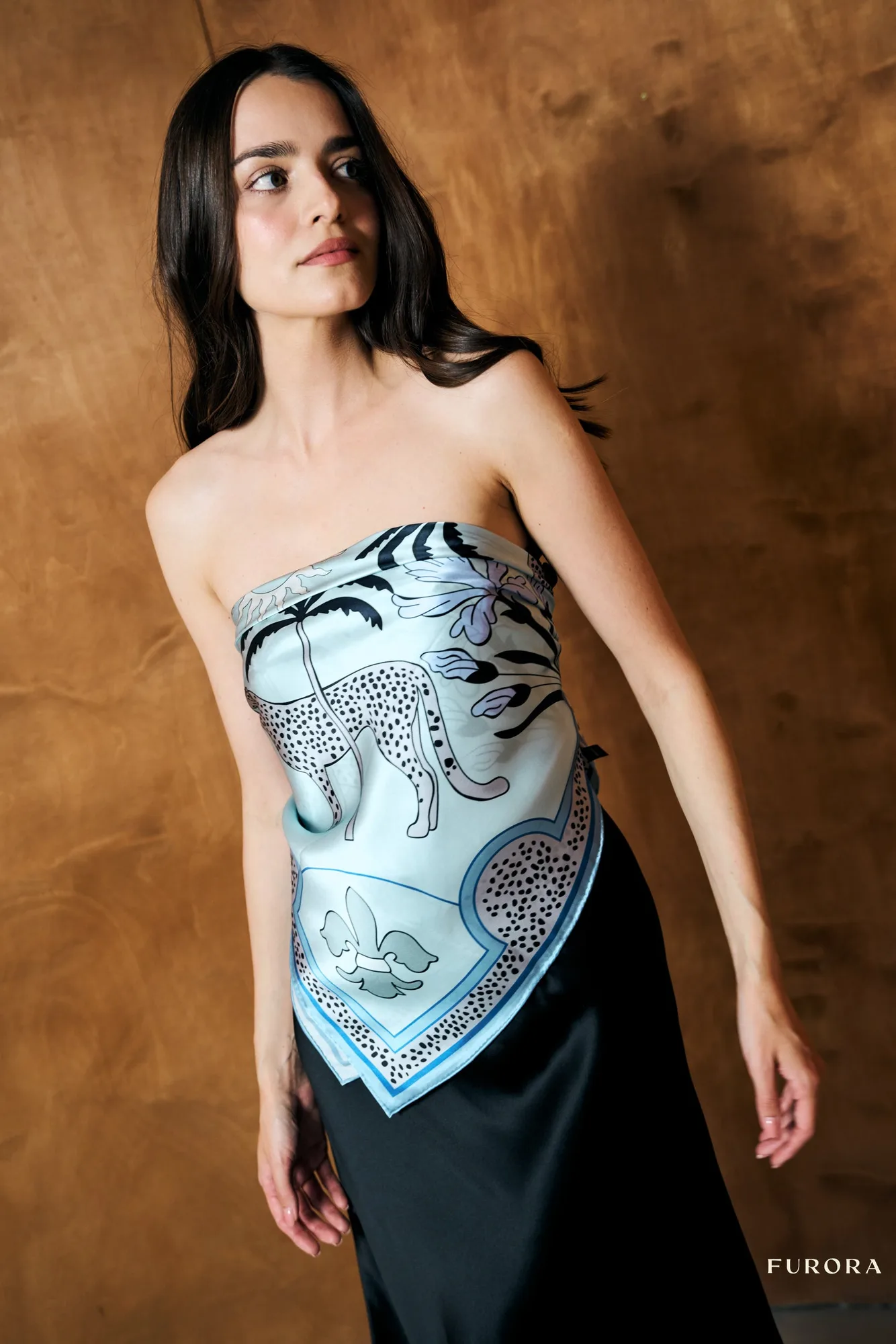
For blouses and scarves, silk adds a subtle sheen and drapes beautifully. The Madeleine Blanche Silk Blouse has a classic cut with puffed shoulders and mother-of-pearl buttons, while the Jade Silk Scarf offers a nature-inspired pattern in blue shades. Both are silk, so they breathe and feel soft all day.
Synthetic satin can work for a budget-friendly statement piece, but it may not regulate temperature as well. If you want a piece that lasts and feels comfortable in different climates, silk is the better investment.
- For accessories worn near your face, silk's breathability and softness are worth the extra cost.
Trade-offs to weigh
- Fiber vs. weave: Silk is a natural fiber; satin is a weave that can be made from silk or synthetic fibers. A silk satin garment combines both, but polyester satin is not silk. Always check the fiber content label, not just the word 'satin'.
- Comfort vs. cost: Silk breathes and regulates temperature but costs more. Synthetic satin is affordable and easy to wash but less breathable. For items worn against skin, silk is usually worth the investment; for occasional fashion pieces, satin can suffice.
- Care vs. convenience: Silk requires gentle washing and careful drying. Synthetic satin is machine washable and wrinkle-resistant. If you prefer low-maintenance laundry, synthetic satin is easier; if you'll hand wash, silk rewards you with longevity.
Product facts
- Giselle Blanche silk bra: Made of Italian ecru silk with adjustable straps and a flexible, wide elastic band that allows adjusting to the figure. The adjustable band and straps help you get a secure fit, while the silk fiber keeps the bra breathable for all-day wear.
- Rosalie Blanche Silk Panties: Silk fabric adapts to your body and allows your skin to breathe; the cut fits perfectly and does not stick to the buttocks. Breathable silk and a non-stick cut reduce irritation, making these a strong choice for sensitive skin or warm weather.
- Jeanne Lilac Silk Pajamas: Consist of a long-sleeve shirt and shorts in lilac with contrasting beige trim; natural silk fabric fits your body. The shirt-and-shorts combination covers shoulders while exposing legs, ideal for sleepers who want ventilation without feeling exposed.
- Madeleine Blanche Silk Blouse: Classic cut with delicate puffed shoulders, slightly flared sleeves, and a stand-up collar with mother-of-pearl buttons. The silk blouse offers a polished look that transitions from office to evening, with natural buttons adding a refined detail.
Which should you choose?
Choose silk if you...
- Want breathable, temperature-regulating fabric for underwear, sleepwear, or blouses
- Have sensitive skin or sleep hot and need natural fibers
- Are willing to hand wash or use gentle cycles to keep garments lasting
Choose satin (synthetic) if you...
- Need a budget-friendly option for a trend piece or costume
- Prefer machine-washable, low-maintenance fabrics
- Don't mind less breathability for the sake of shine and price
Silk and satin aren't opposites—silk can be woven into satin, and satin can be made from polyester. The real choice is between a natural, breathable fiber and a weave that may be synthetic. For everyday comfort and skin-friendly wear, silk wins. For budget and easy care, synthetic satin has its place. Check the label, decide what matters most, and you'll pick the right fabric every time.