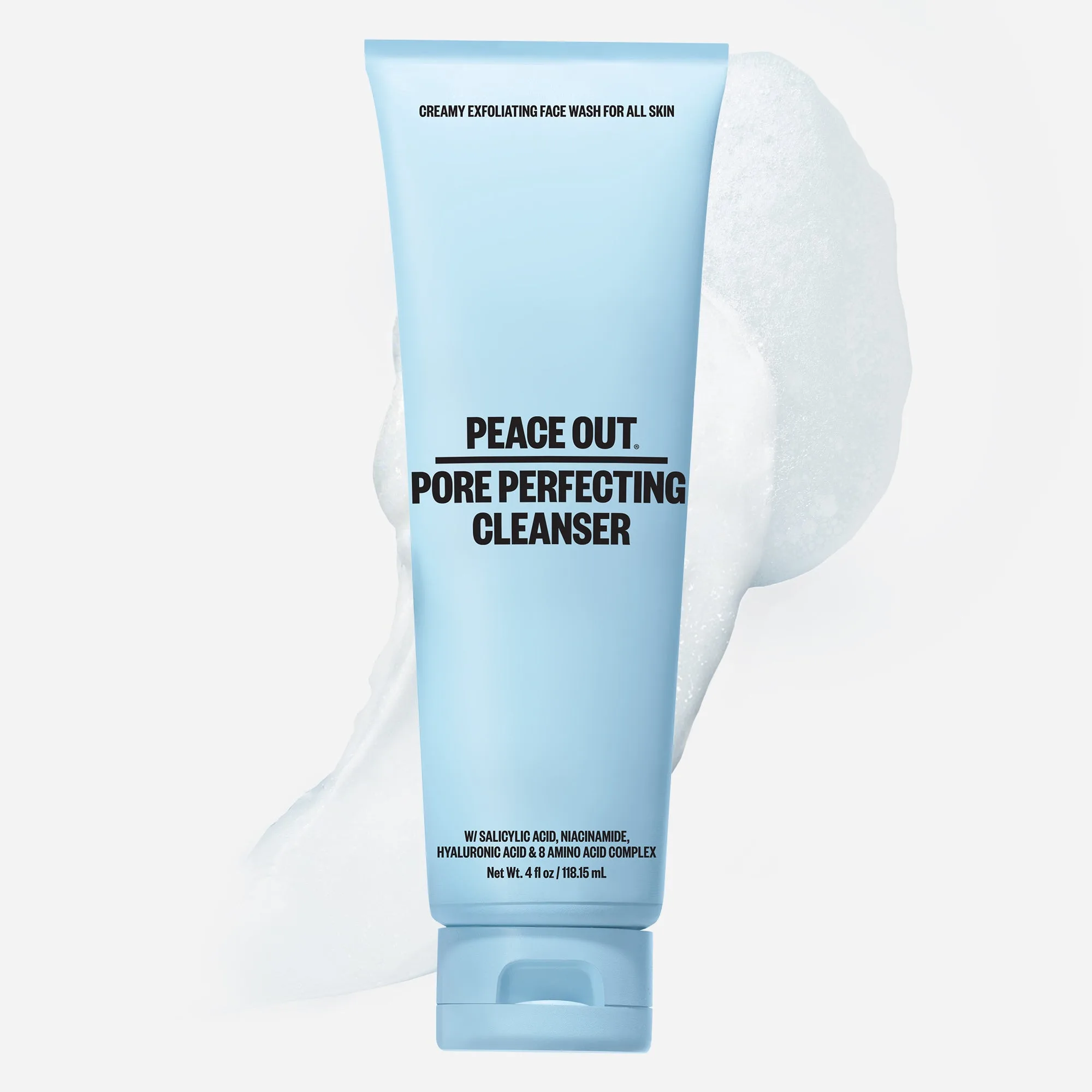
Building an effective acne skincare routine doesn't have to be complicated. In fact, a simple routine with just three core steps – cleanser, serum, and moisturizer – can work wonders for your skin. The key is to use the right products in the right order, and to be consistent.
In this guide, we'll walk you through the essential steps of a basic acne routine, explain why each step matters, and share tips on how to choose the best products for your skin type. Whether you're a skincare newbie or looking to simplify your current routine, this article will help you achieve clearer, healthier skin.
Why a Simple Routine Works for Acne
When you have acne, it's tempting to try every product on the market. However, using too many products can irritate your skin, disrupt its natural barrier, and actually make breakouts worse. A simple routine – cleanse, treat, moisturize – provides the essential care your skin needs without overwhelming it.
Sticking to the basics also makes it easier to identify what works and what doesn't. If you introduce one new product at a time, you can see how your skin reacts and adjust accordingly. This approach is not only more effective but also more budget-friendly.
- Fewer products mean less risk of irritation and clogged pores.
- A consistent routine helps maintain skin barrier health.
- You can easily pinpoint which product is causing any issues.
Step 1: Start with a Gentle Cleanser
Cleansing is the foundation of any skincare routine. In the morning and evening, washing your face removes dirt, oil, and impurities that can contribute to breakouts. For acne-prone skin, it's important to choose a gentle, non-comedogenic cleanser that won't strip your skin of its natural oils.
Our Acne Gel Cleanser is specifically formulated with salicylic acid to unclog pores and reduce inflammation, while still being gentle enough for daily use. It lathers into a soft foam that rinses clean, leaving your skin feeling fresh and balanced.
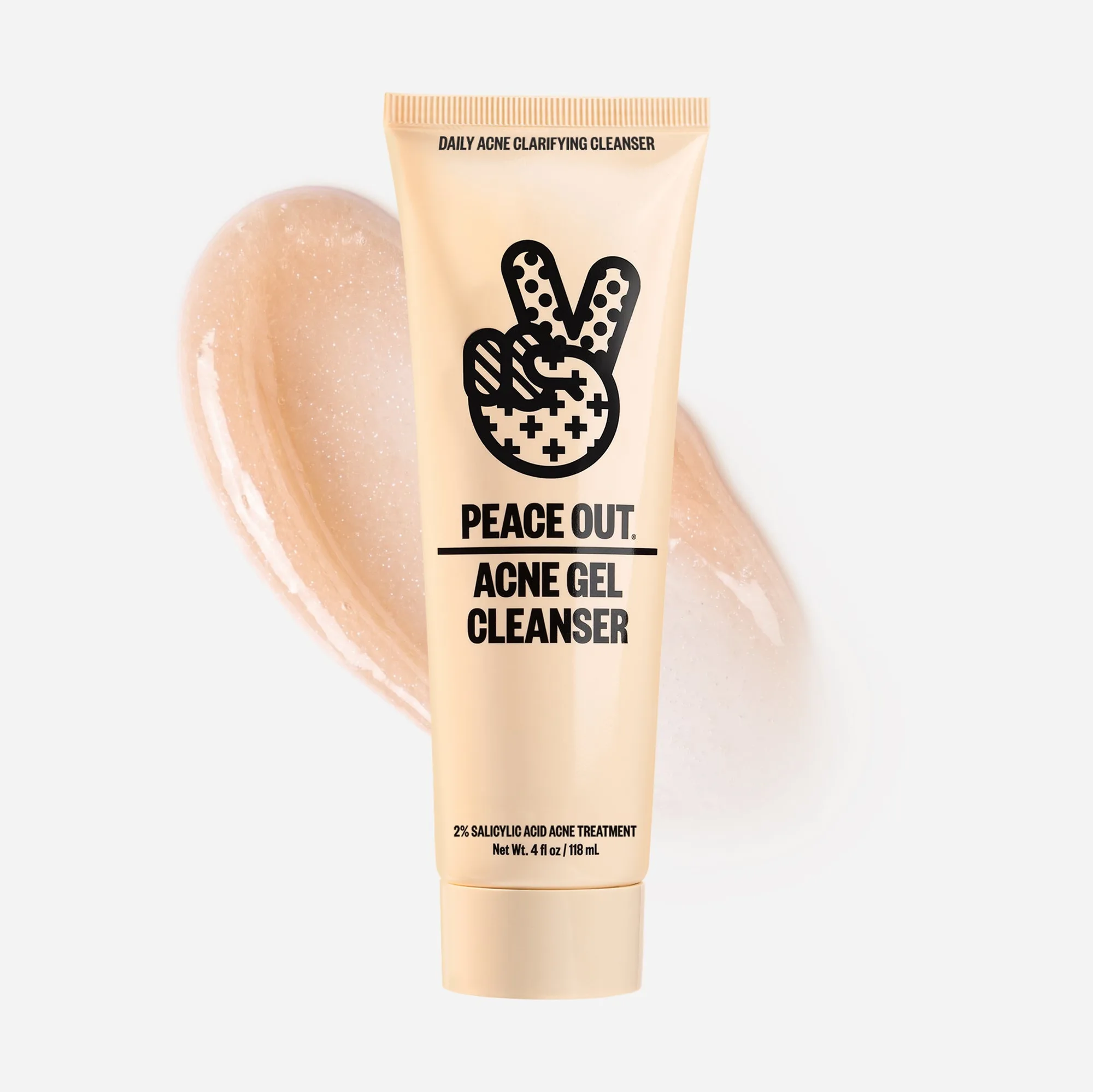
Acne Gel Cleanser
- Cleanse twice a day – morning and night – to keep pores clear.
- Avoid harsh scrubs that can irritate acne and worsen redness.
- Use lukewarm water, as hot water can strip moisture.
Step 2: Treat with a Targeted Serum
After cleansing, your skin is primed to absorb the next product. This is the perfect time to apply a treatment serum that targets your specific concerns, such as breakouts, dark spots, or texture. Serums are concentrated formulas that deliver active ingredients deep into the skin.
For active acne, consider a serum containing salicylic acid or niacinamide. If you're dealing with post-acne marks, a brightening serum with vitamin C or azelaic acid can help fade dark spots. The key is to choose a serum that addresses your primary concern without over-drying your skin.
- Apply a few drops to your entire face, avoiding the eye area.
- Wait a minute or two for the serum to absorb before moving to the next step.
- Start with a lower concentration of active ingredients to build tolerance.
Step 3: Lock in Hydration with a Moisturizer
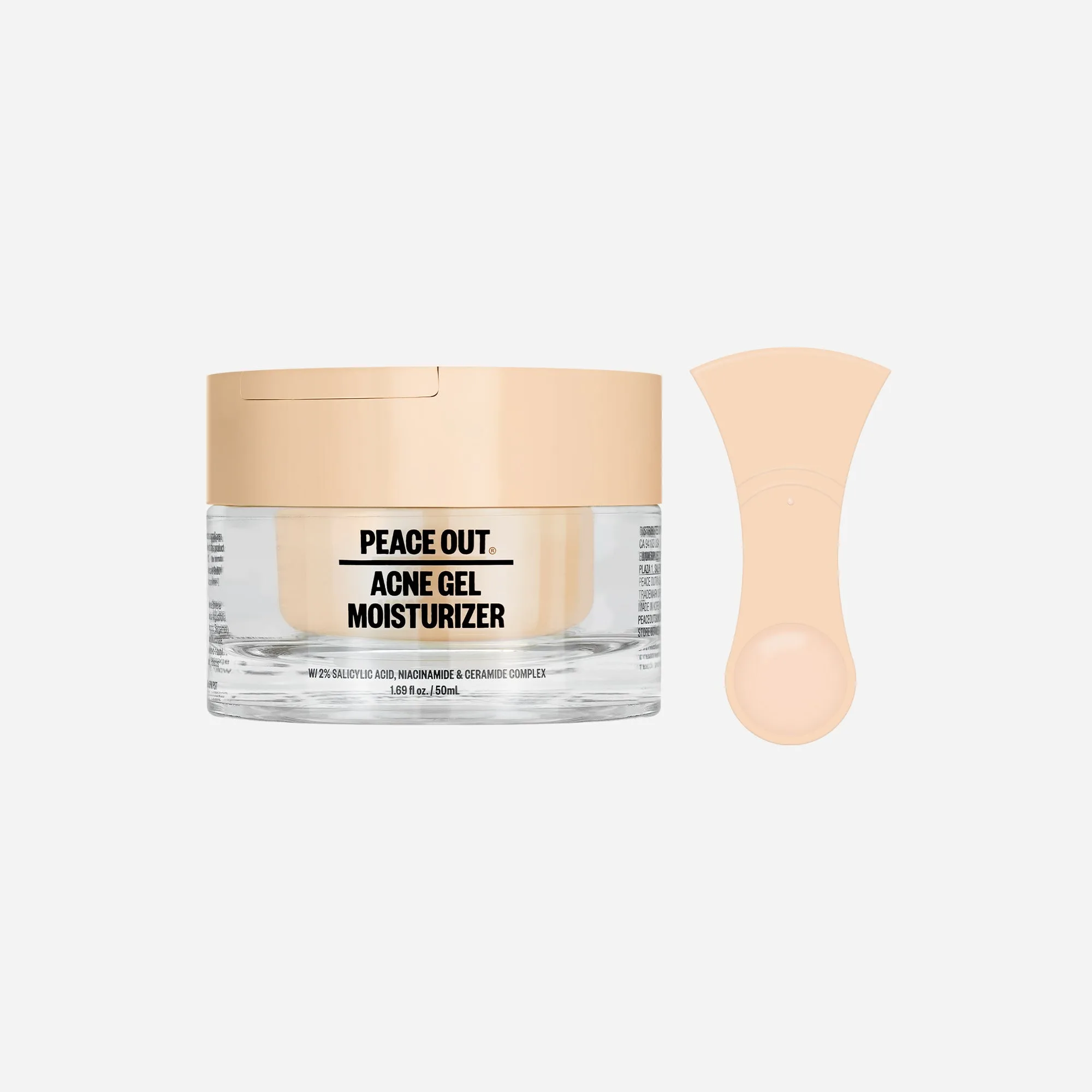
Many people with acne skip moisturizer, fearing it will make their skin oilier. But moisturizing is crucial – even oily skin needs hydration. When your skin is dehydrated, it produces more oil to compensate, which can lead to more breakouts. A lightweight, oil-free moisturizer can keep your skin balanced and comfortable.
Our https://subtlelivingai.shop/products/acne-gel-moisturizer-293468Acne Gel Moisturizer is a great choice for acne-prone skin. It's a water-based gel that hydrates without clogging pores, and it contains soothing ingredients that help reduce redness. Using a moisturizer after your serum also helps seal in the active ingredients and maintain your skin barrier.
- Look for labels like 'non-comedogenic' or 'oil-free' to avoid pore clogging.
- If you have dry skin, you may need a slightly richer formula, but still avoid heavy oils.
- Don't forget to apply moisturizer to your neck and jawline.
The Right Order: Cleanser → Serum → Moisturizer
The order of your products matters. Applying them from thinnest to thickest consistency ensures optimal absorption. Cleanser, being a rinse-off product, comes first. Then, your serum (which is usually water-based) goes on before your moisturizer (which is often thicker).
This sequence allows each product to do its job without interfering with the others. For example, if you applied moisturizer before serum, the serum wouldn't penetrate as effectively. Sticking to this order is simple and effective.
- Morning routine: cleanse → serum → moisturizer → sunscreen.
- Evening routine: cleanse → serum → moisturizer (and optionally a treatment).
- Always follow with SPF in the morning to protect your skin from sun damage.
Additional Tips for Acne-Prone Skin
Beyond the three core steps, a few extra habits can boost your results. First, be consistent – it takes time for skincare to show visible improvements, so stick with your routine for at least 4-6 weeks. Second, don't pick or pop pimples; this can lead to scarring and more inflammation.
Consider incorporating a weekly exfoliating treatment, like a gentle scrub or a chemical exfoliant, to remove dead skin cells. However, be careful not to over-exfoliate, as this can irritate acne. Also, always patch-test new products to ensure they don't cause adverse reactions.
- Change your pillowcase regularly to avoid transferring bacteria to your face.
- Use a clean towel to pat your face dry – don't rub.
- Stay hydrated and maintain a balanced diet to support skin health.
Building a simple acne skincare routine with a cleanser, serum, and moisturizer is the most effective way to manage breakouts without overwhelming your skin. Start with a gentle cleanser, treat with a targeted serum, and finish with a lightweight moisturizer. For a complete solution, check out our Acne Gel Moisturizer and Acne Gel Cleanser to kickstart your journey to clearer skin.