When you're stocking your kitchen or refreshing your tabletop, one of the first decisions is whether to buy individual dinner plates or a full dinnerware set. Both approaches have their merits, and the right choice depends on how you entertain, your storage space, and your personal style. This guide breaks down the tradeoffs so you can make a confident decision.
Whether you're drawn to the curated look of a matching set or the eclectic charm of mixing single pieces, understanding your needs will help you avoid buyer's remorse. Let's walk through the key factors in dishware selection so you can build a collection that works for your everyday meals and special occasions alike.
Budget and Initial Investment
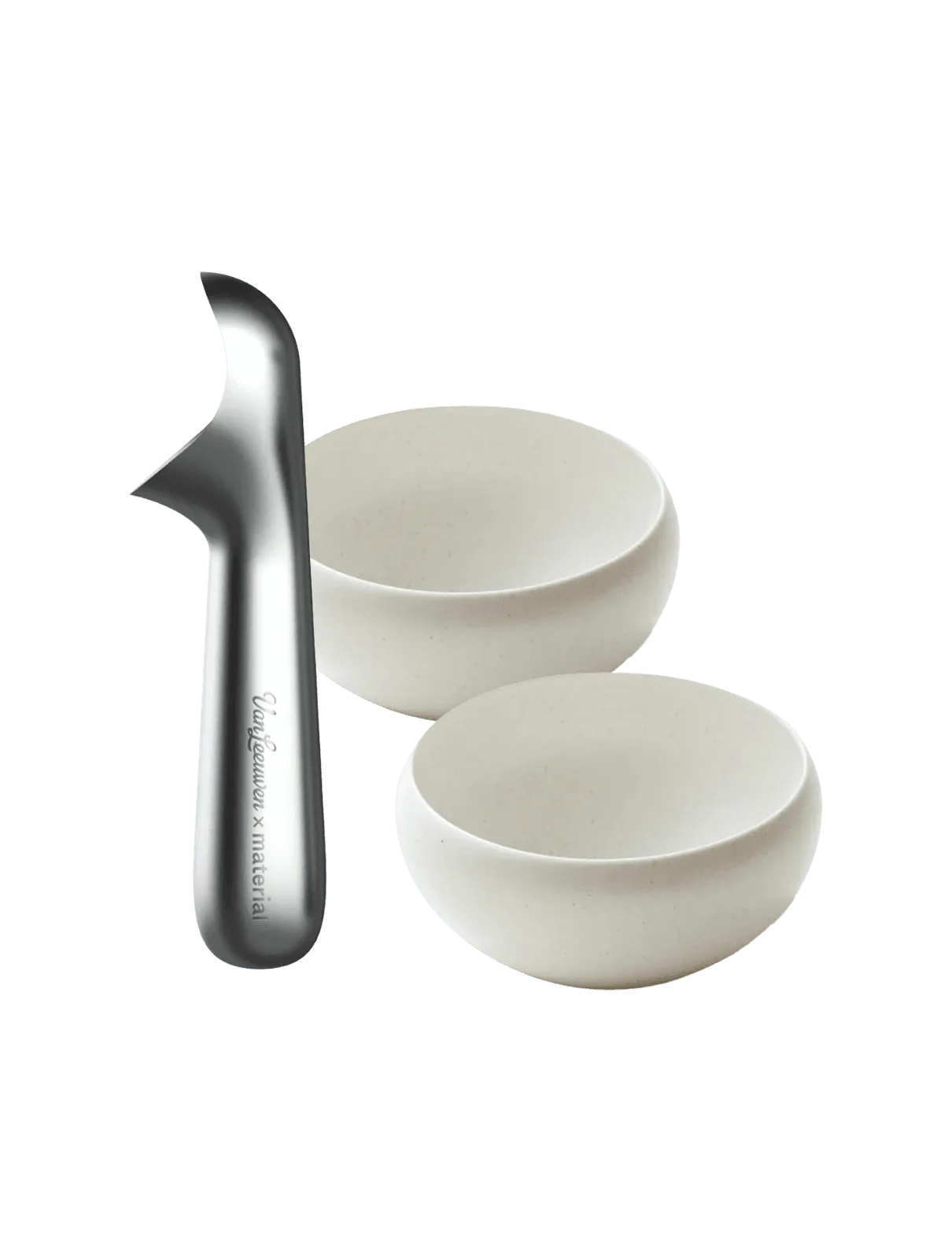
Dinnerware sets typically offer a lower per-piece cost than buying individual plates. A set like The Host Set provides everything you need for a full table—dinner plates, salad plates, bowls, and mugs—often at a bundled price. This is a smart move if you're starting from scratch or replacing a full set. You get a cohesive look without having to hunt for matching pieces.
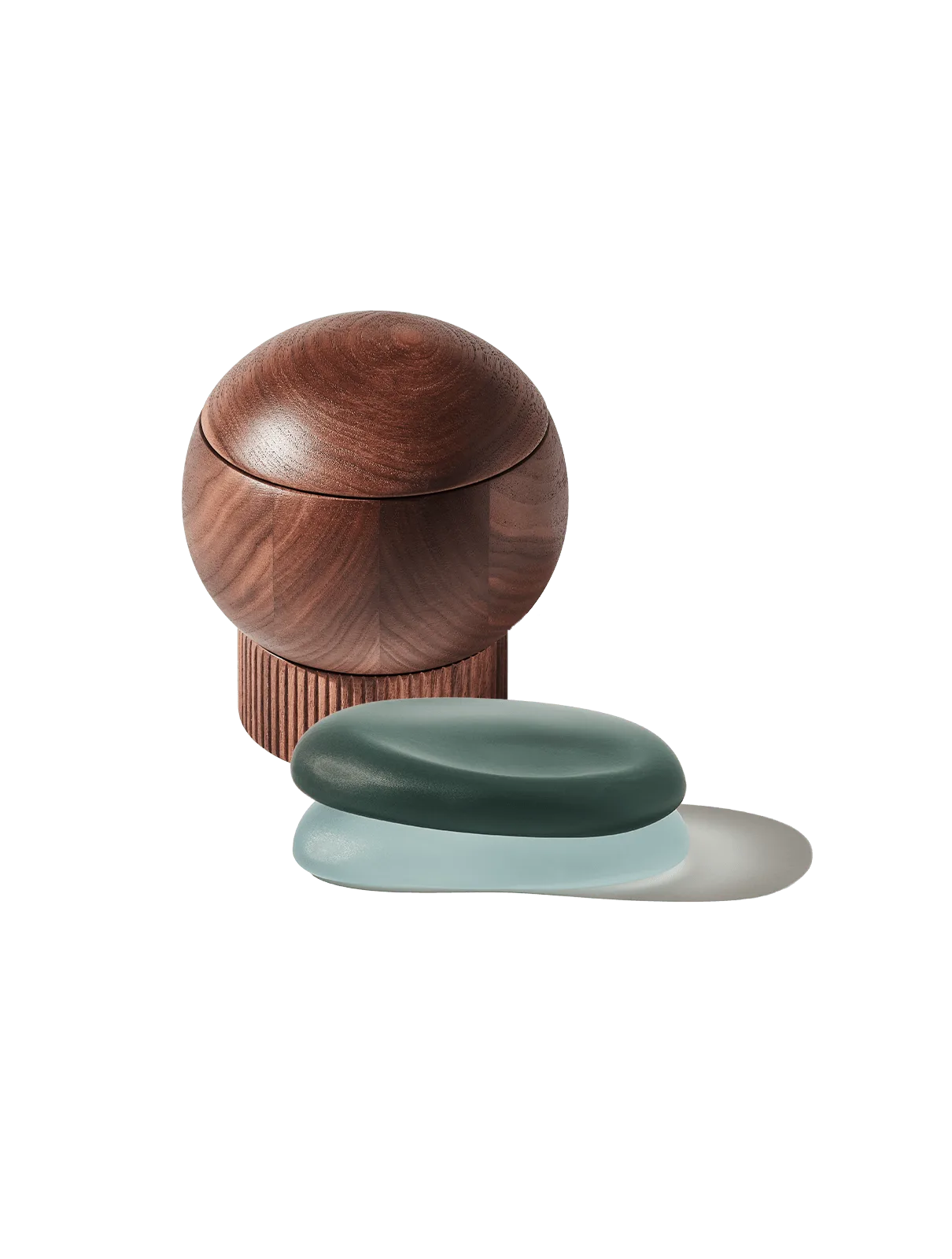
The Host Set
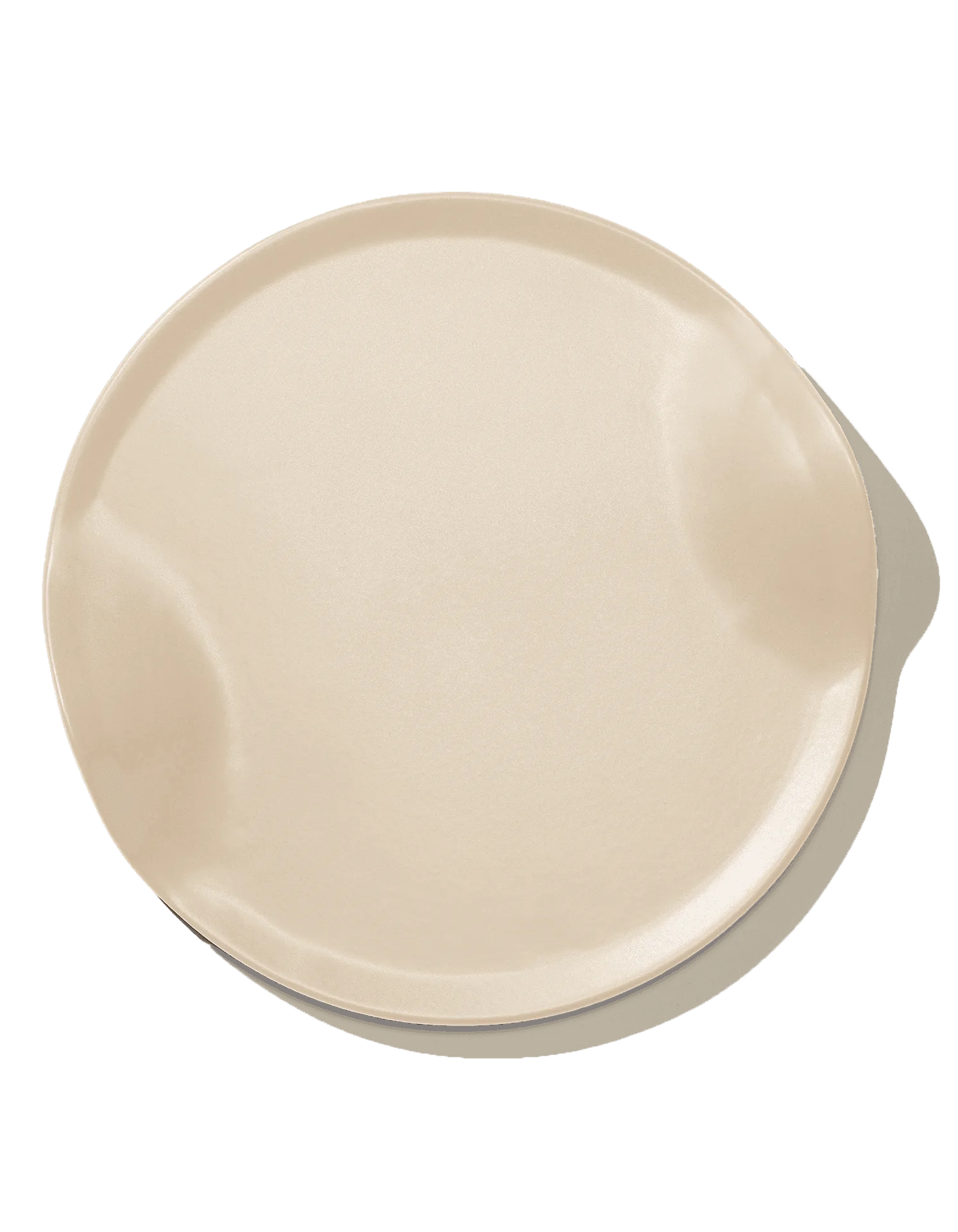
On the other hand, buying single dinner plates gives you more control over your budget over time. You can invest in a few high-quality ceramic plates, like the Dinner Plate Single, and add more as needed. This approach works well if you prefer to spend on quality rather than quantity, or if you only need a few plates for a small household.
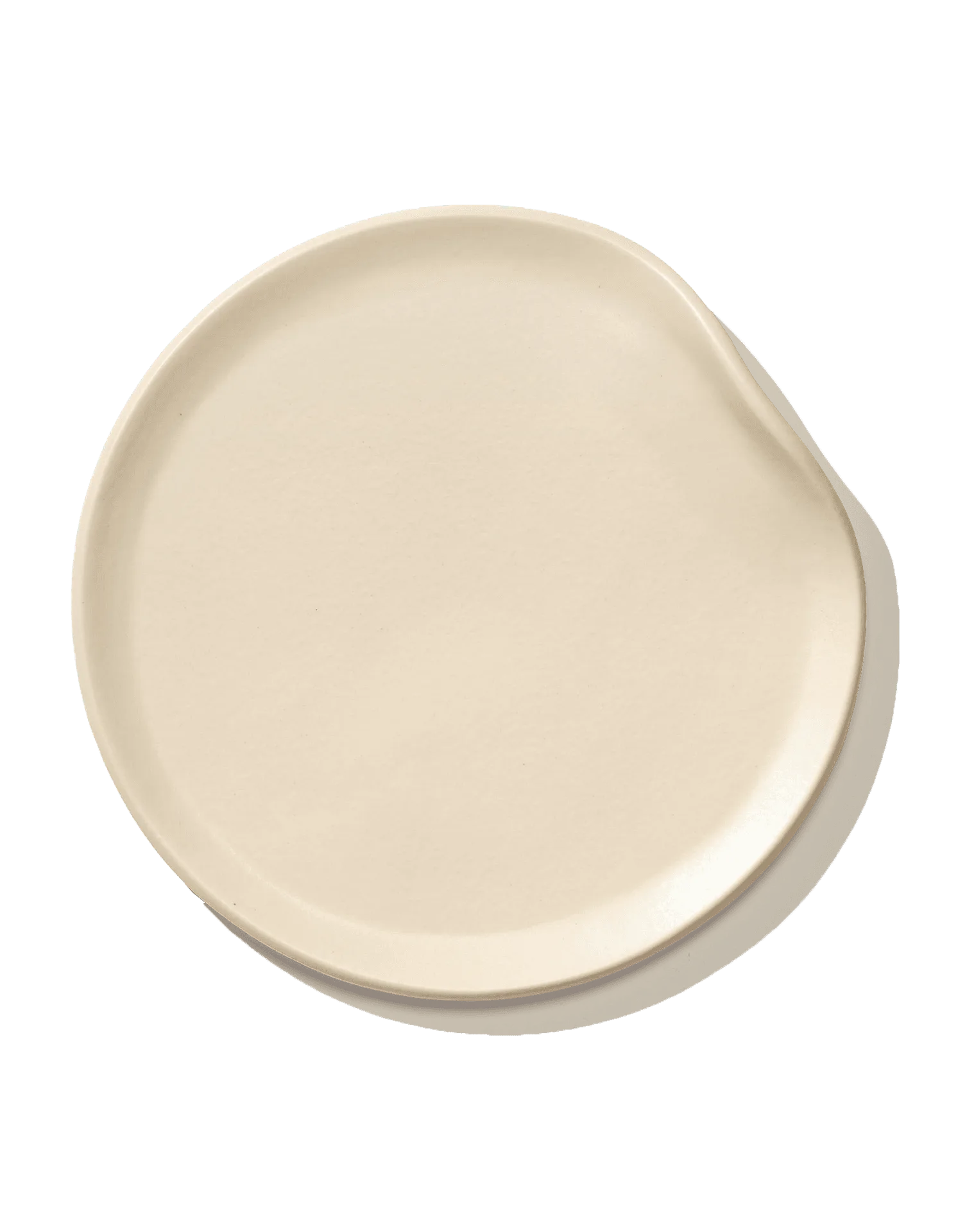
Dinner Plate Single
- If you're on a tight budget and need a full table setting, a set is usually more cost-effective upfront.
Style and Versatility
A matching dinnerware set creates a polished, uniform look that's effortless for entertaining. If you love symmetry and a clean aesthetic, a set ensures every piece coordinates perfectly. However, it can feel limiting if you like to change your table decor frequently or mix patterns.
Single plates give you the freedom to mix and match. You can pair a neutral Dinner Plate Single with colorful salad plates or use different textures for a layered tablescape. This approach is ideal for those who enjoy curating their tabletop over time. The Goun Plate and The Small Goun Bowl are examples of pieces that can stand alone or complement other ceramics you already own.
- For a flexible, ever-changing table, buying single plates allows you to evolve your look piece by piece.
Storage and Practicality
Full dinnerware sets often come in boxes that are easy to stack and store. If you have limited cabinet space, a set ensures you have exactly what you need without extra clutter. But if you entertain large groups, you might find yourself needing more plates than the set provides, forcing you to buy additional singles anyway.
Single plates let you buy exactly the number you need—no more, no less. You can start with four and add two more if you host a dinner party. This reduces wasted storage and gives you the flexibility to replace a broken piece without worrying about discontinuing a pattern. Just keep in mind that if you want a consistent look, you'll need to buy enough at once or ensure the same design is still available later.
- If you hate clutter, single plates let you buy only what you'll actually use.
Ceramic Plate Choice: Material and Quality
Whether you choose a set or singles, the material matters. Ceramic dinnerware is durable, oven-safe (check the label), and comes in a range of glazes and finishes. A ceramic plate choice like the Dinner Plate Single offers a classic, versatile base that works with many table linens, such as the Dinner Napkins Double Sided Drift - Quiet Season.
Sets often use the same ceramic body and glaze, ensuring uniform weight and heat retention. Singles allow you to mix ceramic types—stoneware, porcelain, earthenware—for different textures. Just be aware that mixing materials may affect how they stack or how they react to microwave and dishwasher use. Always check care instructions for each piece.
- For consistent performance in the oven and microwave, stick with one ceramic type across your collection.
Ultimately, the choice between single dinner plates and dinnerware sets comes down to your lifestyle and priorities. If you value convenience, a cohesive look, and a lower upfront cost, a set is a solid foundation. If you prefer flexibility, curated style, and the ability to add pieces over time, buying singles lets you build a collection that truly reflects your taste. Whichever route you take, focus on quality ceramics that you'll enjoy using every day.