Quick answer
Put the statement on one ear and keep the other ear simple. Choose a single stud with real presence, like a pearl or a diamond halo, then anchor the opposite ear with a smaller, quieter piece so the asymmetry looks intentional rather than accidental. If you are unsure, start with one statement piece and add nothing else until you like the balance.
Decide which ear gets the statement
Before you buy or style anything, pick a side. Most people choose the ear that is more visible in photos, or the side their hair parts away from, so the single earring styling reads clearly. If you part your hair on the left, the right ear usually shows more, which makes it the natural home for the larger piece.
This is also the moment to check your existing piercings. A single statement stud in a first lobe piercing looks deliberate; the same stud in a high cartilage piercing can compete with your hair and get hidden. If you only have one piercing per ear, the decision is simple. If you have several, keep the statement in the lowest or most forward piercing and let the rest stay small.
Choose a statement stud that can stand alone
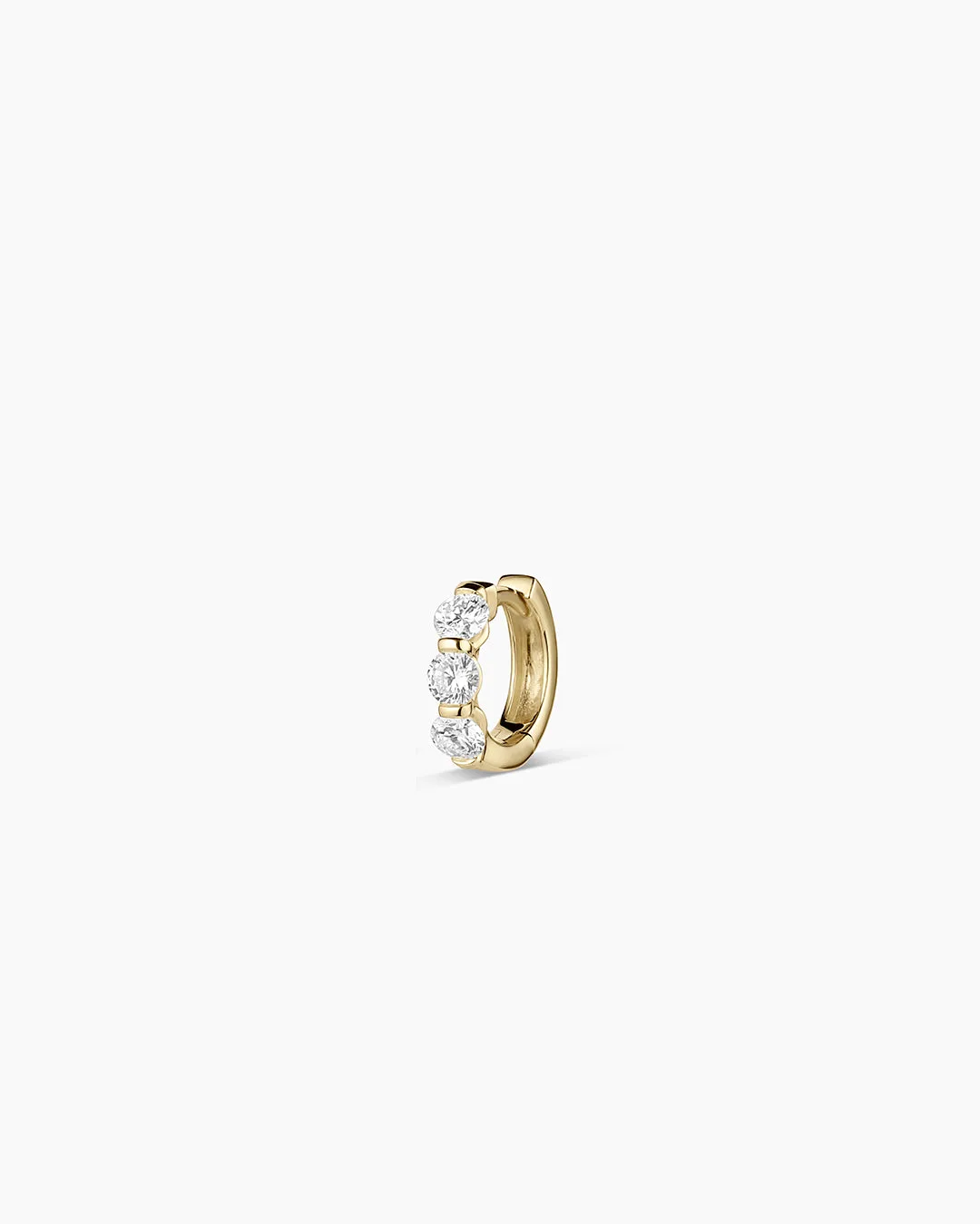
A single earring has to do the work of a pair, so pick a piece with enough size, shine, or texture to hold attention on its own. A pearl gives a soft, classic focal point. A diamond halo or flat-back stud gives sharper sparkle. The 14K Lab Grown Diamond Halo Trio Single Huggie is a good example of a single piece designed to be worn solo, and its trio of stones reads as a complete look rather than half of a pair.
Pay attention to the metal option you select, since that is the main variable these pieces offer. Match the metal to the jewelry you already wear most often so the single earring does not look like it belongs to a different outfit. If your collection is mixed, choose the metal you reach for on the days you want to feel most put together.
Keep the opposite ear deliberately quiet
The most common mistake in an asymmetric earring look is making both ears loud. If the statement ear carries a pearl or a halo, the other ear should carry something smaller and simpler, or nothing at all. A tiny stud, a thin huggie, or a bare lobe all work. The contrast is what makes the single earring look intentional.
If you want to wear more than one piece on the quiet ear, keep them in the same metal and roughly the same scale. Three tiny studs in a row read as one calm texture. Three mismatched sizes read as clutter, which pulls attention away from the statement side.
Build the single stud earring outfit around the neckline
Your neckline decides how much ear jewelry the outfit can carry. A high crew neck or a buttoned shirt leaves the ear area open, so a single statement stud has room to be the focal point. A deep V-neck or a collared blazer already draws the eye downward, which means the earring can be slightly smaller and still register.
Hair matters just as much. An updo, a ponytail, or a short cut exposes the full ear and makes the asymmetry obvious in a good way. Long, loose hair softens the effect, so you can go slightly larger with the statement stud without it feeling heavy. If you are testing the one earring trend for the first time, wear your hair up first, then try it down to see which version you prefer.
Test the look before you commit to a full day
Put the full outfit on, including the neckline and hair you plan to wear, and look at yourself from a few feet back rather than up close. The single earring styling should read at conversational distance. If you cannot tell which ear is the statement ear from three feet away, the piece is too small for this approach.
Walk around, turn your head, and check that the stud sits flat and does not catch on hair or collars. Flat-back styles are easier to wear for long days because they sit closer to the lobe. If a piece feels heavy or keeps rotating, it will distract you all day, which defeats the point of an effortless look.
Your step-by-step single earring routine
- Pick your statement ear: Choose the ear that shows most with your usual hair part, and place the larger piece in your lowest or most visible piercing. Checkpoint: if you cannot see the piece clearly in a mirror from a few feet away, move it to a more visible piercing.
- Set the statement piece first: Put on the single stud, pearl, or huggie before anything else so you can judge its scale against a bare ear. Mistake to avoid: adding the quiet ear first often leads you to overfill it.
- Style the opposite ear down, not up: Add one small stud, a thin huggie, or nothing at all. Keep the metal consistent with the statement piece. Checkpoint: the quiet ear should look calm, not empty and not busy.
- Match the earring to the neckline and hair: Wear hair up for maximum contrast, or leave it down and go slightly larger. High necklines can carry more ear jewelry than deep ones. Mistake to avoid: wearing a large statement stud with a large necklace, which splits attention.
- Do a final head-turn test: Turn your head side to side and check that the piece sits flat, does not catch on hair, and stays comfortable. If it snags or rotates, switch to a flatter back before you leave.
Product facts to guide your choice
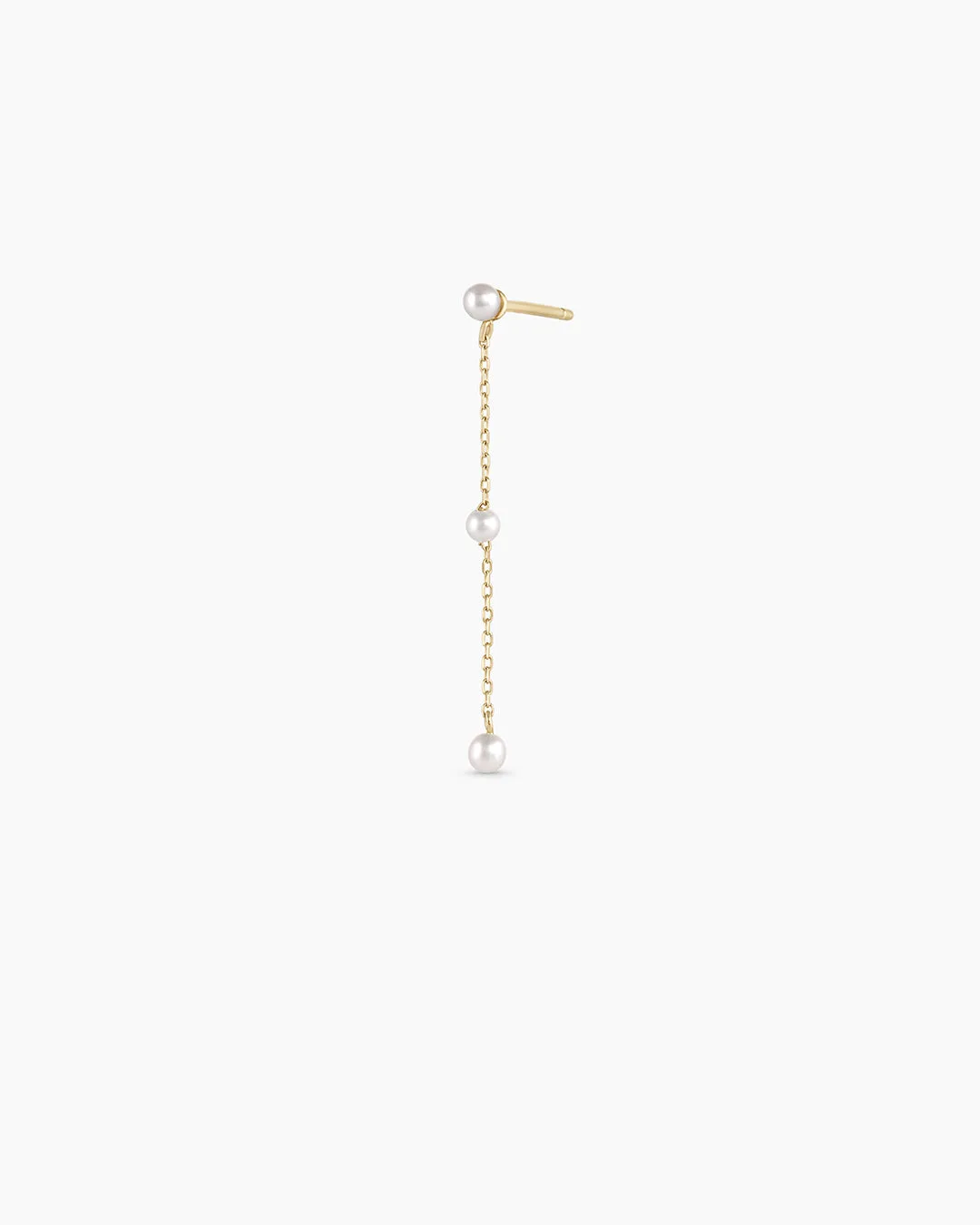
- 14K Gold Newport Pearl Single Earring: The Newport Pearl Single Earring is described as a versatile pair of earrings that adds a touch of elegance to any look, worn solo for subtle shine or layered with other favorites. A pearl is the easiest statement for a first single earring because it reads as elegant without needing extra sparkle, and you can still layer it later if you want more.
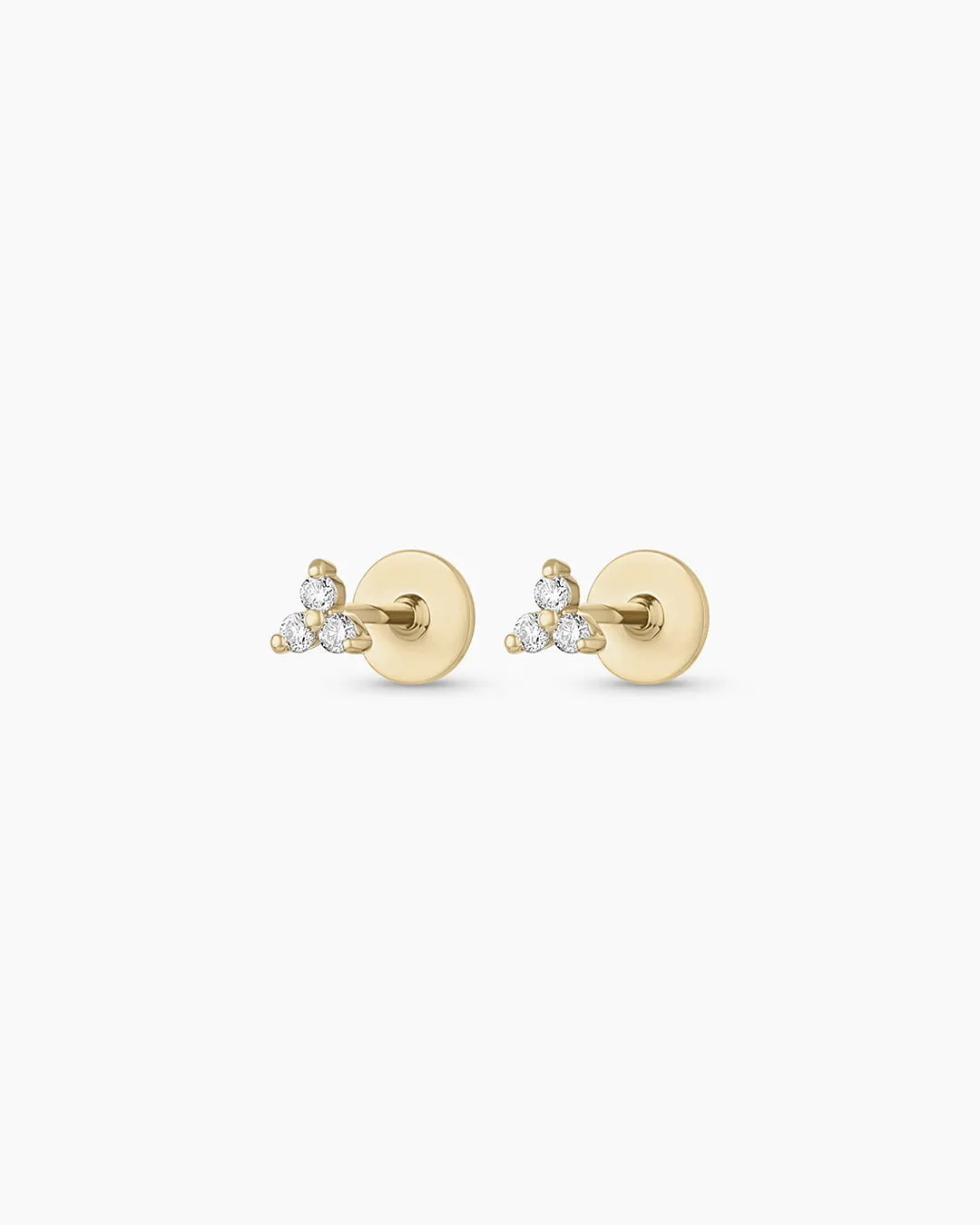
- 14K Diamond Bali Flat Back Studs: The Diamond Bali Flat Back Studs are described as a versatile pair of earrings that adds a touch of elegance to any look, worn solo or layered with other favorites. The flat back sits close to the lobe, which is practical if you want a diamond look that stays put through a long day and does not catch on hair.
- 14K Lab Grown Diamond Halo Trio Single Huggie: The Lab Grown Diamond Halo Trio Single Huggie is described as a versatile pair of earrings that adds a touch of elegance to any look, worn solo for subtle shine or layered with other favorites. A single huggie with a trio of stones is already designed as a solo piece, so it does the work of a statement ear without needing a matching partner.