Baking with high-protein ingredients has become a staple for fitness enthusiasts and health-conscious home bakers. Two popular choices often compete for space in your pantry: single flavor protein powder and egg whites. Both offer a protein boost, but they behave very differently in the oven. Understanding their unique properties can help you decide which one to use for fluffy pancakes, moist muffins, or chewy cookies.
In this guide, we break down the key differences between single flavor protein powder and egg whites for baking. We compare nutritional profiles, texture outcomes, flavor impact, and practical convenience. Whether you are whipping up a post-workout snack or a family dessert, this comparison will help you choose the right protein source for your recipe.
Nutritional Showdown: Protein Density and Macro Balance
Egg whites are almost pure protein and water, offering about 3.6 grams of protein per large egg white with negligible fat and carbs. They are a lean, whole-food option that fits perfectly into low-fat, high-protein diets. However, to get a significant protein boost, you need multiple egg whites, which can increase volume and moisture in your batter.
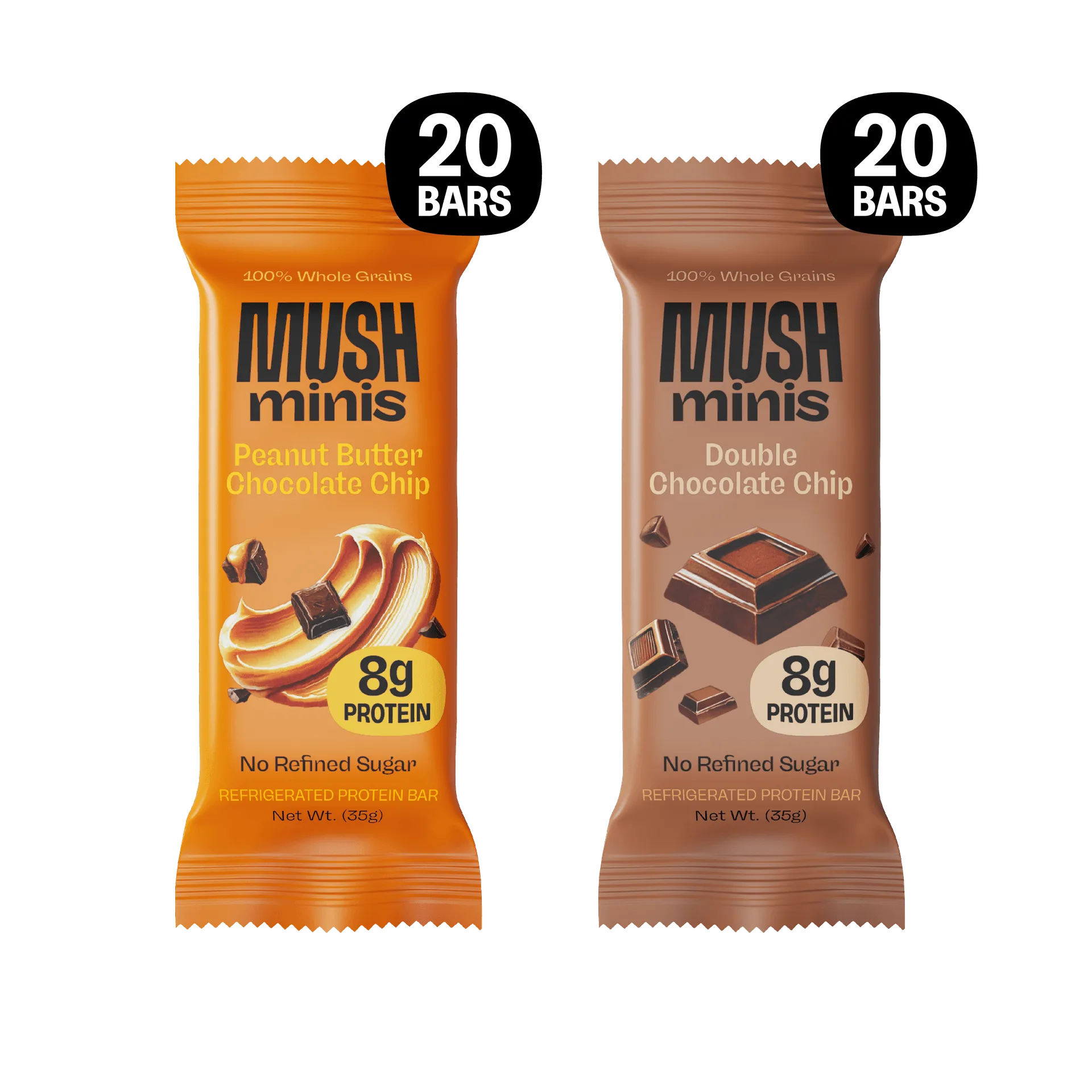
Single flavor protein powder, on the other hand, delivers concentrated protein in a scoop. Depending on the brand and type, a 30-gram scoop of whey or plant-based powder provides 20-25 grams of protein. It also often includes small amounts of carbohydrates and fats from flavorings and sweeteners. For a quick protein hit without extra liquid, protein powder is hard to beat. Products like https://simpleplate.shop/products/peanut-butter-chocolate-chip-78708https://simpleplate.shop/products/peanut-butter-chocolate-chip-78720https://simpleplate.shop/products/peanut-butter-chocolate-chip-78723Peanut Butter Chocolate Chip or Cookies & Cream add both protein and flavor in one convenient scoop.
- Egg whites: ~3.6g protein per egg white, very low calories, no added sugar.
- Protein powder: ~20-25g protein per scoop, may contain sweeteners and flavorings.
- For high-protein baking, protein powder often provides more protein per gram of ingredient.
Texture and Structure: How Each Ingredient Affects Baked Goods
Egg whites are famous for their ability to create structure and lift. When whipped, they form a stable foam that helps cakes and soufflés rise. In baking, egg whites contribute to a light, airy crumb. However, overmixing or adding too many can lead to dryness or a rubbery texture. They also require careful handling to achieve the desired consistency.
Protein powder, especially single flavor varieties, behaves more like a dry flour substitute. It absorbs moisture and can make baked goods dense or dry if not balanced with enough liquid or fat. However, when used correctly, protein powder adds a soft, cake-like texture. For example, using a French Vanilla protein powder in pancakes yields a tender crumb with a pleasant sweetness. The key is to adjust your recipe: add an extra egg or a splash of milk to compensate for the powder's absorbency.
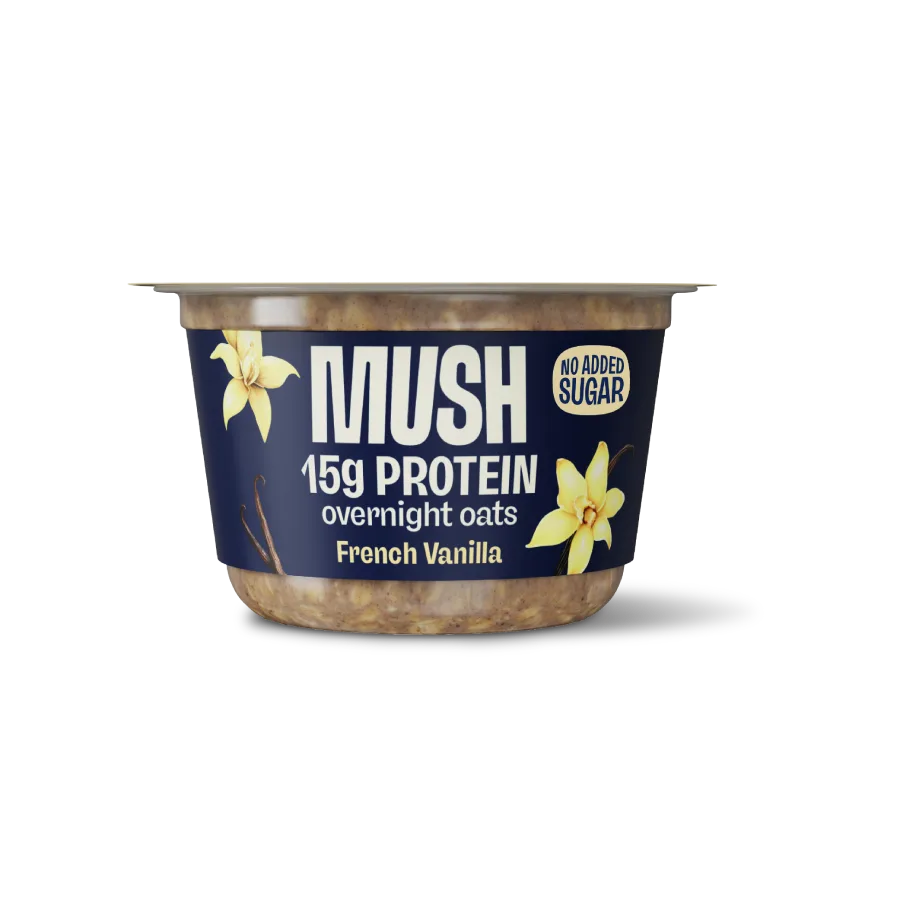
French Vanilla
- Egg whites: best for light, airy textures; requires whipping and gentle folding.
- Protein powder: best for dense, moist treats; needs extra liquid or fat.
- Pro tip: Combine both for a balanced texture — use egg whites for structure and a scoop of protein powder for flavor and extra protein.
Flavor Profile: Natural vs. Formulated Taste
Egg whites have a very mild, neutral taste that blends seamlessly into almost any recipe. They do not overpower other ingredients, making them ideal for savory bakes or when you want the flavor of vanilla, cocoa, or fruit to shine. However, they also add no sweetness, so you will need to rely on added sugar or natural sweeteners.
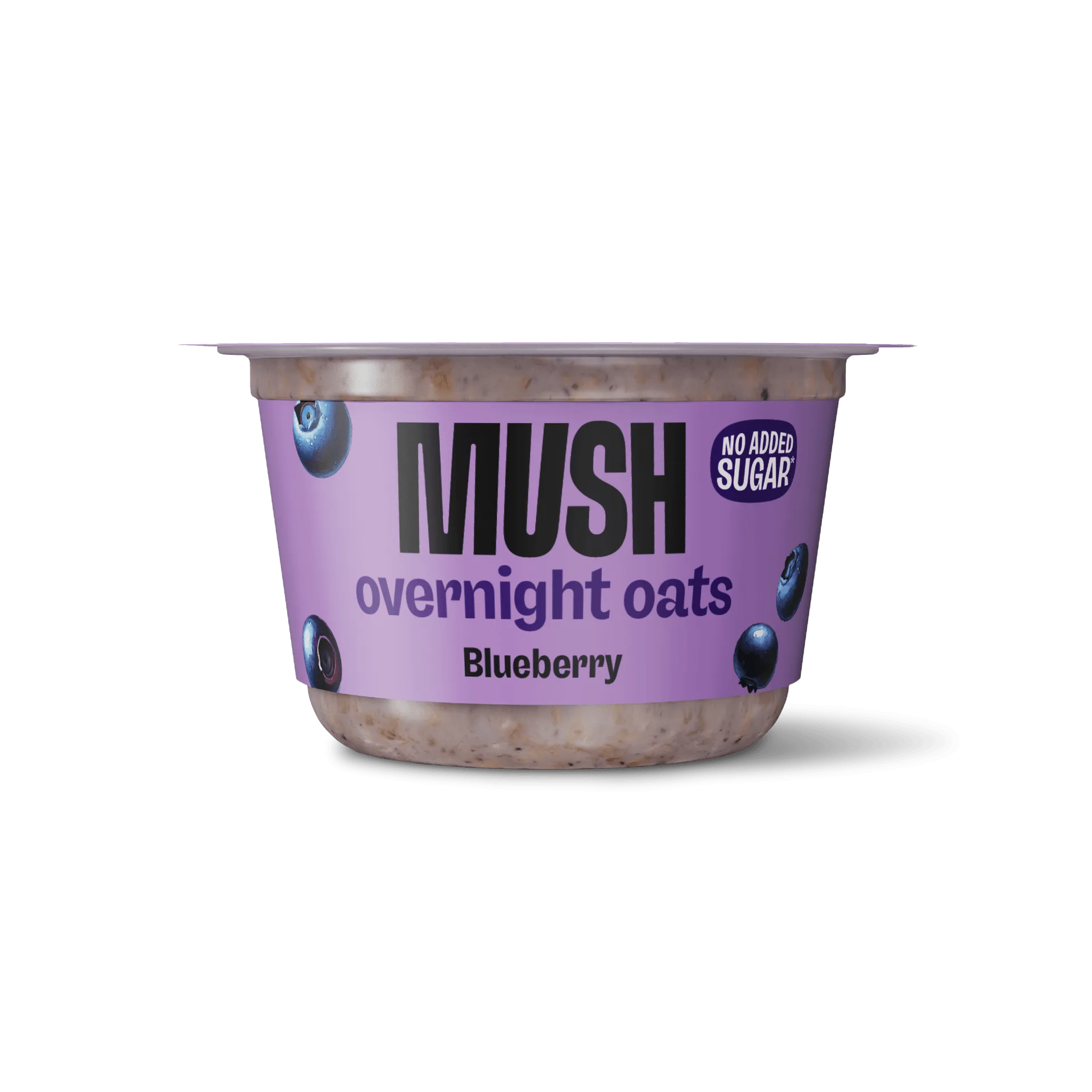
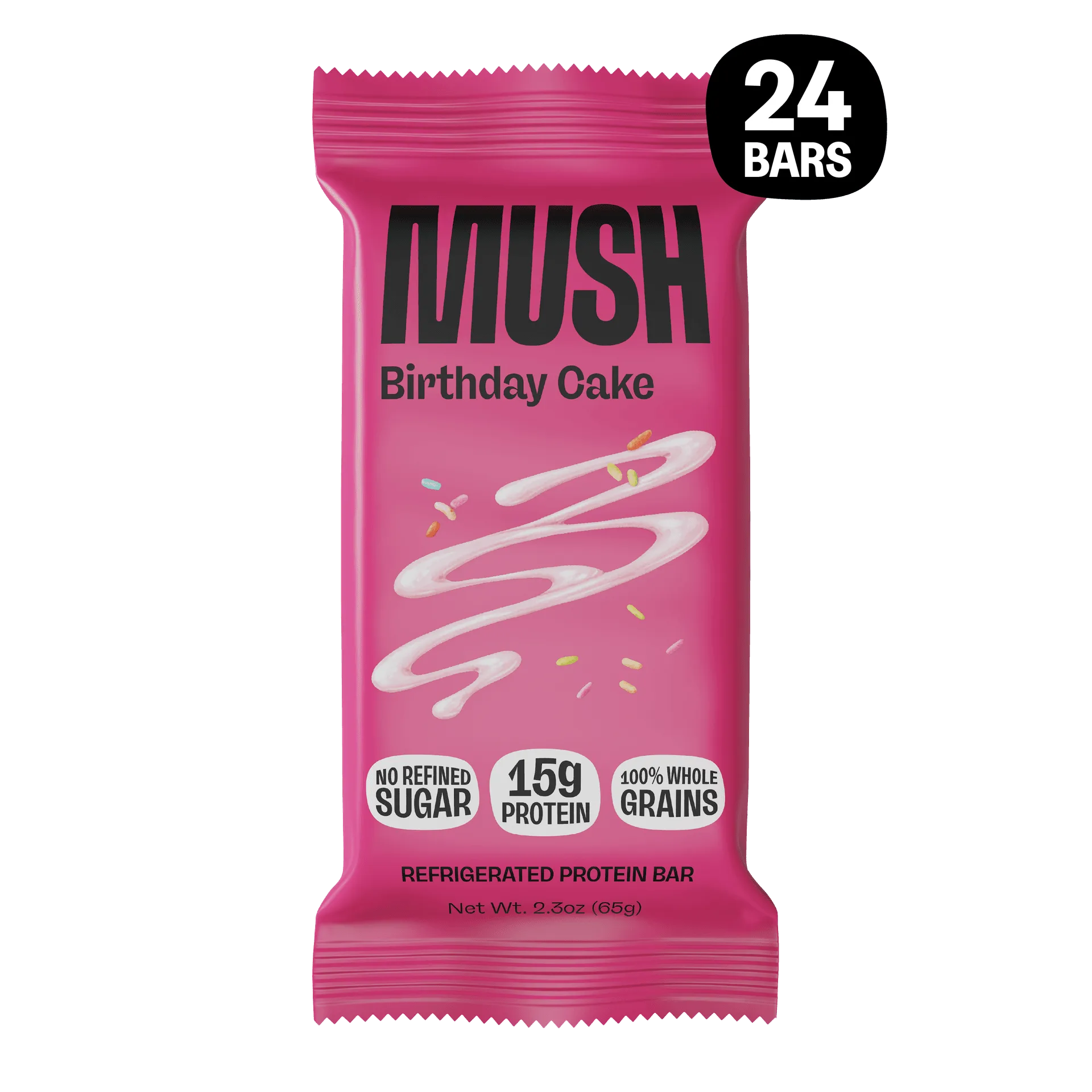
Single flavor protein powders come in a wide range of delicious profiles, from Birthday Cake to Maple Cinnamon. These powders can enhance your baked goods with built-in flavor and sweetness, reducing the need for extra sugar. For instance, using Blueberry protein powder in muffins provides a fruity note without artificial syrups. The trade-off is that some protein powders can have an aftertaste or artificial flavor, so choosing a high-quality brand matters. Always taste your batter before baking to ensure the flavor profile works.
- Egg whites: neutral, no sweetness, allows other flavors to dominate.
- Protein powder: sweet and flavored, can replace some sugar and extract.
- Best pick for flavor variety: try Peanut Butter Chocolate Chip for a decadent cookie or Brownie recipe.
Convenience and Shelf Life: Which Wins for Busy Bakers?
Egg whites require separation from yolks (unless you buy cartons), careful storage, and quick use to avoid spoilage. They can be refrigerated for a few days or frozen for longer, but they are perishable. For spontaneous baking, you need to have fresh eggs on hand.
Protein powder is shelf-stable for months, requires no refrigeration, and is ready to scoop and mix. This makes it a pantry staple for last-minute baking projects. You can keep a tub of Minis 40-pack on hand for quick snacks or to add protein to any recipe. The convenience factor is a major reason many home bakers prefer protein powder over fresh egg whites.
- Egg whites: perishable, need refrigeration, best used within a few days.
- Protein powder: shelf-stable, long shelf life, always ready to use.
- Winner for convenience: single flavor protein powder, especially for meal prep and on-the-go baking.
Both single flavor protein powder and egg whites have their place in a healthy baker's kitchen. Egg whites excel at creating light, airy textures with a neutral taste, while protein powder offers concentrated protein, built-in flavor, and unmatched convenience. For the best of both worlds, try combining them in recipes like protein muffins or pancakes. If you are looking for a versatile, shelf-stable option that adds delicious flavor and a protein punch, explore our selection of single flavor protein powders today.