When it comes to baking with protein powder, the choice between single flavor and blended options can make or break your recipe. Many home bakers and fitness enthusiasts have faced the disappointment of a batch of cookies that tastes like artificial sweetener or a cake with a strange aftertaste. The culprit is often a protein blend that contains multiple protein sources and flavors, which can react unpredictably when heated.
In this article, we explore the key differences between single flavor protein powders and blends in the context of baking. We'll look at how each type performs in terms of taste, texture, and nutritional integrity, and offer practical tips for choosing the right product for your next batch of protein-packed treats.
Why Single Flavor Protein Powders Shine in Baking
Single flavor protein powders, such as Banana Bread or Apple Cinnamon, are formulated with a specific taste profile in mind. This focus allows for a cleaner ingredient list and a more predictable outcome when baked. Unlike blends that may combine whey, casein, and plant proteins, single flavor powders often use a single protein source, which ensures consistent behavior during mixing and heating.
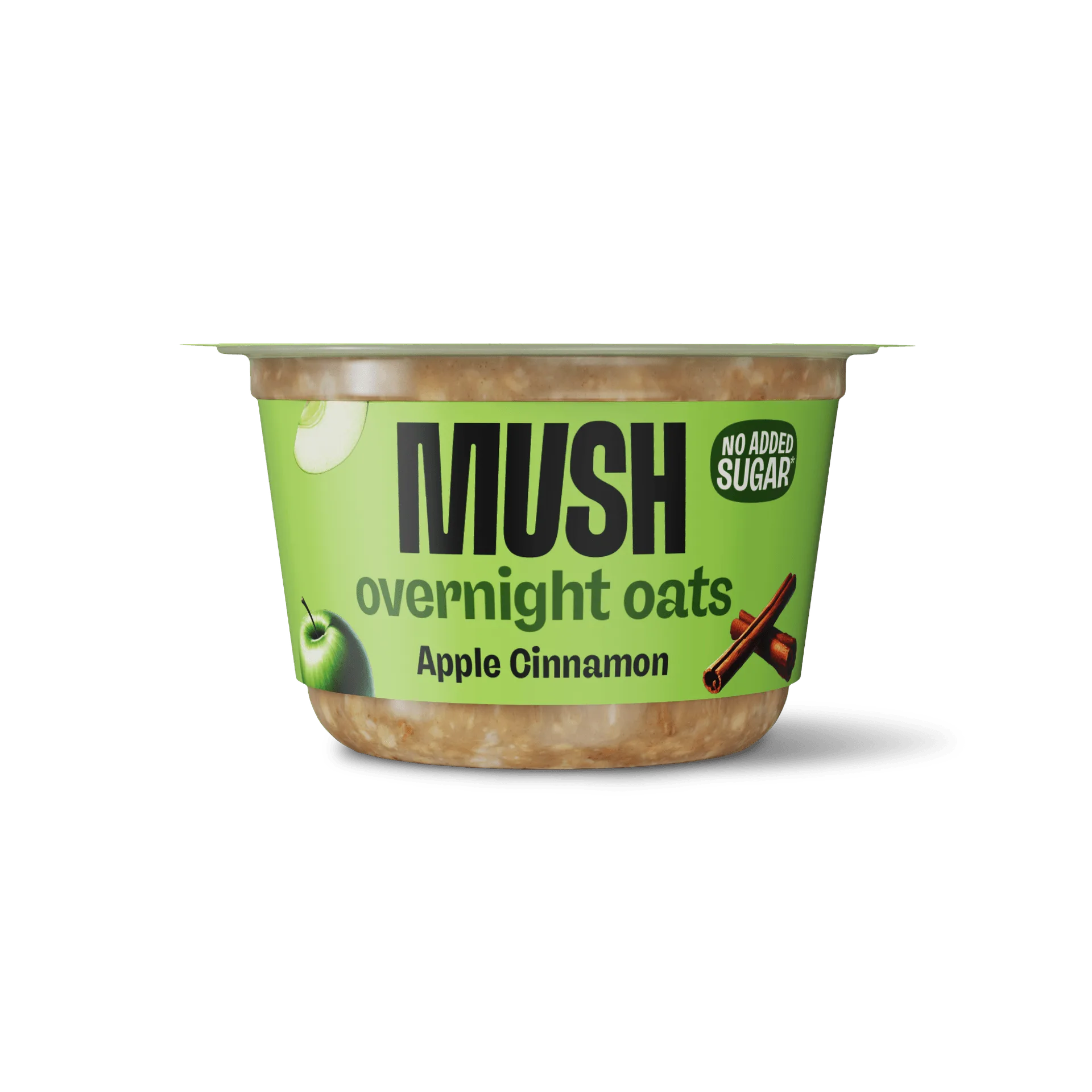
Apple Cinnamon
For instance, a Banana Bread protein powder will deliver a distinct, natural banana flavor without competing notes from vanilla or chocolate. This makes it ideal for recipes where you want the flavor to stand out, such as muffins, pancakes, or banana-flavored protein bars.
- Tip: Use a single flavor powder like Banana Bread in recipes that call for mashed bananas to enhance the flavor without adding extra sugar.
The Blend Advantage: When Mixing Flavors Works
Protein blends have their place, especially for shakes and smoothies where multiple flavors can complement each other. However, in baking, blends can introduce complexity that masks the intended taste. For example, a blend containing both chocolate and vanilla may create a muddled flavor in a simple cookie recipe.
That said, blends can be useful in recipes where you want a neutral base or a subtle flavor boost. For instance, a blend with a mild taste might work well in a protein bread or savory muffin. But for most sweet baked goods, a single flavor option like Apple Cinnamon provides a clean, delicious result.
- Tip: If using a blend, choose one with complementary flavors for your recipe, such as a chocolate blend for chocolate chip cookies.
Texture and Moisture: How Single Flavors Perform
One of the biggest challenges in protein baking is achieving the right texture. Single flavor protein powders often have a finer grind and more consistent particle size, which helps them incorporate evenly into batters and doughs. This reduces the risk of dry, crumbly baked goods.
Blends, on the other hand, may contain different protein types that absorb moisture at different rates. This can lead to uneven texture—some parts of the baked good may be gummy while others are dry. For best results, stick with a single flavor powder like Apple Cinnamon for cakes and muffins.
- Tip: Add an extra tablespoon of liquid (milk or water) when using single flavor protein powders to maintain moisture.
Taste Test: Single Flavor vs. Blend in Popular Recipes
We conducted a simple taste test using two popular recipes: protein pancakes and protein cookies. For the pancakes, we used a single flavor Banana Bread powder and a generic vanilla blend. The single flavor pancakes had a pronounced, natural banana taste and a fluffy texture. The blend pancakes tasted flat and had a slightly rubbery consistency.
For the cookies, we compared Apple Cinnamon single flavor against a chocolate peanut butter blend. The Apple Cinnamon cookies were sweet, spiced, and had a soft center, while the blend cookies were overly sweet and had a chalky aftertaste. The single flavor options clearly won in both taste and texture.
- Tip: Try single flavor powders in recipes that match their flavor profile for best results.
Nutritional Considerations: Single Flavor vs. Blend
Nutritionally, single flavor protein powders often have fewer additives and a simpler ingredient list. This can be beneficial for those with dietary sensitivities or those who prefer clean eating. Blends may contain multiple protein sources, which can be advantageous for muscle recovery but may include fillers or artificial flavors.
For baking, the protein content per serving is similar between the two types, but single flavor powders typically have less added sugar or artificial sweeteners. This allows you to control the sweetness of your baked goods more precisely. Products like Banana Bread and Apple Cinnamon are excellent choices for health-conscious bakers.
- Tip: Check the label for added sugars and artificial ingredients when choosing a protein powder for baking.
Practical Tips for Baking with Single Flavor Protein Powders
To get the most out of your single flavor protein powder in baking, follow these simple guidelines. First, always sift the powder before mixing to avoid clumps. Second, reduce the amount of liquid in your recipe by about 10-15% since protein powder absorbs moisture. Third, bake at a slightly lower temperature (325°F instead of 350°F) to prevent the protein from overcooking and becoming tough.
Experiment with different single flavors to find your favorites. Banana Bread works wonderfully in quick breads and muffins, while Apple Cinnamon is perfect for fall-inspired treats like apple crisp or cinnamon rolls. The key is to match the powder's flavor to the recipe's main ingredients.
- Tip: Store your protein powder in a cool, dry place to maintain its baking performance.
Whether you're a seasoned baker or just starting to incorporate protein into your treats, single flavor protein powders like Banana Bread and Apple Cinnamon offer superior taste, texture, and versatility compared to blends. For your next baking project, consider trying a single flavor option and experience the difference firsthand.