Protein powders are a staple for fitness enthusiasts, busy professionals, and anyone looking to boost their daily protein intake. However, not all protein powders are created equal when it comes to digestibility. Many people experience bloating, gas, or discomfort after consuming certain protein supplements, leading them to wonder: Is a single flavor protein powder easier on the stomach than a multi-ingredient blend?
In this article, we’ll explore the key differences between single flavor and multi-ingredient protein powders from a digestive standpoint. We’ll look at ingredient simplicity, potential irritants, and how to choose a protein powder that works with your body—not against it.
What Makes a Protein Powder Digestible?
Digestibility depends on several factors: the protein source (whey, casein, plant-based), the presence of added enzymes (like lactase or protease), and the overall ingredient profile. A digestible protein powder typically contains minimal additives, no artificial sweeteners that can ferment in the gut, and a protein type that matches your tolerance level.
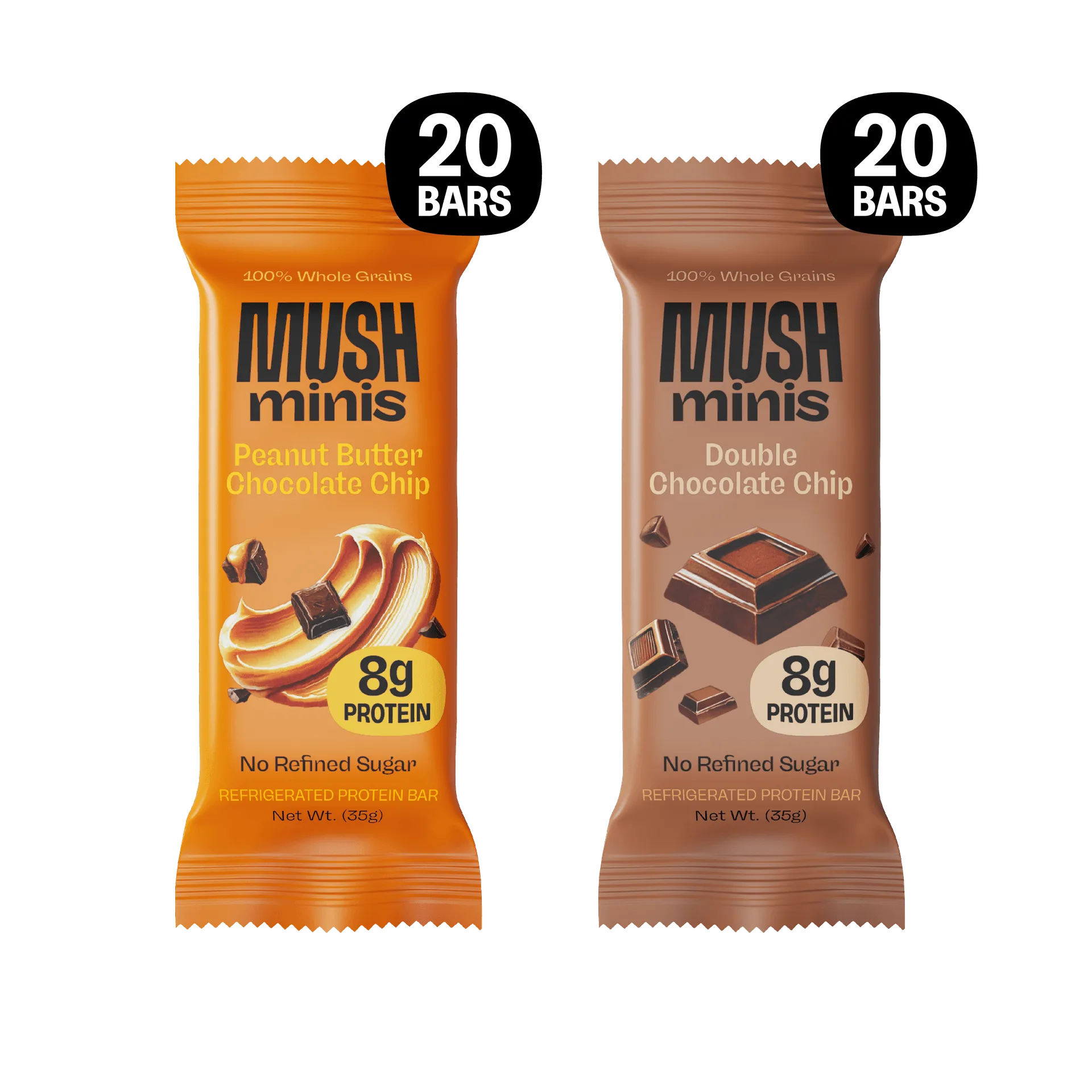
Single flavor protein powders, such as Vanilla Bean or https://simpleplate.shop/products/peanut-butter-chocolate-chip-78708https://simpleplate.shop/products/peanut-butter-chocolate-chip-78720https://simpleplate.shop/products/peanut-butter-chocolate-chip-78723Peanut Butter Chocolate Chip, often have shorter ingredient lists. They focus on one primary flavor and avoid the complex blends that can introduce multiple potential allergens or digestive triggers. This simplicity can be a game-changer for those with sensitive stomachs.
- Look for protein powders with added digestive enzymes like bromelain or papain for easier breakdown.
- Avoid powders with sugar alcohols (e.g., sorbitol, xylitol) if you experience bloating.
The Case for Single Flavor Protein Powders
Single flavor protein powders are formulated with a single, straightforward flavor profile. This means fewer ingredients overall, which reduces the risk of digestive upset from multiple flavoring agents or fillers. For example, a pure Peanut Butter powder typically contains just peanut flour, protein isolate, and a touch of sweetener—nothing more.
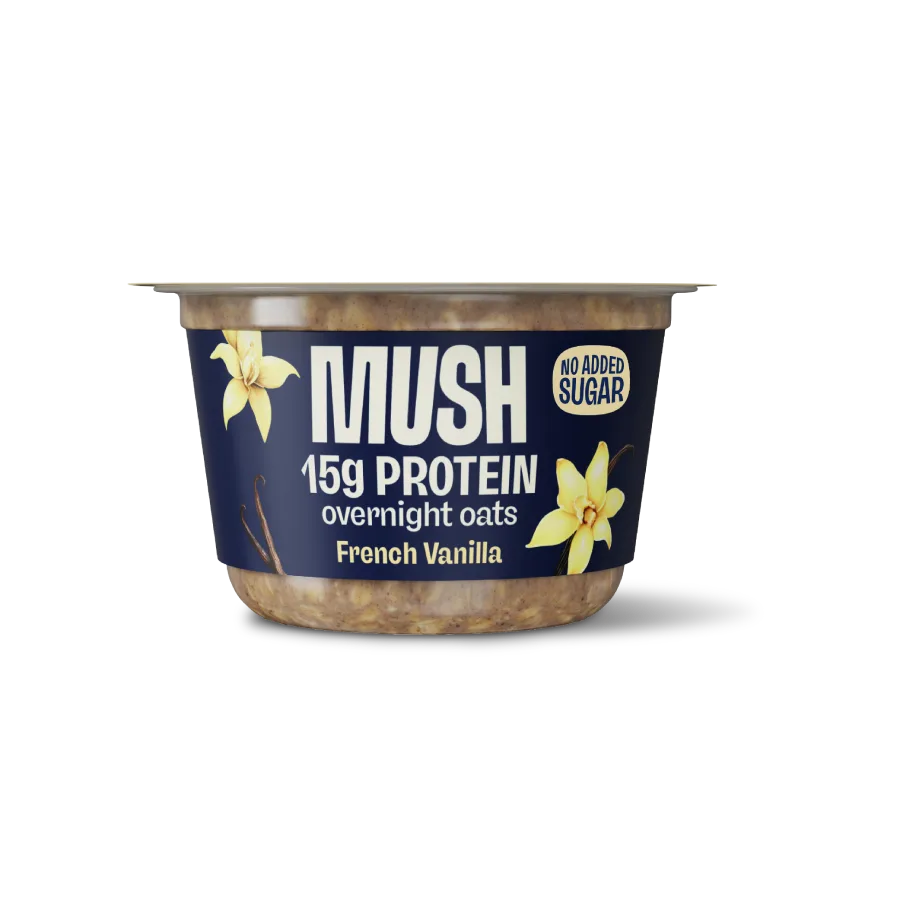
Moreover, single flavor options often use simpler protein sources. If you know you tolerate whey isolate well, a single flavor like French Vanilla can provide a clean, predictable digestive experience. There’s no need to worry about how a blend of pea, rice, and hemp proteins might interact with your gut.
- Single flavor powders are ideal for elimination diets or pinpointing food sensitivities.
- They often mix more easily with water or milk, reducing clumping that can cause gas.
When Multi-Ingredient Blends Might Be Better
Multi-ingredient protein powders aren't inherently bad for digestion. Some blends combine different protein sources to create a more complete amino acid profile. For instance, a blend might include both whey and casein for sustained release, or pea and rice protein for a vegan option. However, these combinations can be problematic if you have sensitivities to any one ingredient.
That said, some people actually digest blends better because the variety spreads the digestive load. For example, a Chocolate Peanut Butter blend might use both whey and soy, which can be easier on the stomach than a large dose of a single protein. The key is knowing your own tolerances.
- If you tolerate multiple protein sources, a blend can offer nutritional variety.
- Always check the label for digestive enzymes—some blends include them for improved digestibility.
Common Digestive Irritants in Protein Powders
Regardless of single or multi-ingredient, certain additives can wreak havoc on digestion. Artificial sweeteners like sucralose and acesulfame potassium are common culprits. Emulsifiers and gums (xanthan gum, guar gum) can also cause bloating in sensitive individuals. Single flavor powders often contain fewer of these additives, making them a safer bet.
Another factor is the protein source itself. Whey concentrate contains lactose, which can cause issues for the lactose intolerant. Whey isolate is much lower in lactose. Plant-based proteins like pea or hemp are naturally lactose-free but may contain fiber that causes gas if introduced too quickly. A single flavor like Maple Cinnamon made with whey isolate can be a gentle choice.
- Opt for protein powders with no artificial sweeteners if you have a sensitive stomach.
- Try a simple single flavor powder first to test your tolerance before moving to blends.
How to Choose the Right Protein Powder for Your Gut
Start by identifying your primary protein source tolerance. If you know dairy is fine, a single flavor whey isolate like Vanilla Bean is a great starting point. If you’re plant-based, try a single flavor pea or rice protein. From there, observe how your body reacts to the flavoring and sweeteners.
Next, read the ingredient list carefully. Shorter is usually better for digestion. Avoid powders with long lists of additives. You can also look for products that include probiotics or digestive enzymes. For a balanced option, consider Peanut Butter Banana, which combines a simple flavor with a clean protein base.
- Keep a food diary to track how different protein powders affect your digestion.
- Start with a small serving (half a scoop) to gauge your reaction before increasing.
Ultimately, single flavor protein powders tend to be more digestible for most people due to their simpler ingredient profiles and lower risk of triggering sensitivities. If you’re looking for a gentle, effective option, try the Vanilla Bean protein powder from MUSH—it’s made with minimal ingredients and designed for easy digestion.