If you’ve ever stood in front of a coffee shop menu or browsed an online roastery, you’ve likely faced the choice: single origin or blend? It’s one of the most common questions in specialty coffee, and the answer isn’t always straightforward. Both options have passionate fans, and both can produce exceptional cups. Understanding the difference between single origin coffee and a coffee blend can help you choose the right beans for your taste, brewing method, and even your budget.
At Union Coffee, we roast both single origins and blends with the same dedication to quality and freshness. Whether you’re drawn to the unique story of a specific farm or the balanced complexity of a masterful blend, knowing what sets them apart will deepen your appreciation for every sip. Let’s explore the nuances of single origin vs blend coffee, from flavor profiles to sourcing ethics.
What Is Single Origin Coffee?
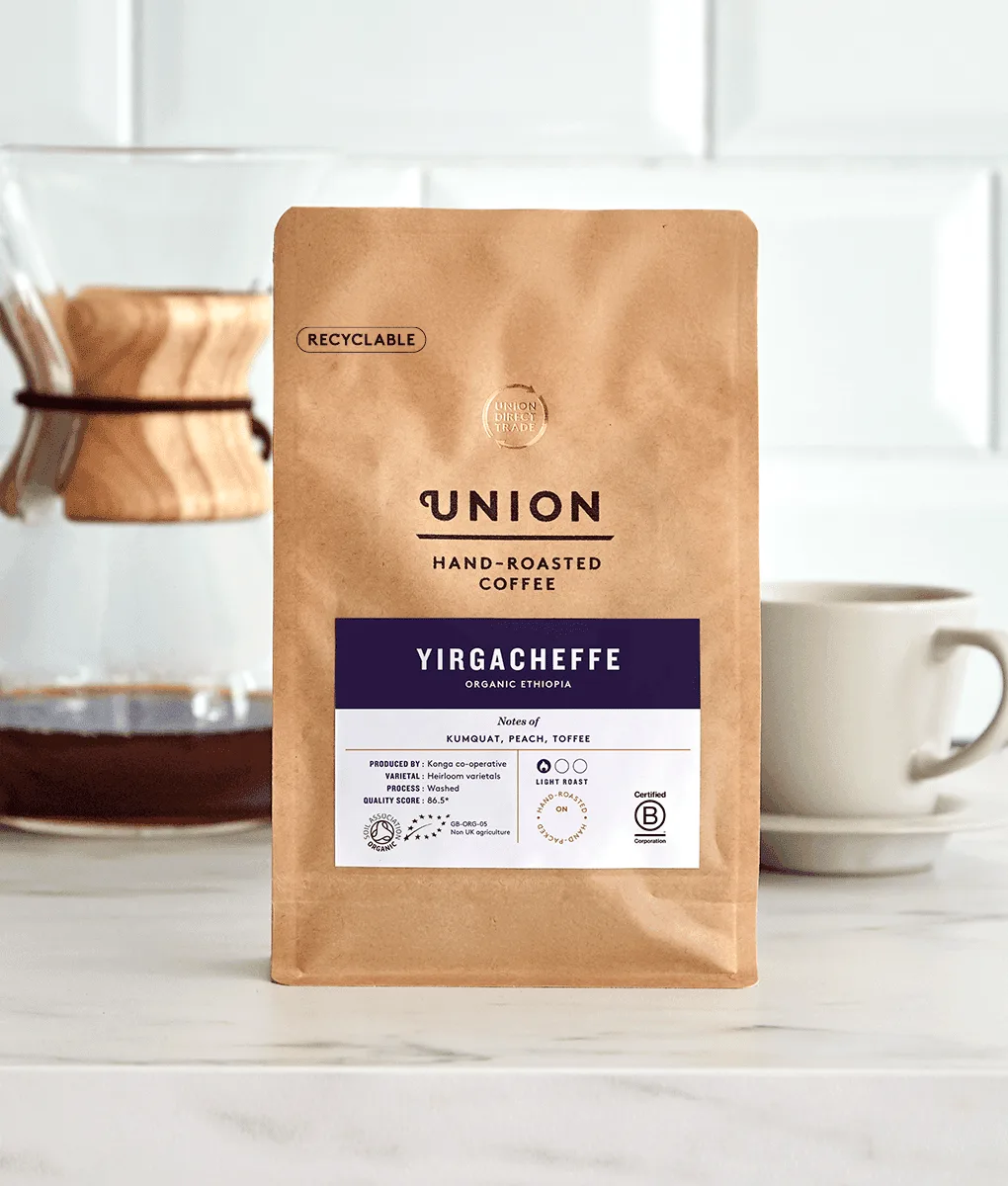
Single origin coffee comes from one specific geographic region, farm, or even a single lot within a farm. The term ‘single origin’ highlights traceability and terroir—the unique environmental factors like altitude, soil, and climate that shape the bean’s character. For example, our Los Lajones Catuai, Panama is a single origin coffee that showcases the bright acidity and floral notes typical of high-altitude Panamanian beans. Each batch tells the story of its place of origin, offering a pure, unblended taste experience.
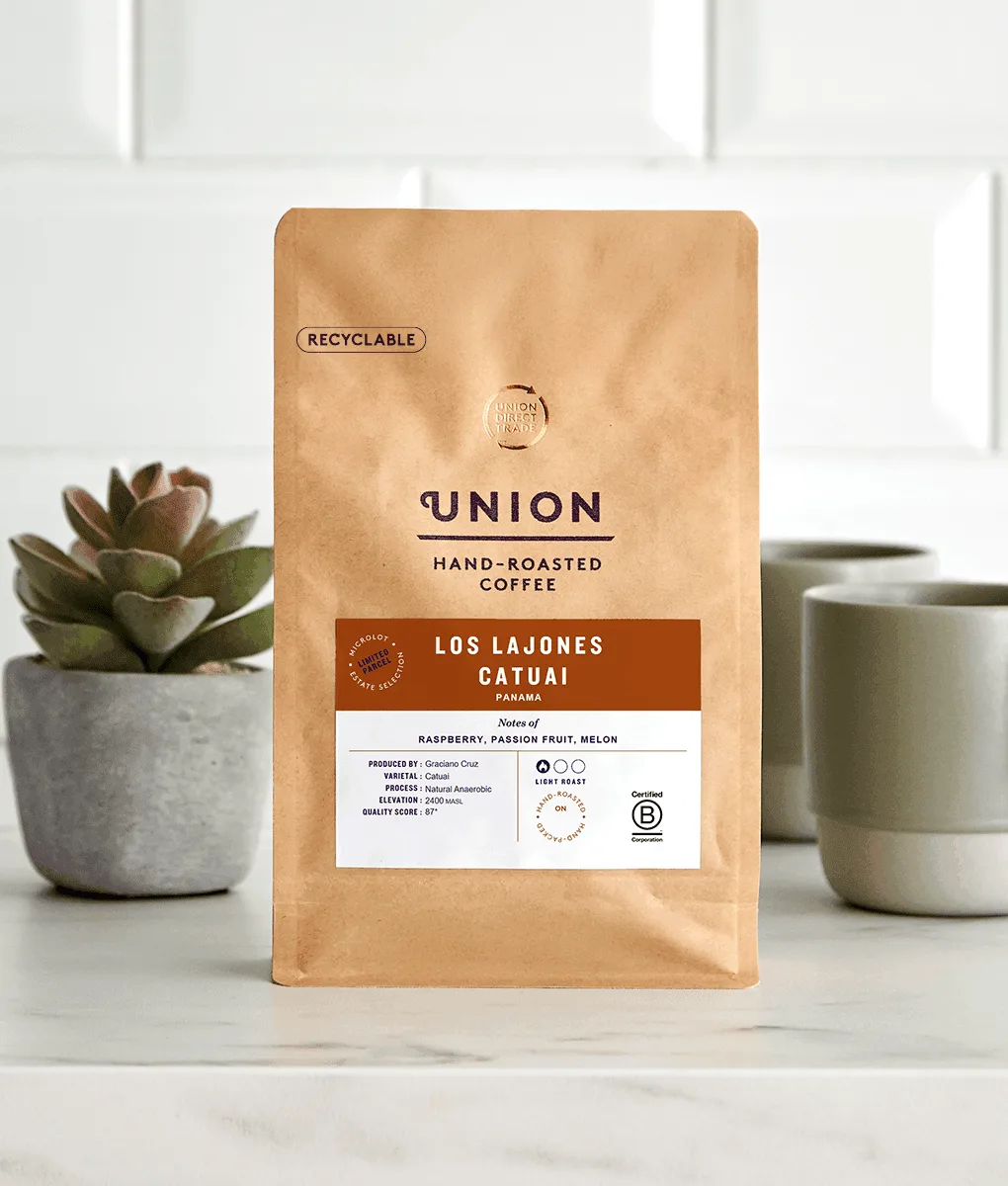
Los Lajones Catuai, Panama
Because single origins are not mixed with other beans, they tend to have distinct, pronounced flavors. You might taste citrus, berries, chocolate, or even wine-like notes depending on the region. Single origin coffee is ideal for pour-over methods like V60 or Chemex, where subtle flavor nuances shine. It’s also a favorite among coffee enthusiasts who enjoy exploring different origins and understanding how geography influences taste.
- Single origin coffee offers full traceability from farm to cup.
- Flavors are often more pronounced and unique to the region.
- Best brewed with methods that highlight clarity, such as pour-over or AeroPress.
What Is a Coffee Blend?
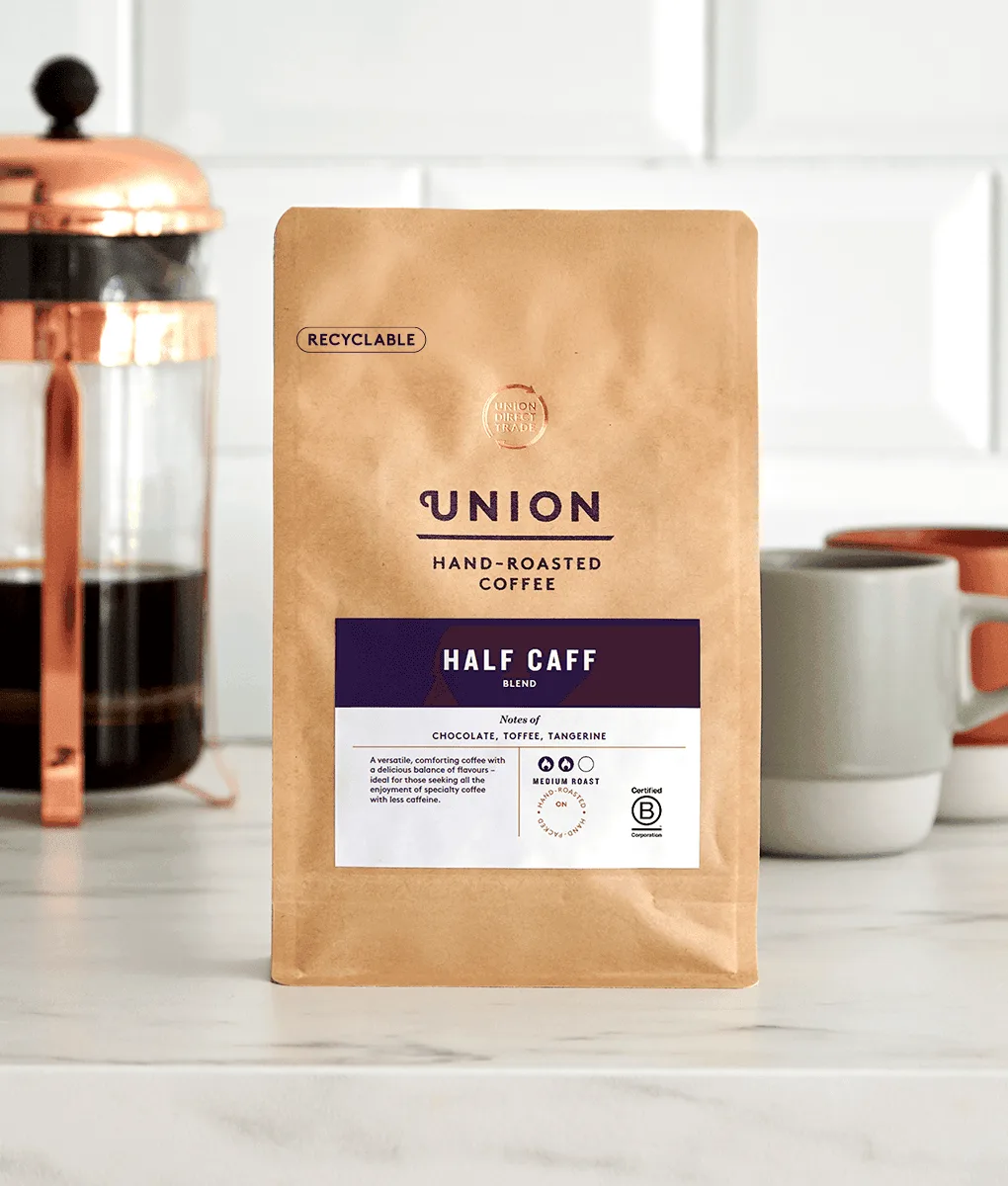
A coffee blend is a combination of beans from two or more origins, roasted together to create a balanced, consistent flavor profile. Blends are the backbone of many espresso bars and everyday coffee drinkers because they offer reliability and complexity. Roasters carefully select and proportion beans to achieve a specific taste—perhaps a chocolatey body with a nutty finish, or a bright acidity balanced by creamy sweetness. Our Union Signature Selection, 2 pack is a perfect example of a blend designed for versatility and daily enjoyment.
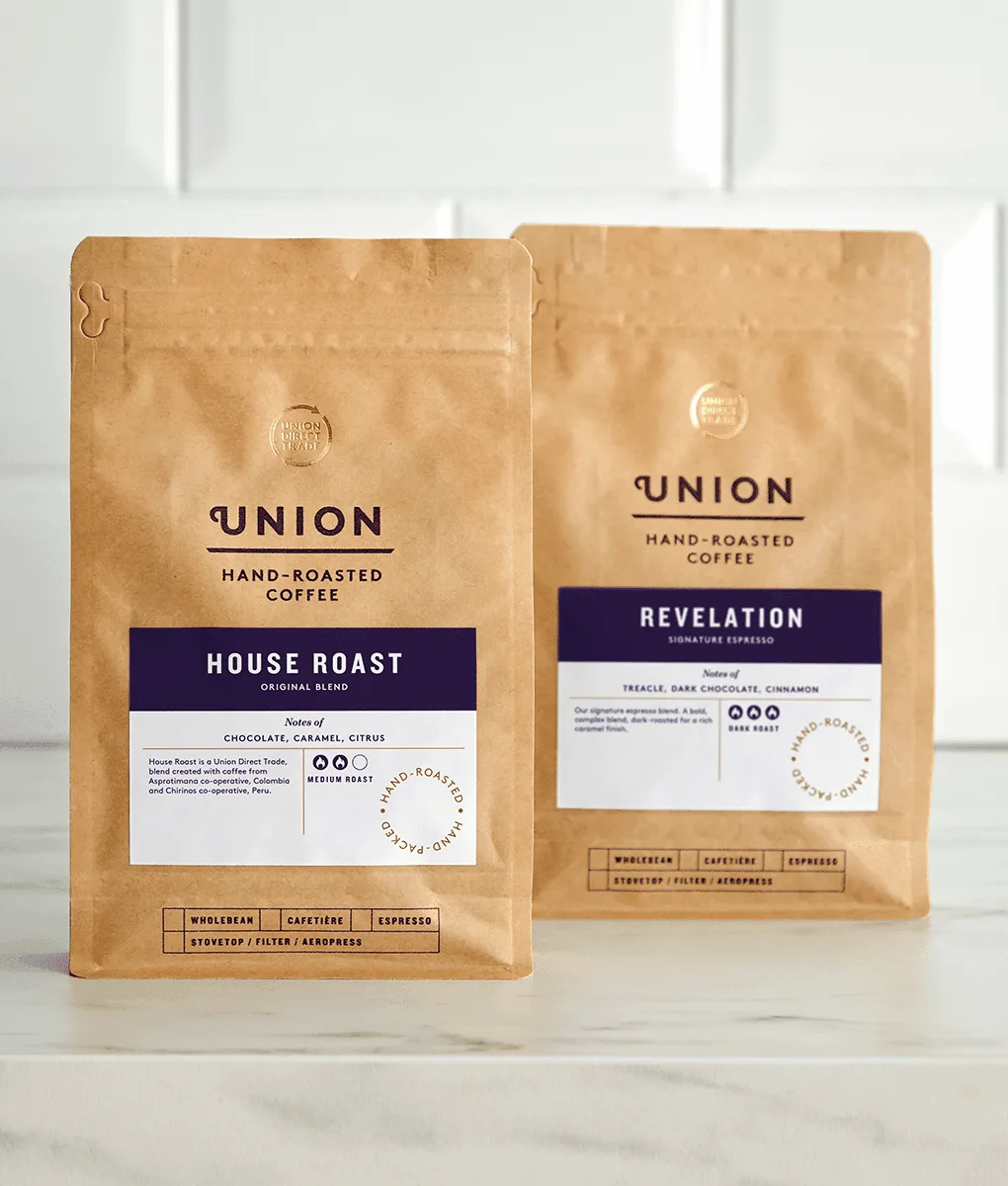
Union Signature Selection, 2 pack
Blends allow roasters to compensate for seasonal variations in single origin crops, ensuring that your favorite coffee tastes the same year-round. They also enable cost efficiency, as high-quality but expensive beans can be combined with more affordable ones without sacrificing flavor. For espresso, blends are often preferred because they produce a rich crema and a well-rounded mouthfeel. If you’re looking for a reliable, crowd-pleasing coffee, a blend is often the way to go.
- Coffee blends offer consistency and balance across seasons.
- They are ideal for espresso and milk-based drinks due to their robust body.
- Blends can be more affordable while still delivering excellent flavor.
Single Origin vs Blend: Key Differences at a Glance
To help you decide which type suits your palate and brewing style, here’s a quick comparison of the main characteristics of single origin coffee versus coffee blends. Keep in mind that both can be exceptional—it’s about what you value most in your cup.
- Flavor: Single origins have distinct, terroir-driven notes; blends aim for balanced, consistent flavor.
- Traceability: Single origins are fully traceable to a specific farm or region; blends combine beans from multiple sources.
- Best use: Single origins shine in filter coffee; blends excel in espresso and milk drinks.
- Price: Single origins can be more expensive due to limited supply; blends often offer better value.
- Seasonality: Single origins change with harvests; blends remain stable year-round.
How to Choose Between Single Origin and Blend
Your choice depends on your personal preferences and how you plan to brew. If you love exploring new flavors and want to taste the unique character of a specific region, single origin coffee is your best bet. Try our Timana, Colombia for a classic washed Colombian profile with caramel sweetness and a clean finish. It’s perfect for pour-over or drip coffee where you can appreciate the subtle notes.
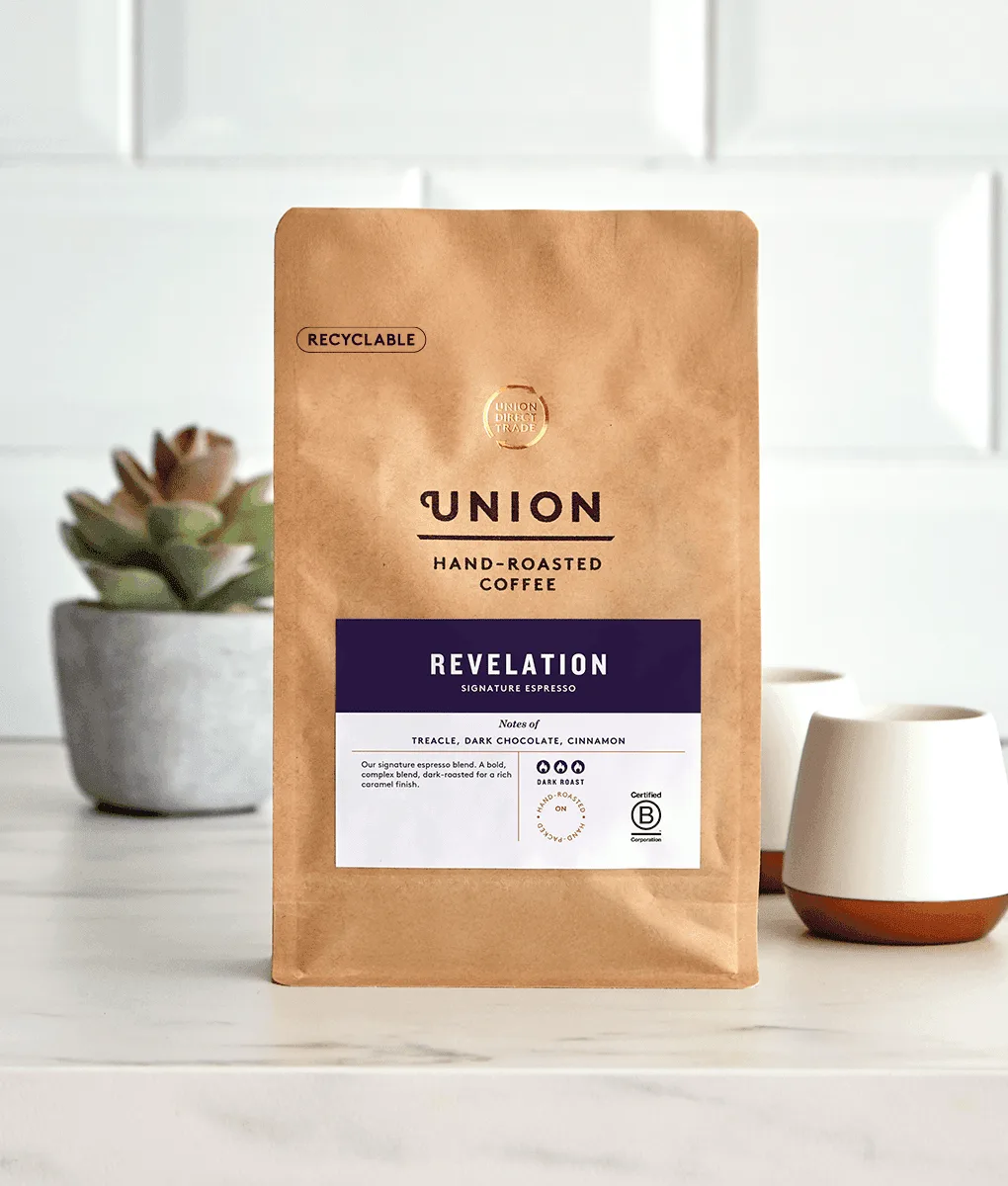
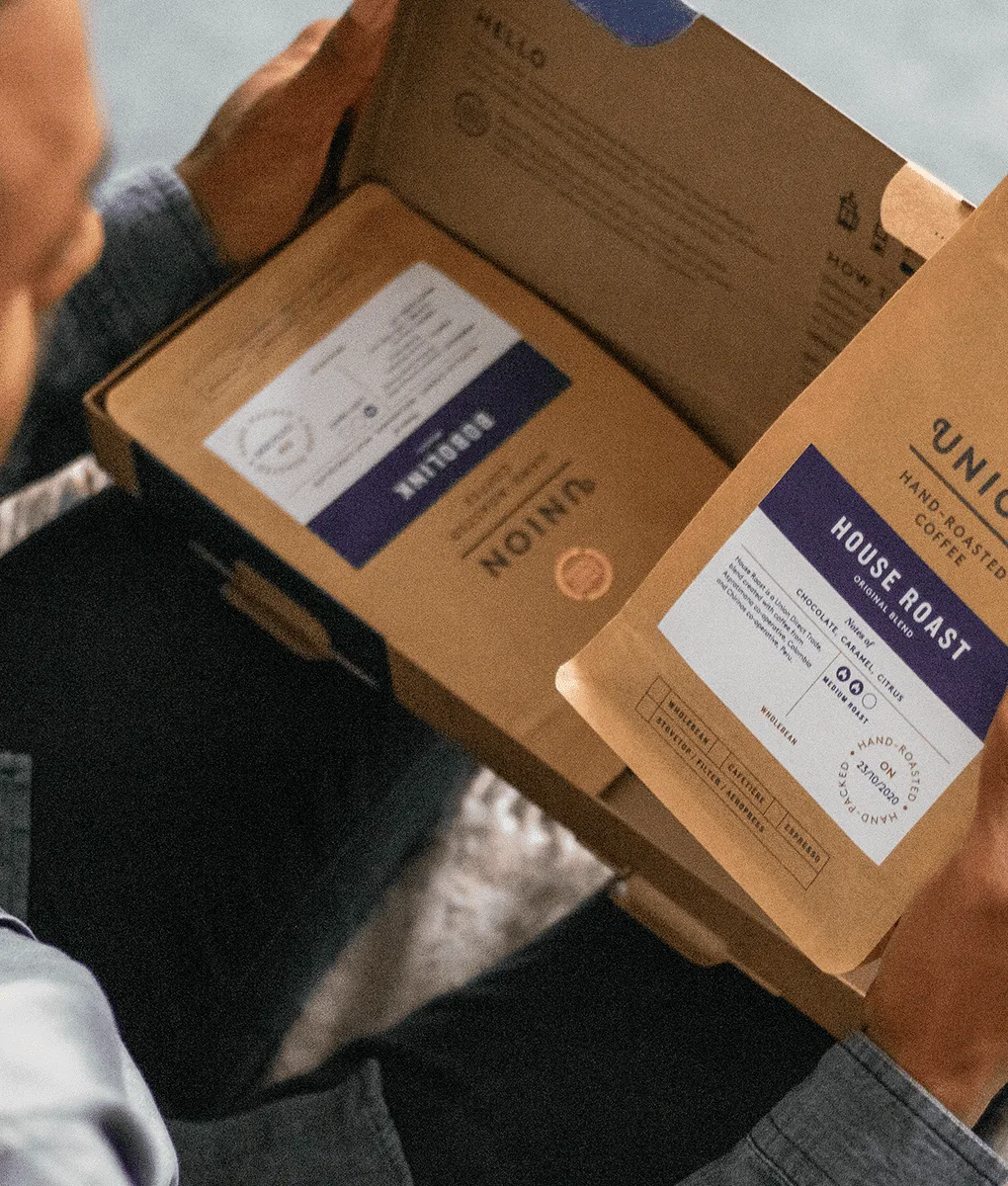
On the other hand, if you drink espresso-based drinks like lattes or cappuccinos, a blend will likely deliver a more satisfying experience. Blends are designed to cut through milk and maintain their integrity. Our Revelation, Signature Espresso is a blend crafted specifically for espresso, offering a rich crema and a flavor profile that balances dark chocolate and stone fruit. For everyday convenience, a coffee subscription like Discovery, Coffee Subscription can introduce you to both single origins and blends, helping you discover your favorites.
- For pour-over and black coffee lovers: start with single origins.
- For espresso and milk drinks: choose a well-crafted blend.
- For variety: consider a subscription that rotates both types.
The Art of Roasting Single Origins and Blends
Roasting is where the difference between single origin and blend really comes to life. Single origin beans are often roasted lighter to preserve their unique flavor compounds and acidity. Light to medium roasts highlight floral, fruity, and wine-like notes. In contrast, blends are frequently roasted to a medium or medium-dark level to create harmony between the different beans and develop a fuller body. Roasters may also use different roast profiles for each component bean before blending, a technique known as ‘post-blending.’
At Union Coffee, we roast both single origins and blends in small batches to ensure peak freshness. Whether you’re brewing a single origin like Verde Alto, Costa Rica with its honey sweetness and bright acidity, or a balanced blend like Summer, Blend, you’re getting coffee that has been handled with care from green bean to bag. The roast date on every package guarantees you’re enjoying the coffee at its best.
- Single origins are typically roasted lighter to preserve origin character.
- Blends are often roasted medium to balance flavors and body.
- Freshly roasted coffee—whether single origin or blend—makes a noticeable difference in taste.
Whether you lean toward the pure expression of a single origin or the harmonious complexity of a blend, the most important factor is freshness and quality. At Union Coffee, we roast every batch to order so you can experience the full potential of the beans. Explore our selection of single origins and blends today, and find the perfect coffee for your morning ritual. Start with our Union Signature Selection, 2 pack to taste a blend that embodies balance and consistency—ideal for any brewing method.