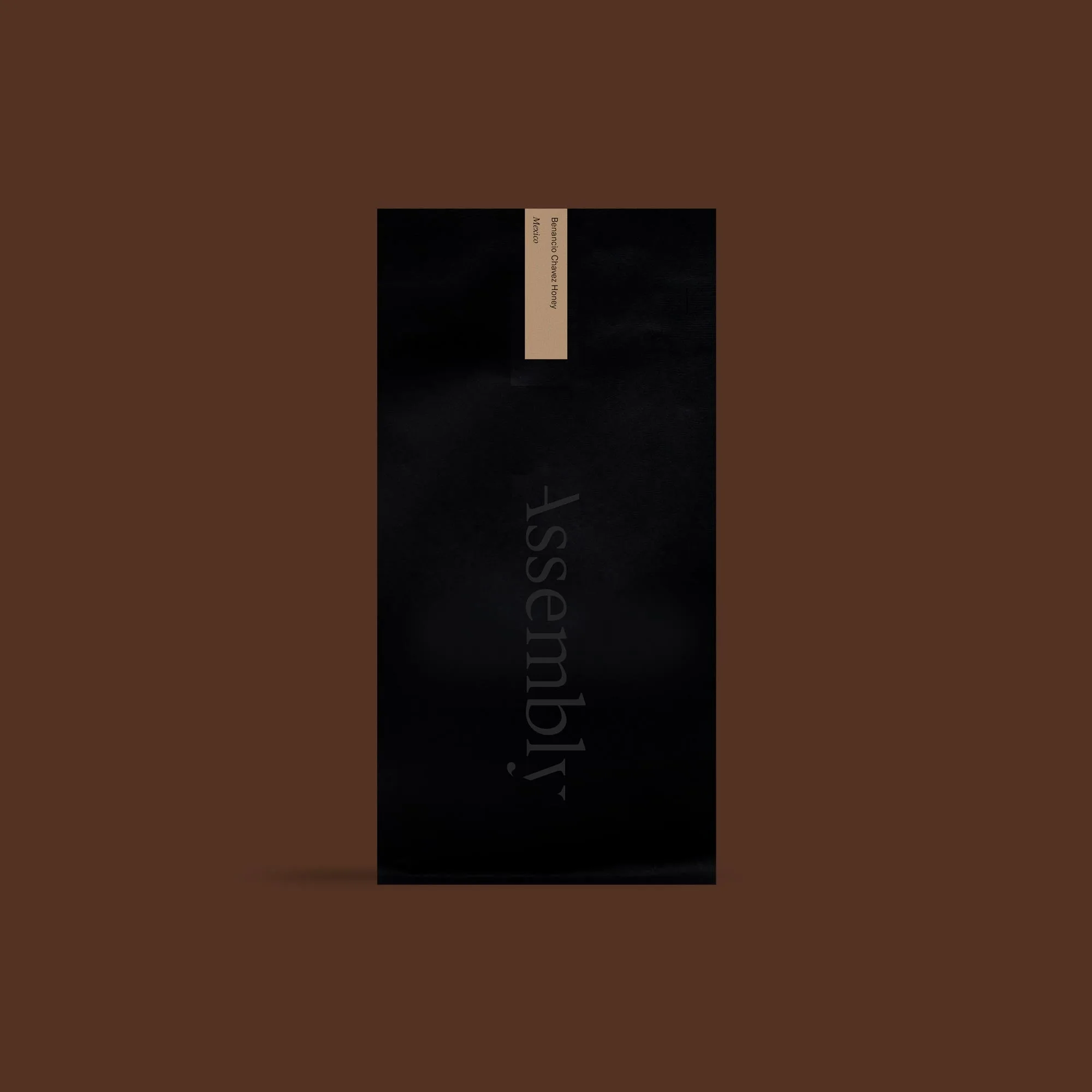
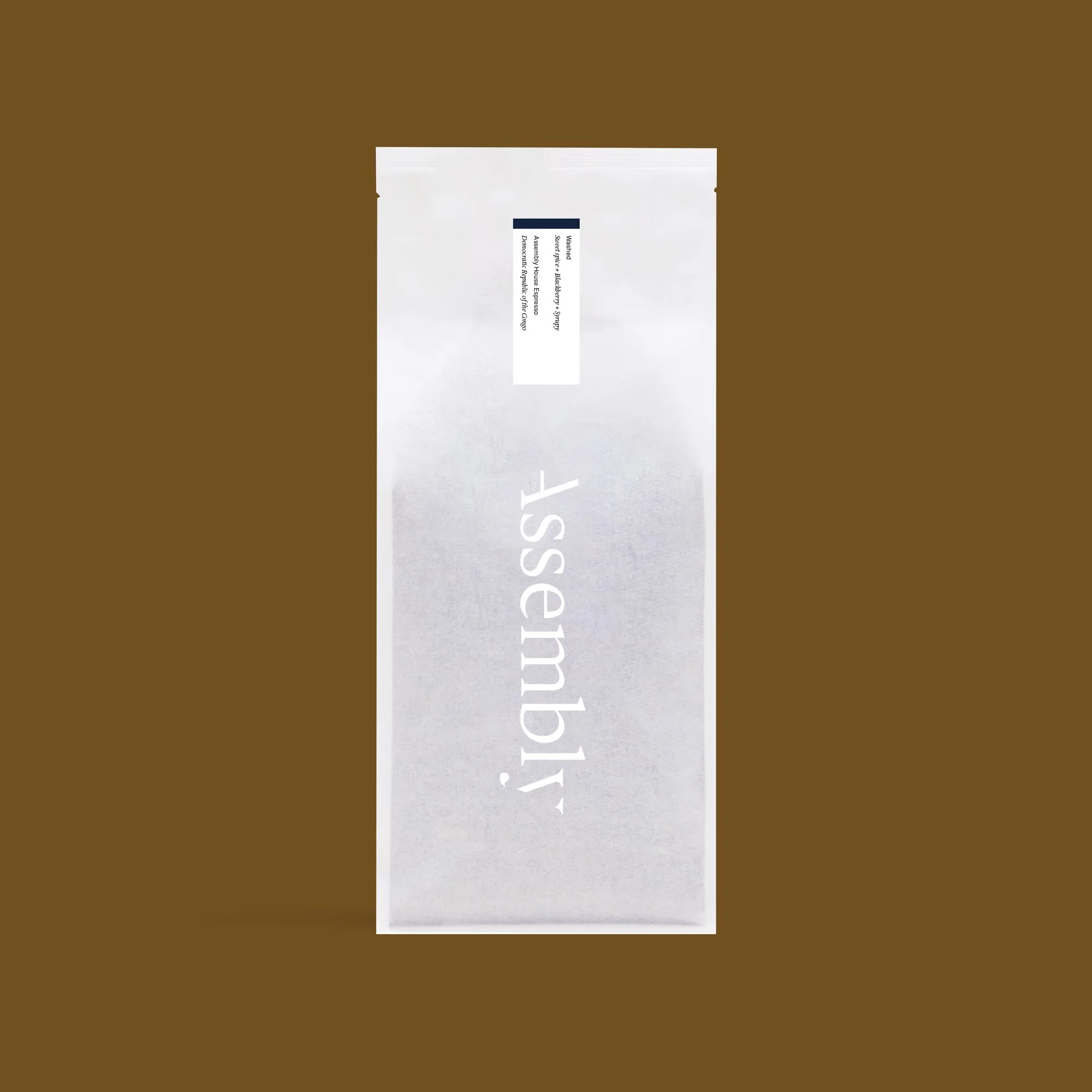
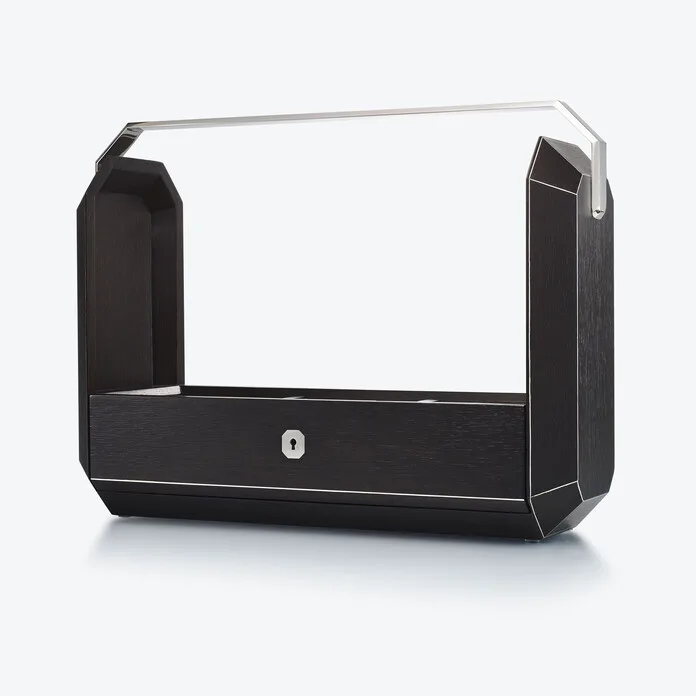
Choosing between single-origin and blend coffee is one of the most common dilemmas for home brewers and coffee enthusiasts. Each type offers a unique experience, from the distinct, traceable flavors of single-origin beans to the balanced, consistent profile of a well-crafted blend. Understanding these differences can help you select the right coffee for your brewing method, mood, or occasion.
In this guide, we’ll break down the defining characteristics of single-origin and blend coffees, explore their flavor profiles, and offer practical advice for making the best choice. Whether you’re a curious beginner or a seasoned barista, this comparison will help you navigate the world of specialty coffee with confidence.
What Is Single-Origin Coffee?
Single-origin coffee comes from one specific geographic region, farm, or cooperative. This traceability allows roasters and drinkers to highlight the unique terroir—the climate, soil, altitude, and processing methods—that shape each bean’s flavor. For example, a coffee from Colombia’s Huila region might offer bright acidity and fruity notes, while an Ethiopian Yirgacheffe can present floral and citrus characteristics.
Because single-origin beans are not blended, they often showcase the purest expression of a particular variety or processing style. This makes them ideal for those who want to explore the nuances of coffee from different origins. Many specialty roasters, including Assembly Coffee, offer curated collections like The Linarco Rodriguez Collection, which features coffees from a single producer, allowing you to taste the dedication and craft behind each lot.
The Linarco Rodriguez Collection
- Single-origin beans are typically roasted lighter to preserve delicate flavors.
- They are excellent for pour-over and filter brewing methods that highlight clarity.
What Is a Coffee Blend?
A coffee blend combines beans from two or more origins to create a balanced, consistent flavor profile. Blends are often designed to work well with milk-based drinks like lattes and cappuccinos, or to provide a reliable daily cup that tastes the same from batch to batch. Roasters carefully select and proportion beans to achieve specific qualities—such as body, sweetness, or chocolate notes—that might be lacking in a single origin.
Blends are also a practical choice for espresso, as they can be formulated to produce a rich crema and balanced extraction. For home baristas, a well-crafted blend offers versatility and predictability, making it easier to dial in your espresso or drip coffee. If you’re looking for a gift that combines variety and quality, the Assembly Selected Filter Coffee (Gift) is a thoughtfully curated option that introduces you to different flavor profiles in one package.

Assembly Selected Filter Coffee (Gift)
- Blends often use a base of Brazilian or Colombian beans for body and sweetness, with brighter origins for complexity.
- They are typically roasted medium to dark to ensure compatibility with espresso machines.
Flavor Profiles: Single Origin vs Blend
The most significant difference between single-origin and blend coffees lies in their flavor profiles. Single-origin coffees are prized for their distinct, often complex notes that reflect their origin. You might taste berry, stone fruit, chocolate, or floral hints, depending on the region and processing. These flavors can change with the harvest season, offering a dynamic experience for adventurous drinkers.
Blends, on the other hand, are designed for consistency and balance. A typical blend might combine a chocolatey Brazilian bean with a fruity Ethiopian to create a cup that is both sweet and complex, but without any single note dominating. This makes blends approachable for those who prefer a familiar, comforting taste. For a deeper dive into how processing affects flavor, check out our article on Natural vs Washed Coffee.
- Single-origin: best for tasting the unique character of a region or farm.
- Blend: ideal for a balanced, repeatable cup that works across brewing methods.
Which Should You Choose? A Practical Buying Guide
Your choice between single-origin and blend coffee depends on your preferences, brewing method, and experience level. If you enjoy exploring new flavors and learning about coffee’s journey from farm to cup, single-origin beans are a fantastic choice. They are perfect for pour-over, Chemex, or AeroPress, where clarity and nuance shine. For example, the Colombia — Linarco Rodriguez Pink Bourbon offers a vibrant, fruity profile that is a joy to brew and taste.
If you prefer a reliable, everyday coffee that works well with milk or in espresso, a blend is often the better option. Blends are also more forgiving when dialing in your grinder and machine, making them ideal for beginners. For those looking to advance their skills, consider taking the SCA Brewing Skills — Intermediate course, which teaches you how to optimize extraction for different coffee types.
- For filter brewing: single-origin coffees are recommended for their clarity.
- For espresso and milk drinks: blends provide body and sweetness.
- For gifts: curated collections or sample bags offer variety without commitment.
How to Taste and Evaluate Both Types
To truly appreciate the differences between single-origin and blend coffees, try cupping or side-by-side tasting. Brew a single-origin coffee using a pour-over method and a blend using the same technique, then compare aroma, acidity, body, and finish. Note how the single-origin might have a more pronounced flavor note, while the blend feels more rounded and integrated.
You can also experiment with brewing variables like grind size, water temperature, and brew time to see how each coffee responds. For a structured approach to tasting, consider the SCA Sensory Skills — Foundation course, which teaches you to identify and describe flavors like a professional. This knowledge will enhance your appreciation of both single-origin and blend coffees.
- Use a clean palate and avoid strong foods before tasting.
- Record your impressions to build a personal flavor library.
Ultimately, the choice between single-origin and blend coffee comes down to what you value most: the thrill of discovery or the comfort of consistency. Both have a place in a well-rounded coffee routine. To start exploring, browse our selection of single-origin coffees and blends, and find the beans that speak to your palate. Whether you’re a curious beginner or a seasoned enthusiast, there’s always something new to taste and learn.