Quick answer
The Sirrus X 3.0 is a versatile hybrid bike for pavement and light trails, while the Align II is a budget-friendly helmet with MIPS protection. Choose the bike for your ride, and the helmet for safety.
Why compare a bike and a helmet?
We often see riders looking to upgrade both their bike and helmet. This comparison helps you understand the distinct roles: the Sirrus X 3.0 changes how you ride, while the Align II protects you on every ride.
Performance vs Protection
The Sirrus X 3.0 focuses on comfort and efficiency across varied terrain with bigger tires and an upright position. The Align II focuses on safety with MIPS technology at a low price. They serve different primary needs but complement each other.
Trade-offs at a glance
- Versatility: The Sirrus X 3.0 handles pavement and dirt equally well, but its bigger tires add slight weight compared to pure road bikes.
- Safety investment: The Align II offers MIPS at a low price, but lacks the aerodynamics and ventilation of premium helmets.
- Cost balance: Buying both the Sirrus X 3.0 and Align II provides a complete start, but if budget is tight, prioritize the helmet for safety. If you already own a bike, the Align II is a worthwhile safety upgrade.
Product facts
-
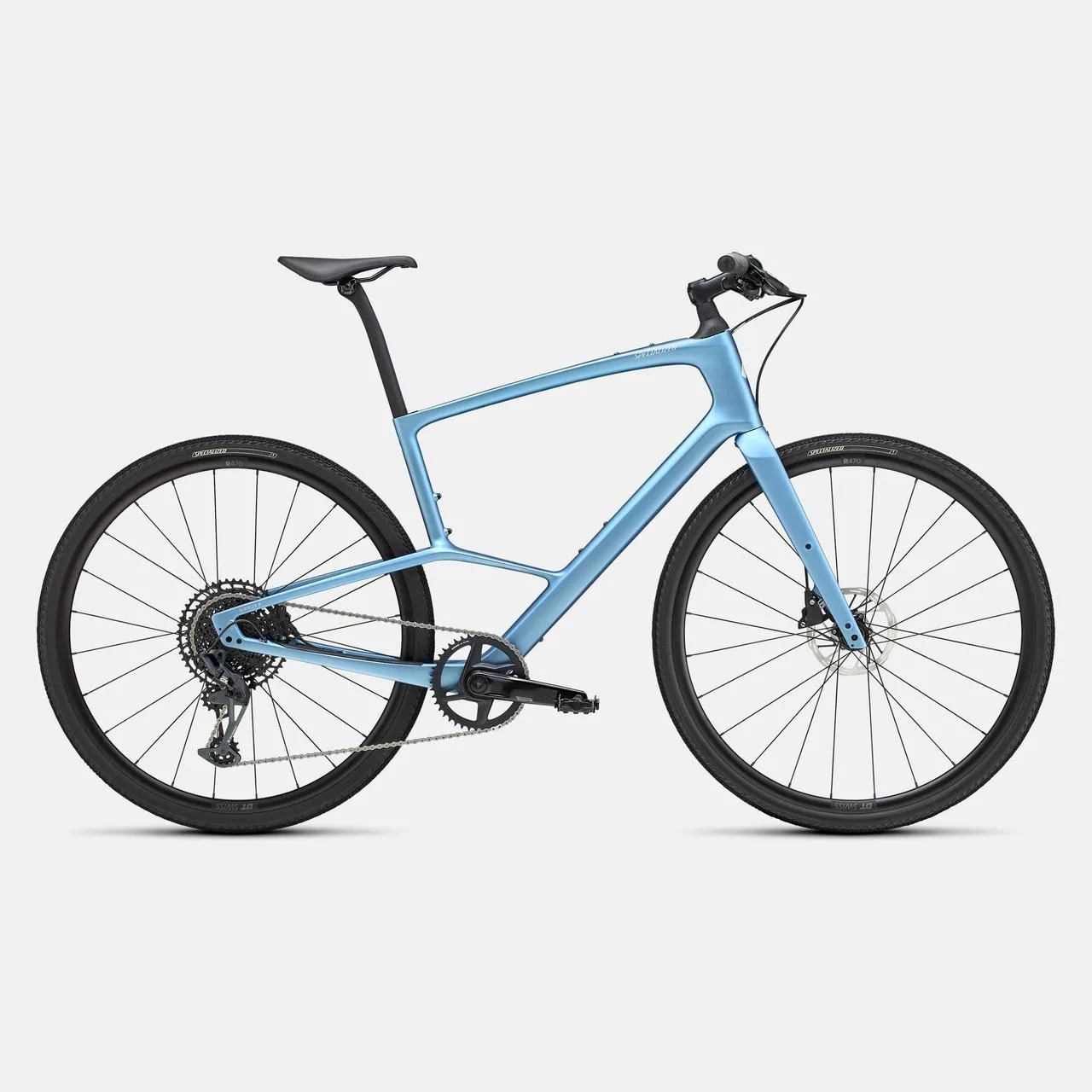
Sirrus X 3.0: Offering an unprecedented combination of comfort, efficiency, and nimble handling, the Sirrus X excels on pavement, dirt, and any terrain in between. This means you can ride confidently on your daily commute and weekend gravel paths without switching bikes.
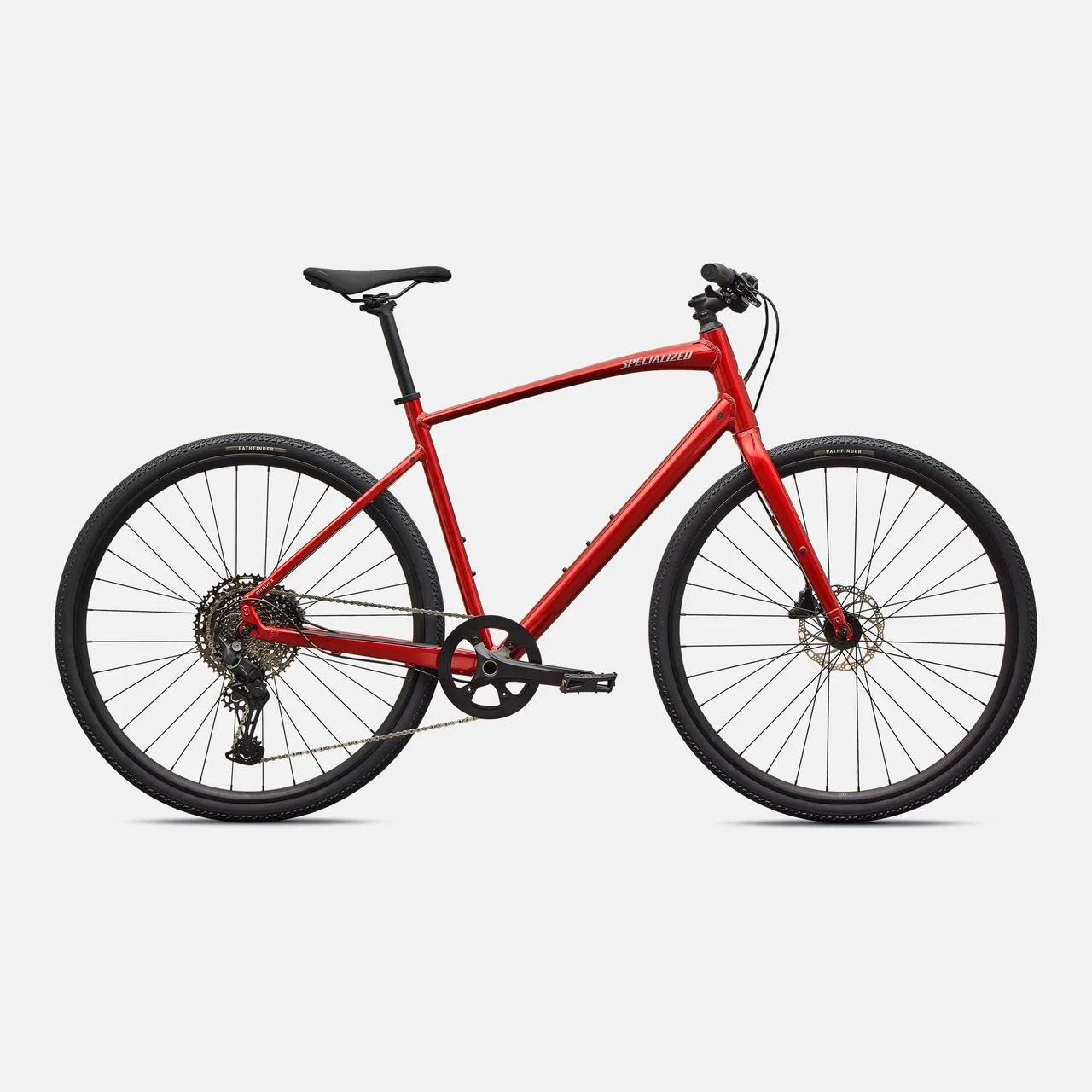
Sirrus X 3.0
-
Align II: The Align II became the only $50 helmet to earn the highest rating from a leading safety institute, thanks to its MIPS protection system. You get top-tier rotational impact protection without spending a fortune, making it a smart choice for budget-conscious riders.
Align II
Which fits you?
Best for
- Riders who want a single bike for commuting and weekend trails
- Cyclists on a budget who still want MIPS protection
Not for
- Competitive road cyclists who need a lightweight, high-aerodynamic helmet
- Riders who only ride smooth pavement and prefer a traditional road bike