Quick answer
Sissy Stix are a rear support system that steadies your rifle from the shoulder or buttstock when you cannot get prone or find a natural rest. They are worth carrying if you regularly hunt in steep, brushy, or tall-grass country where improvised rear support is unreliable. They are not a replacement for a full tripod when you need to stand and glass or take long-range shots from an unsupported position.
Most hunters understand the value of a solid front rest. The rear rest is the part that quietly decides whether your crosshair settles or drifts. Sissy Stix are a lightweight answer to that problem: a rear support you can deploy when the ground offers nothing better than a backpack or your own knee.
This guide explains what Sissy Stix are, how they differ from a tripod or shooting sticks, and the decision rules that tell you whether to add them to your pack. It also covers the fit questions that matter before you buy, so you end up with support that matches how you actually hunt.
What Sissy Stix actually do
Sissy Stix are a rear support device. You use them under the buttstock or against your shoulder to create a third point of contact between you and the rifle. That third point reduces the small movements that show up as horizontal drift when you are breathing hard or holding a heavy rifle.
They are not a front rest and they are not a tripod. Think of them as the rear half of a stable shooting position. If your front rest is solid and your rear support is soft, the rifle still moves. Sissy Stix address that rear half without adding the weight and setup time of a full tripod.
- Use them when the ground is too hard, too steep, or too brushy for prone.
- Pair them with a front rest, trekking poles, or a pack for a complete position.
- Practice deploying them before the season so the motion is automatic under pressure.
How they compare with tripods and shooting sticks
A tripod gives you the most stability and the ability to stand and glass. It also costs more, weighs more, and takes longer to set up. Sissy Stix are lighter and faster, but they depend on your front support and your body position. If you hunt wide-open country and take long shots, a tripod is still the better tool.
If you hunt timber, steep breaks, or tall grass where shots come quickly and positions are awkward, Sissy Stix fill a gap. They are a compromise: less stability than a tripod, more stability than a backpack alone, and far less weight than either.
- Choose a tripod when standing glassing and long-range precision matter most.
- Choose Sissy Stix when you need a fast, light rear rest for improvised positions.
- Carry both only if your hunt includes both open and tight terrain.
Fit guidance: matching Sissy Stix to your body and rifle
Fit matters more than most hunters expect. The support needs to reach from your shoulder or buttstock to a stable point without forcing you into an unnatural position. If you are tall or hunt in steep terrain, check that the system extends far enough to keep your head upright and your neck relaxed.
Your rifle setup also affects fit. A heavy rifle with a long barrel needs more rear support than a lightweight carbine. If you shoot with a backpack as a front rest, your rear support height changes. Test the combination before you commit to a hunt, and adjust the length so the rifle sits level when you settle in.
- Check reach from your shoulder to the ground or your knee in your typical shooting stance.
- Test with your actual rifle and pack, not a stripped-down setup.
- If you cannot get comfortable in dry practice, you will not get comfortable in the field.
Trade-offs to accept before you buy
Sissy Stix are not a magic rest. They add a piece of gear to your pack, and they require practice to deploy smoothly. In thick cover, the extra motion can cost you a shot if you have not trained with them. They also do not replace good fundamentals: breathing, trigger control, and a solid front rest still matter most.
The upside is weight and speed. For hunters who cover a lot of ground and take shots at moderate ranges from improvised positions, that trade-off usually favors carrying them. For hunters who mostly shoot from fixed positions or long range, a tripod remains the better investment.
- Accept that you must practice deployment to get the benefit.
- Do not expect tripod-level stability from a rear support alone.
- Match the tool to your terrain and shooting distance, not to trends.
Supporting gear that keeps Sissy Stix working
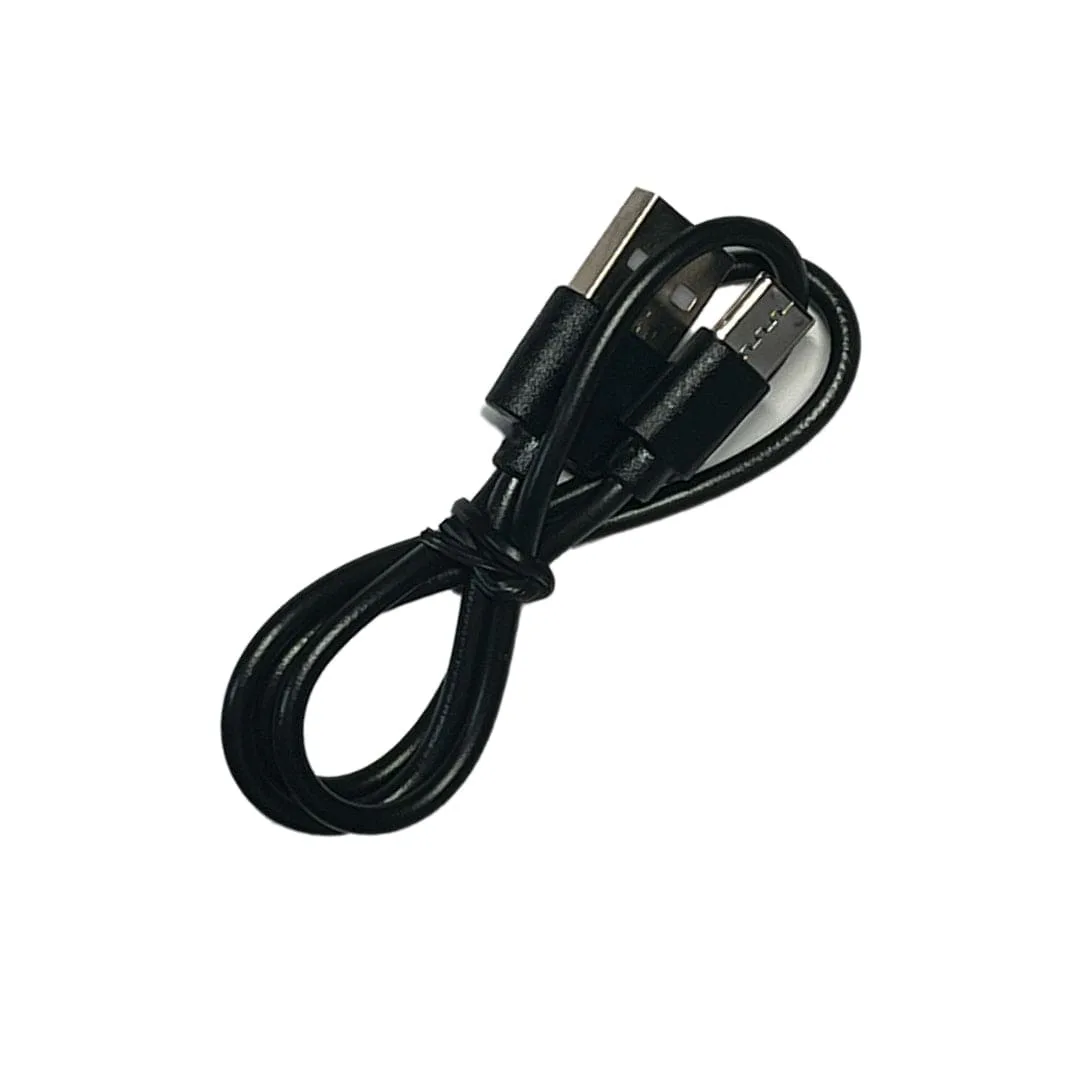
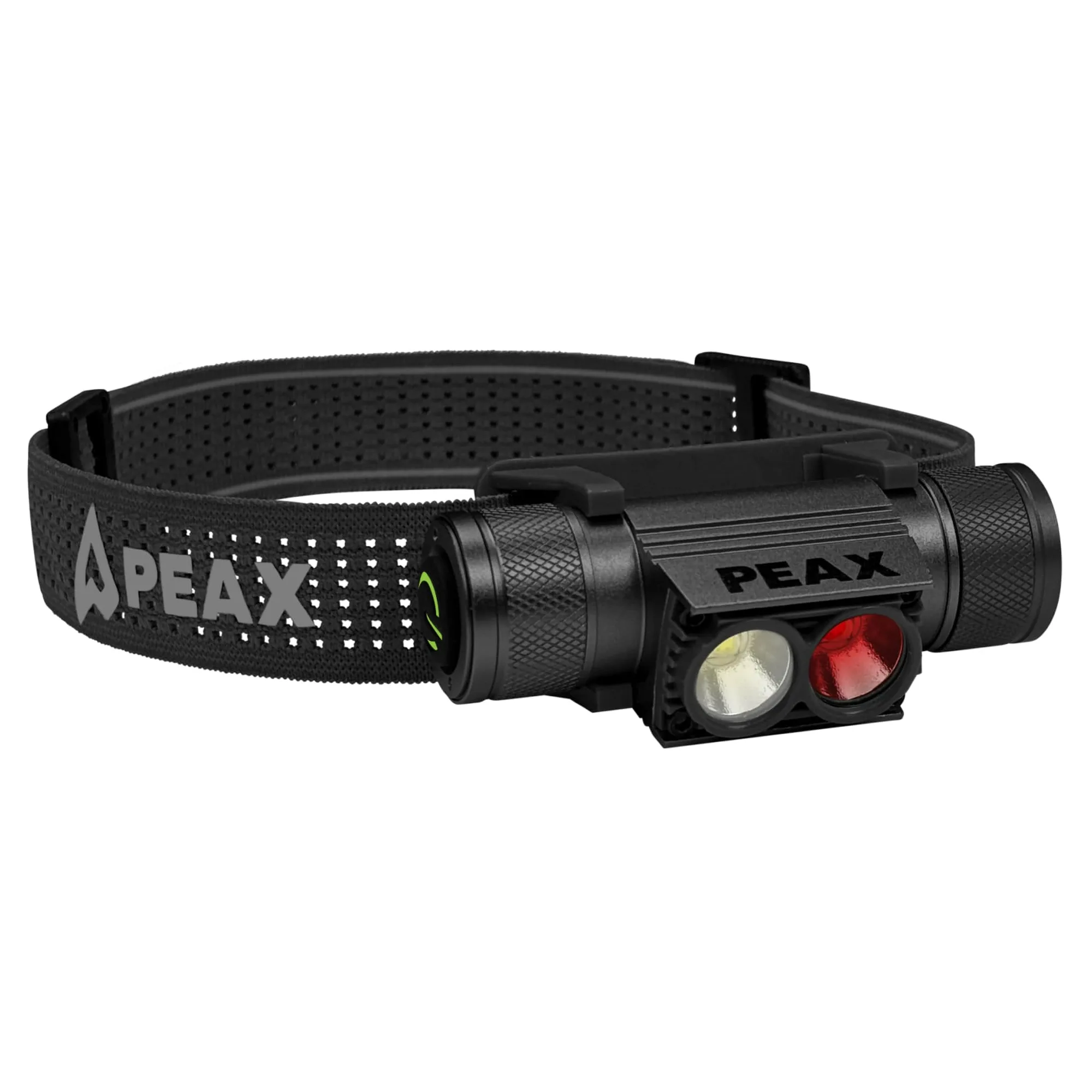
A rear support is only as good as the rest of your system. Batteries die, charging cables fail, and shelters leak. The https://peaxequipmentpo.com/products/headlamp-charging-cable-9de5ebdb24f1e2a838be5ff8-1925144PEAX Backcountry DUO headlamp charging cable is a small spare that prevents a dead headlamp from ending your early-morning setup. The SPARE M38 18650 RECHARGEABLE BATTERY is the matching spare for that headlamp, and the catalog notes that one battery is included with the Backcountry Duo Headlamp.
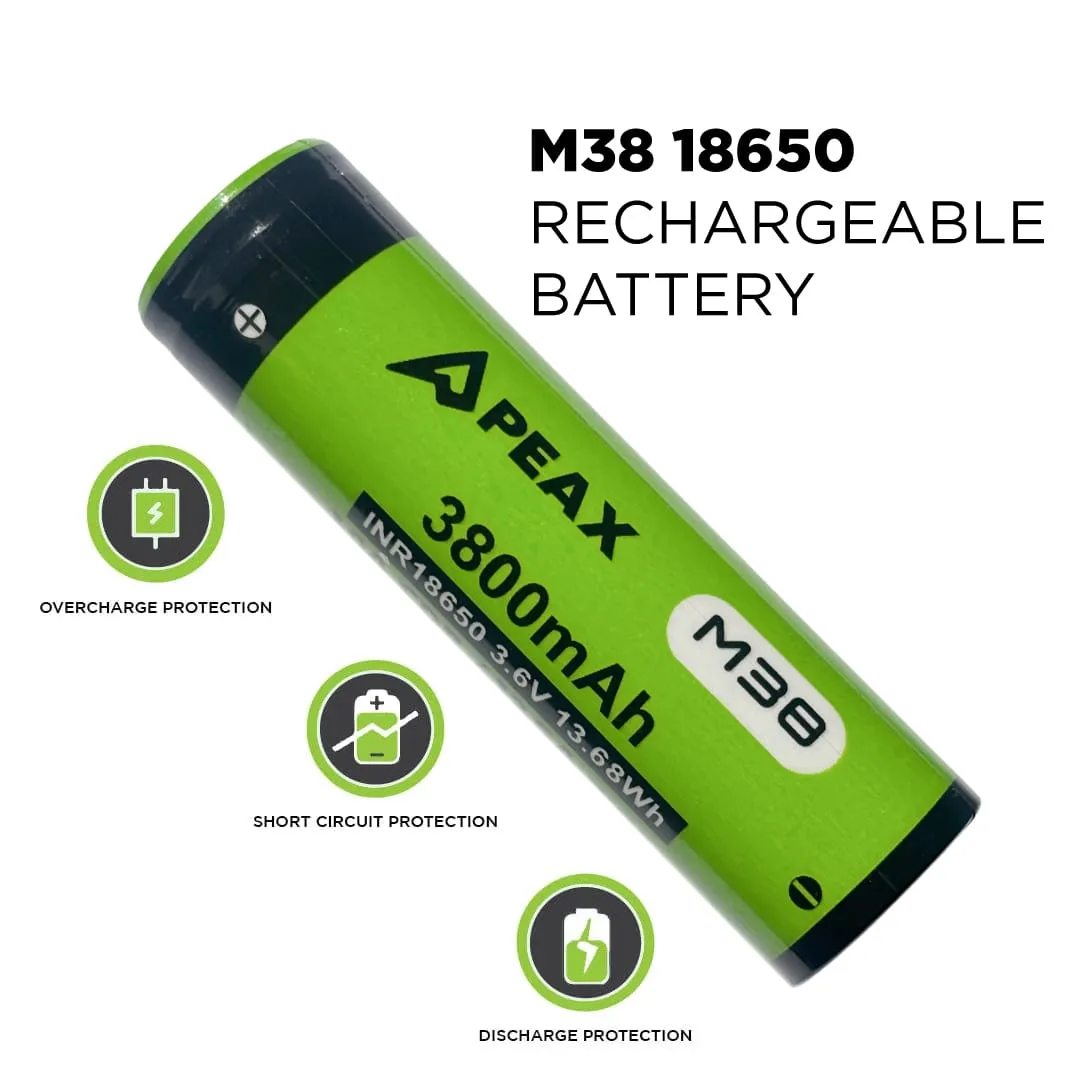
SPARE M38 18650 RECHARGEABLE BATTERY
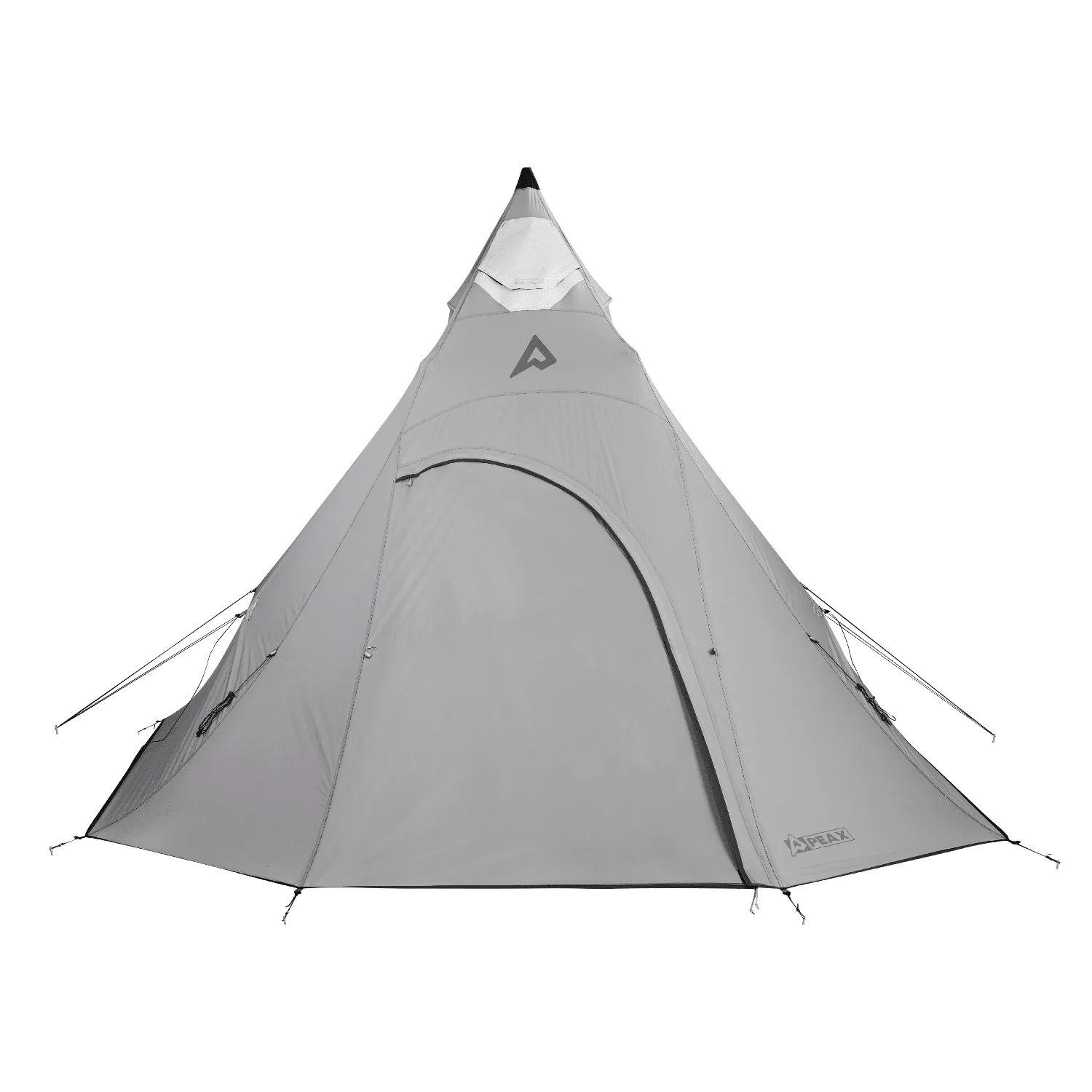
If your hunt includes spike camps, the SOLITUDE TARP [DYNEEMA®] ONLY and the SOLITUDE 4 TIPI [SILNYLON] ONLY are two shelter options in the PEAX lineup. The tarp is an ultralight Dyneema® option for glassing and spike camps, while the tipi is a four-season hot tent with CROSSTREK Stabilization and SINGLEPOINT Guyout. Neither changes how Sissy Stix perform, but a stable camp means you start the day rested and ready to shoot.
- Carry a spare charging cable for the Backcountry DUO headlamp.
- Keep a spare M38 18650 battery for cold-weather reliability.
- Choose shelter based on season and weight, not on one-size-fits-all advice.
Decision rules for buying Sissy Stix
- Choose Sissy Stix if you hunt steep or brushy terrain: In terrain where prone is impossible and natural rear rests are rare, a rear support system adds stability without the weight of a tripod. Buy them if improvised rear support is your weak link.
- Choose a tripod instead if you stand and glass or shoot long range: A tripod provides free-standing stability and better support for extended glassing. Sissy Stix depend on your front rest and body position. Do not buy Sissy Stix expecting tripod-level performance.
- Choose both only if your hunt covers open and tight country: Carrying both adds weight. Only do it if your hunt genuinely includes long-range open shots and fast, close-range opportunities in cover. Match the tool to the shot you are most likely to take.
- Practice before you commit: Deploy the support in dry practice with your actual rifle and pack. If you cannot get steady and comfortable in practice, you will not get steady in the field. If it does not work in the yard, it will not work on the mountain.
Product facts that matter for this decision
- SPARE M38 18650 RECHARGEABLE BATTERY: The Peax M38 18650 3.7V Lithium-ion Rechargeable Battery has a high performance 3800mAh capacity featuring a flat top to prevent overcharging, short circuiting and includes discharge protection. It's the perfect companion to the Backcountry DUO Headlamp. Two is one and one is none. One battery is included with the Backcountry Duo Headlamp. A spare battery keeps your headlamp running through cold mornings and long pack-outs, which matters when you are setting up a shooting position before daylight.
- PEAX BACKCOUNTRY DUO HEADLAMP CHARGING CABLE: USB to USB-C charging cable for the BACKCOUNTRY DUO headlamp. The Backcountry Duo's circular housing requires a charging cable with a slightly longer metal end for a proper connection. This spare cable is built to fit—unlike some standard options (like Apple USB-C) that may not seat correctly. And because two is one and one is none, it's always smart to have a back-up that works well with every device. A cable that does not seat correctly can leave you without light. Carrying the correct spare avoids a preventable failure in the field.
- SOLITUDE TARP [DYNEEMA®] ONLY: When every ounce matters, your shelter system should provide maximum protection without adding unnecessary weight. The PEAX Solitude Dyneema® Tarp delivers dependable weather protection in an ultralight package built for demanding backcountry hunts. Combining the versatility of a hunting tarp with the exceptional strength-to-weight ratio of Dyneema® fabric, it provides reliable coverage for glassing, spike camps. An ultralight tarp keeps your pack weight down on hunts where you move camp often, leaving room for the tools you actually use to shoot.
- SOLITUDE 4 TIPI [SILNYLON] ONLY: The PEAX Solitude 4 tipi is a lightweight, system built, 4 season hot tent engineered for hunters who refuse to compromise on comfort, durability, or protection. CROSSTREK Stabilization (patent pending) increases headspace by up to 30%. SINGLEPOINT Guyout (patent pending) enhances stability in extreme weather. 20D Silnylon Fabric is lightweight and durable when combined with our STORMSHIELD Coating. A four-season hot tent gives you a stable base camp in cold and wind, so you can rest and recover between hunts instead of fighting your shelter.
Who Sissy Stix are for
Best for
- Hunters who take shots from kneeling, sitting, or improvised positions in steep or brushy terrain
- Hunters who want a lightweight rear support to pair with trekking poles or a pack as a front rest
- Hunters who cover ground and need a fast setup rather than a full tripod
Not for
- Hunters who mostly shoot from a fixed position or need standing, free-standing support for long-range shots
- Hunters who want a single do-everything rest and are unwilling to carry a front support
- Hunters who will not practice deployment before the season
Sissy Stix solve a specific problem: the missing rear support when the ground gives you nothing. If your hunts regularly put you in steep, brushy, or tall-grass country, they are a light, fast upgrade to your shooting position. If you need standing stability or long-range precision, put the money toward a tripod instead. Either way, practice with your actual rifle and pack before you rely on any support in the field.