Why Six Eggs Changes How You Plan
A single egg of Silly Putty is a novelty. Six eggs is a supply you can organize. That difference matters whether you are running a therapy session, a classroom center, or a rainy afternoon at home. The set gives you enough putty to keep several children engaged at once, to rotate colors or stations, and to replace a worn egg without ending the activity.
The original Silly Putty in this set is stretchy, squeezy, and bouncy. Those three properties support different kinds of play, from slow hand exercises to quick movement breaks. The sections below show how to set up each type, how to care for the putty between sessions, and where the limits of the supplied information lie.
What Is in the Six Silly Putty Set
-
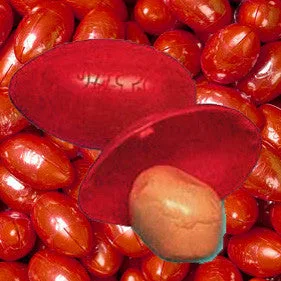
Six Silly Putty: Includes six eggs of Silly Putty. Six separate eggs let you assign one per child, rotate stations, or keep a spare without dividing a single lump.
Six Silly Putty
-
Six Silly Putty: Original bouncy and stretchy Silly Putty. The bouncy property supports movement breaks; the stretchy property supports pulling and hand exercises.
-
Six Silly Putty: Stretchy, squeezy, and bouncy, exactly as you remember from childhood. Familiar behavior means you can demonstrate the activity quickly, without a learning curve.
Set Up a Putty Station for Sensory Play
A predictable setup keeps the putty where you want it and makes clean-up faster. Use these steps whether you are working with one child or a small group.
- Choose a smooth, washable surface: A table that wipes clean is easier than fabric or carpet. Keep the eggs on a tray so they do not roll away.
- Assign one egg per child: Six eggs means each child can have their own putty, which reduces sharing conflicts and keeps the activity calm.
- Demonstrate one property at a time: Start with squeezing, then stretching, then bouncing. Introducing one action at a time helps children focus and gives you a clear checkpoint before moving on.
- Keep a spare egg within reach: If one egg gets dropped or contaminated, you can swap it without interrupting the session.
Silly Putty Sensory Activities for Sessions
These activities use the three properties named in the product description. They work in play therapy, occupational therapy support, or classroom sensory breaks.
- Slow stretch: Hold the putty with both hands and pull slowly until it thins. This is a quiet, calming activity that gives children time to notice how the putty changes.
- Squeeze and release: Squeeze the putty into a ball, hold for a moment, then release. Repeat several times. The squeezy property makes this a simple hand exercise.
- Bounce and catch: Roll the putty into a ball and bounce it on the table. The bouncy property adds a movement break between seated tasks.
- Hide and find: Press a small object into the putty and have the child find it. This adds a fine motor challenge, but only use objects large enough that they cannot be swallowed.
Putty Craft Ideas for Kids
Silly Putty is not a permanent craft material, but it can be used in temporary crafts and then returned to the egg. These ideas suit groups and individual play.
- Texture prints: Press the putty onto a textured surface such as a plastic lid or a woven mat, then lift it to see the pattern. This works well as a quick sensory exploration.
- Shape and flatten: Roll the putty into a snake, then flatten it into a pancake. Children can compare the shapes and practice hand control.
- Color mixing observation: If you have more than one egg, press two colors together and watch how they blend. Keep in mind that once mixed, the colors will not separate again.
- Story prop: Use a flattened piece of putty as a small landscape or base for a story scene. The putty can be reshaped as the story changes.
Silly Putty Hand Exercises for Fine Motor Skills
The stretchy and squeezy properties make Silly Putty useful for hand strengthening. These exercises are simple enough for children to repeat and do not require extra equipment.
- Finger pinch: Pinch off small pieces of putty using only the thumb and index finger. This targets the pincer grasp.
- Roll into balls: Roll the putty between the palms to make a ball, then between the fingertips to make a smaller one. This works on coordination.
- Pull apart: Hold the putty with both hands and pull it apart slowly, then press it back together. This gives resistance through the hands and wrists.
- Press flat: Press the putty flat against the table with the whole hand, then peel it up. This is a gentle stretch for the fingers.
Silly Putty Care Tips Between Sessions
The supplied product information does not include specific cleaning or storage instructions. That means the care advice below is general good practice for putty, not a manufacturer instruction. Always check the packaging for any warnings or directions that come with the set.
Return the putty to its egg after each use. Keep the eggs closed when not in use so the putty does not dry out. Store the eggs at room temperature and away from direct sunlight. If the putty picks up lint or crumbs, remove them by stretching the putty slowly and picking out the debris. Wash hands before and after handling the putty, especially in group settings.
Because the set includes six eggs, you can rotate them. Use one or two eggs per session and keep the others sealed. This extends the life of the set and gives you a clean egg for a child who is sensitive to texture or hygiene.
What to Know Before You Buy
The supplied information does not list an age range, safety certifications, or choking warnings. Treat those as details to confirm on the packaging or with the manufacturer before using the putty with young children. The set is described as original Silly Putty, so the behavior matches the classic product, but the absence of a listed age range means you should make your own judgment based on the children you work with.
At USD 10.07 for six eggs, the set is a practical way to stock a therapy room or classroom with a familiar sensory material. If you need a single egg for a quick novelty, a smaller option may be enough. If you plan to run group sessions or keep a rotation, the six-egg set is the more useful choice.