Quick answer
To set up the Skeeter Beeter XT for bug-free camping, hang the hammock between two trees or a stand using a hanging kit (sold separately), then adjust the integrated mosquito net so it seals around you without sagging. Check the net's zipper and suspension points before you climb in, and always pitch it so the net doesn't touch your skin.
Why the Skeeter Beeter XT Solves a Specific Camping Problem
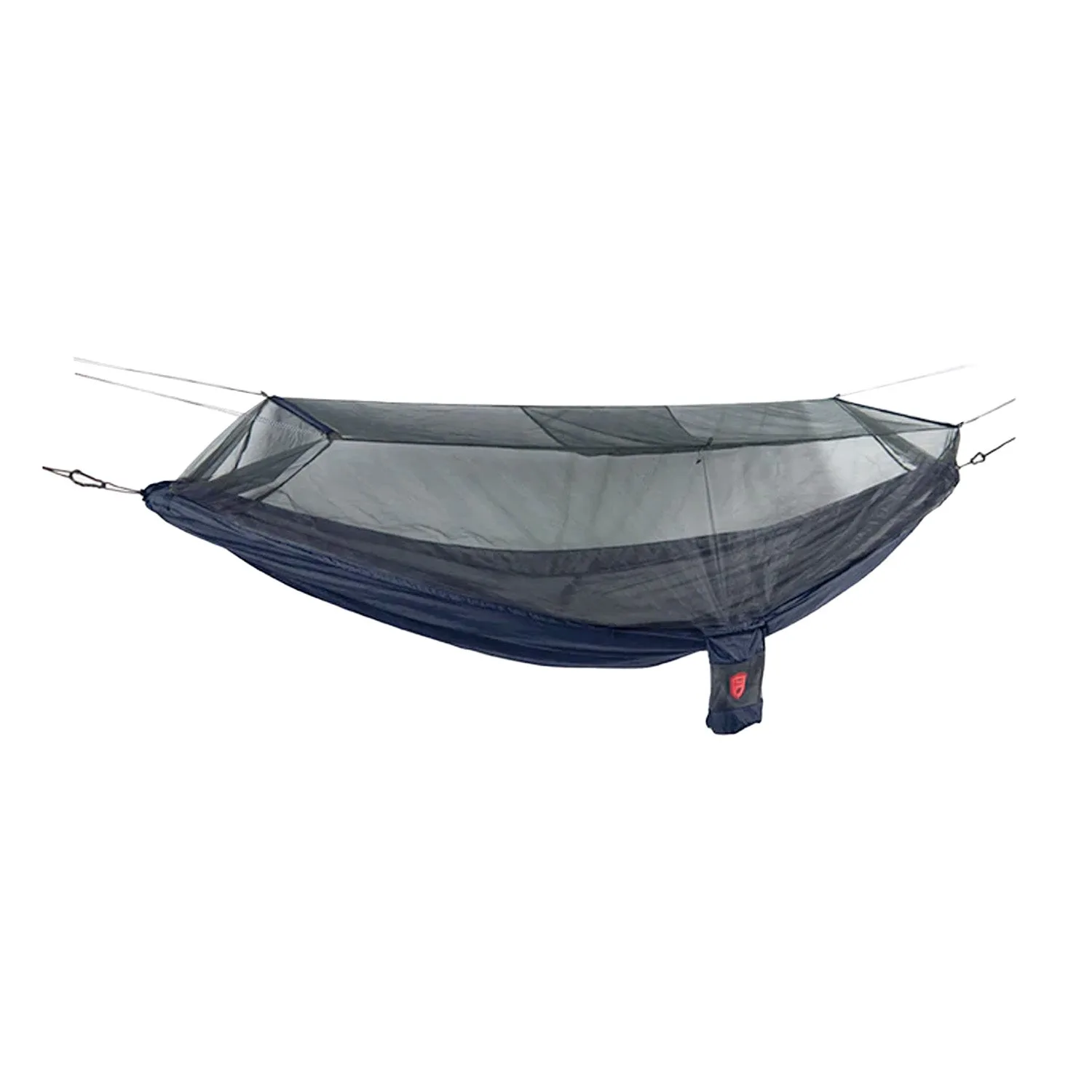
Mosquitoes can turn a peaceful night outdoors into a restless one. The Skeeter Beeter XT is designed to keep bugs out while you sleep, using an integrated mosquito net that's been a favorite protector for over a decade. Unlike separate bug nets that can shift or leave gaps, this hammock's net is built in, so there's less to adjust in the dark. The tradeoff is that you need to hang it properly to get a good seal—more on that in the steps below.
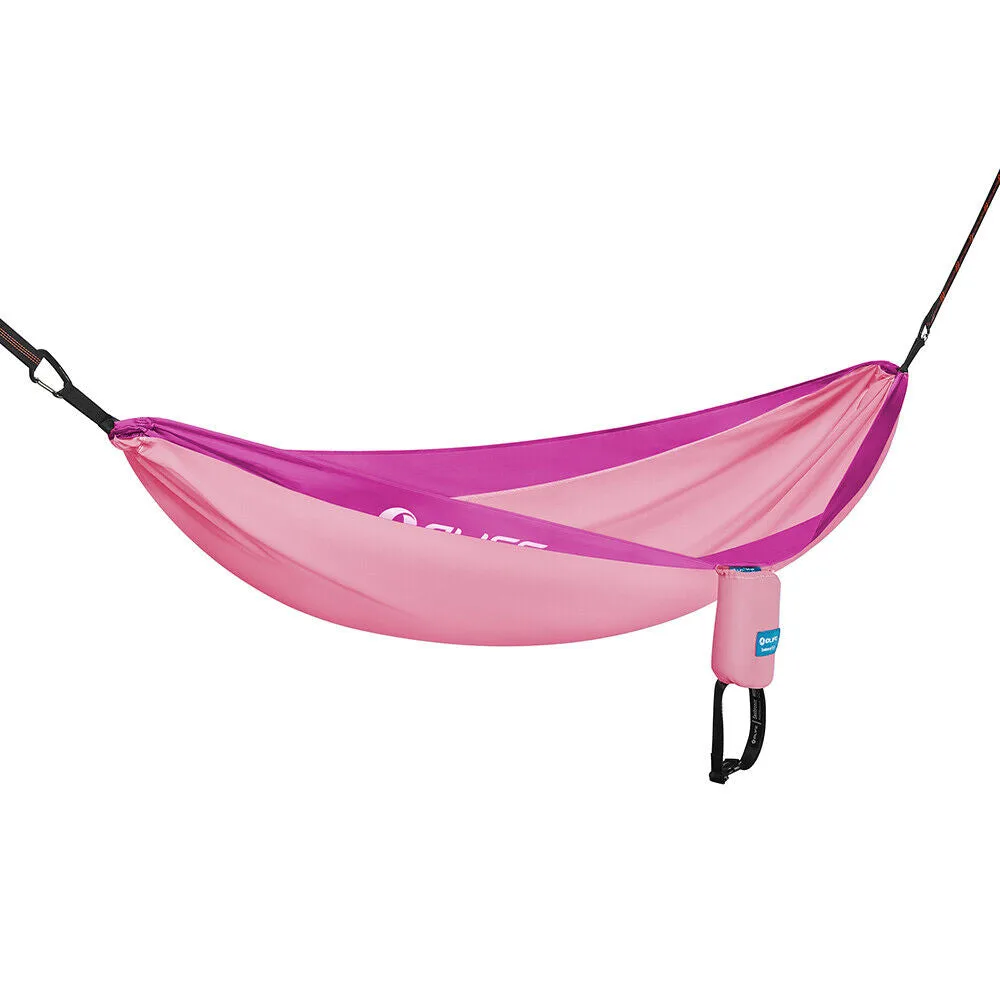
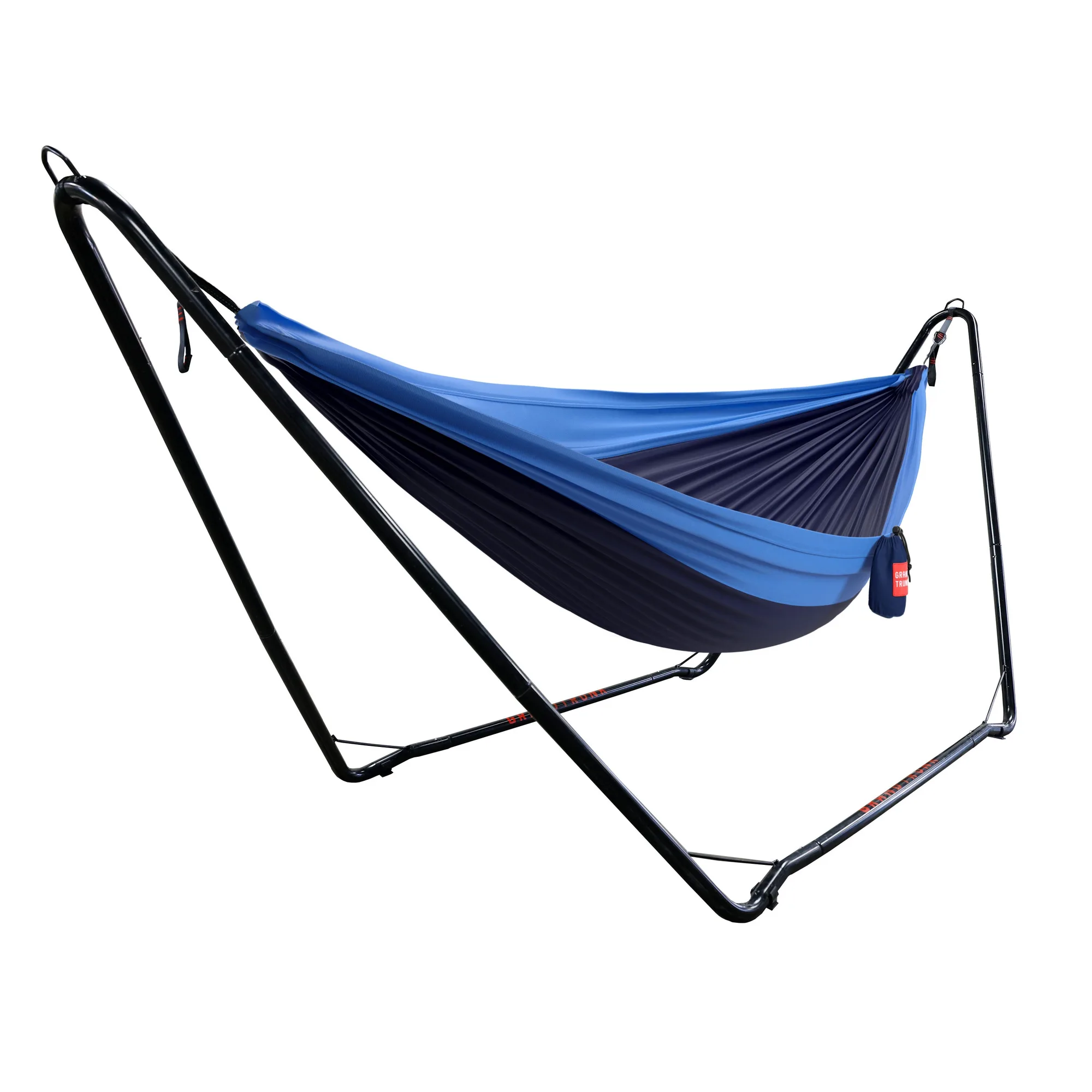
This hammock is part of the Shelter category, meaning it's meant to be your primary sleep system when bugs are a concern. It doesn't include a hanging kit or straps, so you'll need those separately. If you already own a hammock stand like the Hangout Hammock Stand, you can use that instead of trees, which is handy for car camping or beach trips where trees are scarce. Just note the stand doesn't include a hammock, so pairing it with the Skeeter Beeter XT is a deliberate choice.
Choosing Your Hang Location and Weather Protection
Where you hang matters as much as how. Look for two sturdy trees or a stand that can handle your weight and the hammock's suspension. Avoid dead branches overhead and low spots that collect water. If you're using a stand, set it on level ground so it doesn't shift when you get in. The Skeeter Beeter XT's net protects against mosquitoes, but it's not a rain fly—if rain is likely, you'll want additional shelter or a tarp.
For bug-free hammock camping, also consider airflow. A breezy spot helps keep mosquitoes away naturally, but too much wind can make the net flap against you. A spot with partial shade and a light breeze is ideal. If you're camping near water, expect more bugs at dawn and dusk, so have the net sealed well before then.
Caring for the Integrated Mosquito Net
The net is the key feature, so treat it gently. After each trip, check for tears or holes, especially near the zipper and suspension points. Sand and grit can wear on the mesh, so shake it out before packing. When you clean the hammock, follow the manufacturer's instructions—typically hand wash with mild soap and air dry away from direct sunlight. Avoid harsh chemicals that can degrade the netting.
Store the hammock loosely in a dry bag or pillowcase, not compressed in a stuff sack for long periods, to prevent creases that can become weak spots. If you camp often, inspect the net before every trip. A small repair with a patch kit can save a night of itching.
Step-by-step setup for bug-free hanging
- Gather your gear: You'll need the Skeeter Beeter XT, a hanging kit or straps (not included), and optionally a hammock stand. Check that straps are long enough for your chosen trees or stand. Common mistake: forgetting straps and having to improvise with rope, which can damage trees and stretch.
- Find the right hang points: Select two sturdy trees about 12–15 feet apart or set up your stand on level ground. Aim for a hang angle of about 30 degrees for comfort. Checkpoint: Make sure trees are alive and at least 6 inches in diameter; avoid dead branches.
- Attach the hammock: Wrap straps around trees or attach to stand hooks, then clip or tie the hammock's suspension to the straps. Adjust so the hammock sits at a comfortable height—about 18 inches off the ground when empty. Common mistake: hanging too high or too low, making it hard to get in or risking bottoming out.
- Adjust the mosquito net: Unzip the net and get inside, then zip it closed. Adjust the net's suspension (usually a ridge line or elastic) so it hangs above your face and seals around the edges without gaps. Checkpoint: The net should not touch your skin; if it does, mosquitoes can bite through.
- Test and fine-tune: Lie in the hammock and check for comfort and net coverage. Make sure the net is not twisted and the zipper is fully closed. If using a stand, ensure it doesn't wobble. Common mistake: not testing before dark; always do a trial run in daylight.
- Pack and care: After use, shake out debris, check for tears, and store loosely. Clean according to instructions to keep the net intact for years. Next step: Consider a hanging kit if you don't have one, and a stand for treeless spots.
Product facts
- Skeeter Beeter XT Mosquito Net Hammock: Skeeter Beeter XT Mosquito Net Hammock has an integrated mosquito net and has been a favorite mosquito protector for over a decade. The built-in net means one less thing to set up and adjust, reducing gaps where bugs can enter.
- Skeeter Beeter XT Mosquito Net Hammock: Hanging kit/straps are not included. You'll need to purchase straps or a kit separately to hang this hammock, so plan ahead.
- Hangout Hammock Stand: Hangout Hammock Stand is perfect for camping in your car or on the beach, or even glamping. Hammock not included. If you don't have trees, this stand gives you a stable hanging option, but you'll need to pair it with a hammock like the Skeeter Beeter XT.