Start with the dog and the skis you already have
Skijoring is simpler than it looks: you ski, your dog wears a harness, and the two of you move together with the dog pulling. Almost anyone can try it, and almost any breed of dog can take part, provided the dog has a desire to pull. You do not need a sled or a full racing setup to begin.
That low barrier is exactly why a first run goes better with a plan. Before you buy anything, check that your dog is comfortable in a harness and that you can ski under control on gentle terrain. The skills matter more than the shopping list, and they make the gear choices much easier to understand.
What the beginner guide covers
-
Skijor With Your Dog: Skijor With Your Dog is a practical guide for beginners that covers the equipment you need, how to teach your dog to pull, and how to work with your dog year-round. It gives you a single reference for the skills and gear decisions in this article, so you can prepare before your first run.
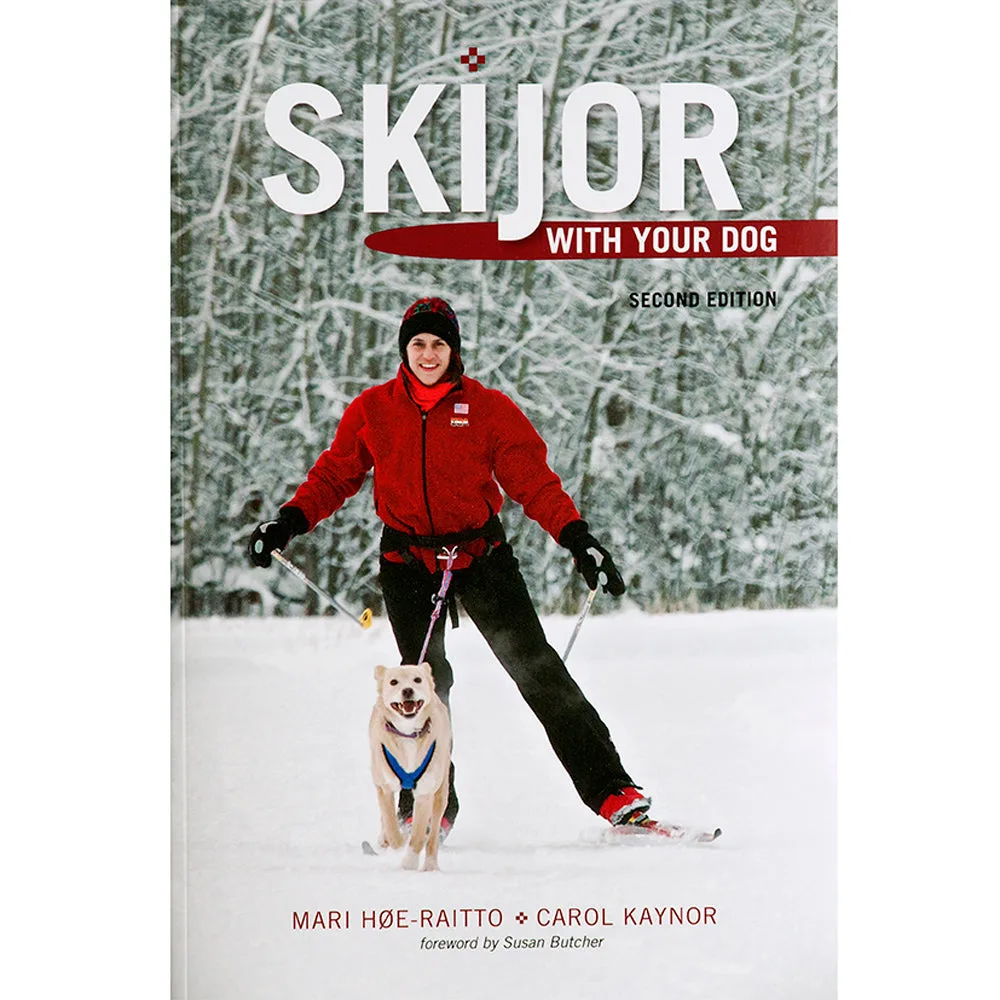
Skijor With Your Dog
-
Skijor With Your Dog: The book also covers canicross, bikejoring, and other ways to work with your dog when there is no snow. If you already do canicross, these sections help you translate that experience into skijoring rather than starting from zero.
A beginner gear checklist for skijoring
- Skis and poles you can control: The guide notes that skijoring requires little beyond the skis in your closet. Use skis you can steer and stop on, and keep your poles for balance rather than propulsion.
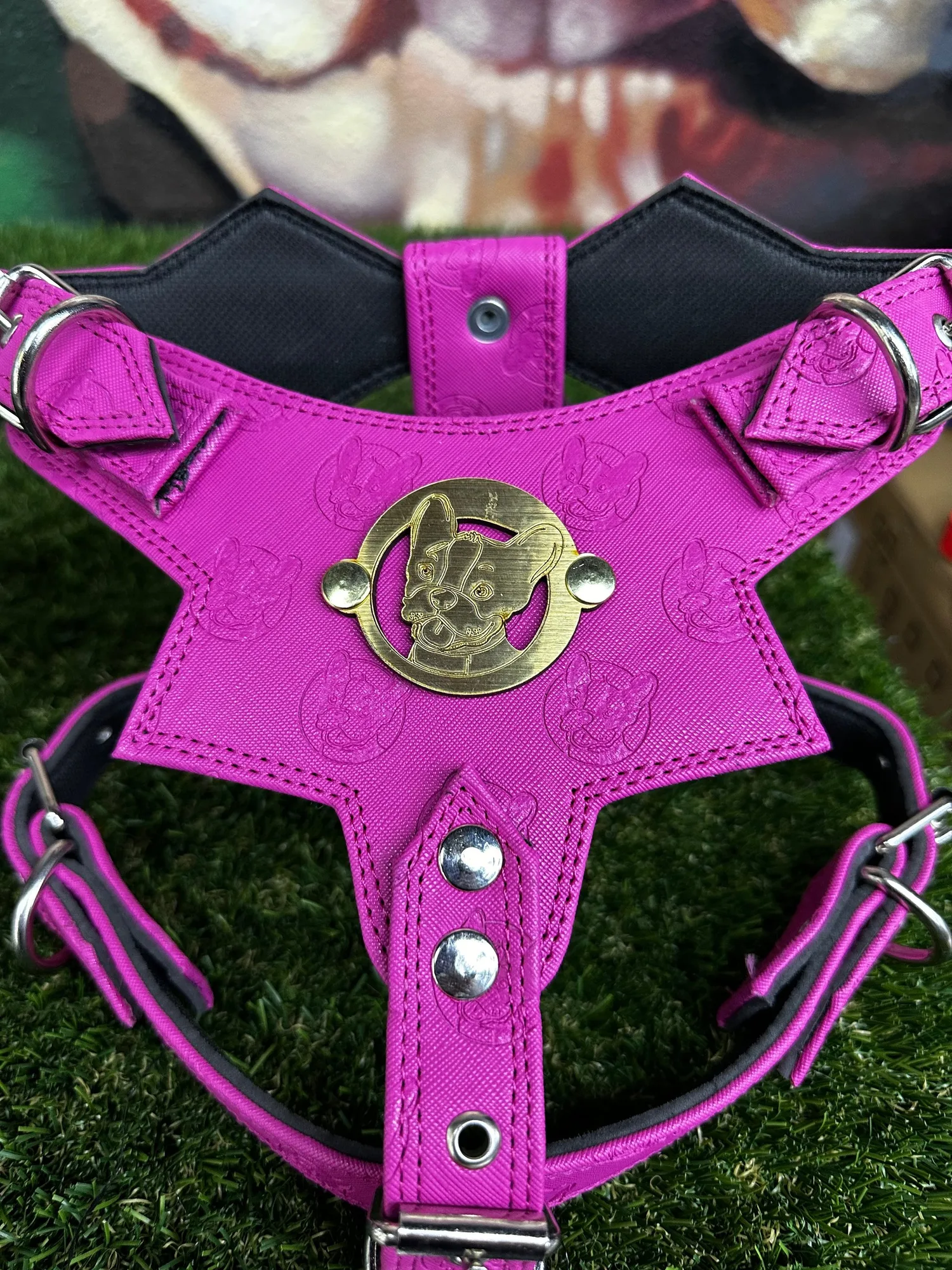
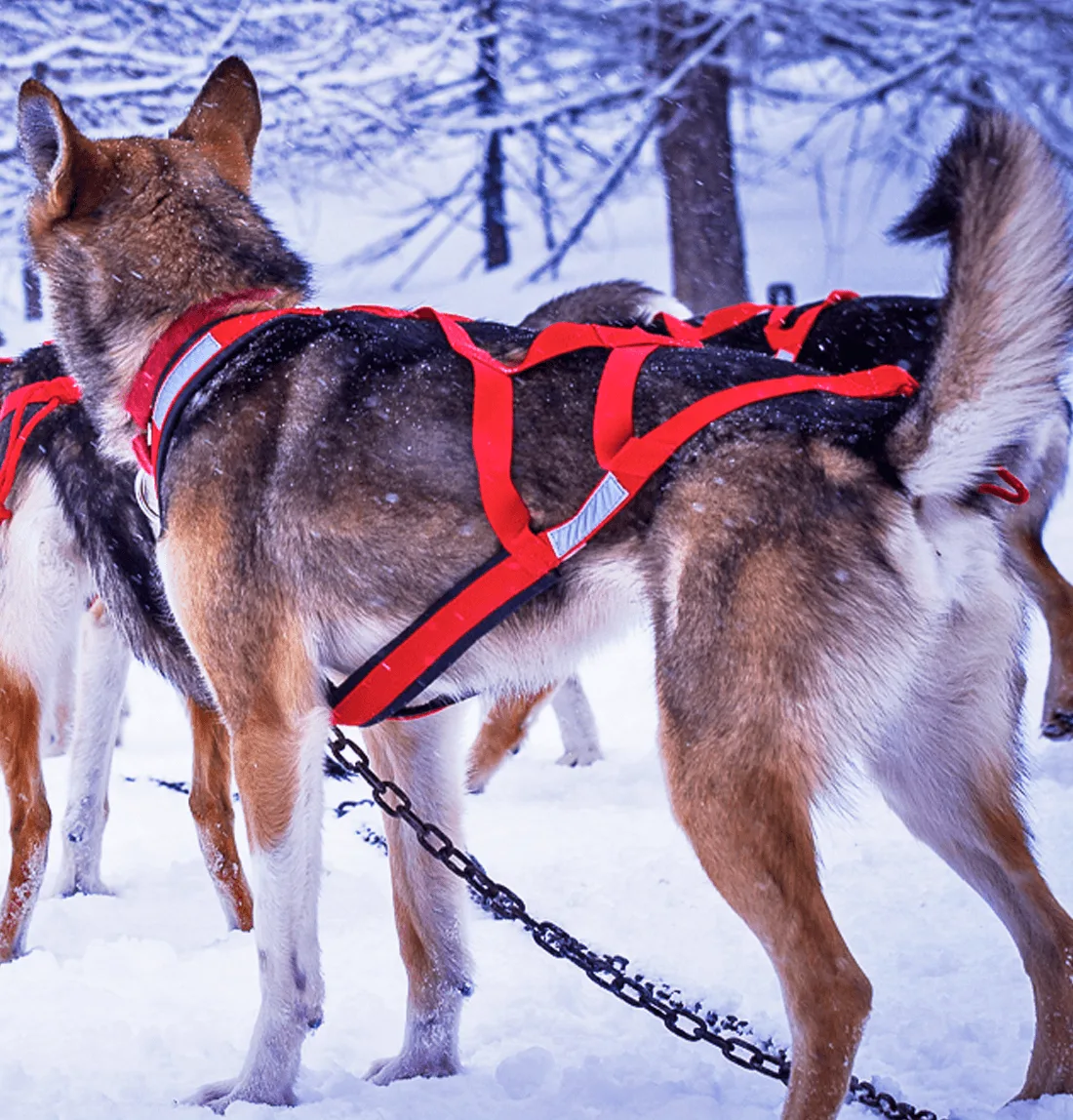
- A dog harness made for pulling: Your dog needs a harness designed for pulling so the load is distributed comfortably. The book covers what equipment you will need, including harness selection.
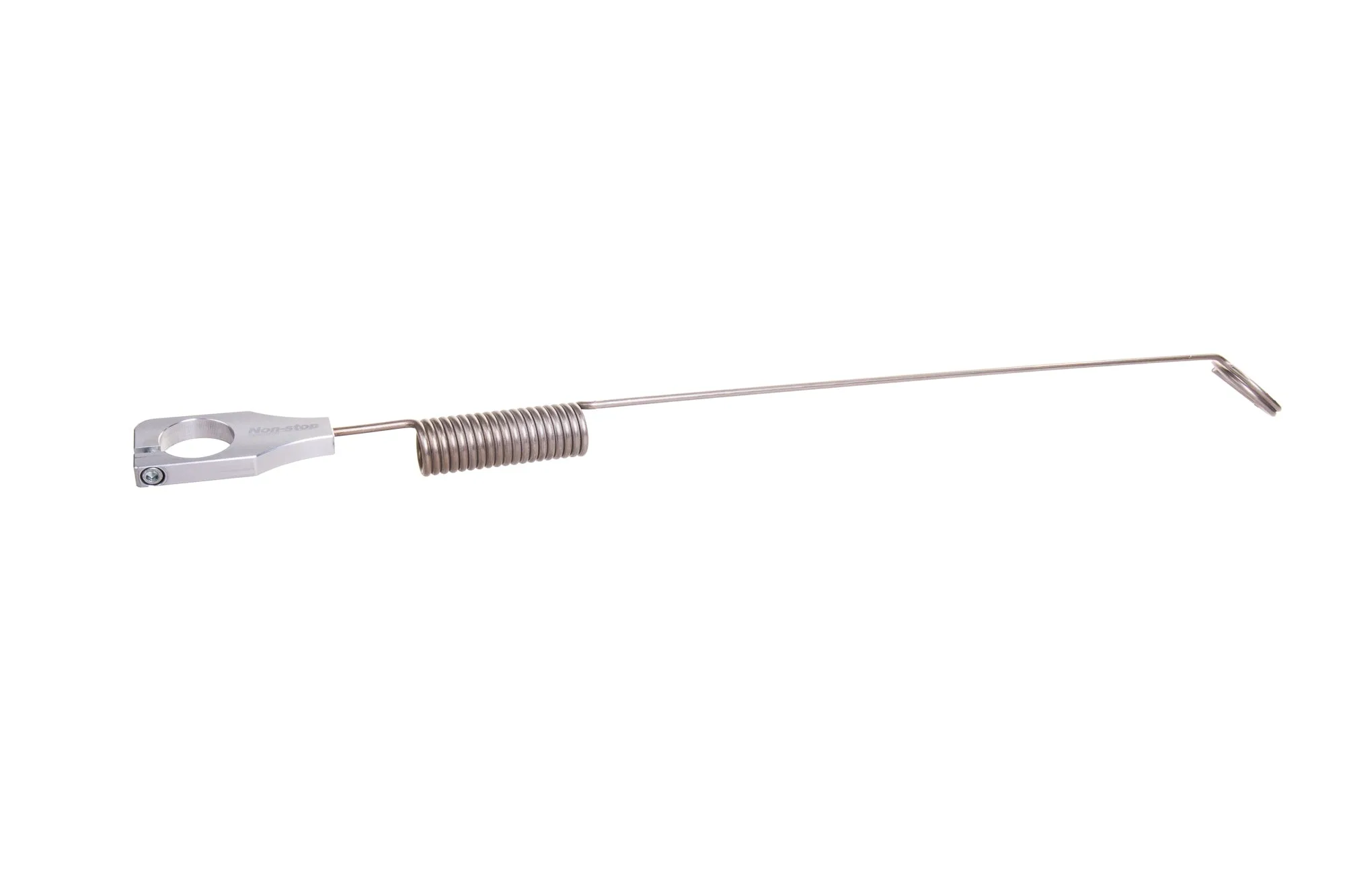
- A towline with a clear connection: A towline links your dog's harness to you and absorbs some of the pull. Check that the line, snaps, and attachment points are in good condition before every run.
- A belt or attachment you can ski in: You need a way to connect the towline to your body without restricting your skiing. The guide walks through equipment choices for beginners.
- Layers and safety basics: Dress for active winter movement and carry the basics you would take on any winter outing. The supplied book information does not list specific safety gear, so treat this as your own pre-run check.
Harness and towline setup: what to confirm before you clip in
A safe setup starts with fit. The harness should sit comfortably on your dog without rubbing, and the towline should run cleanly from the harness to your belt without slack that can tangle or catch. Check every snap and connection point each time you head out.
The supplied product information for Skijor With Your Dog confirms that equipment selection is covered in the book, but it does not include exact measurements, towline lengths, or attachment diagrams. Use the book's guidance alongside your own equipment checks, and do not guess at distances or angles that are not documented.
First skijor run tips: keep the learning curve short
- Pick easy terrain: Start somewhere gentle and familiar so you can focus on communication rather than steep descents or crowded trails.
- Teach pulling as a game: The guide covers how to teach your dog to pull. Reward forward movement and keep early sessions short and positive.
- Ski within your ability: Skijoring is easy to learn, but it still asks for a little skiing skill. Choose terrain you can handle without the dog's help.
- Watch for tangles: Keep the line clear of your skis and poles. If the line goes slack, slow down and reset rather than letting it drag.
- End on a good note: Stop while your dog is still enjoying the work. Short, successful sessions build a better pulling habit than long, frustrating ones.
Moving from canicross to skijoring
If you already run with your dog in a canicross setup, you have a head start. Your dog likely understands forward pressure and a harness, and you are used to moving together on a line. Skijoring adds skis, which changes balance, stopping, and how you manage the towline.
The guide addresses canicross and other dry-land activities, so you can use those sections to bridge the seasons. Keep the same clear commands and reward structure, then add skiing gradually on easy ground. The transition is less about new gear and more about giving yourself time to feel stable on skis while your dog pulls.
What the guide adds beyond your first run
Skijor With Your Dog is written for beginners but also includes material for experienced handlers, such as how to involve children, how to camp and travel with dogs, and how to train for competition. That makes it useful beyond the first season: you can return to it as your skills and ambitions grow.
The book is available in a standard edition, and the catalog lists it at USD 8.98 compared with a comparison price of USD 17.95. If you are still deciding whether skijoring is for you, the guide's practical focus on equipment and teaching your dog to pull is a low-risk way to learn the basics before committing to more gear.
Catalog details for Skijor With Your Dog
- Skijor With Your Dog: The book is geared for beginners but offers useful information for experienced handlers, including how to involve children, camp and travel with dogs, and train for competition. It stays useful as you progress from your first run to family outings and competitive goals.
- Skijor With Your Dog: Skijoring is described as easy to learn and requiring only a little skiing skill and a dog who thinks pulling is fun. This sets a realistic expectation: you can start without advanced skiing ability, as long as you and your dog are both comfortable with the basics.