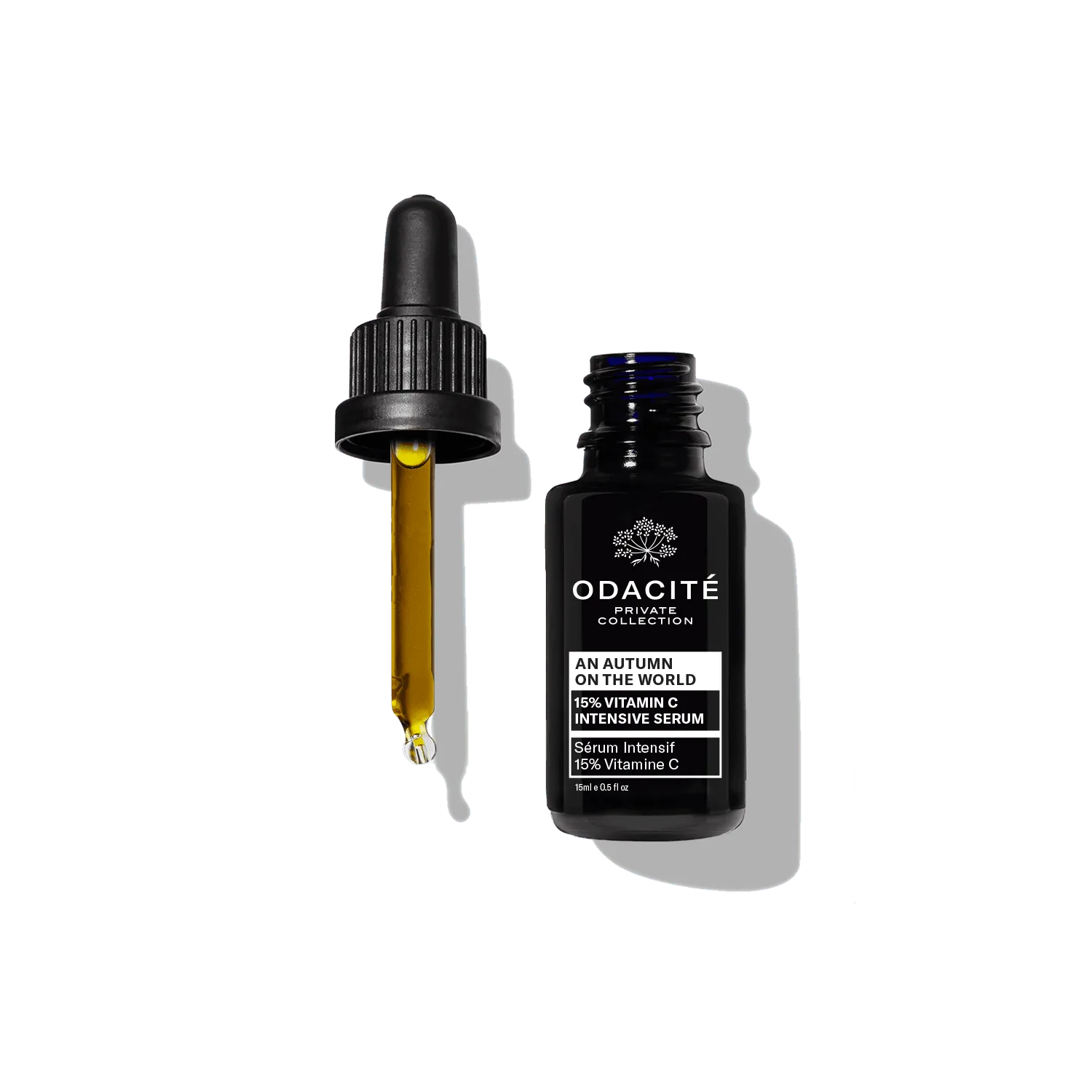
You’ve invested in quality skincare products, from cleansers to serums and moisturizers, but are you storing them correctly? Proper storage is crucial for maintaining the potency and safety of your skincare. Heat, light, and air can degrade active ingredients, while poor hygiene can introduce bacteria that harm your skin. In this guide, we’ll explore the best practices for storing your skincare products, understanding shelf life, and keeping your routine hygienic.
Whether you’re a skincare minimalist or a collector with a full shelf, these tips will help you get the most out of every product. From the bathroom counter to your travel bag, learn how to protect your investments and keep your skin healthy.
Why Proper Skincare Storage Matters
Skincare products are formulated with active ingredients like vitamins, peptides, and hyaluronic acid that can break down when exposed to unfavorable conditions. Heat can cause emulsions to separate, light can degrade antioxidants, and air can oxidize oils, leading to reduced effectiveness. Moreover, improper storage can encourage microbial growth, turning your favorite cream into a breeding ground for bacteria.
Understanding the importance of storage is the first step to preserving product efficacy. For instance, storing your vitamin C serum in a warm, sunny bathroom can cause it to turn yellow or brown, indicating oxidation. Similarly, leaving your moisturizer open can introduce contaminants that may lead to breakouts or irritation. By following simple storage guidelines, you can ensure your products work as intended and last longer.
- Always check the product label for specific storage instructions.
- Keep products away from direct sunlight and heat sources.
- Seal containers tightly after each use to minimize air exposure.
Optimal Temperature and Light Conditions
Most skincare products are best stored in a cool, dry place with a consistent temperature between 50°F and 70°F (10°C to 21°C). Avoid storing them in the bathroom if it gets steamy and hot from showers, as humidity and heat can compromise formulations. Instead, consider a bedroom vanity or a dedicated skincare fridge if you have many temperature-sensitive products.
Light is another enemy of skincare. Ultraviolet (UV) rays can degrade ingredients like retinol and vitamin C. Opt for opaque or dark-colored containers, and store products in a cabinet or drawer to shield them from light. If your product comes in a clear jar, consider transferring it to an amber glass container or keeping it in its original box.
- Use a skincare fridge for products that specify cool storage, like eye creams or serums.
- Avoid leaving products on windowsills or near radiators.
- Keep lids tightly closed to prevent light and air from entering.
Understanding Skincare Shelf Life
Every skincare product has a shelf life, which indicates how long it remains effective and safe to use. Check for the Period After Opening (PAO) symbol, usually a jar icon with a number like '6M' or '12M', indicating months after opening. Unopened products can last longer, typically 2-3 years, but once opened, they should be used within the recommended time.
Active ingredients have varying stability. For example, vitamin C serums often have a shorter shelf life of 3-6 months, while oil-based products may last up to a year. Pay attention to changes in color, texture, or smell. If a product separates, develops an off odor, or changes consistency, it's time to toss it. Using expired products can cause irritation or infections.
- Write the opening date on the product label to track usage.
- Store products in a cool, dark place to maximize their shelf life.
- When in doubt, throw it out – it's better to be safe than sorry.
Hygiene Practices for Daily Use
Good hygiene is essential to prevent contamination of your skincare products. Always wash your hands before applying products, especially when using jars or tubs. Use clean spatulas or applicators to scoop out product instead of your fingers. For pump bottles, avoid letting the nozzle touch your skin or surfaces.
Sharing products can transfer bacteria and should be avoided, especially for items like eye creams or lip products. Keep your products away from pets and children, and never add water to thin out a product, as this can introduce bacteria. Regularly clean the caps and rims of containers to prevent buildup.
- Use a clean spatula for jar products to avoid introducing bacteria.
- Don't share your skincare products, especially eye makeup or lip products.
- Store products in a clean, dry place away from moisture.
Organizing Your Skincare Collection
An organized skincare routine not only looks great but also helps you keep track of what you have and what needs to be used. Group products by category – cleansers, toners, serums, moisturizers, and masks – and arrange them by frequency of use. This makes it easier to see what you're running low on and prevents you from buying duplicates.
Consider using storage containers or trays to keep your vanity tidy. For travel, invest in travel-size containers or use a dedicated cosmetic bag to keep products secure. A good cosmetic bag can protect your products from temperature changes and leaks. For instance, the Vegan Glam Cosmetic Bag is a stylish and functional option for organizing your skincare essentials on the go.
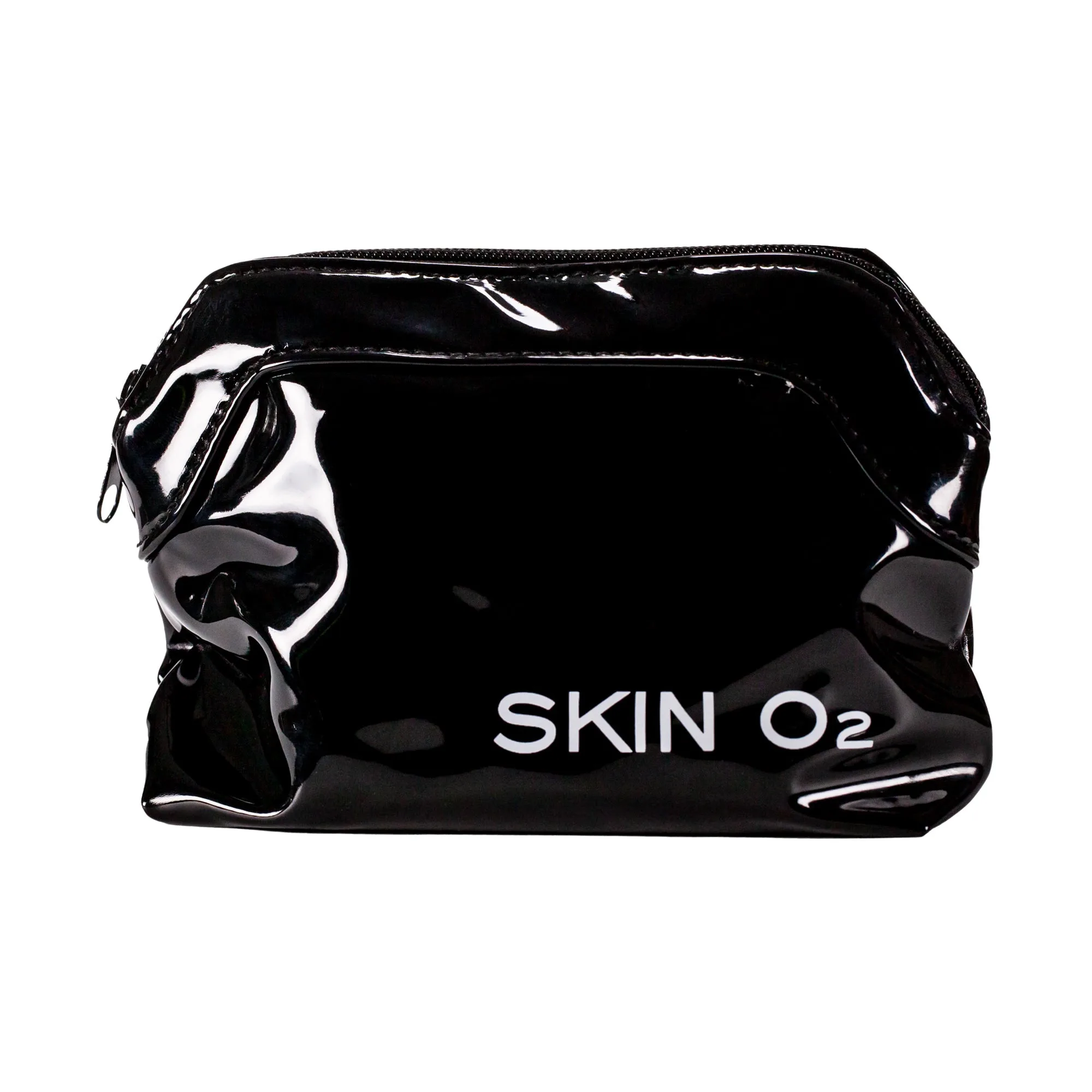
Vegan Glam Cosmetic Bag
- Use clear containers to easily identify products.
- Rotate your stock – use older products first to avoid expiration.
- Keep a separate storage area for products that require cool, dark conditions.
Special Considerations for Different Product Types
Not all skincare products are created equal when it comes to storage. For example, acne treatments containing benzoyl peroxide are sensitive to heat and light and should be kept in a cool, dark place. Products with active enzymes or probiotics may need refrigeration to maintain potency.
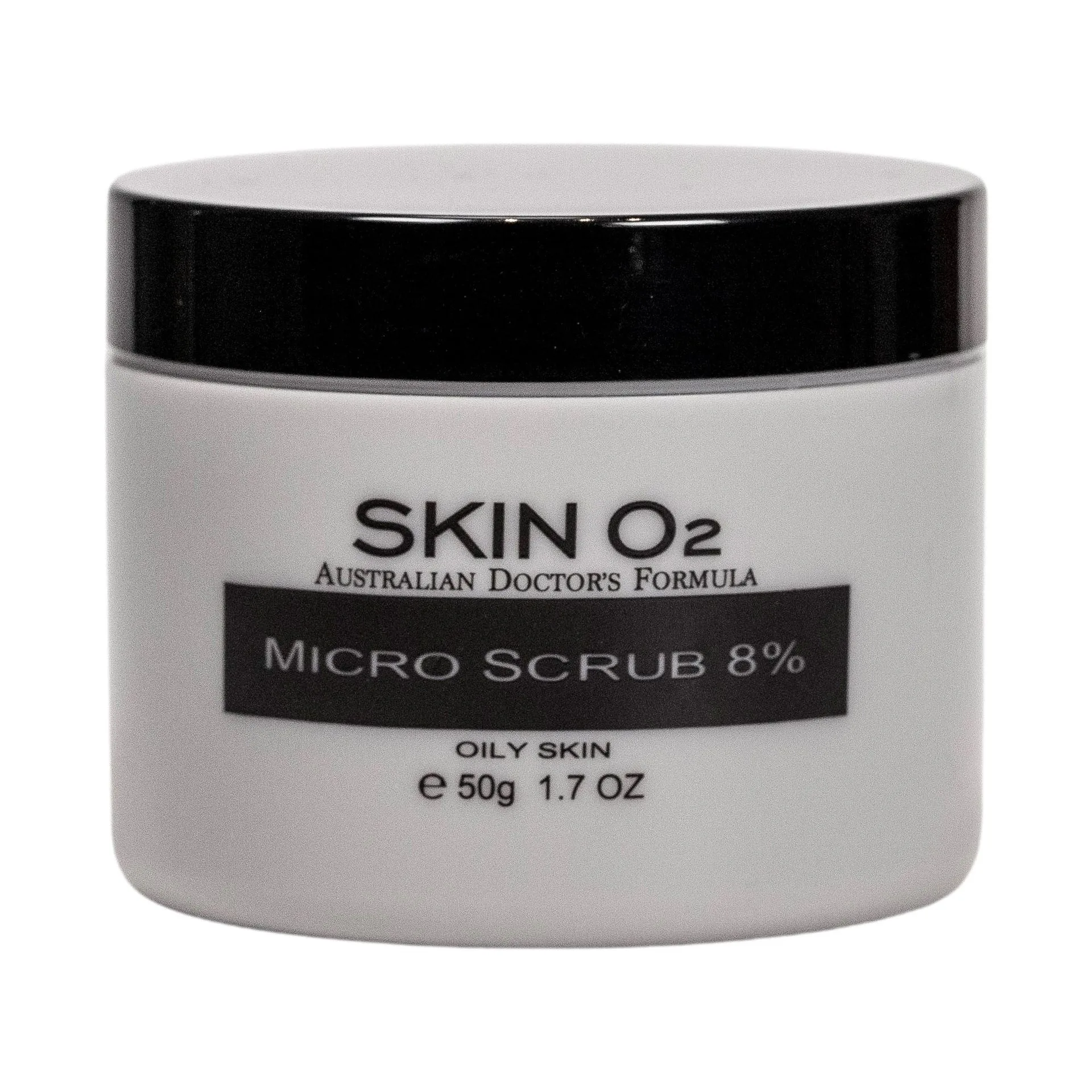
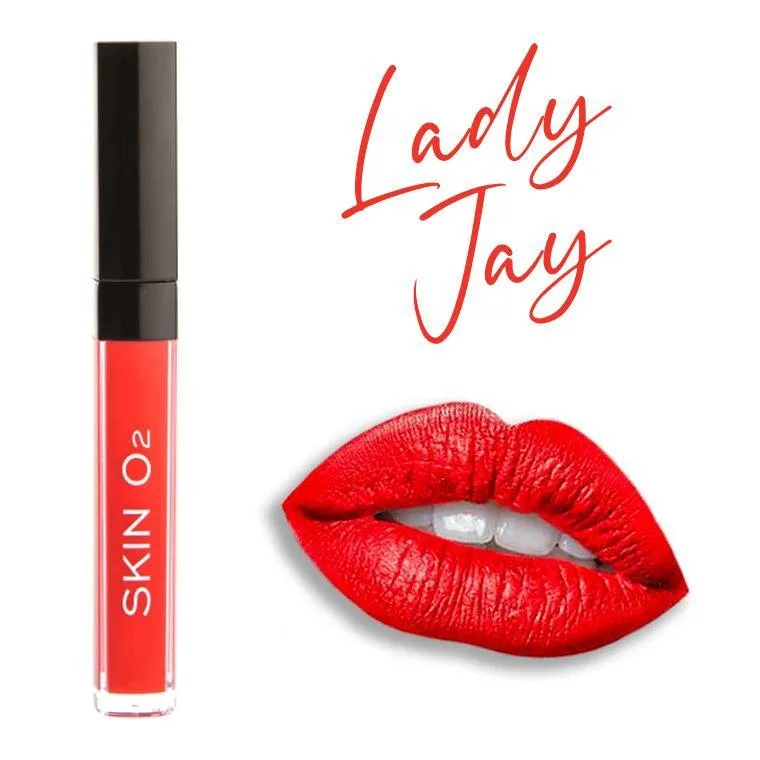
Exfoliators, like the Micro Scrub Exfoliator 8%, should be stored away from moisture to prevent clumping. Lip products, such as the Matte Liquid Lipstick, should be kept in a cool place to prevent melting or drying out. Always read the label for specific storage instructions and follow them diligently.
- Refrigerate products that contain active enzymes or probiotics.
- Store exfoliators in a dry place to prevent clumping.
- Keep lip products away from direct sunlight to prevent melting.
Proper skincare storage is a simple yet essential part of any routine. By controlling temperature, light, and hygiene, you can extend the life of your products and ensure they deliver the results you expect. Remember to check expiration dates, keep your products clean, and organize your collection to avoid waste. For all your skincare storage needs, explore our range of accessories and products designed to keep your beauty routine in top shape.