Quick Answer
Choose a skincare tool based on your primary concern: use an oil control roller for excess sebum and shine, a microneedling roller for acne scars and texture, and microneedling patches for targeted, low-risk treatment. For most people, patches are safer and easier to use than rollers, especially on active breakouts.
Skincare tools can feel overwhelming with so many options promising clearer skin, smaller pores, and fewer scars. But the right tool depends less on trends and more on your specific skin type, concerns, and tolerance for at-home treatments.
This guide breaks down the differences between oil control rollers, microneedling rollers, and microneedling patches so you can make a confident choice. We'll focus on practical trade-offs and clear decision rules, not hype.
Understand What Each Tool Does
Oil control rollers are designed for oily skin. They typically feature a rollerball applicator that delivers a mattifying or sebum-regulating formula to the skin. They're non-invasive, easy to use, and can be part of your morning routine to reduce shine.
Microneedling rollers use tiny needles to create micro-channels in the skin, which can help improve the appearance of acne scars and texture over time. However, they require careful sanitization and technique, and they're not suitable for active breakouts.
Microneedling patches are a safer, more targeted alternative. They feature dissolving microneedles that deliver active ingredients directly into the skin, without the risk of dragging bacteria across your face. They're ideal for spot-treating scars, dark spots, or early-stage breakouts.
- Oil control roller: best for daily shine control, not for scarring.
- Microneedling roller: best for at-home scar treatment, but requires caution.
- Microneedling patches: best for targeted, low-risk treatment of specific areas.
Consider Your Skin Type and Concerns
If your main issue is oily skin, an oil control roller can help manage shine without stripping your skin. Look for a tool that pairs well with your existing skincare routine and doesn't cause irritation.
If you're dealing with acne scars or dark spots, microneedling options are more relevant. But if you have active breakouts, a roller can spread bacteria and worsen inflammation. In that case, microneedling patches are a better choice because they treat the specific spot without affecting surrounding skin.
For combination skin, you might benefit from both: an oil control roller for the T-zone and microneedling patches for targeted scar or spot treatment. This approach lets you address multiple concerns without overloading your skin.
- Oily skin: prioritize oil control tools and avoid heavy rollers on active acne.
- Scarred or uneven skin: microneedling patches or rollers can help, but start with patches.
- Sensitive skin: choose non-invasive tools like patches and oil control rollers.
Compare Microneedling Rollers vs. Patches
Microneedling rollers cover larger areas and can be more cost-effective for widespread scarring. However, they require rigorous hygiene, can be painful, and have a higher risk of infection if used incorrectly. They also shouldn't be used on active acne.
Microneedling patches, like the Early Stage Acne Dots, are designed for spot treatment. They deliver ingredients like Salicylic Acid and Niacinamide directly into the skin, which is gentler and more precise. They're also disposable, so there's no cleaning or maintenance.
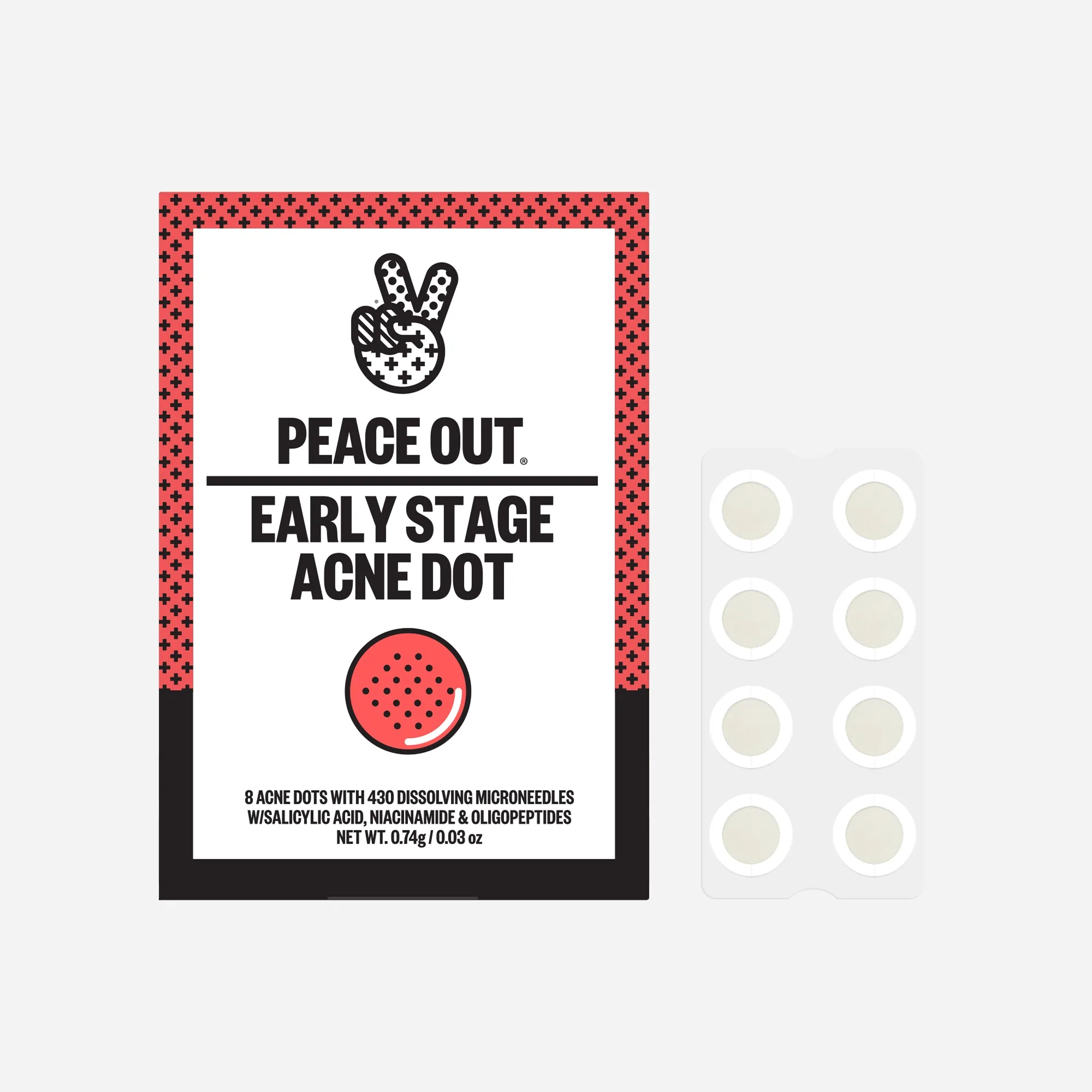
Early Stage Acne Dots
For most people, patches are the safer starting point. They're easier to incorporate into a routine and less intimidating. If you have extensive scarring and are comfortable with at-home rollers, you might consider a roller, but always patch-test first and follow strict hygiene.
- Patches: precise, hygienic, and safe for active breakouts.
- Rollers: broader coverage but higher risk and maintenance.
- Start with patches if you're new to microneedling.
Evaluate Your Routine and Commitment
Consider how much time you're willing to spend. Oil control rollers can be used in seconds, while microneedling rollers require preparation, aftercare, and cleaning. Patches are as simple as applying and removing.
Also think about frequency. Some tools are designed for daily use, while others, like microneedling rollers, should only be used once a week or less to avoid irritation. Check the instructions and be realistic about your consistency.
If you travel often, disposable patches are more convenient than carrying a roller and sanitizing solution. If you prefer a tool you can use indefinitely, a roller might appeal to you, but remember the upkeep.
- Daily use: oil control roller or patches are easy to fit in.
- Weekly use: microneedling rollers require more planning.
- Travel-friendly: patches win for convenience.
Decision Rules for Choosing a Skincare Tool
- Rule 1: Match the tool to your main concern: If you struggle with excess oil and shine, choose an oil control roller. If your focus is acne scars or dark spots, opt for microneedling patches or a roller. Identify your primary goal before buying.
- Rule 2: Avoid rollers on active breakouts: Microneedling rollers can spread bacteria and irritate inflamed skin. Use patches like Early Stage Acne Dots instead to treat individual spots safely. Patches are the safer choice for active acne.
- Rule 3: Consider your maintenance tolerance: Rollers require cleaning and careful storage. Patches are disposable and hassle-free. If you want simplicity, patches win. Choose low-maintenance tools if you're busy.
- Rule 4: Think about coverage vs. precision: Rollers cover larger areas but are less precise. Patches target specific spots, making them ideal for isolated scars or breakouts. For widespread scarring, a roller might be more efficient, but for spot treatment, patches are better.
Products That Fit the Buying Guide
- Early Stage Acne Dots: Microneedle pimple patches with 430 self-dissolving microneedles and clean hydrocolloid technology that deliver 2% Salicylic Acid and Niacinamide below the surface to treat early-stage, cystic, and under-the-skin breakouts without irritation. If you have active or under-the-skin breakouts, these patches treat the spot directly without the risk of spreading bacteria, making them a safer alternative to rollers.
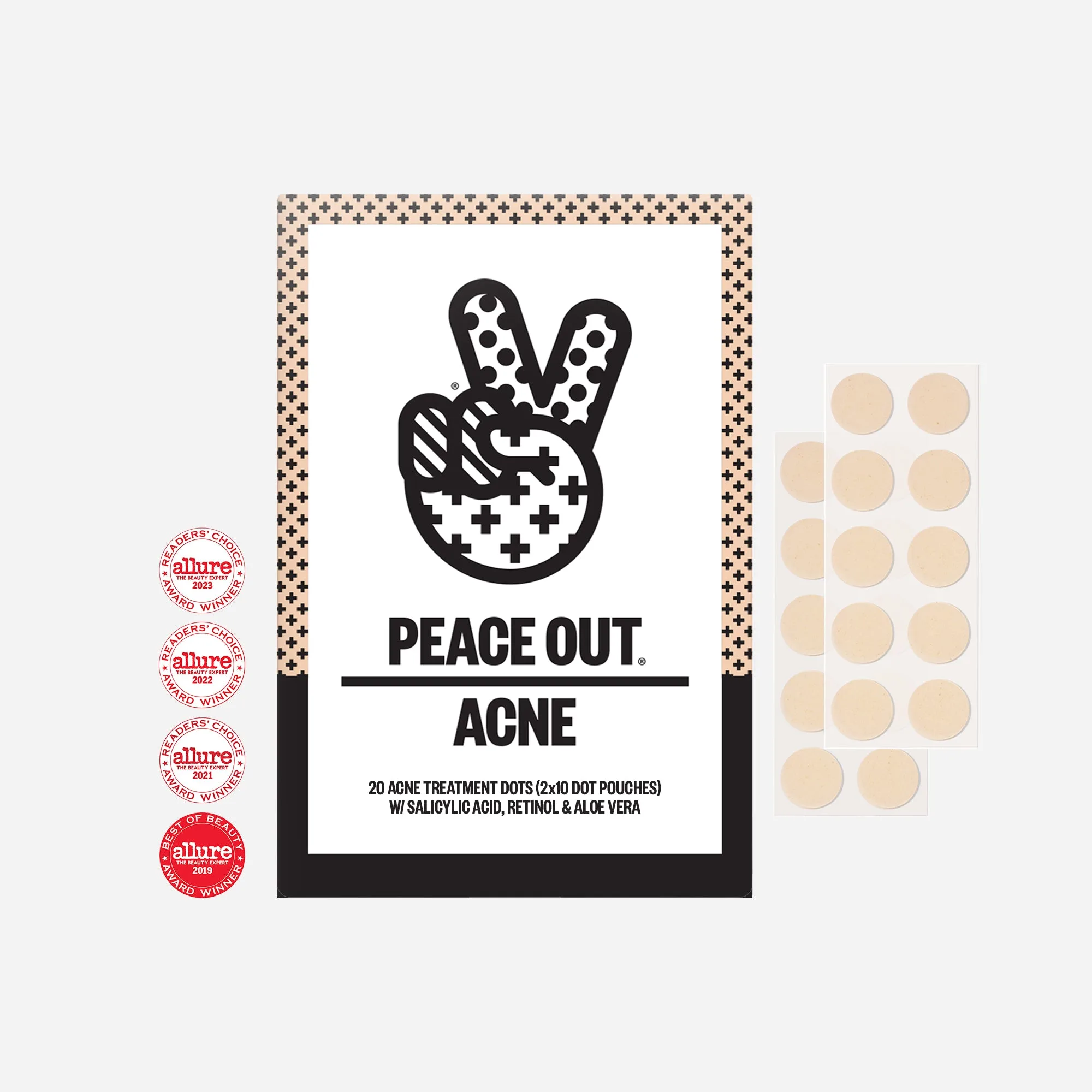
- Acne Day- 20 Dots: Invisible pimple patches and daytime acne patches, ultra-thin Day Dots with Salicylic Acid for blemishes and breakouts and Retinol for skin smoothing that blend into skin under makeup. For daytime protection and treatment, these invisible patches let you continue your routine while treating blemishes, a convenient option if you prefer not to use a roller during the day.
Who Should Choose What
Best for
- People with oily skin who want daily shine control without invasive tools.
- Those with acne scars or dark spots who prefer a low-risk, targeted treatment.
Not for
- People with active, inflamed acne who should avoid microneedling rollers and stick to patches.
Choosing the right skincare tool comes down to your skin type, concerns, and lifestyle. Oil control rollers are great for shine, microneedling patches are safe for targeted treatment, and rollers are best for those comfortable with more involved routines. Start with the least invasive option that addresses your main issue, and you'll see better results with less risk.