As our feline companions enter their golden years, their needs change. Senior cats often face challenges like arthritis, reduced mobility, and dental issues, which can make eating from a standard bowl difficult. A simple yet effective solution is switching to a slanted cat bowl. This ergonomic design offers multiple benefits that can significantly improve your older cat's quality of life.
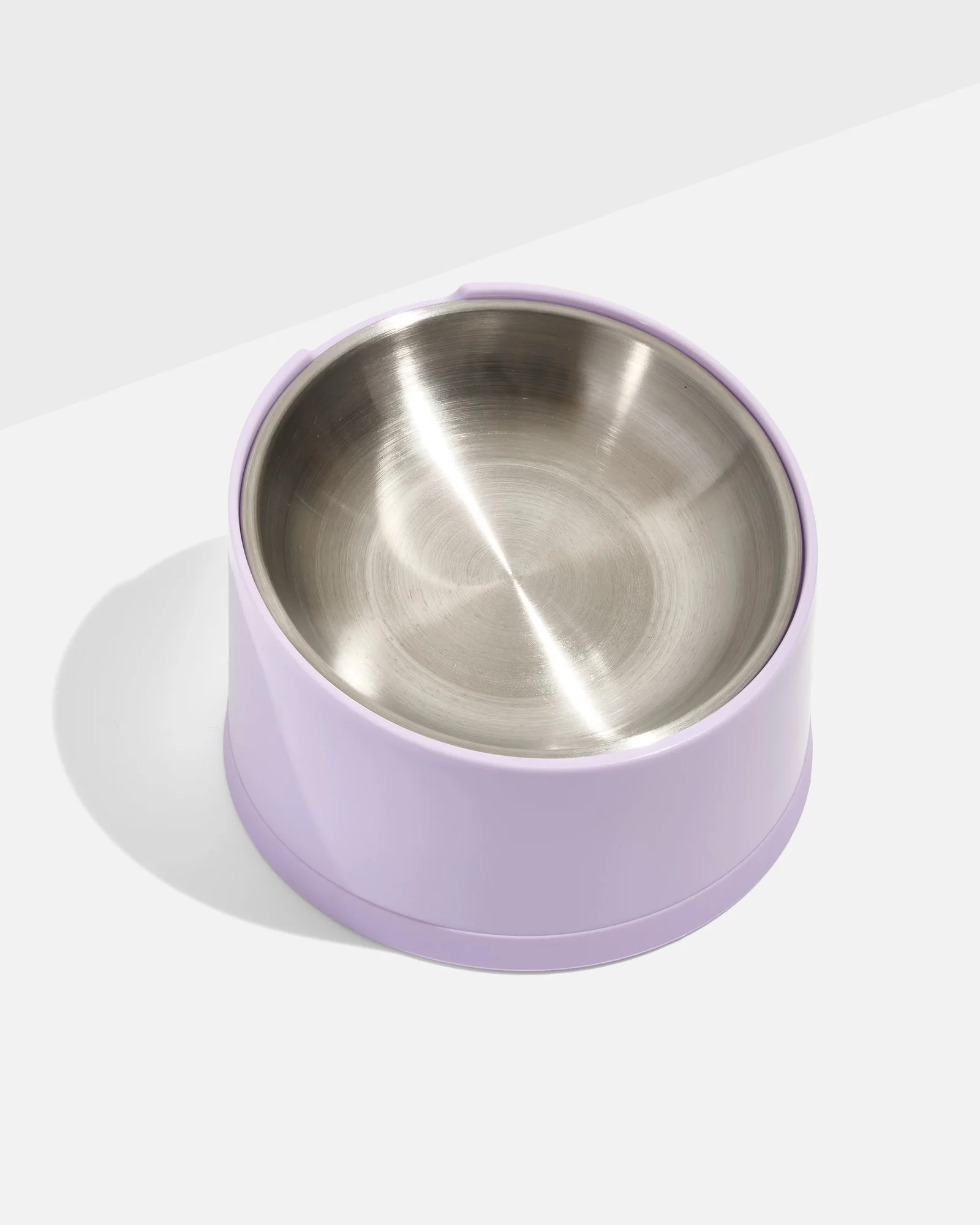
slanted cat bowl
In this guide, we'll explore the advantages of slanted bowls for senior cats, how they address common age-related issues, and what to look for when choosing the perfect bowl. Whether you're a new pet parent or a seasoned cat owner, understanding these benefits can make a world of difference for your furry friend.
Understanding Senior Cat Feeding Challenges
As cats age, they may develop conditions that make mealtime uncomfortable. Arthritis, for instance, can cause joint pain, making it difficult for them to lower their heads to the floor. Dental problems, such as tooth loss or gum disease, can make chewing painful, leading to a preference for softer food or smaller bites. Additionally, some senior cats experience reduced whisker sensitivity, but others become more sensitive to whisker fatigue—a condition where the whiskers brush against the sides of a deep bowl, causing stress.
These challenges can lead to decreased appetite, weight loss, and even behavioral changes. It's essential to adapt their feeding setup to accommodate their changing needs. A slanted cat bowl is designed to minimize these issues by providing a more accessible and comfortable eating experience.
- Arthritis and joint pain can make bending down painful.
- Dental issues may require softer food or smaller portions.
- Whisker fatigue can cause stress and reluctance to eat.
Key Benefits of a Slanted Cat Bowl for Senior Cats
Slanted cat bowls are angled, typically at 15 to 20 degrees, which reduces the distance your cat's head must travel to reach the food. This ergonomic design helps alleviate strain on the neck and joints, making it easier for cats with arthritis or mobility issues to eat comfortably. The angled surface also promotes better posture, which can aid in digestion and reduce the risk of regurgitation.
Another significant benefit is the reduction of whisker fatigue. Unlike deep, narrow bowls, slanted bowls often have a wider, shallower design that prevents the whiskers from constantly brushing against the sides. This can make mealtime a more pleasant experience, encouraging your senior cat to eat the proper amount of food without stress.
- Reduces neck and joint strain for easier eating.
- Minimizes whisker fatigue by providing a wider, shallower surface.
- Promotes better posture and digestion.
Choosing the Right Slanted Cat Bowl
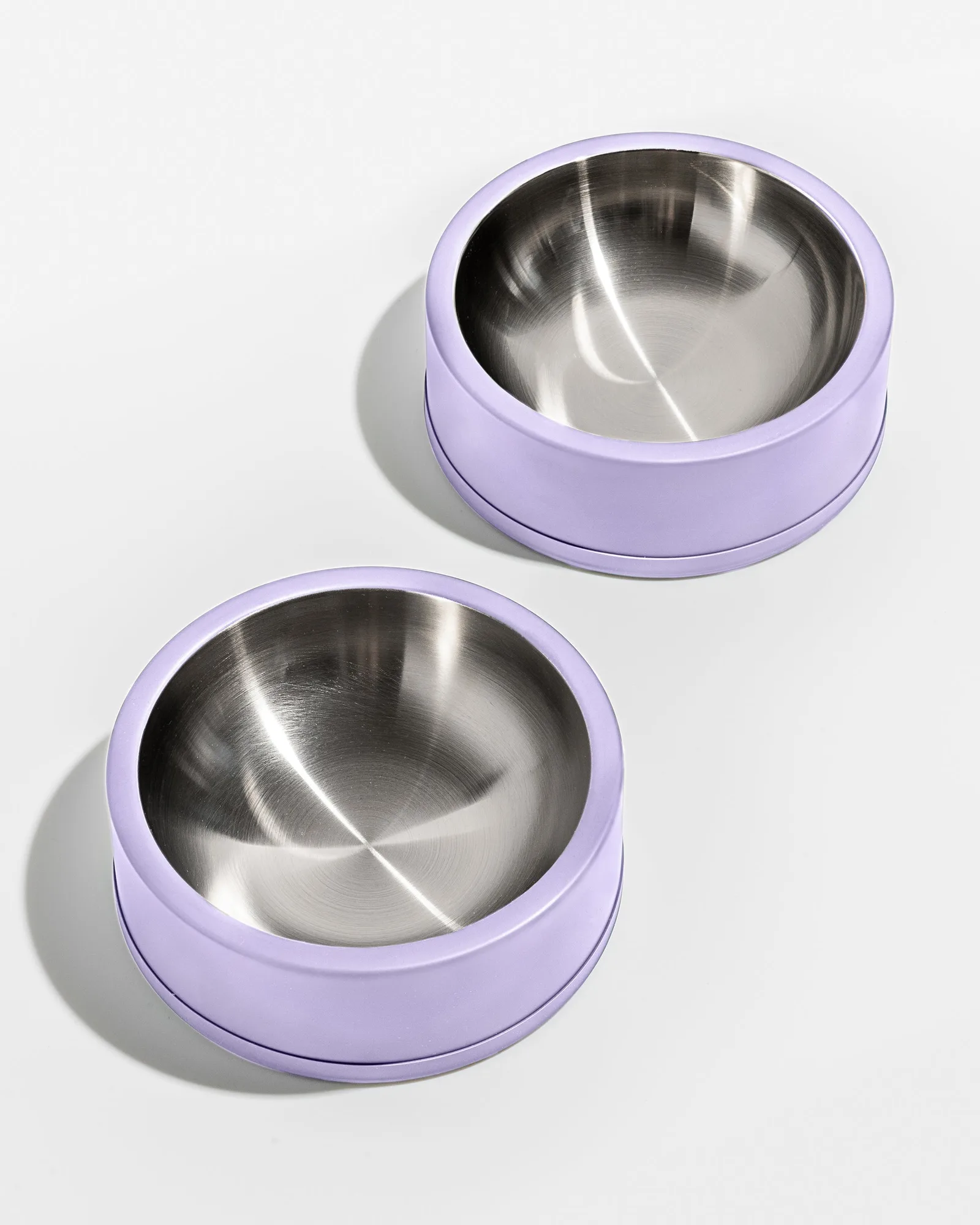
When selecting a slanted cat bowl for your senior cat, consider the material, height, and stability. Ceramic or stainless steel bowls are durable and easy to clean, while non-slip bases prevent sliding during meals. Some slanted bowls come with a raised stand, which can further reduce the need for your cat to bend down. Ensure the bowl is the right size for your cat's face—not too small or too large—to avoid whisker contact.
It's also important to choose a bowl that is easy to clean, as senior cats may have more sensitive stomachs. Look for dishwasher-safe options or those with smooth surfaces that don't harbor bacteria. If your cat has dental issues, a shallow bowl can help them access food more easily without scraping sensitive gums.
- Opt for ceramic or stainless steel for durability and hygiene.
- Choose a non-slip base to prevent spills.
- Consider a raised stand for extra comfort.
Tips for Transitioning Your Senior Cat to a Slanted Bowl
Cats are creatures of habit, so introducing a new bowl may require patience. Start by placing the slanted bowl next to the old one, allowing your cat to investigate it at their own pace. You can also place a small treat or some of their favorite food in the new bowl to encourage curiosity. Gradually increase the use of the new bowl over several days, monitoring your cat's reaction.
If your cat is hesitant, try mixing a bit of the food from the old bowl into the new one to create a familiar scent. Ensure the bowl is placed in a quiet, comfortable location away from high-traffic areas. With time and positive reinforcement, most cats adapt well to the new feeding setup.
- Introduce the new bowl gradually alongside the old one.
- Use treats to create positive associations.
- Place the bowl in a calm, familiar spot.
Switching to a slanted cat bowl is a simple yet impactful change that can greatly improve your senior cat's mealtime experience. By reducing joint strain and whisker fatigue, you're not only making eating easier but also showing your furry companion how much you care. Pair this with a comfortable feeding area and high-quality food, and your cat can enjoy their golden years to the fullest.