Cats are masters of comfort, but their eating posture often gets overlooked. Many pet parents wonder whether a slanted cat bowl or an elevated cat bowl is better for their feline friend's posture and overall health. Both designs aim to improve mealtime ergonomics, but they do so in different ways. In this comparison, we'll break down the benefits of each, helping you make an informed choice for your cat's well-being.
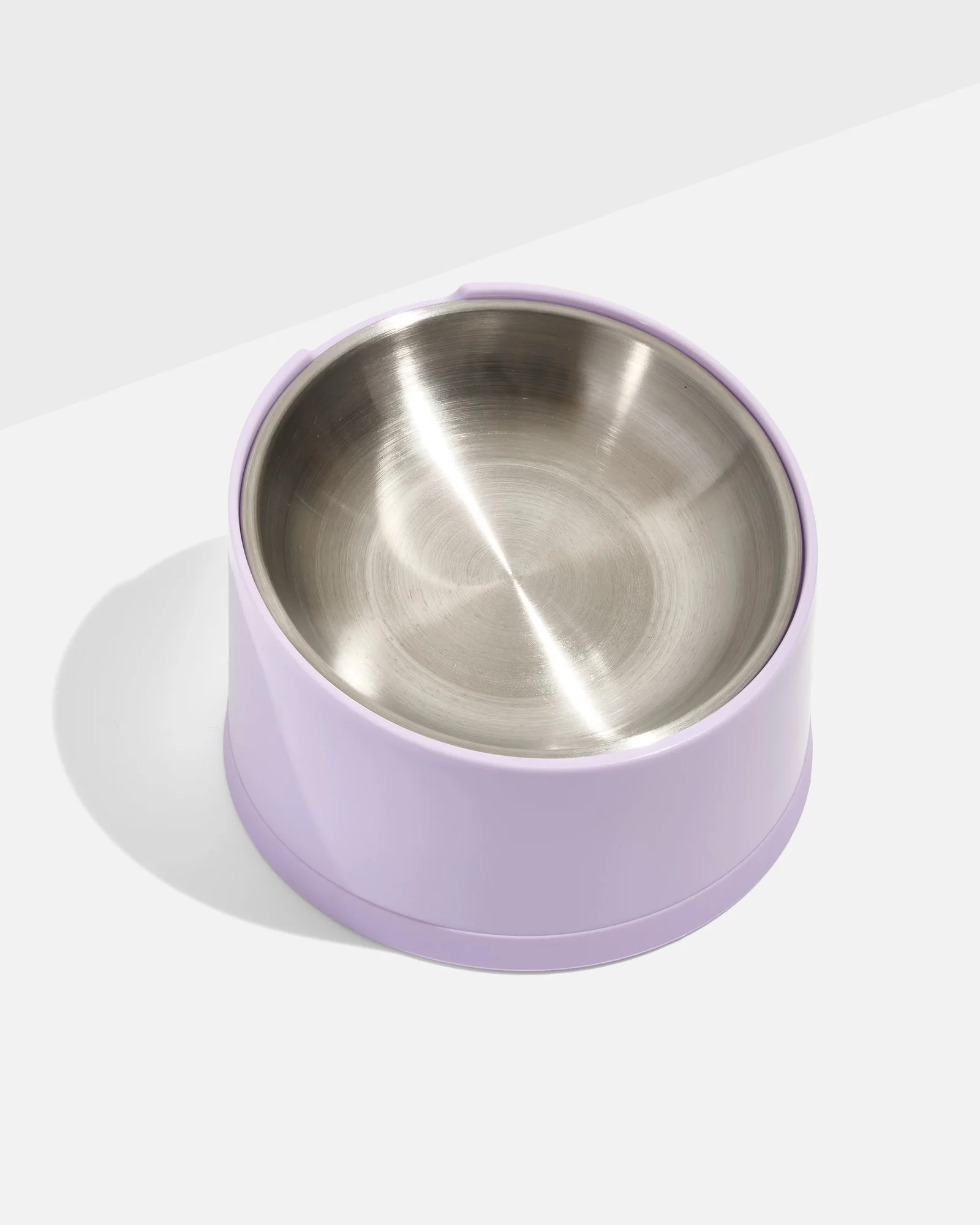
slanted cat bowl
Understanding how your cat eats is key. Cats in the wild eat from the ground, but domestic cats often have to bend their necks awkwardly to reach food in standard bowls. This can lead to discomfort, indigestion, and even long-term posture issues. Slanted and elevated bowls both address this problem, but they target different aspects of your cat's feeding position. Let's explore the differences.
What Is a Slanted Cat Bowl?
A slanted cat bowl features an angled interior that tilts the food toward one side. This design allows your cat to access kibble or wet food without having to push their face deep into the bowl. The slanting surface helps food gather in one area, making it easier for your cat to eat every last bite. This is particularly beneficial for cats with flat faces, such as Persians or Exotic Shorthairs, who may struggle with deep bowls.
The ergonomic angle of a slanted bowl also reduces strain on your cat's neck and shoulders. Instead of bending down sharply, your cat can maintain a more natural head position while eating. This can be especially helpful for senior cats or those with arthritis, as it minimizes discomfort during meals. Many slanted bowls also feature a non-slip base, preventing spills and keeping the bowl steady while your cat eats.
- Ideal for flat-faced breeds and senior cats
- Reduces neck and shoulder strain
- Helps cats with messy eating habits
What Is an Elevated Cat Bowl?
An elevated cat bowl raises the feeding dish off the floor, bringing it closer to your cat's mouth. This design mimics a more natural eating height, reducing the need for your cat to bend down. Elevated bowls are often recommended for cats that experience acid reflux or vomiting after meals, as the raised position can aid digestion. They also help keep the feeding area cleaner, as food and water are less likely to be tipped over.
Elevated bowls come in various heights, so you can choose one that matches your cat's size. Some models have adjustable stands, allowing you to customize the height as your cat grows or if you have multiple cats of different sizes. However, it's important to note that not all cats take to elevated bowls immediately. Some may feel uneasy with their food at a higher level, especially if they're used to eating from the floor.
- Reduces bending and neck strain
- May help with digestion and reduce vomiting
- Adjustable heights available for customization
Posture and Health Benefits: A Side-by-Side Comparison
When it comes to posture, both slanted and elevated bowls have their merits. A slanted bowl encourages your cat to eat with their head in a more neutral position, reducing strain on the cervical spine. This is particularly beneficial for cats that tend to eat quickly or gulp their food, as the angled surface slows them down slightly. On the other hand, an elevated bowl raises the entire feeding station, which can help cats with joint issues in their legs or hips, as they don't have to lower their body as much.
Digestive health is another crucial factor. Elevated bowls are often praised for helping cats with regurgitation, as the raised position allows food to travel down more easily. Slanted bowls, however, may not have the same effect on digestion but can prevent your cat from swallowing excess air, which is a common cause of bloating. Ultimately, the best choice depends on your cat's specific needs. If your cat has frequent hairballs or vomits after eating, an elevated bowl might be more beneficial. If your cat has a flat face or eats too quickly, a slanted bowl could be the better option.
- Slanted bowls: better for flat-faced breeds and slow eating
- Elevated bowls: better for cats with digestion issues or joint pain
- Consider your cat's age, breed, and eating habits
Which Bowl Should You Choose for Your Cat?
Choosing between a slanted and elevated bowl ultimately comes down to your cat's individual needs. If your cat is young and healthy, either option can work well. However, if your cat is a senior or has mobility issues, an elevated bowl may be more comfortable. On the other hand, if your cat has a flat face or tends to scatter food, a slanted bowl can make mealtimes cleaner and more enjoyable.
It's also worth considering your cat's feeding routine. Some cats prefer to eat from a bowl that sits on the floor, while others may be more comfortable with a raised station. You can also try both types to see which one your cat gravitates toward. Many pet parents find that a combination of both works best, using an elevated bowl for water and a slanted bowl for food. Whichever you choose, ensure the bowl is made of safe, non-toxic materials and is easy to clean.
- Try both to see your cat's preference
- Consider using an elevated bowl for water and a slanted bowl for food
- Look for non-slip bases and durable materials
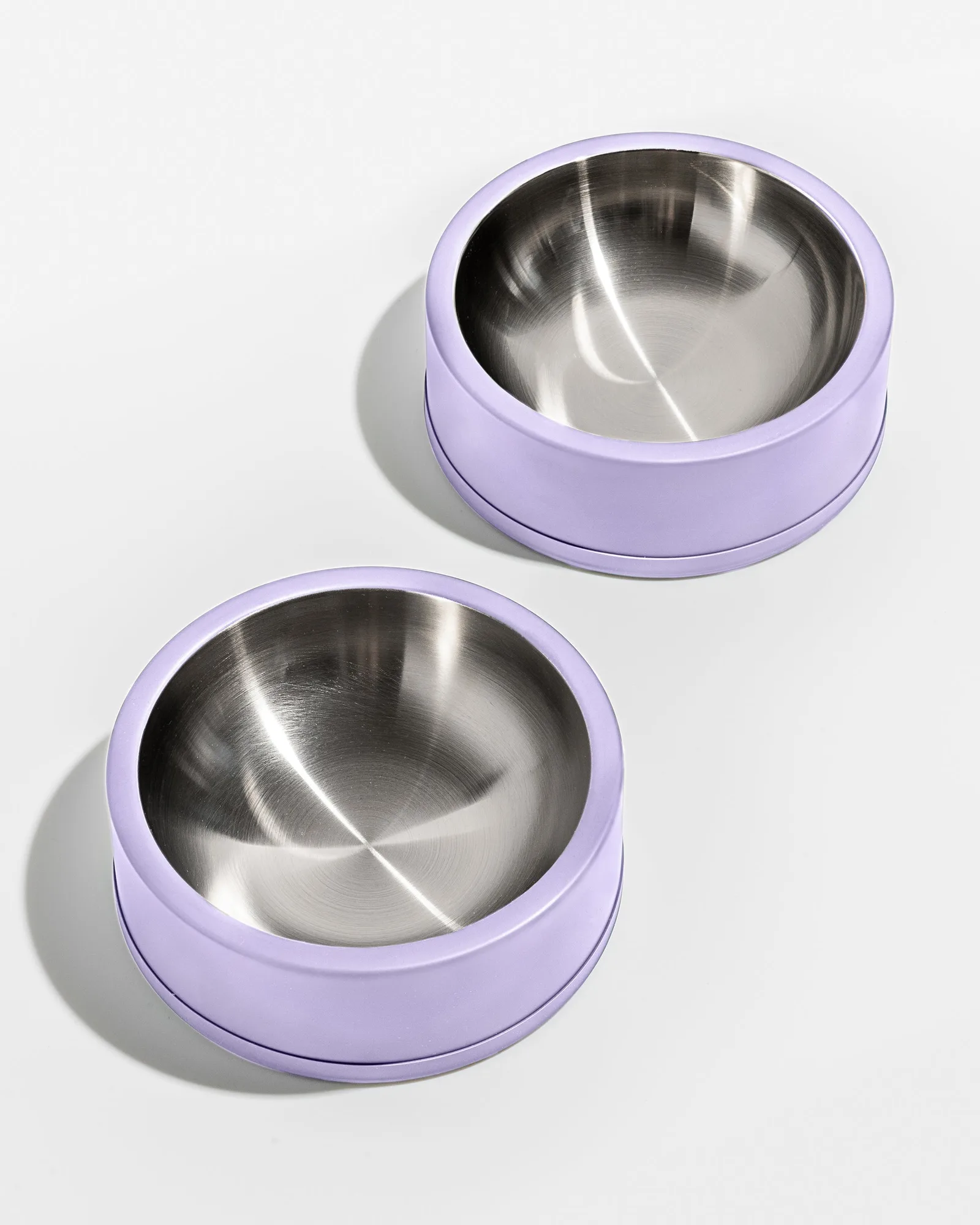
Both slanted and elevated cat bowls offer unique benefits for your cat's posture and health. By understanding your cat's specific needs, you can choose the right bowl to make mealtime more comfortable and enjoyable. If you're looking for a high-quality option, consider the Cat Meal Kit, which includes a slanted bowl designed with your cat's comfort in mind. Explore our collection to find the perfect feeding solution for your feline friend.
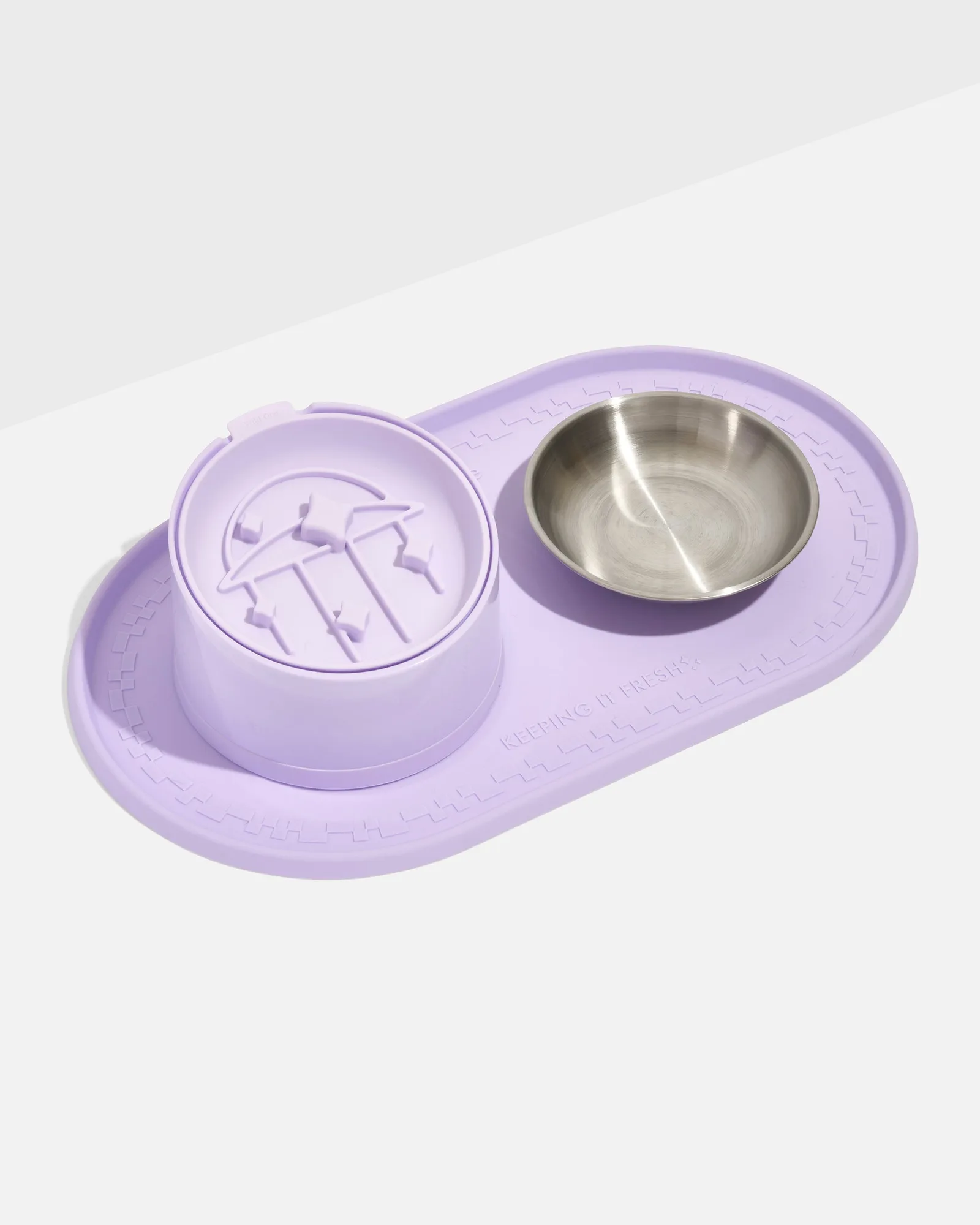
Cat Meal Kit