Quick Answer
For most cats, a slanted cat bowl is the better choice for digestion and comfort because it reduces whisker fatigue and encourages a more natural head position without the need for height. Raised bowls can help cats with certain medical conditions, but they aren't necessary for healthy cats and may even encourage eating too fast. Consider your cat's specific needs: if they vomit frequently or have arthritis, a raised bowl might help, but for everyday use, a slanted bowl like the Slanted Cat Bowl is a versatile, affordable option.
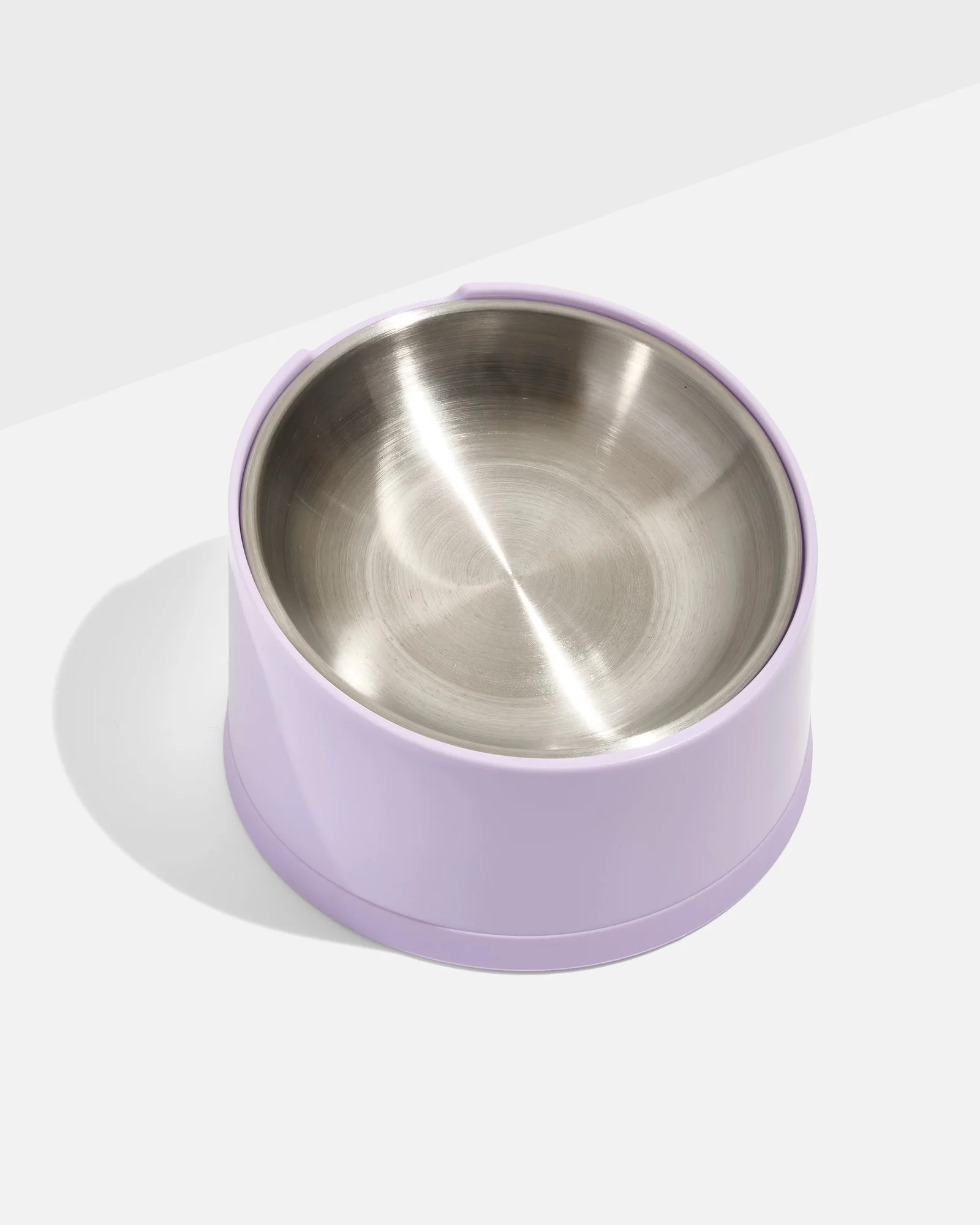
slanted cat bowl
When it comes to your cat's mealtime, the bowl you choose can have a surprising impact on their health and happiness. Two popular options are slanted cat bowls and raised cat bowls, each designed to improve your cat's eating experience. But which one is truly better for your cat's digestion? This comparison breaks down the benefits and trade-offs of each design to help you make an informed decision.
We'll examine how bowl height and angle affect your cat's posture, eating speed, and overall comfort. By the end, you'll know exactly what to look for in a cat bowl and why the Slanted Cat Bowl might be the perfect fit for your feline friend.
Understanding the Slanted Cat Bowl
A slanted cat bowl features a shallow, angled design that allows your cat to access food and water without bending their neck too far down. This design reduces whisker fatigue—the stress caused when a cat's sensitive whiskers rub against the sides of a deep bowl. By keeping the bowl shallow and angled, your cat can eat more comfortably, which may lead to better digestion and less mess.
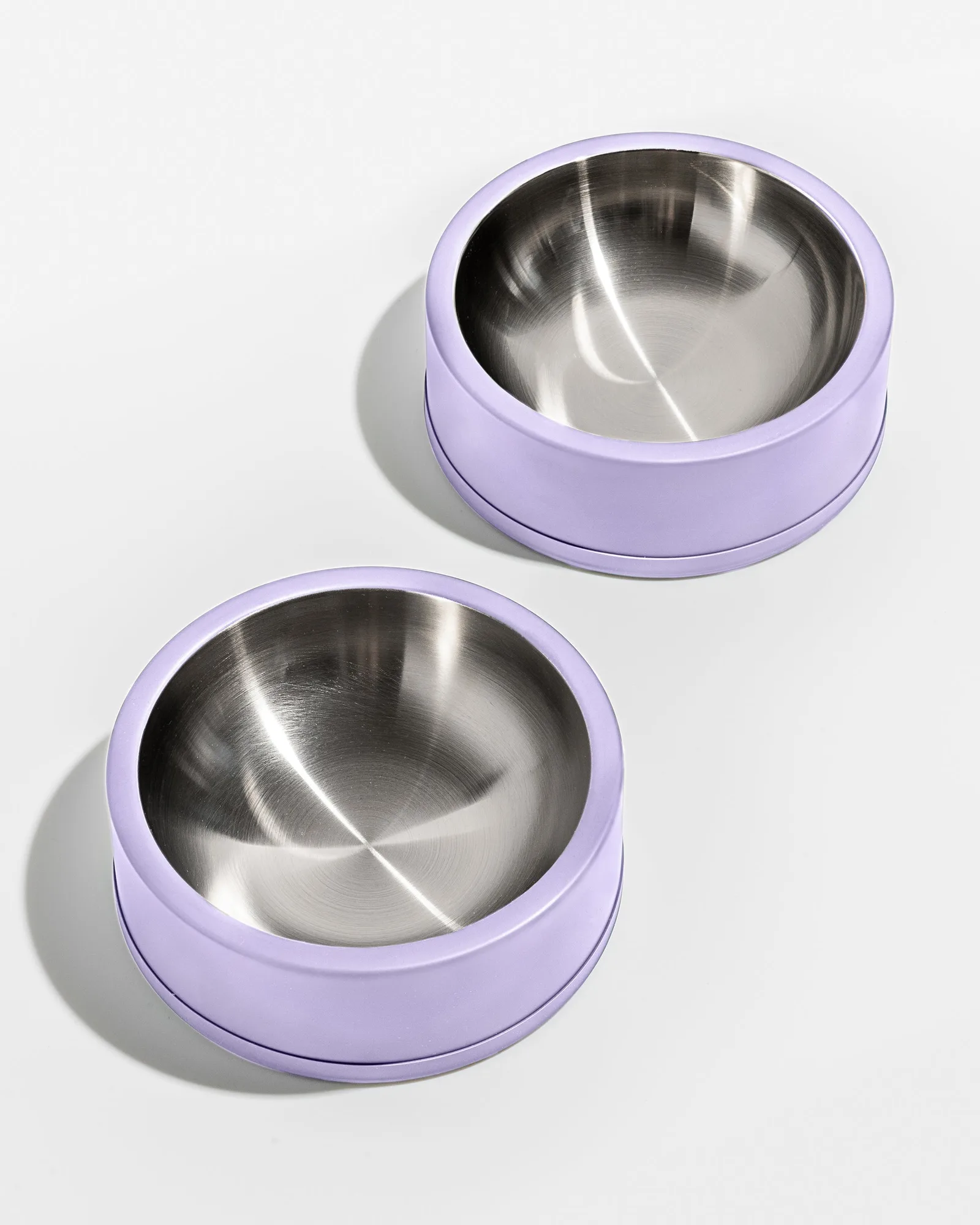
The Slanted Cat Bowl from Wildone is a prime example of this design. It includes a removable stainless steel bowl that resists bacteria and cleans easily, plus a non-slip base to keep everything securely in place. This bowl is especially beneficial for cats who are picky eaters or those that tend to scatter food.
- Shallow, angled design reduces whisker fatigue
- Removable stainless steel bowl is easy to clean and hygienic
- Non-slip base prevents spills and keeps the bowl in place
Understanding the Raised Cat Bowl
Raised cat bowls, also known as elevated bowls, are set on a stand that lifts the bowl off the floor. This height is designed to allow your cat to eat in a more upright position, which can be beneficial for cats with arthritis or neck issues. Some proponents claim that raised bowls aid digestion by reducing the strain on the esophagus, but scientific evidence is limited.
However, raised bowls are not without drawbacks. They can encourage cats to eat too quickly, leading to vomiting or regurgitation. Additionally, they may not be suitable for cats with certain health conditions, such as megaesophagus, where a specific eating posture is required. For most healthy cats, a raised bowl is not necessary and may even cause more problems than it solves.
- Elevated design promotes an upright eating posture
- May help cats with arthritis or neck pain
- Potential risk of eating too fast, leading to vomiting
Key Differences: Slanted vs. Raised
The primary difference between slanted and raised bowls is the approach to posture. Slanted bowls focus on the angle of the bowl itself, allowing your cat to eat with their head in a natural position without needing to bend down as far. Raised bowls, on the other hand, change the height of the bowl, which can alter your cat's overall posture.
When it comes to digestion, both designs aim to reduce the strain on your cat's neck and esophagus. However, slanted bowls are often more effective for everyday use because they don't encourage rapid eating. The shallow angle also helps prevent whisker fatigue, which can make mealtime more enjoyable for your cat.
- Slanted bowls reduce whisker fatigue; raised bowls do not
- Slanted bowls promote a natural head position; raised bowls require your cat to adjust to a new height
- Raised bowls may cause fast eating; slanted bowls encourage a slower pace
How to Choose the Right Bowl for Your Cat
When deciding between a slanted and raised bowl, consider your cat's individual needs. If your cat is a healthy adult with no medical issues, a slanted bowl is likely the best choice. It offers comfort and promotes better eating habits without the risk of eating too fast.
If your cat has arthritis, neck problems, or has been advised by a veterinarian to eat from an elevated position, a raised bowl may be beneficial. However, you should monitor your cat to ensure they don't eat too quickly. Always consult your vet if you're unsure about the best option for your cat's health.
- For healthy cats: slanted bowls are the safer, more comfortable choice
- For cats with mobility issues: raised bowls may provide relief
- Always observe your cat's eating behavior and adjust as needed
Trade-offs: Slanted vs. Raised Cat Bowl
- Slanted Cat Bowl: Reduces whisker fatigue and promotes a natural head position. Shallow design may not be suitable for cats that prefer a deeper bowl or need to eat from a raised height. Best for most cats, especially those with whisker sensitivity or messy eaters.
- Raised Cat Bowl: Elevates the bowl to reduce neck strain and may help cats with arthritis. However, it can lead to faster eating and may not be necessary for healthy cats. Consider only if your cat has specific health issues that require elevated feeding.
- Cat Meal Kit: Combines a slanted bowl with a slow feeder and placemat, offering a comprehensive solution for digestion and mess control. It's a higher investment but provides multiple benefits. Ideal for cats that eat too fast or for owners who want a complete feeding setup.
Product Facts: Slanted Cat Bowl vs. Cat Meal Kit
- Slanted Cat Bowl: Improve your cat’s mealtime comfort with this slanted cat bowl designed to reduce whisker fatigue. The shallow, angled design allows easier access to food and water, while the removable stainless steel bowl resists bacteria and cleans easily. A non-slip base keeps everything securely in place. This bowl directly addresses the key benefits of a slanted design: reducing whisker fatigue and providing a stable, hygienic eating surface. It's an excellent choice for cats that are sensitive to deep bowls or tend to push their bowls around.
- Cat Meal Kit: Upgrade your cat’s mealtime routine with this all-in-one cat feeding kit, featuring a slanted stainless steel cat bowl, silicone slow feeder, and non-slip placemat. Designed to support healthier eating habits, reduce whisker fatigue, and keep floors clean, this feeding set combines comfort, functionality, and modern design. The slow feeder encourages a slower pace for improved digestion, while the raised-edge... If you're looking for a complete solution, the Cat Meal Kit combines a slanted bowl with a slow feeder and placemat, making it ideal for cats that eat too quickly or are messy. It's a comprehensive option that addresses multiple feeding issues at once.
Which Bowl Should You Choose?
Best for
- Cats that experience whisker fatigue or dislike deep bowls
- Owners looking for an affordable, easy-to-clean option that promotes natural eating posture
Not for
- Cats with medical conditions that require elevated feeding (e.g., arthritis, megaesophagus) – consider a raised bowl instead
- Owners who prefer a single product that also includes a slow feeder – the Cat Meal Kit may be a better fit
In the debate between slanted and raised cat bowls, the slanted design wins for most cats due to its focus on comfort and natural posture. It reduces whisker fatigue, encourages slower eating, and is easy to clean. For cats with specific health needs, a raised bowl might be necessary, but for the average feline, the Slanted Cat Bowl is a reliable and affordable choice. If you're looking for a more comprehensive feeding solution, consider the Cat Meal Kit, which includes a slanted bowl, slow feeder, and placemat for a complete mealtime upgrade.