If you've ever watched your cat eat and noticed them pulling food out of the bowl with their paw or acting hesitant around mealtime, you might have wondered if something is wrong. In recent years, a condition called 'whisker fatigue' has gained attention among cat owners and veterinarians alike. It's the idea that a cat's sensitive whiskers can become overwhelmed when they brush against the sides of a deep bowl, causing stress and discomfort during meals.
The solution many brands now offer is a slanted cat bowl. But does it really work? In this review, we'll dive into the science behind whisker fatigue, explore the design benefits of slanted bowls, and help you decide if switching to an ergonomic cat bowl is worth it for your feline friend.
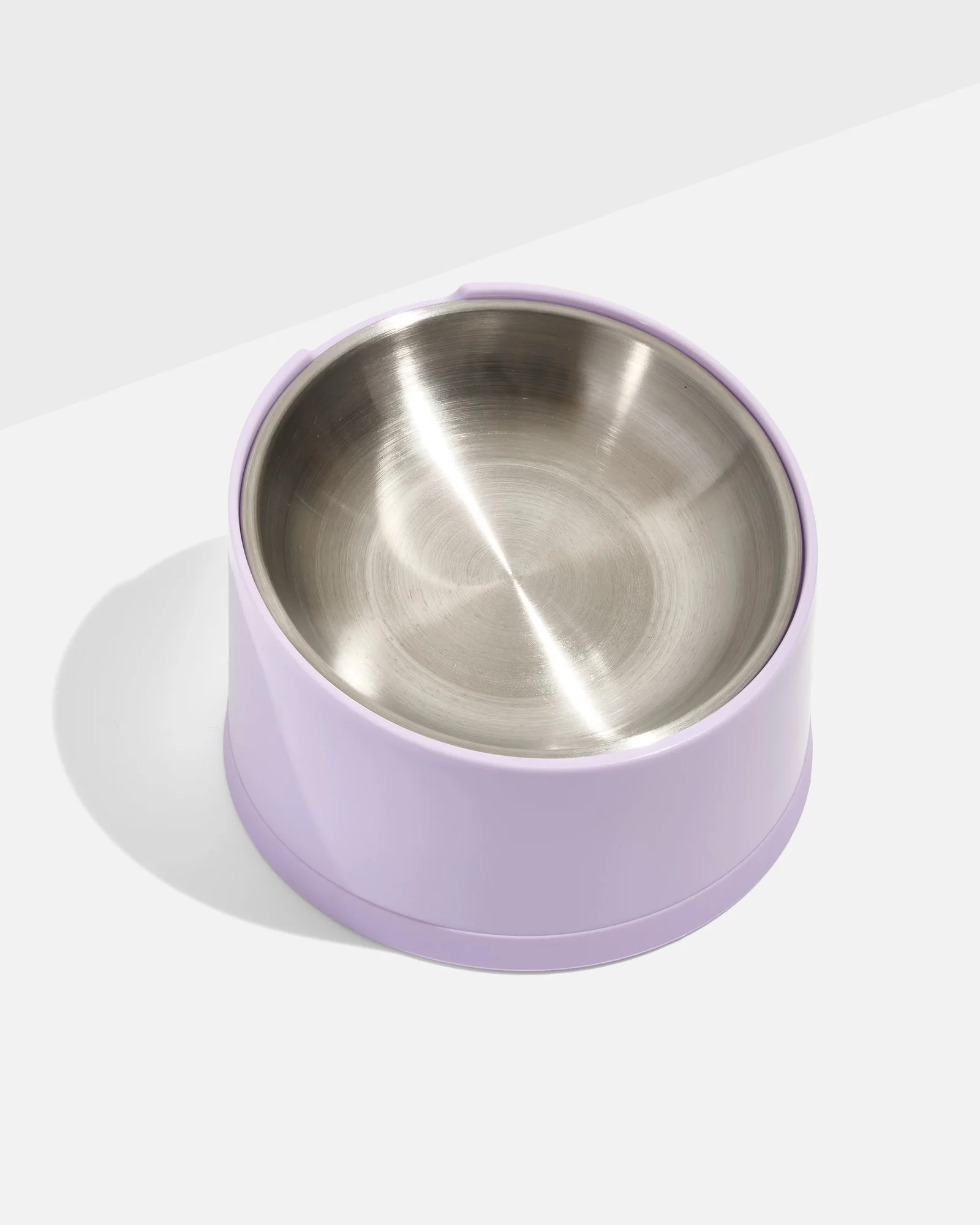
slanted cat bowl
What Is Whisker Fatigue?
Whisker fatigue, also known as whisker stress, is a term used to describe the sensory overload that occurs when a cat's whiskers repeatedly brush against the sides of a food or water bowl. Whiskers are highly sensitive tactile hairs that help cats navigate their environment. When they are constantly stimulated by the walls of a deep bowl, it can cause discomfort, anxiety, and even a reluctance to eat.
While not a formally recognized medical condition, many cat behaviorists and veterinarians acknowledge that whisker fatigue can contribute to picky eating or food aversion. Cats may start to scoop food out of the bowl with their paws, eat only from the center, or even refuse to eat altogether. This can lead to weight loss and other health issues if not addressed.
- Whiskers are deeply rooted and packed with nerve endings, making them extremely sensitive.
- Deep bowls force whiskers to bend and touch the sides, which can be overstimulating.
- Signs of whisker fatigue may include pawing at food, hesitating to eat, or leaving food at the edges of the bowl.
How Slanted Cat Bowls Help
A slanted cat bowl is designed with an angled interior surface that allows food to gather at one side, making it easier for your cat to reach without pushing their whiskers against the sides. The sloped design reduces the depth that the whiskers must penetrate, minimizing contact and pressure. This ergonomic approach is the primary reason why slanted bowls are recommended for cats that show signs of whisker fatigue.
Additionally, many slanted bowls are wider and shallower than traditional bowls, which further reduces whisker stimulation. Some designs also feature a non-slip base to prevent sliding, adding to the overall feeding comfort. For cats that are prone to whisker stress, making the switch to a slanted bowl can transform mealtime from a stressful event into a relaxing experience.
- Slanted bowls reduce the depth whiskers must travel, decreasing sensory overload.
- Wide, shallow designs allow whiskers to stay above the bowl rim.
- Non-slip bases prevent the bowl from moving, reducing anxiety during eating.
Slanted Bowl vs. Traditional Bowl: What's the Difference?
Traditional cat bowls are typically deep and narrow, which forces a cat's whiskers to press against the sides as they eat. This can be uncomfortable over time, especially for cats with long or sensitive whiskers. In contrast, slanted bowls are engineered with a gentle slope that brings food closer to the surface, so the cat's face stays relatively level and whiskers remain mostly untouched.
Another key difference is the material and stability. Many slanted bowls are made from ceramic or stainless steel, which are easier to clean and less likely to harbor bacteria. Some models, like the Bowl Kit, offer a complete feeding solution with both food and water bowls, designed with the same ergonomic principles. While traditional bowls may be cheaper, the potential benefits of reducing whisker stress could outweigh the cost for many cat owners.
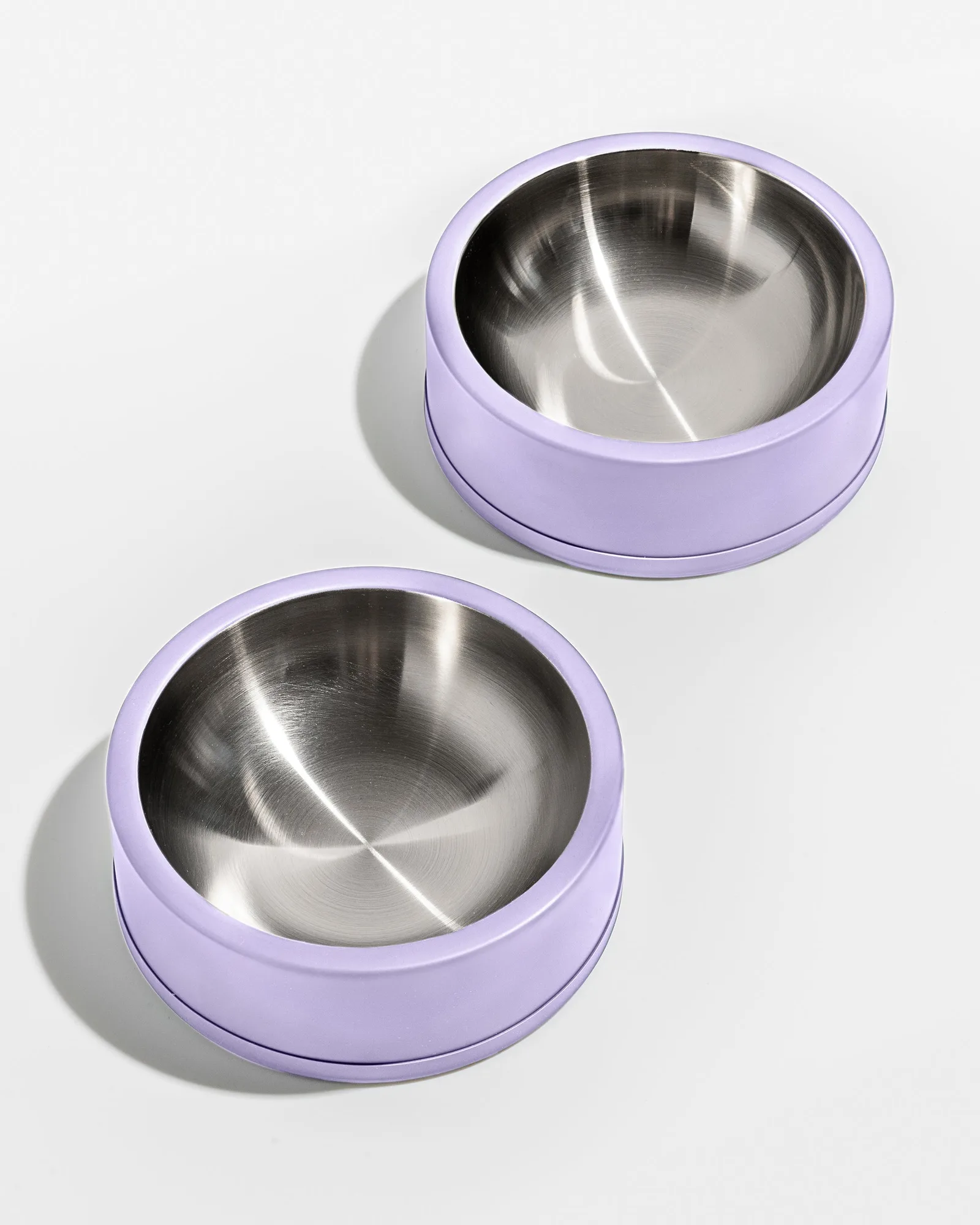
Bowl Kit
Real-World Benefits of Using a Slanted Cat Bowl
Beyond whisker fatigue, slanted cat bowls offer several practical benefits. The raised, angled design can promote better posture while eating, which may aid in digestion. Some cats also eat too quickly, leading to vomiting or regurgitation. Slanted bowls with a slower feeding feature can help pace your cat's eating, though that's a separate feature.
For multi-cat households, slanted bowls can reduce competition and stress during mealtimes. Because the design makes food more accessible, cats are less likely to feel the need to guard their food or rush. Additionally, many slanted bowls are aesthetically pleasing and come in a variety of colors and materials, allowing you to match your home decor while prioritizing your cat's comfort.
- Promotes better posture and digestion.
- Can help reduce eating speed when paired with slow feeder designs.
- Reduces mealtime stress in multi-cat homes.
What to Look for in a Slanted Cat Bowl
When choosing a slanted cat bowl, consider the material, size, and stability. Ceramic and stainless steel are durable and easy to clean, while plastic may retain odors and scratches. The bowl should be wide enough for your cat's whiskers to extend beyond the rim, and the slant should be gentle but effective. A non-slip base is essential to prevent the bowl from sliding on smooth floors.
Also, think about your cat's specific needs. If your cat is a fast eater, look for a slanted bowl with built-in ridges or a slow feeder feature. If you have a kitten or a senior cat, a shallower bowl might be more suitable. The Bowl Kit is a versatile option that includes both food and water bowls, making it a convenient choice for many households.
Our Verdict: Is a Slanted Cat Bowl Worth It?
Based on our research and user feedback, slanted cat bowls are a worthwhile investment for cats that exhibit signs of whisker fatigue or simply seem uncomfortable while eating. The ergonomic design can make a noticeable difference in your cat's mealtime behavior, from reduced pawing to more relaxed eating. Even if your cat doesn't show obvious signs of whisker stress, a slanted bowl can still improve their feeding experience.
We recommend trying a slanted bowl for at least two weeks to see if your cat's eating habits improve. Many owners report that their cats finish their meals more consistently and seem less anxious around food. While no bowl can guarantee a behavioral change, the potential benefits far outweigh the modest cost.
If you're looking to upgrade your cat's feeding setup, a slanted cat bowl is a thoughtful choice that addresses both comfort and health. Whether you're dealing with whisker fatigue or just want to provide a more ergonomic dining experience, the Bowl Kit from Wildone offers a practical and stylish solution. Explore our collection today and give your cat the mealtime comfort they deserve.