Quick answer
Sleep earplugs help most when the noise is steady and outside your control, like a neighbor's generator, highway hum, or early birds in a busy campground. They help least when the sound is inside your tent, such as a leaking pad, a zipper you keep fighting, or a pillow that keeps sliding away. Pack earplugs for the noise you cannot change, then fix the comfort problems that keep waking you up.
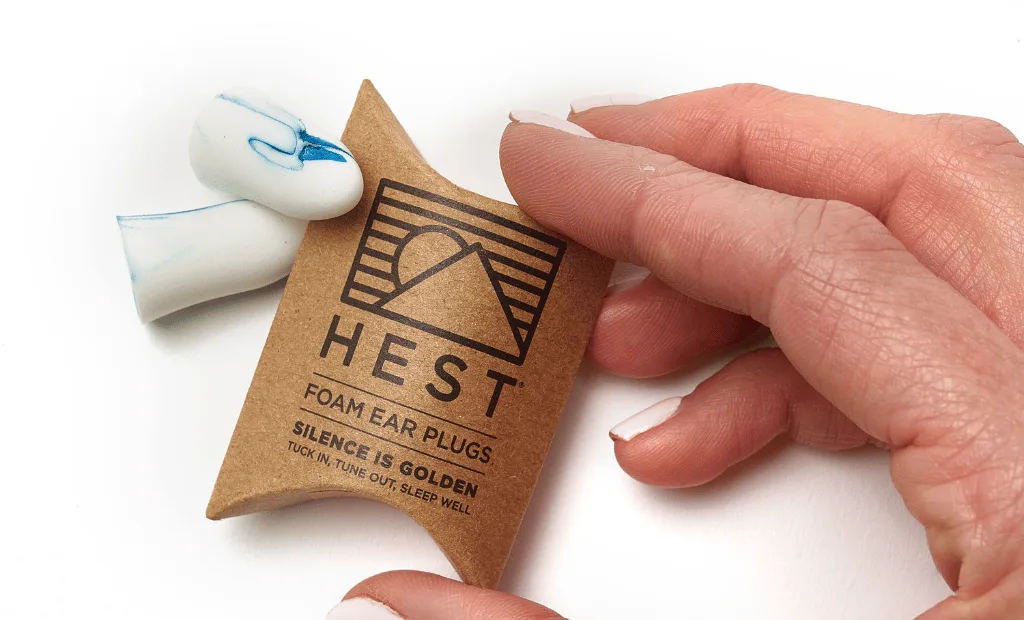
Sleep earplugs
Most camping sleep problems are not one problem. They are two: noise you can control and noise you cannot. Earplugs only solve the second kind, and they only solve it if they fit well enough that you forget you are wearing them.
This guide answers the questions campers actually ask before buying or packing earplugs, including how to test fit at home, when earplugs are the wrong tool, and how your mattress and pillow choices change how much noise matters.
What kinds of camping noise do earplugs actually block?
Earplugs work best on continuous, low-variation sound. Think distant traffic, a generator running two sites over, a river, or the steady hum of a campground at night. They are less effective on sharp, close sounds like a car door, a dog bark, or someone talking right outside your tent, because those sounds cut through even a good seal.
They also do not block vibration. If you sleep on a pad that transfers every movement into your hips or shoulders, you will still wake up even in total silence. That is why camping noise tips usually start with your sleep system, not your ears.
A practical test: at home, put in your earplugs and run a fan or white-noise app at low volume. If you can still hear your own pulse or your jaw moving, the seal is not right. Refit before you blame the earplugs.
- Steady noise: earplugs help most.
- Sudden or close noise: earplugs help less than you hope.
- Body discomfort: earplugs do nothing; fix the pad or pillow first.
How do I choose the best earplugs for camping?
Start with shape, not a noise-reduction number. Foam cylinders are cheap and effective but can feel pressure-y after a few hours. Flanged or molded styles seal with less inward pressure, which matters if you sleep on your side. Reusable silicone or thermoplastic plugs are easier to clean and reinsert in the dark, but they need a good initial fit.
For earplugs for light sleepers, the deciding factor is usually comfort over eight hours, not peak blocking. A plug that seals perfectly but aches by 2 a.m. will wake you up more than the noise would have. Buy one pair of each style if you are unsure, test both on a normal night at home, and keep the one you forget you are wearing.
If you use a sleep tracker or phone alarm, test whether you can still hear it with earplugs in. Many campers set a vibrating watch alarm as a backup, which is a simple camping noise tip that prevents a missed morning.
- Side sleepers: try low-profile flanged or molded plugs before deep foam.
- Side sleepers who roll: keep a spare pair in your pillowcase stuff sack.
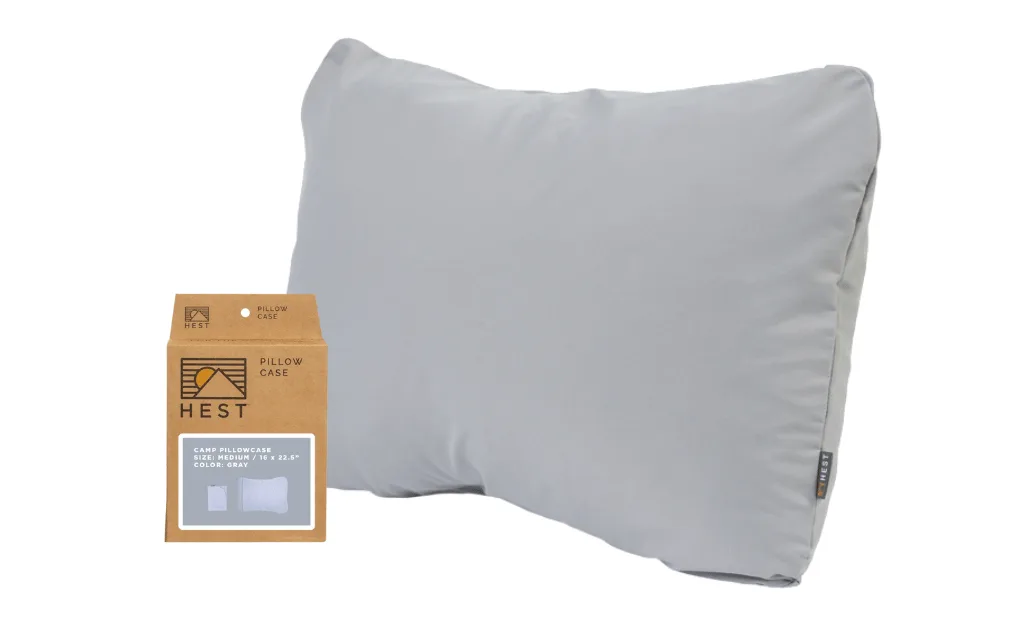
pillowcase
- Cold weather: warm stiff plugs in your hand for a minute before inserting.
When are earplugs the wrong solution?
Skip earplugs, or fix something else first, when the noise is a signal you need. If you are camping in bear country, near a road, or sharing a site with kids, blocking sound can hide information you want. In those cases, reduce the source instead: move your tent, face the door away from the noise, or use a fan or white-noise app at low volume.
Earplugs are also the wrong first move if your real problem is your setup. A pad that bottoms out under your hip, a pillow that flattens, or a tent floor that transmits every step will wake you regardless of how quiet the campground is. Fix the contact points first, then add earplugs for the noise that remains.
Finally, do not wear earplugs if you have an active ear infection, drainage, or a doctor's instruction against them. That is a health question, not a camping question, and it is worth asking a professional rather than guessing.
- Do not block sound you need for safety.
- Fix pad and pillow comfort before buying more earplugs.
- Ask a doctor if you have ear pain, drainage, or an infection.
How do I test earplug comfort before a trip?
Test at home for two nights, not one. Night one tells you if they seal. Night two tells you if they still feel fine after your ears warm up and you roll onto your side. If you wake up with sore ear canals or a headache, the plug is too much for your ear shape, no matter what the package claims.
Insertion matters as much as the plug. Roll foam plugs thin, pull your ear up and back, and hold them in place for 20 to 30 seconds while they expand. For reusable plugs, seat them so the outer edge sits flush, not jammed. A half-seated plug leaks and feels worse than no plug at all.
Keep a small case or stuff sack with your sleep kit so you are not hunting for earplugs in the dark. If you already pack a mattress pad and pillow, add the earplugs to that same bag and you will never leave them at home.
- Two-night home test beats a five-minute store trial.
- Refit if you feel pressure, not just leakage.
- Store earplugs with your sleep kit, not loose in a pocket.
Does a better mattress or pillow reduce the need for earplugs?
Yes, often more than earplugs do. Noise wakes you, but discomfort keeps you awake. If your hip or shoulder aches, every small sound feels louder because you are already half-awake. A pad that supports your side-sleeping position and a pillow that keeps your neck neutral can reduce those micro-wakeups, which makes the remaining noise easier to sleep through.
That does not mean earplugs are pointless. It means they work best as the last layer, not the first. Build a sleep setup that removes the pressure points, then add earplugs for the generator, the highway, or the campground that never quite goes quiet.
If you are upgrading one piece at a time, start with the surface you sleep on and the pillow under your head, then test earplugs on a normal night. You will quickly learn whether your problem was noise, comfort, or both.
- Fix pressure points first; noise is easier to tolerate when you are comfortable.
- Add earplugs last for noise you cannot move away from.
- Change one variable at a time so you know what actually helped.
Camping earplug quick reference
When to pack them
Pack earplugs when the noise is steady, outside your control, and not a safety signal, such as a generator, highway, or busy campground. If the noise is a warning you need to hear, fix the source instead.
How to test fit
Wear your chosen pair for two nights at home. If you wake with sore ears or a headache, try a lower-pressure style before your trip. Comfort over eight hours matters more than a blocking number.
What to fix first
Address pad and pillow comfort before buying earplugs. Pressure points cause more wakeups than most campground noise. Better sleep surface, then earplugs, is the order that works.
Products that support a quieter night
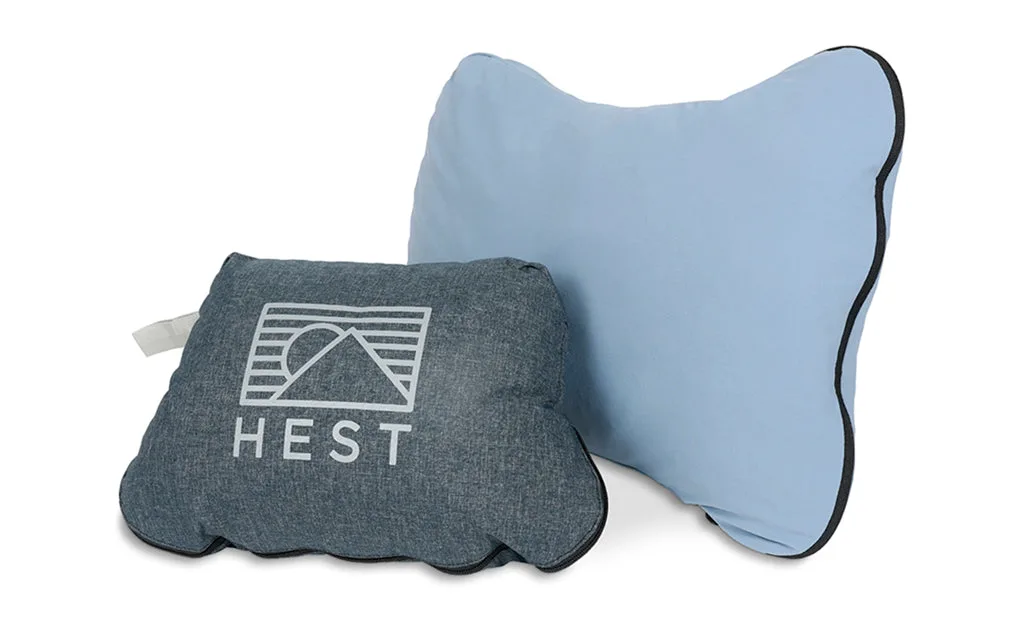
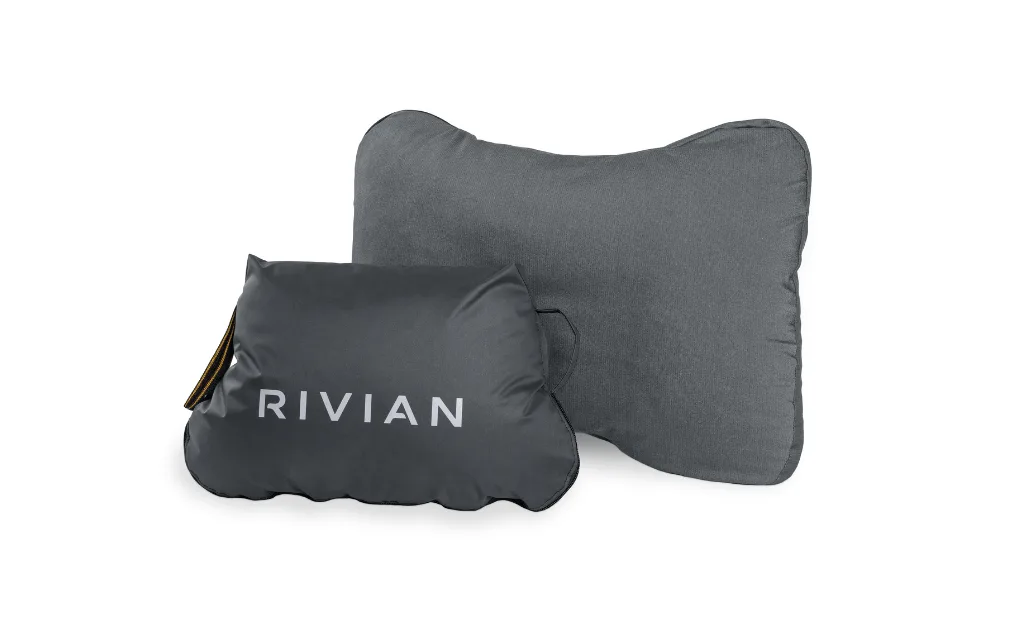
- Rivian x HEST Camp Pillow: The Rivian x HEST Camp Pillow is designed to provide home-pillow comfort with shredded memory foam in a compact, portable design, and it is available in multiple sizes. A pillow that holds its shape keeps your neck neutral, so small campground sounds are less likely to fully wake you.
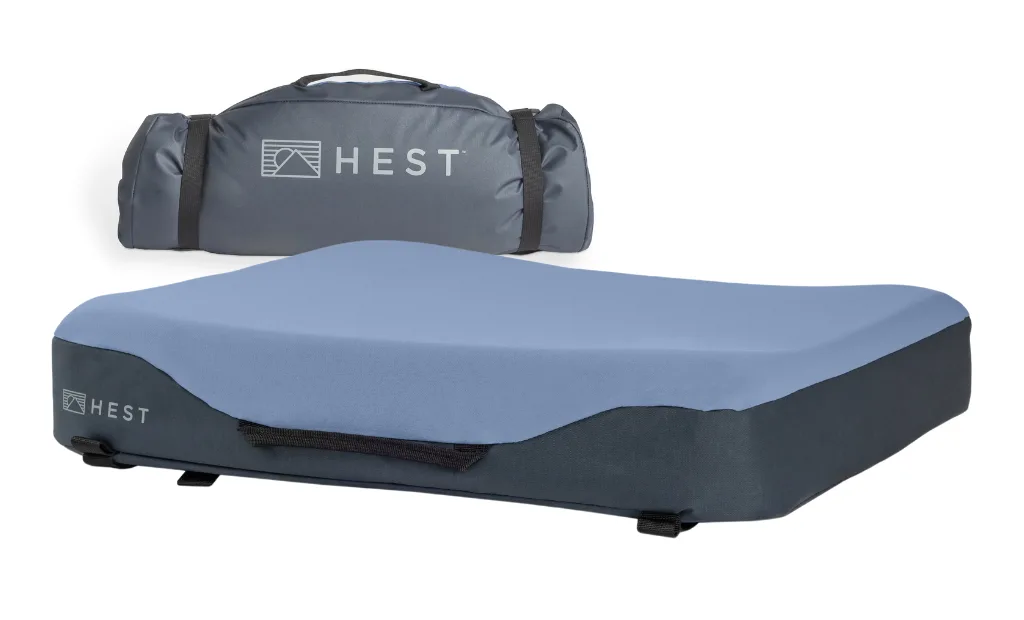
- Foamy Seat Cushion: The HEST Foamy Seat Cushion is designed to bring premium comfort and support to airplane seats, car seats, camp chairs, bleachers, cooler tops, and other hard surfaces. If you sit comfortably during the day, you arrive at camp less fatigued, which makes it easier to sleep through nighttime noise.
- HEST Dog Bed: The HEST Dog Bed is built for easy packing and easy cleaning with sizes for small, medium, and large dogs, including a 44 x 30 inch large size for dogs over 60 pounds. A dog that settles quickly on its own bed makes less noise in the tent, removing one common source of camping sleep disruption.
Sleep earplugs for camping are a small, cheap tool that solves one specific problem: noise you cannot move away from. Test them at home, fix your sleep surface first, and pack them with the rest of your sleep kit so they are there when the campground will not quiet down.