Struggling to get a good night's sleep or keep your mood steady? You're not alone. Many people turn to supplements for support, but the choice between a dedicated sleep & mood supplement and a simple mineral like magnesium can be confusing. Both have their merits, but they work differently and target different root causes.
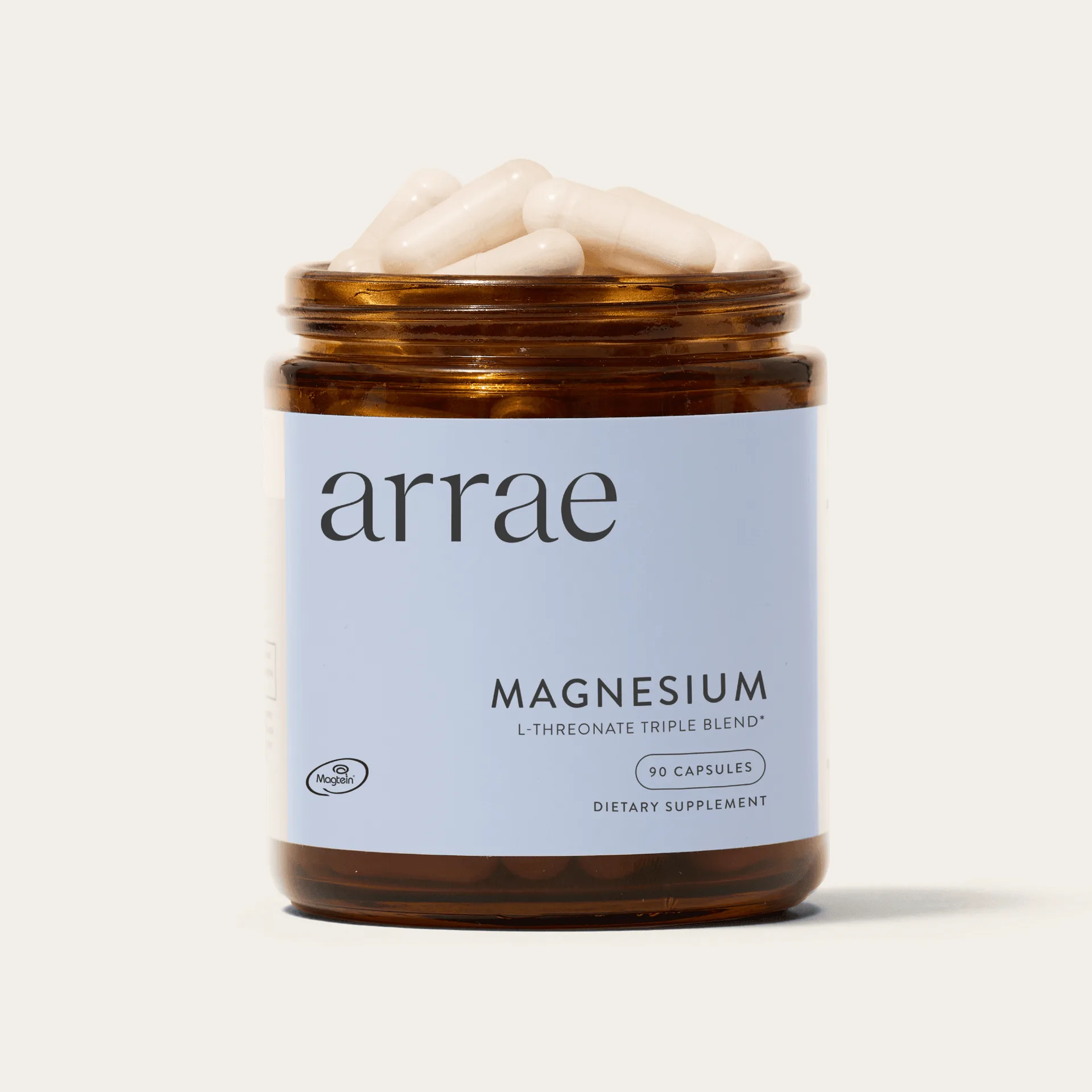
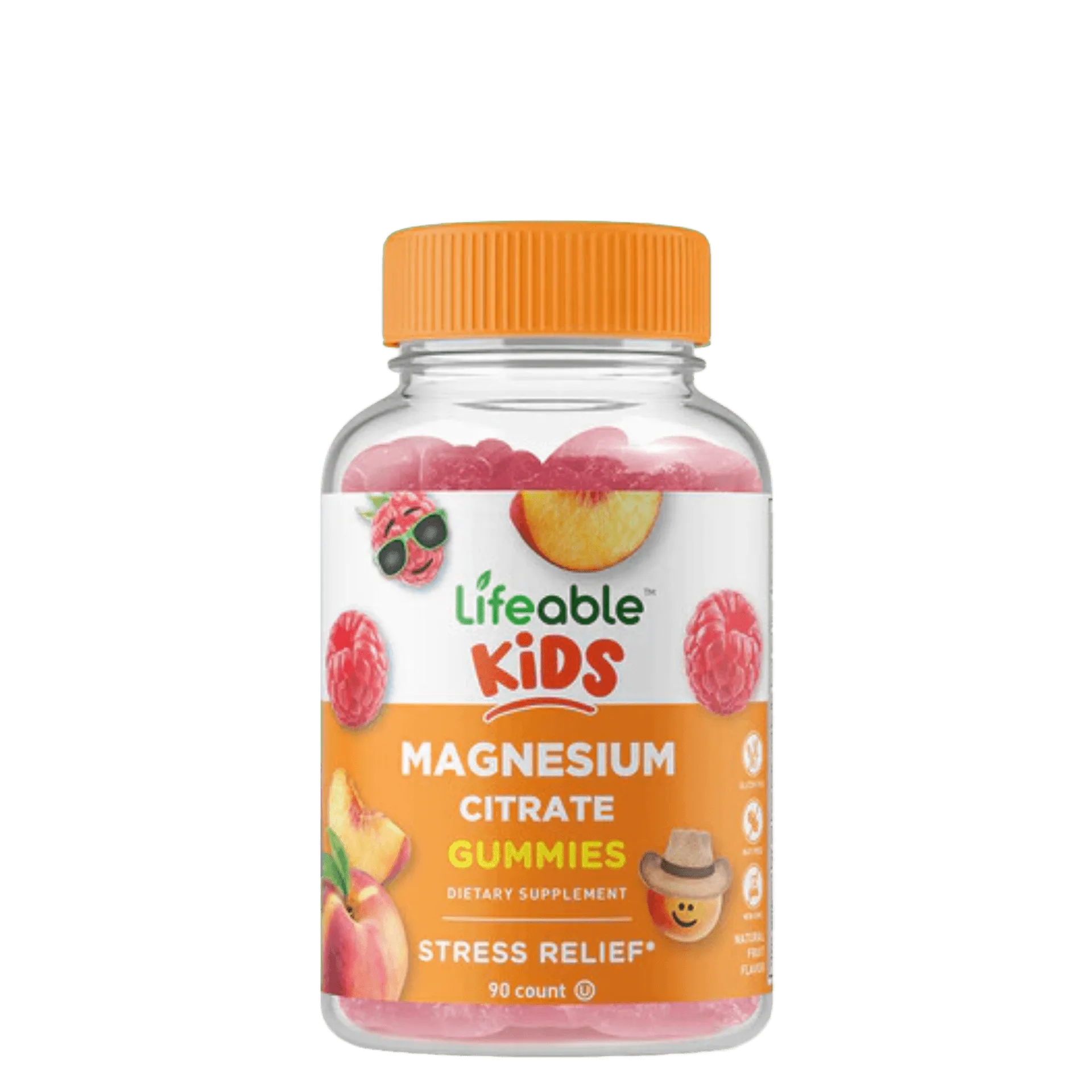
magnesium
In this comparison, we'll break down how sleep & mood supplements and magnesium stack up against each other. We'll look at their ingredients, how they work, potential side effects, and who might benefit most from each. By the end, you'll know which one aligns with your needs—or whether combining them makes sense.
How Sleep & Mood Supplements Work
Sleep & mood supplements are formulated with a blend of ingredients designed to address multiple aspects of rest and emotional well-being. These often include herbs like valerian root, chamomile, and passionflower, along with amino acids such as L-theanine and 5-HTP. The goal is to calm the nervous system, reduce stress, and promote a state of relaxation that makes falling asleep easier.
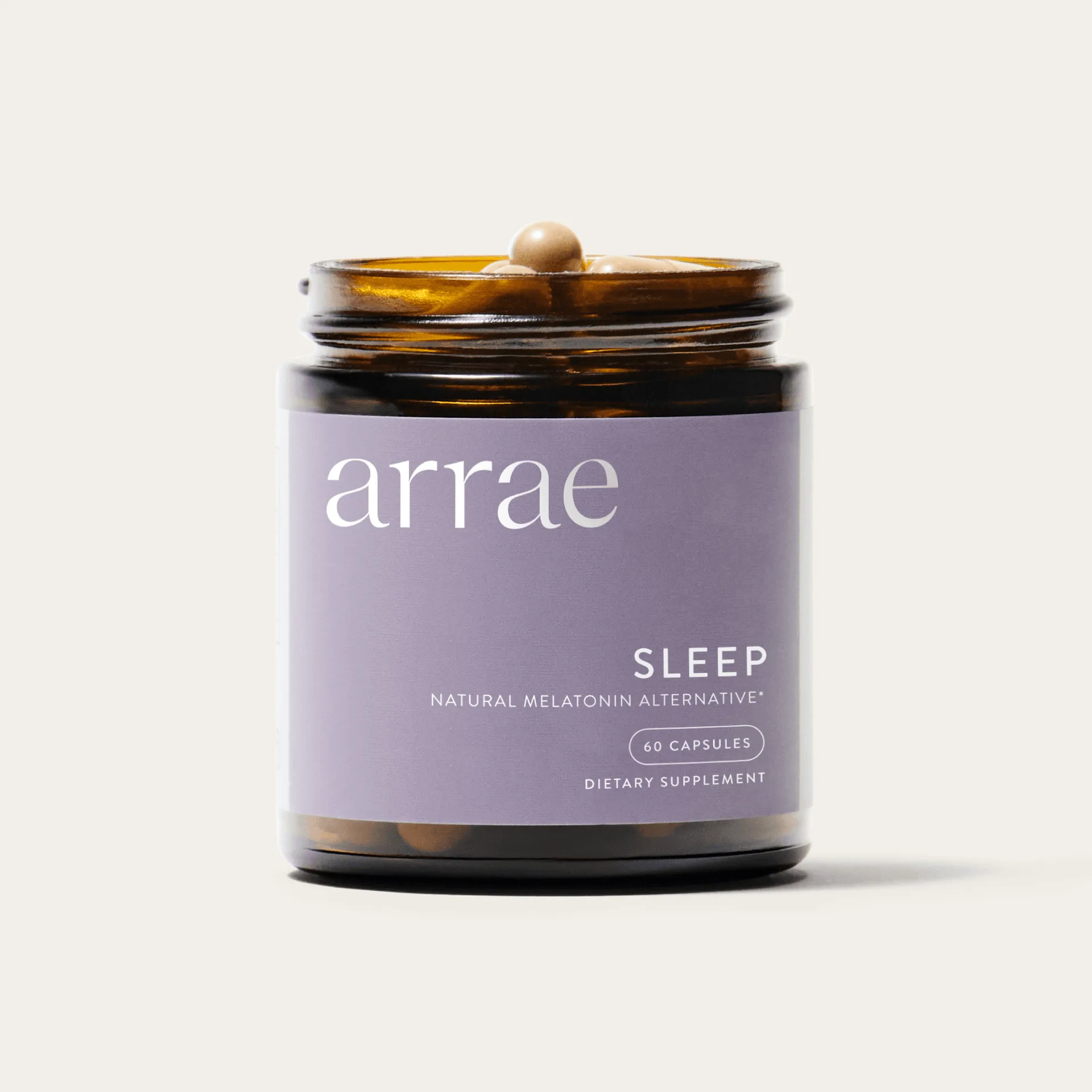
For mood support, these supplements may also include adaptogens like ashwagandha or rhodiola, which help the body manage stress. The combination of ingredients works synergistically, targeting both the mind and body. For example, a product like Sleep is designed to help you unwind and drift off, while also supporting a balanced mood during the day.
- Often contain multiple active ingredients for a broad effect.
- May include herbs, amino acids, and adaptogens.
- Designed for both sleep and mood support.
How Magnesium Works for Sleep and Mood
Magnesium is a mineral that plays a crucial role in over 300 enzymatic reactions in the body, including those that regulate neurotransmitters and melatonin. It helps activate the parasympathetic nervous system, which is responsible for relaxation. Magnesium also binds to GABA receptors, promoting a calming effect that can improve sleep quality.
For mood, magnesium helps regulate serotonin, the 'feel-good' neurotransmitter, and reduces cortisol, the stress hormone. Low magnesium levels are linked to anxiety, depression, and insomnia. Supplementing with magnesium can fill this gap, especially for those who don't get enough from their diet.
- A single mineral with multiple benefits.
- Supports GABA and serotonin for calm and mood.
- Deficiency is common and can worsen sleep and mood issues.
Key Differences in Ingredients and Mechanism
The biggest difference lies in the approach. Sleep & mood supplements are like a multi-tool, with several ingredients targeting different pathways. They might contain magnesium as one component, but also include other calming agents. Magnesium, on the other hand, is a single nutrient that addresses a foundational deficiency.
If your sleep issues stem from anxiety or racing thoughts, a sleep & mood supplement with L-theanine or herbs might be more effective. If you suspect a magnesium deficiency—symptoms include muscle cramps, fatigue, and irritability—then magnesium could be the missing piece. Some products, like Sleep, include magnesium along with other sleep aids, offering the best of both worlds.
- Sleep & mood supplements: broad-spectrum, multi-ingredient.
- Magnesium: targeted, foundational support.
- Consider your specific symptoms and potential deficiencies.
Comparing Effectiveness for Sleep Quality
Clinical studies show that magnesium can improve sleep efficiency, sleep time, and reduce the time it takes to fall asleep, especially in older adults. It's particularly helpful for those with restless leg syndrome or nighttime muscle tension. However, its effects may be subtle if you don't have a deficiency.
Sleep & mood supplements often have more immediate and noticeable effects because they contain sedative herbs that act quickly. For example, a product like Sleep combines magnesium with other natural sleep inducers, potentially providing a more robust effect. The choice depends on your sensitivity and the root cause of your sleep issues.
- Magnesium: best for deficiency-related sleep issues.
- Sleep & mood supplements: faster, more noticeable effects.
- Combined formulas may offer the most comprehensive support.
Impact on Mood and Stress Levels
Magnesium's role in mood is well-documented. It helps reduce anxiety and depression symptoms by regulating neurotransmitters and lowering cortisol. However, it may take weeks to see significant changes, especially if you're correcting a long-term deficiency.
Sleep & mood supplements with adaptogens and amino acids can provide quicker relief from stress and mood swings. For instance, ingredients like ashwagandha have been shown to lower perceived stress and improve overall well-being. If you're dealing with acute stress, a dedicated mood supplement might be more effective in the short term.
- Magnesium: long-term mood stabilization.
- Sleep & mood supplements: quicker stress relief.
- Both can be part of a holistic approach.
Potential Side Effects and Safety
Magnesium is generally safe, but high doses can cause digestive issues like diarrhea, nausea, and cramping. It can also interact with certain medications, such as antibiotics and blood pressure drugs. It's important to stick to recommended dosages and consult a healthcare provider if you have underlying conditions.
Sleep & mood supplements may cause drowsiness, dizziness, or digestive upset due to the variety of ingredients. Some herbs can interact with sedatives or antidepressants. Always read labels and check for potential allergens. Products like Sleep are formulated with natural ingredients, but it's still wise to review the full list and start with a lower dose to see how your body reacts.
- Magnesium: watch for digestive upset at high doses.
- Sleep & mood supplements: may cause drowsiness or interactions.
- Start with the lowest effective dose and monitor your response.
How to Choose: A Practical Guide
Start by assessing your symptoms. If you have trouble falling asleep due to stress or anxiety, a sleep & mood supplement like Sleep might be your best bet. If you wake up frequently during the night or have muscle cramps, magnesium could be more beneficial. You can also try a combination approach, using a sleep supplement that already includes magnesium, such as Sleep.
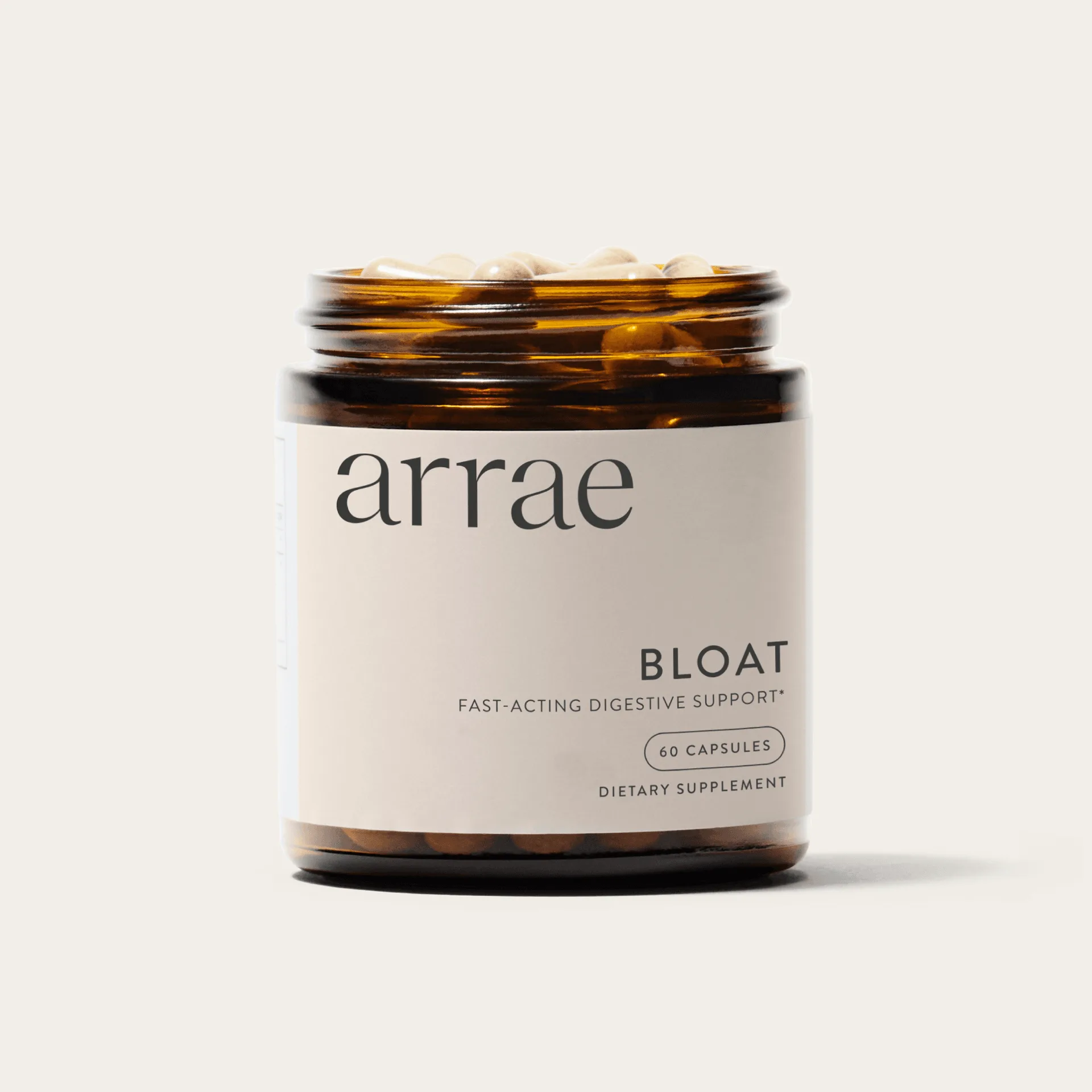
Consider your diet and lifestyle. If you eat a magnesium-rich diet (leafy greens, nuts, seeds), you might not need extra. But if you drink coffee daily or have high stress, you may be depleting your magnesium stores. In that case, a supplement like bloat-371350">Bloat, which contains magnesium, could help address both digestive and sleep issues.
- Identify your primary sleep or mood concern.
- Check if you have any magnesium deficiency symptoms.
- Look for supplements that combine both for convenience.
Ultimately, both sleep & mood supplements and magnesium have their place. If you're looking for a targeted mineral fix, magnesium is a solid, science-backed choice. If you need a more comprehensive solution that addresses stress, mood, and sleep together, a dedicated supplement like Sleep offers a convenient all-in-one. Whichever you choose, remember that consistency and good sleep hygiene are key. Ready to improve your rest? Explore Sleep today and see how it fits into your routine.