When it comes to building muscle, most people focus on two things: training hard and eating enough protein. But there's a third, often overlooked pillar that can make or break your progress: sleep. Sleep science reveals that quality rest is not just about feeling refreshed—it's when your body performs critical repair and growth processes that directly impact muscle development.
During deep sleep, your body releases human growth hormone (HGH), repairs microscopic tears in muscle fibers, and balances key anabolic hormones. Without adequate sleep, even the most rigorous workout routine and perfect diet can fall short. In this article, we'll explore the fascinating science behind sleep and muscle growth, and share actionable strategies to maximize your recovery.
The Biological Link Between Sleep and Muscle Repair
Sleep is not a passive state—it's an active period of physiological restoration. The most critical stage for muscle repair is slow-wave sleep (deep sleep), which typically occurs in the first half of the night. During this phase, blood flow to muscles increases, and the pituitary gland releases up to 70% of your daily growth hormone. This hormone stimulates protein synthesis, helping rebuild and strengthen muscle tissue broken down during exercise.
Additionally, sleep reduces levels of cortisol, a stress hormone that can break down muscle tissue if elevated for long periods. Chronic sleep deprivation keeps cortisol high, which can hinder recovery and even lead to muscle loss. For athletes and fitness enthusiasts, prioritizing sleep is as important as the workout itself.
- Deep sleep triggers growth hormone release, essential for muscle repair.
- Cortisol drops during quality sleep, protecting muscle from catabolism.
- Inadequate sleep can reduce protein synthesis by up to 20%.
How Much Sleep Do You Really Need for Optimal Gains?
While the general recommendation is 7–9 hours per night, athletes may need closer to 9–10 hours to fully recover from intense training. Studies show that sleeping less than 6 hours per night can significantly impair muscle recovery, reduce strength gains, and increase the risk of injury. The quality of sleep matters too—fragmented or restless sleep won't provide the same restorative benefits.
To improve sleep quality, consider establishing a consistent bedtime routine, reducing screen time before bed, and creating a cool, dark sleep environment. Some people also find that using a weighted blanket or wearing comfortable sleepwear, like the KOH Knit Beanie, can help signal the body that it's time to wind down.
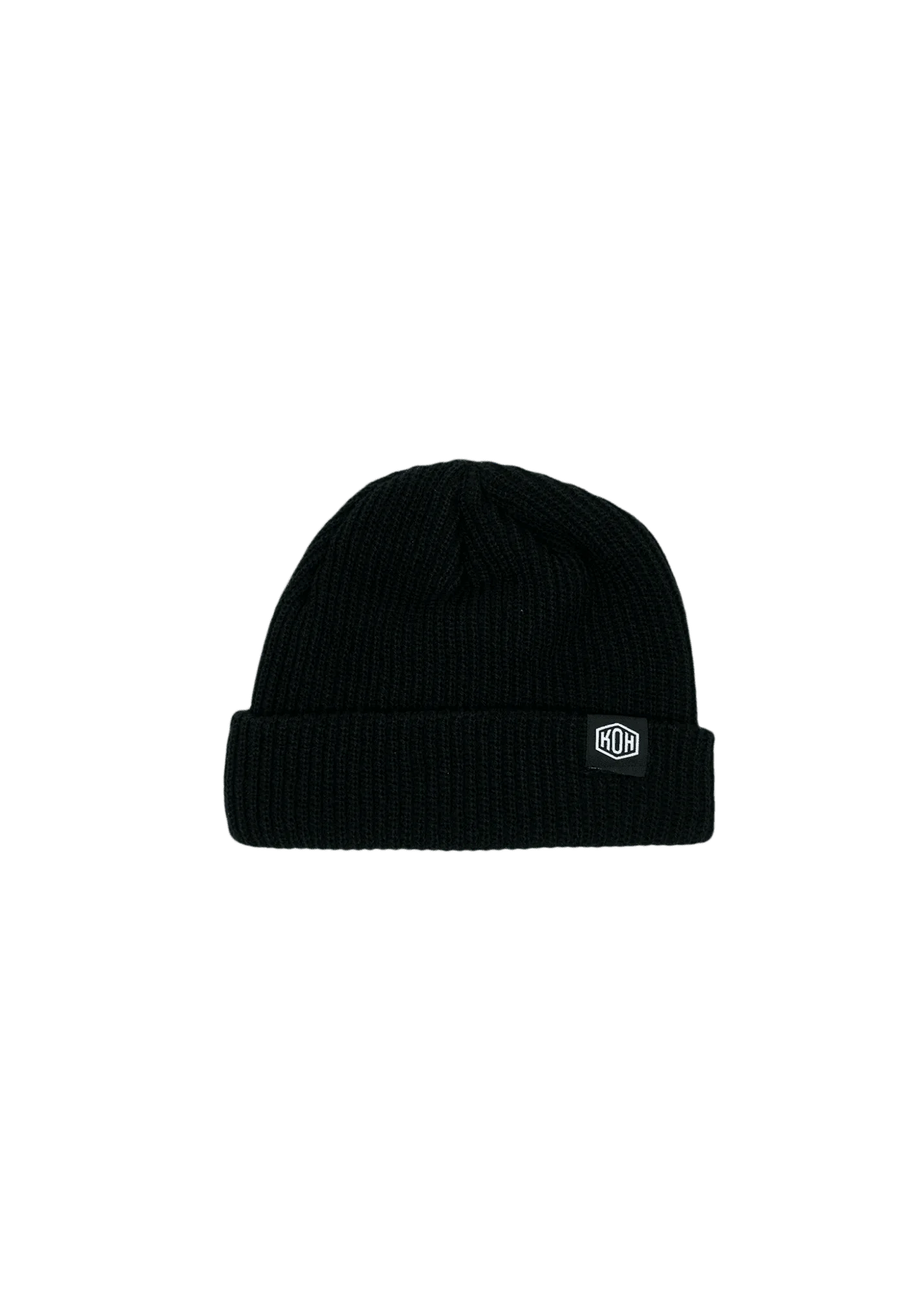
KOH Knit Beanie
- Aim for 7–9 hours of uninterrupted sleep per night.
- Athletes may benefit from 9–10 hours during heavy training cycles.
- Consistent sleep and wake times reinforce your circadian rhythm.
Nutrition and Supplements That Support Sleep and Recovery
What you eat and drink can directly influence your sleep quality. Magnesium, found in leafy greens and nuts, helps relax muscles and calm the nervous system. Tryptophan-rich foods like turkey, eggs, and dairy support the production of serotonin and melatonin, the sleep-regulating hormone. Avoiding caffeine and heavy meals close to bedtime is also crucial.
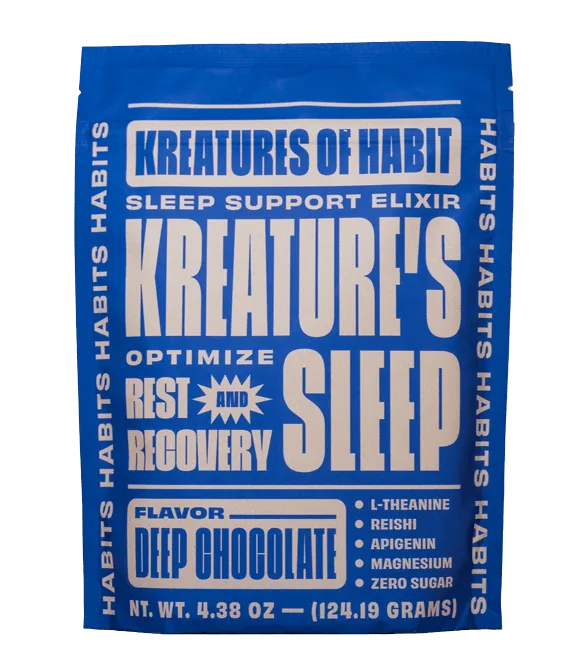
For those looking for a targeted solution, the KREATURE'S SLEEP supplement is designed to promote deeper, more restorative sleep using a blend of melatonin, magnesium, and herbal extracts. Pairing it with a consistent sleep schedule can enhance recovery and help you wake up feeling refreshed and ready to train.
- Magnesium and tryptophan-rich foods can improve sleep onset and depth.
- Avoid caffeine at least 6 hours before bed.
- Consider a sleep-specific supplement to support natural sleep cycles.
Practical Tips to Optimize Your Sleep for Muscle Growth
Beyond the basics, there are several evidence-based strategies to maximize the muscle-building benefits of sleep. First, aim to complete your workout at least 2–3 hours before bedtime to allow your core temperature and heart rate to return to baseline. Second, keep your bedroom dark, quiet, and cool—around 65°F (18°C) is ideal for sleep. Third, limit exposure to blue light from phones and laptops at least an hour before bed.
Another useful habit is to use a sleep tracker or journal to monitor your patterns. Some people also find that wearing comfortable, non-restrictive clothing, such as the Oat Scripted Hoodie, helps them relax and sleep more soundly. Finally, if you wake up during the night, avoid checking the time or turning on bright lights—just focus on deep breathing until you drift back off.
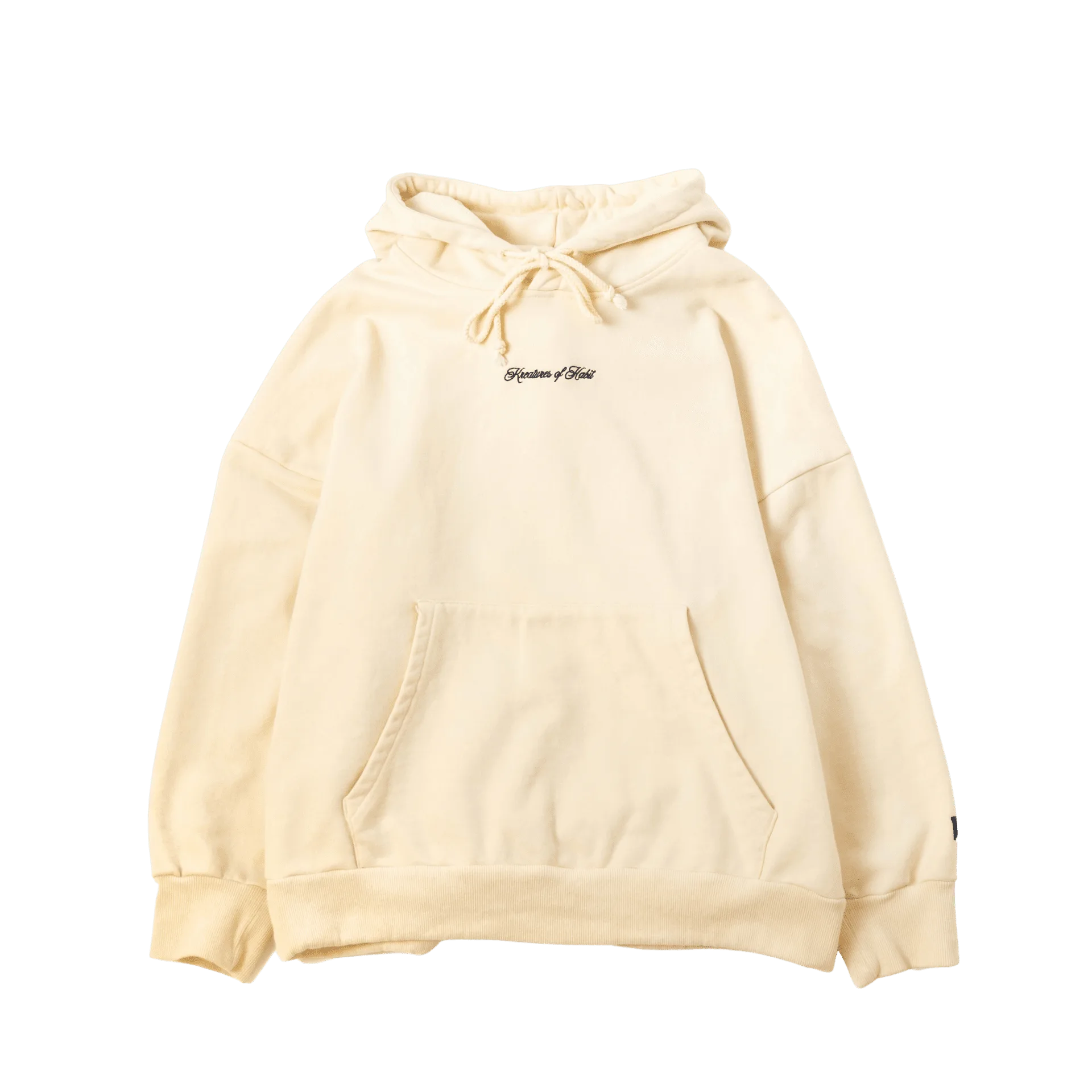
Oat Scripted Hoodie
- Finish exercise 2–3 hours before bed to lower body temperature.
- Keep your bedroom cool, dark, and quiet.
- Use relaxation techniques like deep breathing or meditation.
Sleep is not a luxury—it's a biological necessity for anyone serious about building muscle and improving athletic performance. By understanding the science behind sleep and muscle growth, and implementing small, consistent changes, you can unlock better recovery, stronger gains, and overall well-being. If you're ready to take your recovery to the next level, explore the KREATURE'S SLEEP supplement and see how quality rest can transform your results.