Quick Answer
Choose a sleep tea when your goal is falling asleep or staying asleep; choose a relaxation tea when you need to unwind during the day without drowsiness. Look at the ingredients: sleep teas often feature chamomile or ashwagandha, while relaxation blends may include ginger or matcha for a gentle, non-sedating calm.
You’re standing in the tea aisle, and both the sleep tea and the relaxation tea look tempting. They both promise calm, but they’re not the same. The right choice depends on when you want to feel calm and how you want that calm to affect your day.
This guide breaks down the difference between sleep tea and relaxation tea, explains what each is best for, and gives you clear decision rules so you can pick the blend that fits your routine.
What Is Sleep Tea?
Sleep teas are formulated to help you wind down and prepare for bed. They typically contain herbs known for their calming and sedative-like properties, such as chamomile, valerian root, or ashwagandha. These ingredients work best when you drink them about 30–60 minutes before bedtime, in a low-light, quiet environment.
Sleep teas are almost always caffeine-free, because caffeine can interfere with your body’s natural sleep cycle. They may also include ingredients that support relaxation of the nervous system, making it easier to drift off. If your main struggle is falling asleep or staying asleep, a sleep-specific blend is your best bet.
- Look for blends labeled 'sleep' or 'bedtime' and check that they are caffeine-free.
- Drink sleep tea as part of a consistent bedtime ritual, not just occasionally.
What Is Relaxation Tea?
Relaxation teas are designed to ease stress and promote a sense of calm without necessarily making you sleepy. They can be enjoyed any time of day, whether you need a mid-afternoon break or a soothing evening cup. Ingredients like ginger, cinnamon, or matcha can be both calming and gently energizing.
Unlike sleep teas, relaxation teas may contain caffeine (as in matcha) or stimulating botanicals. They help you take a mental pause, reduce tension, and reset your focus. If you want to relax but still need to function—at work, with family, or during a busy day—a relaxation tea is often the better choice.
- Check the caffeine content if you plan to drink it in the evening.
- Relaxation teas can be a great substitute for coffee or sugary drinks when you need a calm energy boost.
Key Differences at a Glance
The main difference comes down to timing and effect. Sleep tea is for nighttime rest; relaxation tea is for daytime calm. Sleep teas usually contain stronger sedative herbs, while relaxation teas use milder, adaptogenic or warming ingredients.
Another difference is the serving size and packaging. Many sleep teas come in 20 or 25 tea bags per box, and both types are often individually wrapped in recyclable foil envelopes to preserve freshness. The price is usually similar, so your decision should be based on your needs, not cost.
- If you want to sleep, pick a sleep tea. If you want to relax but stay alert, pick a relaxation tea.
- Read the ingredient list to confirm the tea is caffeine-free if you plan to drink it before bed.
How to Match a Tea to Your Routine
Think about your daily schedule. If you have trouble winding down at night, a sleep tea with chamomile or ashwagandha can become your bedtime signal. If you feel stressed during the workday, a relaxation tea with ginger or matcha can help you take a mindful break without the jitters of coffee.
Some people enjoy both: a relaxation tea in the afternoon and a sleep tea in the evening. That’s perfectly fine, as long as you respect the caffeine content and choose caffeine-free options for the hours close to bedtime.
- Create a simple rule: after 6 PM, choose caffeine-free teas only.
- Keep a box of relaxation tea at your desk and a box of sleep tea by your bedside.
Decision Rules for Choosing Your Tea
- Goal: sleep or calm?: If your goal is to fall asleep faster or improve sleep quality, choose a sleep tea. If your goal is to reduce stress without drowsiness, choose a relaxation tea. Sleep tea for rest, relaxation tea for daily calm.
- Time of day: Drink sleep tea only in the evening, about 30–60 minutes before bed. Relaxation tea can be enjoyed any time, but avoid caffeinated versions after 6 PM. Match the tea to your clock.
- Caffeine check: Always read the label. Sleep teas are typically caffeine-free, but relaxation teas may contain caffeine (e.g., matcha). If you’re sensitive, choose a caffeine-free relaxation blend. Caffeine-free for evening, any time is fine otherwise.
- Ingredient preference: Look for chamomile, valerian, or ashwagandha for sleep support. For relaxation, ginger, cinnamon, or adaptogens like ashwagandha work well. Pick ingredients that match your desired effect.
Teas to Consider
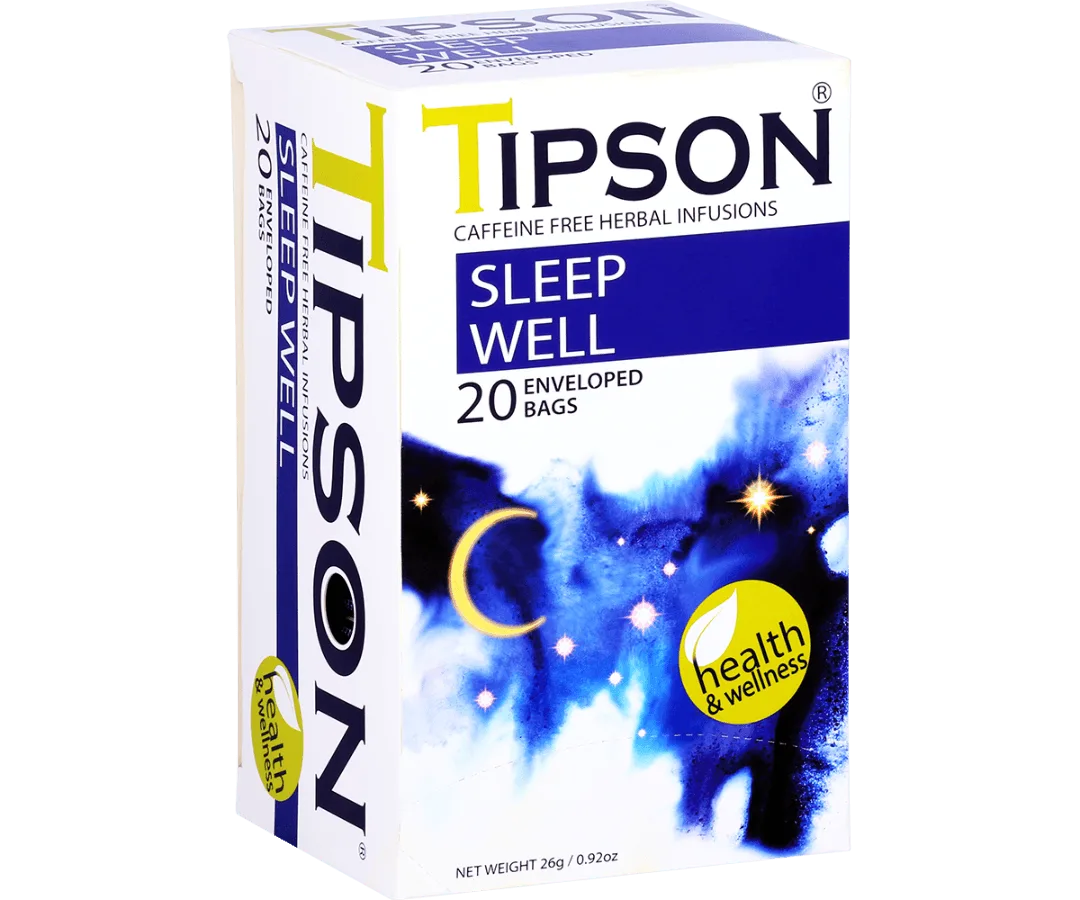
- Tipson Herbal Wellness - Sleep Well Tea - 20 Enveloped Tea Bags: Our range of wellness teas are made using all natural fruits, herbs, roots, seeds & flowers sourced from special, selected gardens. Made using traditional ancient recipes, these aromatic & palatable drinks are caffeine & gluten free wholesome options, with no additives, preservatives or flavouring. The package contains 20 individually wrapped tea bags each carefully packed into a recyclable foil envelop. If you want a caffeine-free, additive-free option for bedtime, this sleep tea provides a clean, natural way to support your wind-down routine.
- Organic Ashwagandha With Ginger & Peach - 25 Enveloped Tea Bags: As the world embraces the shift toward natural wellness, Tipson introduces the Ashwagandha Collection. A soothing range of herbal teas inspired by ancient Ayurvedic wisdom. Crafted with care by our master tea blenders, these blends feature organic, adaptogenic ingredients known to help the body manage stress and restore balance. Every cup is caffeine-free, gluten-free, and made with zero additives. This relaxation tea is ideal for daytime stress relief because it’s caffeine-free yet not overly sedating, thanks to the balancing properties of ashwagandha and the bright note of peach.
Who Should Choose Which
Best for
- People who struggle to fall asleep or stay asleep and want a caffeine-free bedtime ritual.
- Those who need to unwind after a stressful day without wanting to feel groggy the next morning.
Not for
- People who need a daytime calm without any risk of drowsiness should avoid sleep teas and pick a relaxation tea instead.
- Anyone who wants an energizing boost should choose a caffeinated relaxation tea like matcha, not a sleep tea.
Choosing between sleep tea and relaxation tea doesn’t have to be complicated. Focus on your primary goal—rest or calm—and let the ingredients and caffeine content guide you. With the right blend, you’ll find a tea that fits your routine and supports your well-being.