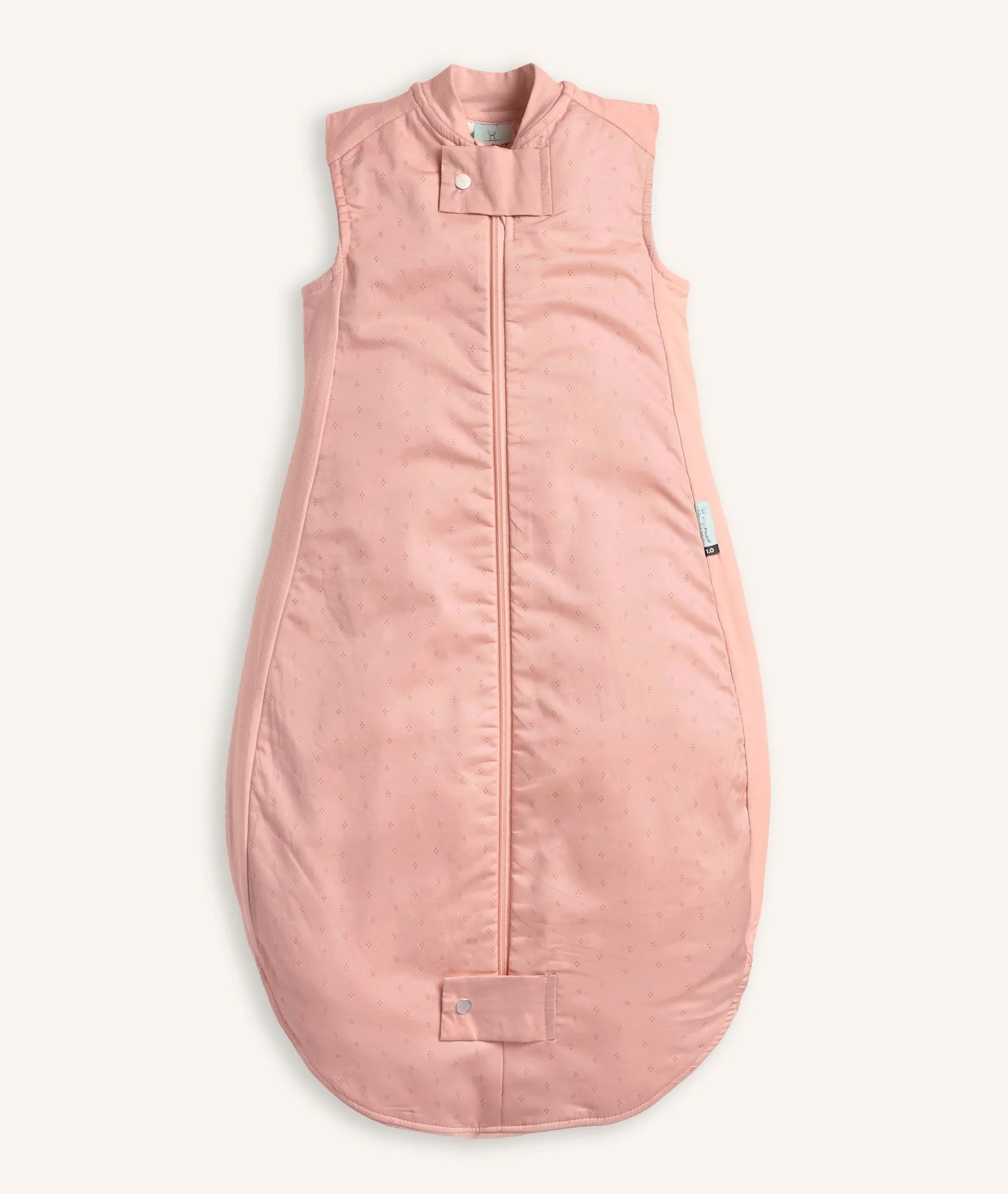
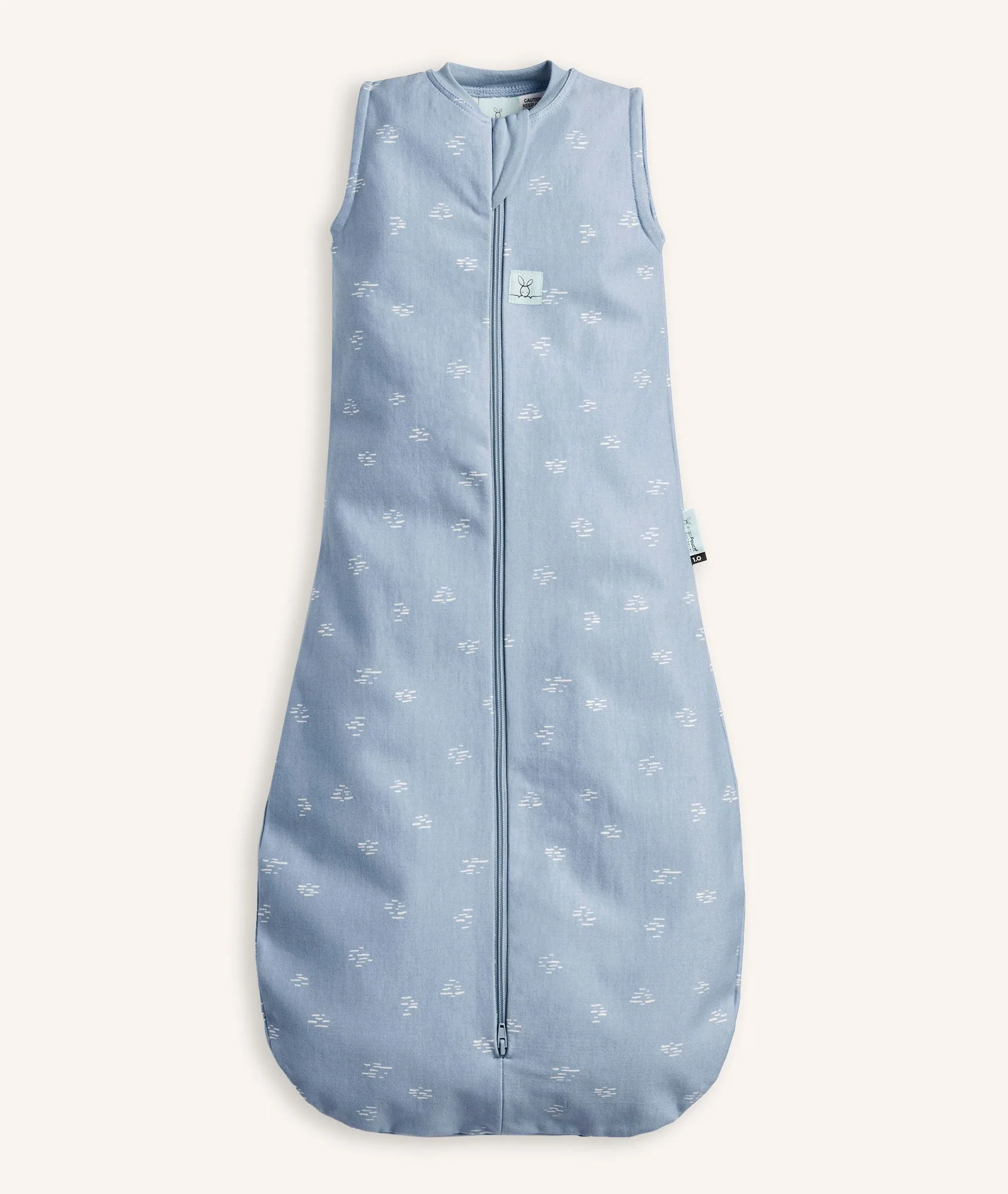
The short answer: match the TOG to the room, not the season
If your baby's room runs cool, the ergoPouch Sleeping Bag 2.5 TOG is the warmer of the two options. The 1.0 TOG bag is a lighter, more versatile choice for everyday sleep. Both are designed for arms-out sleepers from around 3 months and come in the same three sizes: 3-12M, 8-24M, and 2-4Y. The right pick depends on how cold the room actually gets and how you layer underneath.
Neither bag comes with a temperature chart or specific room-temperature guidance in the supplied information. That means you'll need to judge warmth by feel and adjust layers rather than relying on a number on the label.
What each bag is rated for
-
Sleeping Bag 2.5 TOG: 2.5 TOG warmth rating, suitable for cooler room temperatures. This is the warmer option in the comparison, intended for cold-room conditions.
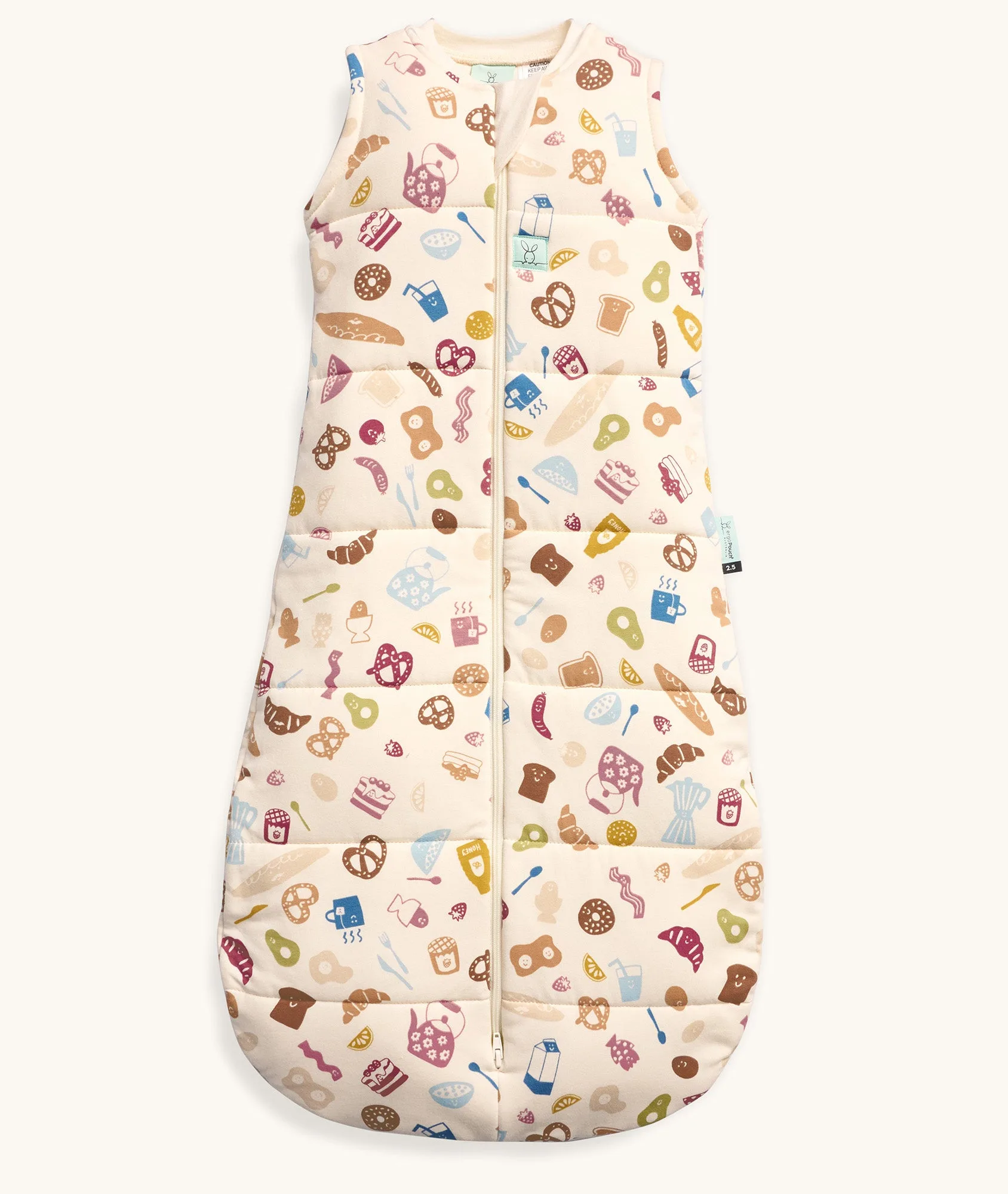
Sleeping Bag 2.5 TOG
-
Sleeping Bag 1.0 TOG: 1.0 TOG rating makes it a versatile choice for everyday sleep. This is the lighter, more general-purpose bag, not specifically a cold-room solution.
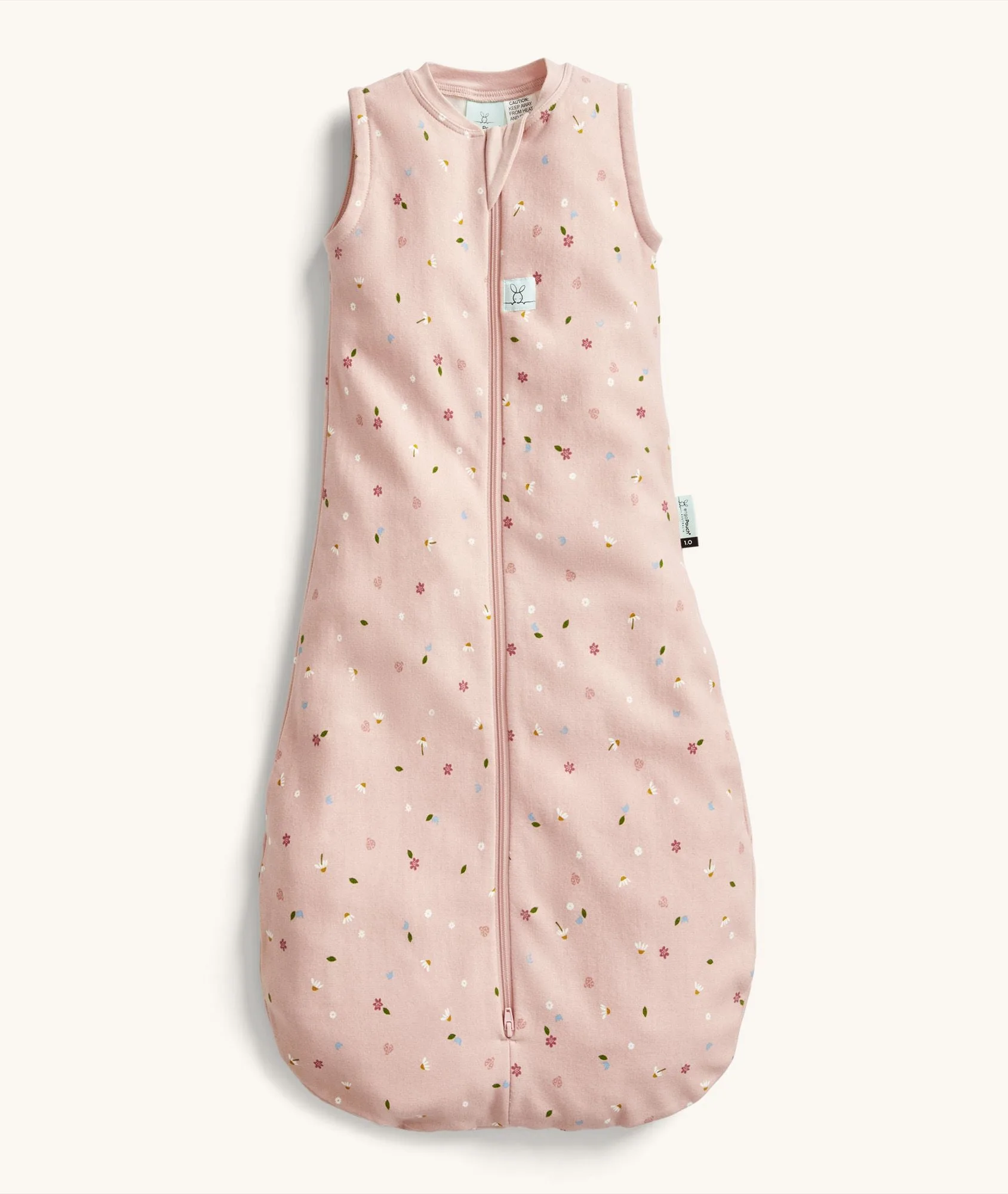
Sleeping Bag 1.0 TOG
Size and colour options side by side
Both bags share the same size range, so sizing isn't a differentiator. Colour availability varies slightly by TOG.
- Sizes: Both the 2.5 TOG and 1.0 TOG come in 3-12M, 8-24M, and 2-4Y.
- 2.5 TOG colours: Bon Appetit, Daisies, Daydream, Dragonflies, Grey Marle, and Ink (availability varies by size).
- 1.0 TOG colours: Daisies, Dragonflies, Elephant Parade, Golden, Grey Marle, and Ink (availability varies by size).
When the 2.5 TOG is the better cold-night choice
Choose the 2.5 TOG if your baby's sleep space regularly feels cold and you want a single bag that provides more warmth without adding extra layers. It's designed for arms-out sleepers, so it suits babies who have moved on from swaddling or prefer their arms free. The 2.5 TOG is also a reasonable pick for winter months in drafty rooms, provided you check your baby's temperature and adjust under-layers as needed.
Keep in mind that the supplied information does not include a maximum or minimum room temperature for this bag. Use your own judgment and monitor for signs of overheating or chill.
When the 1.0 TOG makes more sense
The 1.0 TOG is the more flexible everyday bag. If your rooms are moderately cool rather than cold, or if you prefer to fine-tune warmth with what your baby wears underneath, the 1.0 TOG gives you more room to layer. It's also a good choice for transitional seasons when the 2.5 TOG might be too warm. Because it's lighter, you can add a long-sleeve layer or warmer pajamas on colder nights without overbundling.
Like the 2.5 TOG, the 1.0 TOG has no supplied care instructions or safety limits in the catalog information. Always follow the care label on the product you receive.
Practical checks before you decide
- Feel the room, not the forecast: Room temperature varies by home. Use a thermometer in the sleep space and check your baby's chest or back for warmth.
- Consider your layering style: If you prefer a simple setup with minimal under-layers, the 2.5 TOG may reduce guesswork. If you like to adjust layers nightly, the 1.0 TOG offers more flexibility.
- Check the fit: Both bags are designed for arms-out sleepers from around 3 months. Ensure the neck and arm openings fit snugly and there's no excess fabric around the face.
- Plan for growth: Both come in the same size brackets, so choose based on your child's current size and the TOG that matches your room conditions.
Product facts at a glance
- Sleeping Bag 2.5 TOG: Designed for arms-out sleepers, typically from around 3 months of age. Confirms the minimum age suitability for both bags in this comparison.
- Sleeping Bag 1.0 TOG: Designed for babies and toddlers who are ready to sleep with their arms out, typically from around 3 months of age. Shows the 1.0 TOG shares the same arms-out design and age starting point.