Quick answer
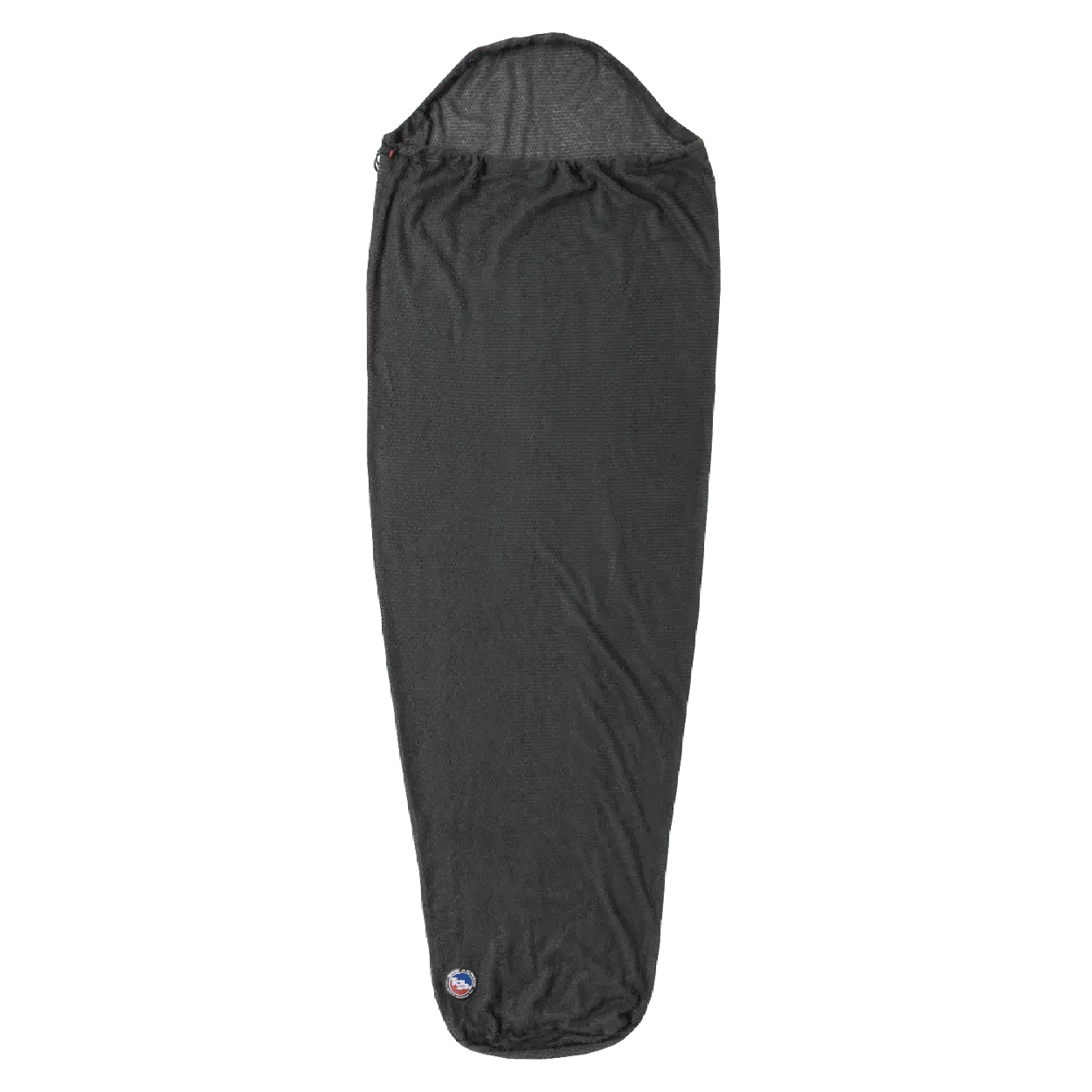
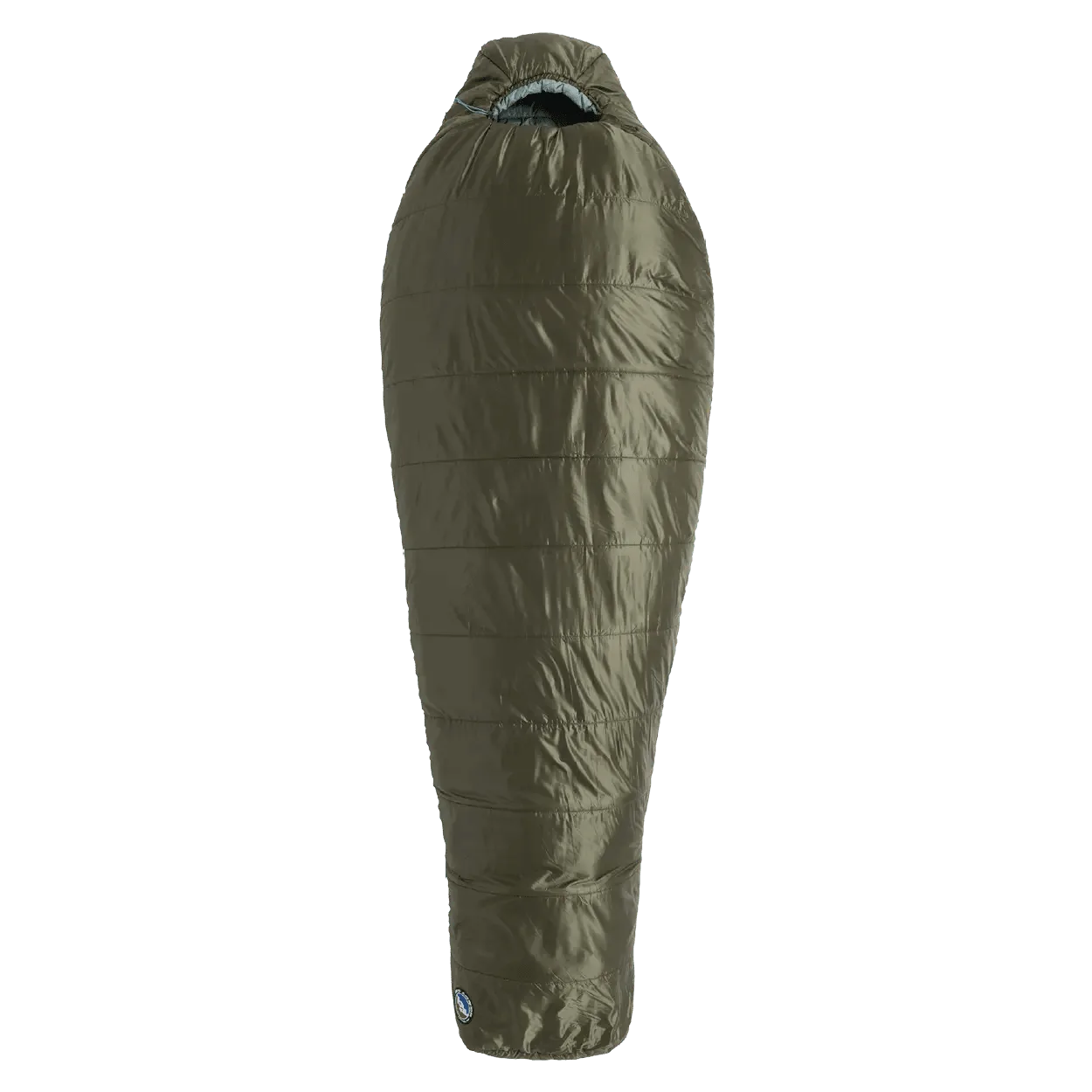
A sleeping bag liner is a thin layer that adds warmth, keeps your bag clean, and gives you a washable sleep surface. It is not a substitute for a sleeping bag. Buy the bag or quilt first, then add a liner only if you need extra warmth, easier cleaning, or a dedicated sleep surface.
If you are shopping for a sleep system, the liner question usually shows up right after you pick a temperature rating. A liner looks cheap and useful, so it is tempting to treat it as a do-everything upgrade. It is not. A liner is a supporting layer, and whether it earns its place depends on how you sleep and what you already own.
The useful comparison is not liner versus bag in the abstract. It is liner versus other ways to solve the same problems: staying warm, staying clean, and staying comfortable. That is where the choice gets practical.
What a liner actually does
A liner sits between you and your bag or quilt. It adds a small amount of insulation, protects the bag from body oils and sweat, and gives you something you can wash far more often than a down bag. For travelers in hostels or huts, it also serves as a personal sleep surface. Those are real benefits, but they are secondary to the bag itself.
A liner does not replace insulation, a draft-blocking shell, or a temperature rating. If your bag is not warm enough for the conditions, a liner can buy you a few degrees, but it will not turn a summer bag into a winter bag. Treat it as fine-tuning, not a fix.
- Add a liner when you want a washable barrier that keeps a down bag cleaner.
- Skip a liner if your bag is already warm enough and you wash your bag regularly.
Where a liner fits in a modern quilt system
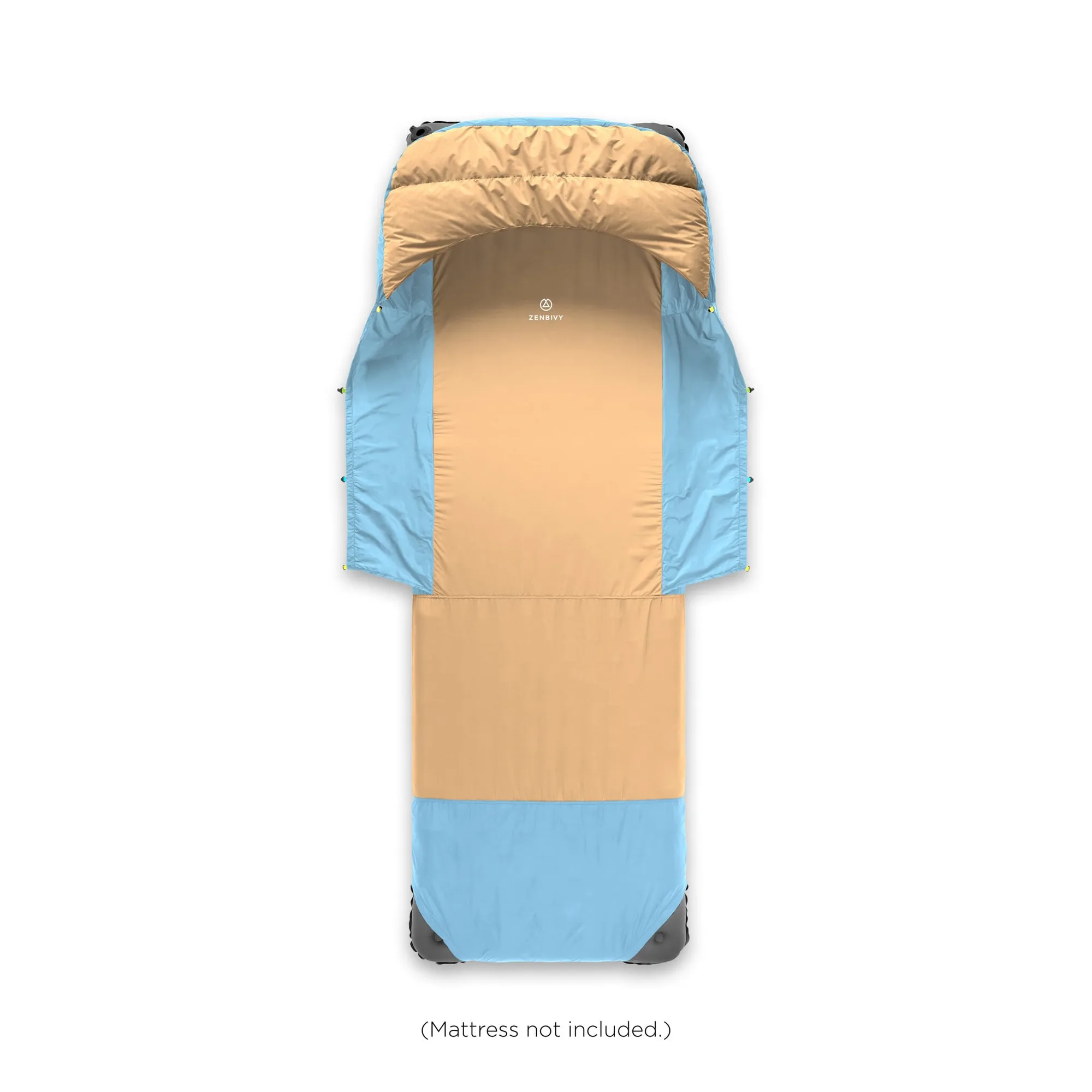
Some sleep systems already separate the warmth layer from the sheet layer. Zenbivy quilts pair with sheets that block drafts and create the sleep surface, which changes the liner conversation. The Fast Sheet is built for minimalist, ultralight backpackers, designed to block drafts while allowing total freedom of movement, and it pairs with any Zenbivy quilt. Starting at just 3 ounces, it disappears in your pack.
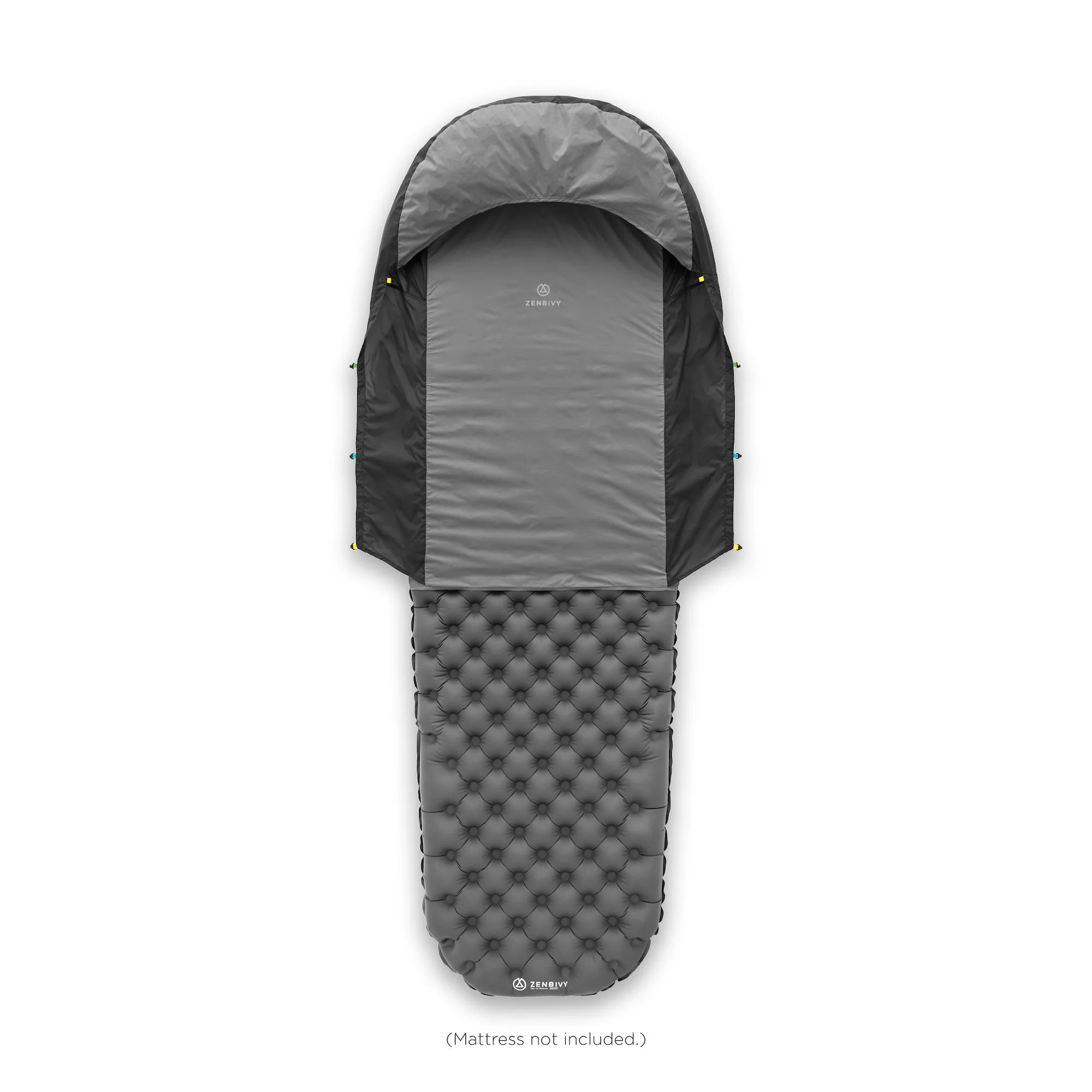
Fast Sheet
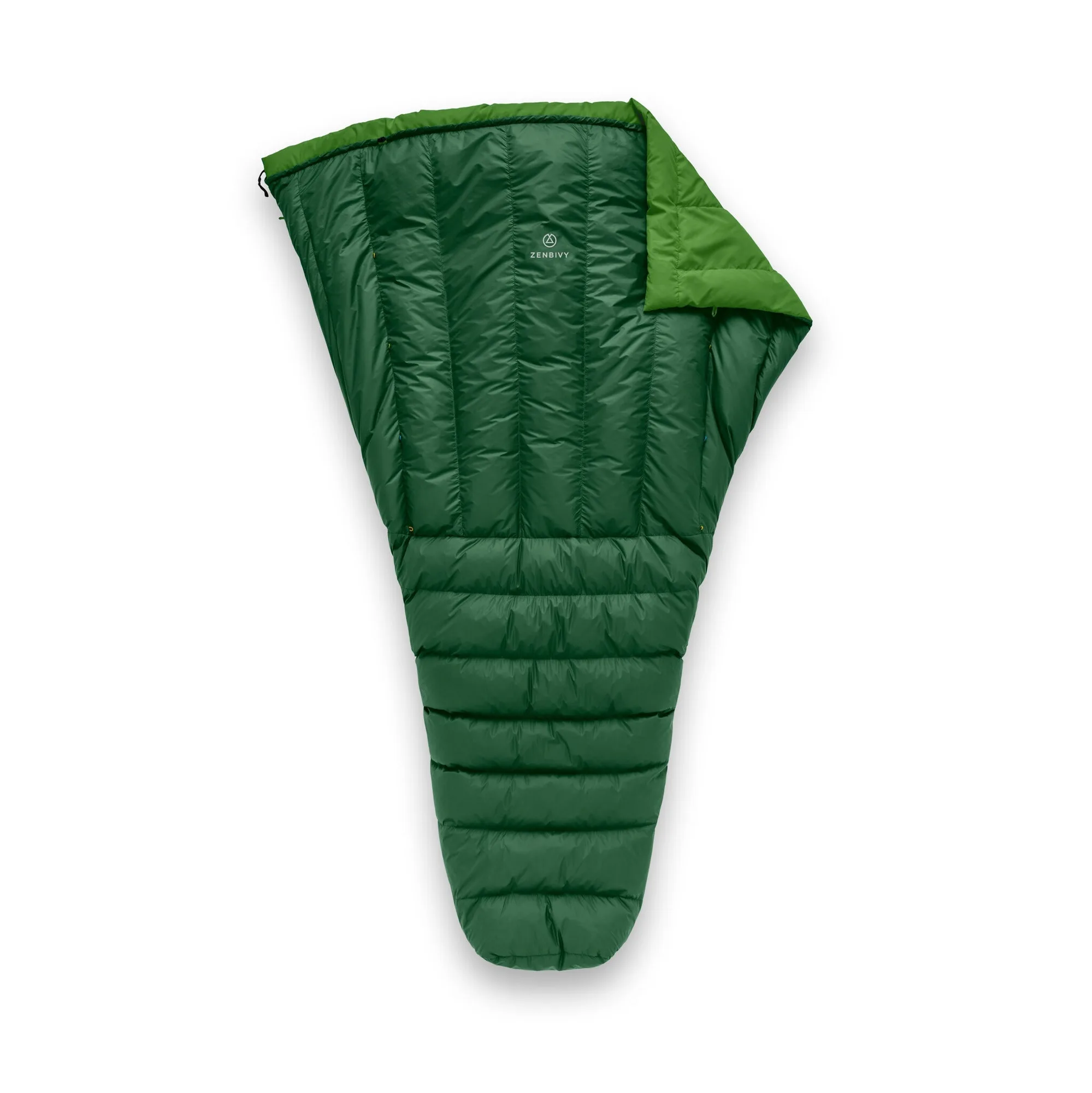
The Core Quilt is the simplest, softest, and most affordable Zenbivy backpacking quilt, with a soft 50D Pongee lining for comfort. The Light Quilt uses an ultra-soft, lightweight 25D Pongee lining and a quick Fast Footbox for adjustable warmth, and it pairs with a Light Sheet to create a complete backpacking sleep system. In these setups, the sheet does much of what a liner does, so adding a traditional liner can be redundant.
- If you already use a Zenbivy quilt with a matching sheet, you likely do not need a separate liner for draft control.
- If you use a traditional bag, a liner remains the simplest way to add a washable layer.
Warmth, weight, and pack space
A liner adds warmth without the bulk of a second bag, but it still takes up space and adds weight. The trade-off is usually worth it for cold sleepers or shoulder-season trips where a few extra degrees matter. For summer trips where your bag is already comfortable, a liner is often dead weight.
Compare the liner's weight and packed size to simply choosing a warmer quilt. The Light Quilt and Core Quilt come in multiple Temp/Fill and Size options, so you can size the warmth to the trip instead of stacking layers. If you are already carrying a quilt that matches the conditions, a liner is optional comfort, not required gear.
- Cold sleeper or shoulder-season trip: a liner is a reasonable warmth boost.
- Warm sleeper or summer trip: put the liner weight toward a better pad or quilt.
Hygiene and cleaning
The strongest everyday case for a liner is cleaning. You can wash a liner often without the care that down requires, and it keeps sweat and oils off the bag. That matters on long trips and for anyone who rents or borrows gear. If you already use a sheet system, the sheet takes on that role.
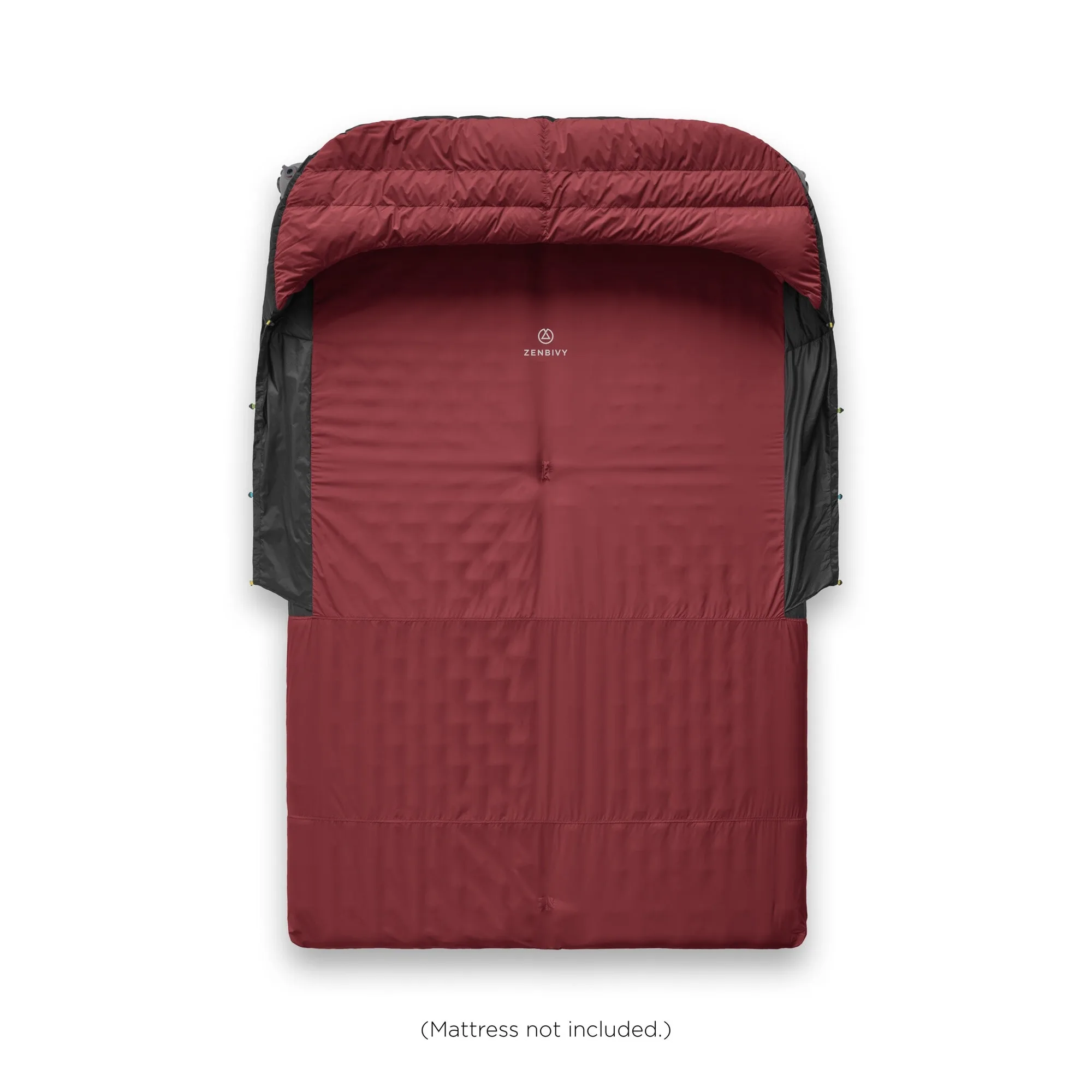
The Light Double Sheet securely joins two mattresses, blocks drafts, insulates your head, and delivers ultralight comfort with its soft 25D Pongee lining, which makes it a practical choice for backpacking couples. For couples, a double sheet often replaces two liners and reduces the tangle of separate layers.
- Solo traveler in shared lodging: a liner doubles as a personal sleep surface.
- Couples: a double sheet can replace two liners and simplify the setup.
Comfort and freedom of movement
Liners can feel restrictive if they are narrow or if you move a lot. Some sleepers love the cocoon feel; others find it tangles. Quilt systems are generally better for side sleepers and restless sleepers because they allow more movement. The Fast Sheet is designed to block drafts while allowing total freedom of movement, which addresses the same problem a liner solves without the constriction.
If you sleep cold and still, a liner is a low-risk addition. If you sleep hot, move constantly, or already use a quilt and sheet, a liner may be the layer you never reach for. Match the tool to your sleep style, not to a generic packing list.
- Restless sleeper: prioritize a quilt and sheet over a narrow liner.
- Cold, still sleeper: a liner is an easy warmth and hygiene upgrade.
Trade-offs to weigh before you buy
- Liner as warmth: A liner adds a few degrees and packs small, but it cannot match the warmth of a properly rated quilt or bag. Choose a warmer quilt if warmth is the main goal; choose a liner only for fine-tuning.
- Liner as hygiene layer: A liner is easy to wash and keeps body oils off down, but it adds a layer to manage and can tangle. Worth it for long trips, rentals, and shared lodging; optional for short trips with regular bag washing.
- Sheet or liner: A Zenbivy sheet blocks drafts and creates the sleep surface as part of the quilt system, while a liner is a separate add-on. If you use a Zenbivy quilt, start with the matching sheet before adding a liner.
- Couples versus solo: A double sheet joins two mattresses and covers both sleepers, while two liners mean two separate layers. Couples should compare a double sheet against two liners for weight, cost, and simplicity.
Product facts that change the decision
- Fast Sheet: Built for minimalist, ultralight backpackers, designed to block drafts while allowing total freedom of movement, and pairs with any Zenbivy quilt. Starting at just 3 ounces. If you use a Zenbivy quilt, this sheet already handles draft blocking and the sleep surface, so a separate liner is often unnecessary.
- Core Quilt: The simplest, softest, and most affordable Zenbivy backpacking quilt, featuring a soft 50D Pongee lining. A comfortable, affordable quilt is the right first purchase. Add a liner later only if you need extra warmth or easier cleaning.
- Light Quilt: Features an ultra-soft, lightweight 25D Pongee lining and a quick Fast Footbox for adjustable warmth. Pairs with a Light Sheet to create a complete backpacking sleep system. Adjustable warmth and a matching sheet can replace the warmth and draft-control roles a liner would otherwise fill.
- Light Double Sheet: Securely joins two mattresses, blocks drafts, insulates your head, and delivers ultralight comfort with its soft 25D Pongee lining, ideal for backpacking couples. For couples, one double sheet can replace two liners and reduce layers that tangle during the night.
Who should add a liner, and who should not
Best for
- Cold sleepers who need a few extra degrees without buying a second bag
- Travelers in hostels, huts, or rentals who want a washable personal sleep surface
- Campers who want to keep a down bag cleaner between washes
Not for
- Backpackers whose current quilt or bag is already warm enough for the conditions
- Side sleepers and restless sleepers who dislike restrictive layers
- Couples who would get more comfort and simplicity from a double sheet
Buy the bag or quilt first, then decide on a liner. If you use a Zenbivy quilt, the matching sheet often covers the draft and hygiene jobs, so a liner becomes optional. Add one only when you specifically need extra warmth or a washable sleep surface.