When it comes to overnight skincare, two products often steal the spotlight: sleeping masks and night creams. Both promise to work while you sleep, repairing and rejuvenating your skin by morning. But are they really the same? And if not, which one should you add to your nightly routine?
In this guide, we’ll break down the key differences between sleeping masks and night creams, explain their unique benefits, and help you decide which product—or combination—is best for your skin. Whether you’re new to Korean skincare or a seasoned enthusiast, understanding these power players will elevate your evening regimen.
What Is a Night Cream?
A night cream is a richer, more emollient version of your daytime moisturizer. Formulated to be applied as the last step in your evening skincare routine, it provides deep hydration and nourishment while you sleep. Night creams typically contain ingredients like peptides, ceramides, retinol, or antioxidants to support skin repair and collagen production during the body’s natural regeneration cycle.
Unlike lighter day creams, night creams have a thicker consistency that forms a protective barrier on the skin, preventing moisture loss and locking in active ingredients from previous steps. They are ideal for all skin types, especially dry or mature skin, and can be used every night as part of a consistent routine.
- Best for: daily overnight hydration and anti-aging support
- Texture: rich, creamy, and occlusive
- Use: every night as your final moisturizer
What Is a Sleeping Mask?
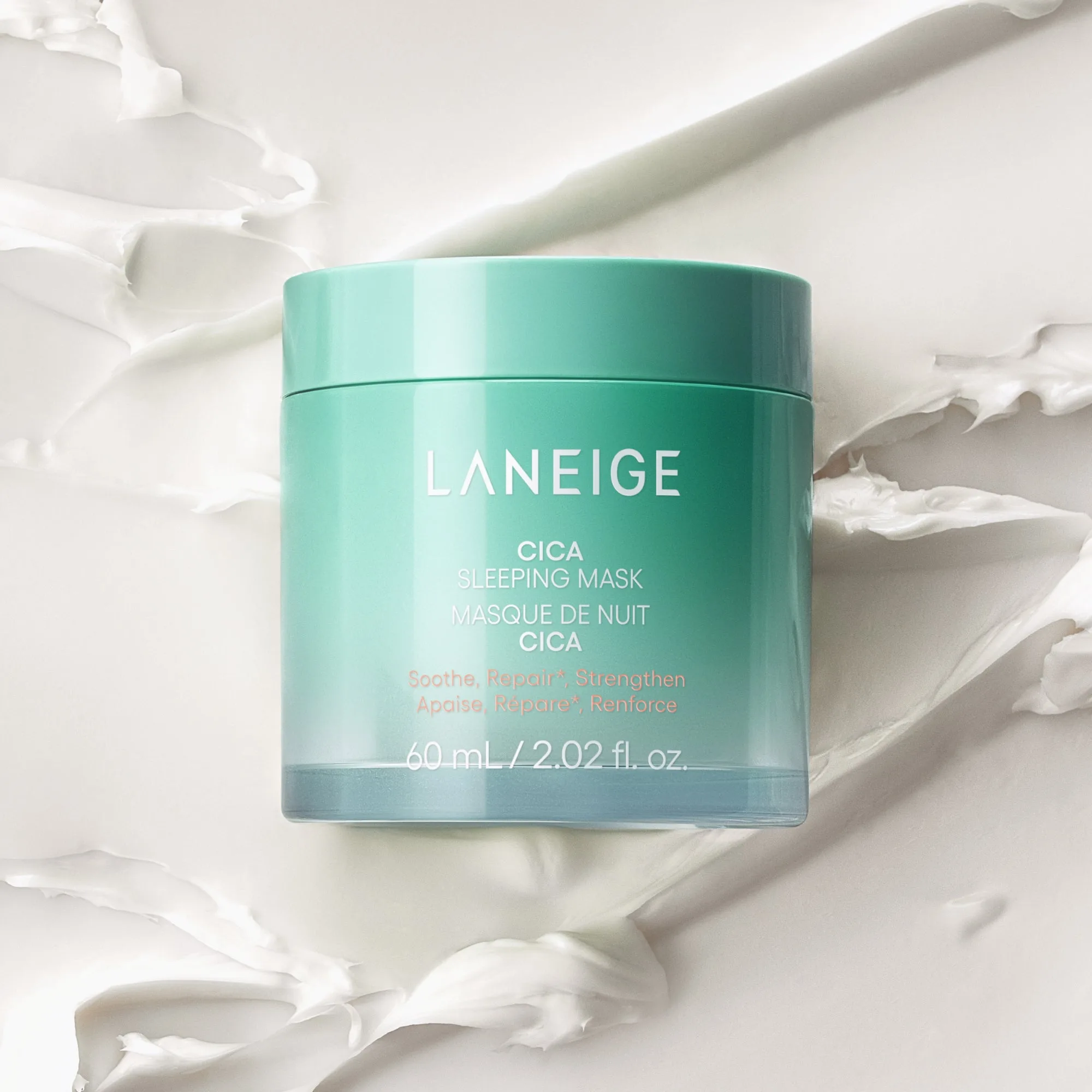
A sleeping mask is an intensive overnight treatment designed to deliver a concentrated dose of active ingredients in a single application. Unlike night creams, sleeping masks are meant to be used 2–3 times per week (or as needed) rather than daily. They often have a gel-like or jelly texture that forms a breathable film on the skin, sealing in moisture and serums for a ‘mask-like’ effect.
Sleeping masks are formulated with ingredients such as hyaluronic acid, niacinamide, and soothing botanicals to target specific concerns like dullness, dehydration, or uneven texture. They are perfect for a weekend pampering session or when your skin needs an extra boost. Some popular options include hydrating masks, brightening masks, and pore-refining masks.
- Best for: weekly intensive treatment and targeted concerns
- Texture: gel, jelly, or lightweight cream
- Use: 2–3 times per week as a booster
Key Differences Between Sleeping Masks and Night Creams
The main difference lies in their purpose and frequency of use. Night creams are daily staples that provide consistent moisture and support for your skin’s overnight repair process. Sleeping masks, on the other hand, are treatment products used less frequently to deliver a higher concentration of active ingredients and give your skin a ‘reset.’
In terms of texture, night creams are richer and more occlusive, while sleeping masks are often lighter and designed to absorb completely without feeling greasy. If you have oily or combination skin, you might prefer a gel-based sleeping mask over a heavy night cream. For dry skin, a rich night cream may be more suitable.
Another difference is how they interact with other products. Night creams are typically the final step after serums and treatments. Sleeping masks are applied as the last step, sometimes even over your night cream, to lock everything in. This layering technique is common in Korean skincare routines.
- Night creams: daily use, richer texture, all-skin-type friendly
- Sleeping masks: weekly use, lighter texture, targeted benefits
- Both can be layered: apply night cream first, then sleeping mask on top
Which One Should You Choose?
Your choice depends on your skin type, concerns, and routine preferences. If you have dry or mature skin and need consistent hydration every night, a high-quality night cream is essential. For those with oily or acne-prone skin, a lightweight gel-based sleeping mask may be a better option to avoid clogged pores. Combination skin can benefit from both—using a night cream on dry areas and a sleeping mask on the T-zone.
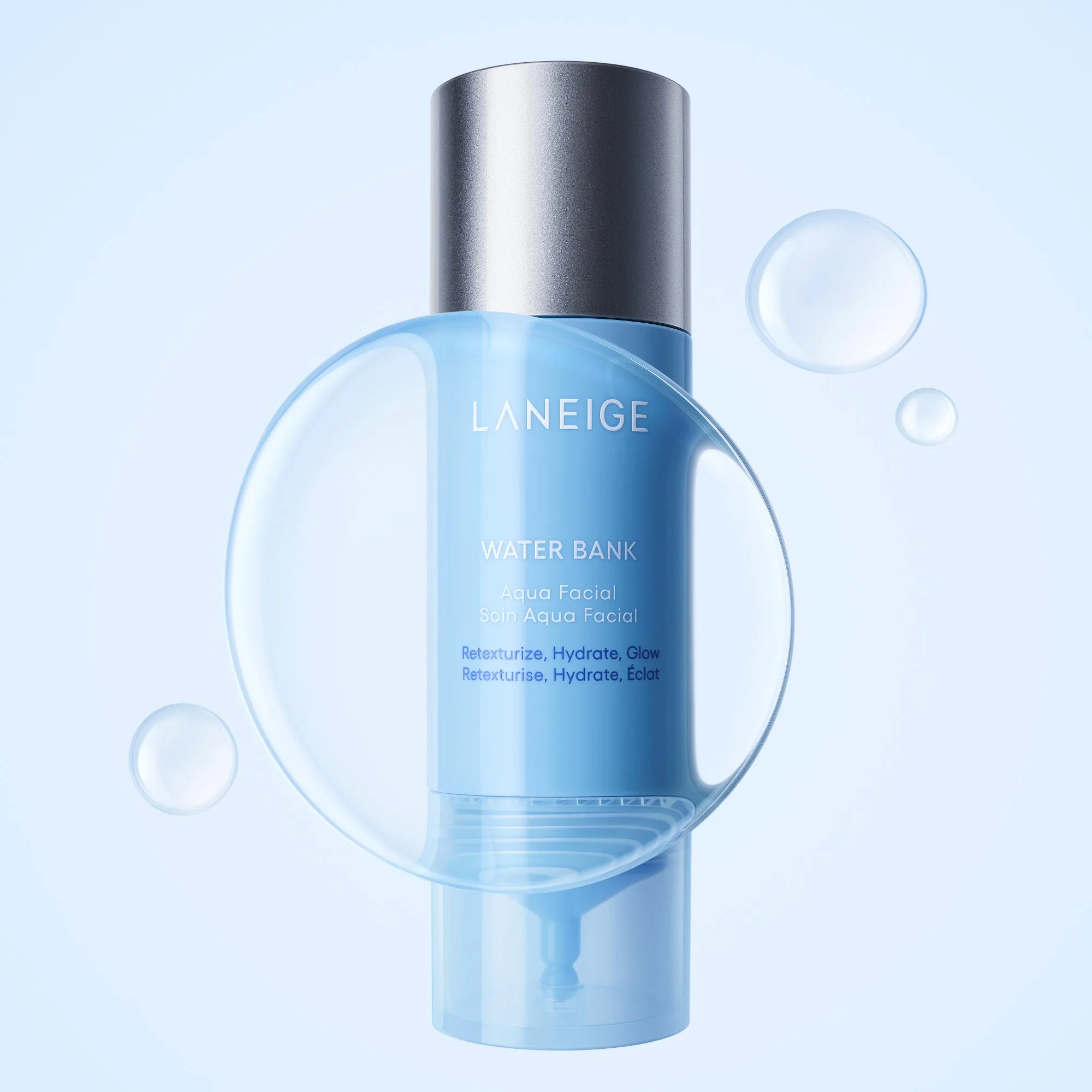
If you’re looking to target specific issues like dullness, fine lines, or uneven texture, a sleeping mask can provide that extra boost. For example, a product like the Perfect Renew 3X Signature Serum can be paired with a night cream for anti-aging benefits, or layered under a sleeping mask for intensive renewal. Similarly, the Water Bank Blue Hyaluronic Gel Moisturizer works beautifully as a daily hydrating step that can be followed by a sleeping mask on treatment nights.
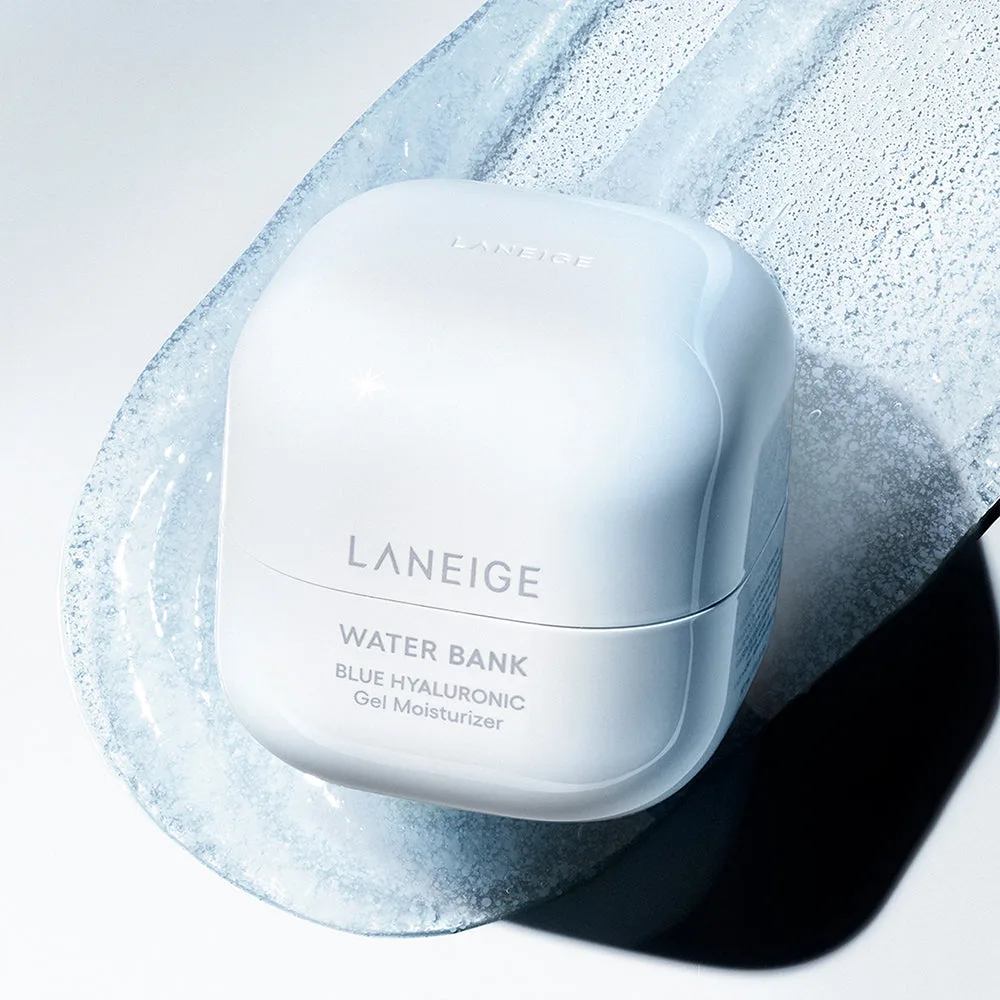
Water Bank Blue Hyaluronic Gel Moisturizer
Ultimately, many skincare enthusiasts keep both in their arsenal—a night cream for daily use and a sleeping mask for weekly treatments. This combination ensures your skin gets consistent care plus periodic intensive therapy.
- Dry/mature skin: prioritize a rich night cream
- Oily/acne-prone skin: opt for a gel sleeping mask
- Combination skin: use both strategically
How to Layer Sleeping Masks and Night Creams Correctly
To get the most out of your overnight skincare, follow this simple layering order: cleanse, tone, apply serum (such as the Perfect Renew 3X Signature Serum), then your night cream, and finally your sleeping mask. The night cream provides a moisture base, while the sleeping mask seals everything in and adds an extra layer of active ingredients.
For best results, use a sleeping mask only 2–3 times per week, not every night. Overusing it can lead to product buildup or irritation, especially if it contains exfoliating acids or strong actives. On the other nights, stick to your regular night cream routine. Always check the product instructions, as some sleeping masks are designed to be used alone without a night cream underneath.
- Step 1: Cleanse and tone
- Step 2: Apply serum (e.g., Perfect Renew 3X Signature Serum)
- Step 3: Apply night cream (e.g., Water Bank Blue Hyaluronic Gel Moisturizer)
- Step 4: Finish with sleeping mask (2–3 times per week only)
Whether you choose a night cream, a sleeping mask, or both, overnight skincare is a game-changer for achieving a radiant complexion. Start with a hydrating base like the Water Bank Blue Hyaluronic Gel Moisturizer to keep your skin plump and dewy, then add a sleeping mask on treatment nights for that extra glow. Your skin will thank you by morning.