Quick Answer
Choose a sleeping pad by matching its R-value to the coldest ground you expect, then pick thickness and shape for your sleep position and packed size for your transport. If you camp three seasons and want one pad, aim for an R-value around 3 to 5 and a thickness of at least 2 inches. DOD sleeping pads are built for Japanese camping comfort, so compare them by season and packed size rather than by one universal best pick.
A sleeping pad does two jobs: it cushions your body against hard ground and it blocks cold from pulling heat out of you overnight. Getting the pad wrong is why some trips feel cold or achy even when the sleeping bag is fine.
This guide gives you decision rules instead of a single answer. You will learn how R-value, thickness, shape, and packed size interact, plus where DOD sleeping pads fit for car camping, solo trips, and family tents.
Start With R-Value, Not Thickness
R-value measures a pad's resistance to heat loss. Higher numbers mean warmer sleeping. For summer only, roughly 1 to 2 is often enough; for three-season camping, aim for about 3 to 5; for cold shoulders or winter, look higher. The number matters more than how plush the pad feels in the store.
A thick pad can still sleep cold if its R-value is low, because air movement inside the pad carries warmth away. If you sleep cold or camp in mountains, treat R-value as the first filter and thickness as the second.
- Match R-value to the coldest night you realistically expect, not the average.
- If you are between two pads, choose the warmer one for shoulder seasons.
Thickness and Shape: Side Sleepers vs Back Sleepers
Side sleepers need more thickness under the hip and shoulder, usually 2.5 to 3 inches or more, so the pad does not bottom out. Back sleepers can be comfortable on a thinner pad. Stomach sleepers often want a flatter, firmer feel.
Shape affects both comfort and weight. Rectangular pads give full coverage and work well for car camping. Tapered or mummy shapes save packed size and weight for backpacking, but your feet and arms may rest partly off the pad.
- Lie on the pad in your normal sleep position before buying if you can.
- Couples should check whether two pads can pair or whether one wide pad is better.
Packed Size, Inflation, and Noise
Packed size decides whether a pad fits your car, your pack, or a small tent. Air pads pack smallest but take more breaths or a pump; self-inflating pads are simpler but bulkier; closed-cell foam is bombproof but bulky and firm. There is no free win here, only trade-offs.
Noise matters more than shoppers expect. Some air pads crinkle loudly when you shift, which can bother a tent partner. If you share a tent, read owner comments about noise or test the pad at home before the trip.
- For car camping, prioritize comfort and packed size less; for backpacking, prioritize weight and packed size.
- Check the valve type: a two-way valve inflates and deflates faster.
How to Choose a Sleeping Pad for Your Camping Style
Car campers can choose thicker, wider pads because weight and packed size matter less. Backpackers should set a weight and packed-size budget first, then find the warmest pad within it. Family campers often want durable pads that survive kids and dogs, even if they are heavier.
If you camp in a large shelter like the Kamaboko Super Tent (L), you have room for cots and larger pads, so comfort can lead. If you use a small tent, measure the floor first; two wide pads can fill a two-person tent quickly.
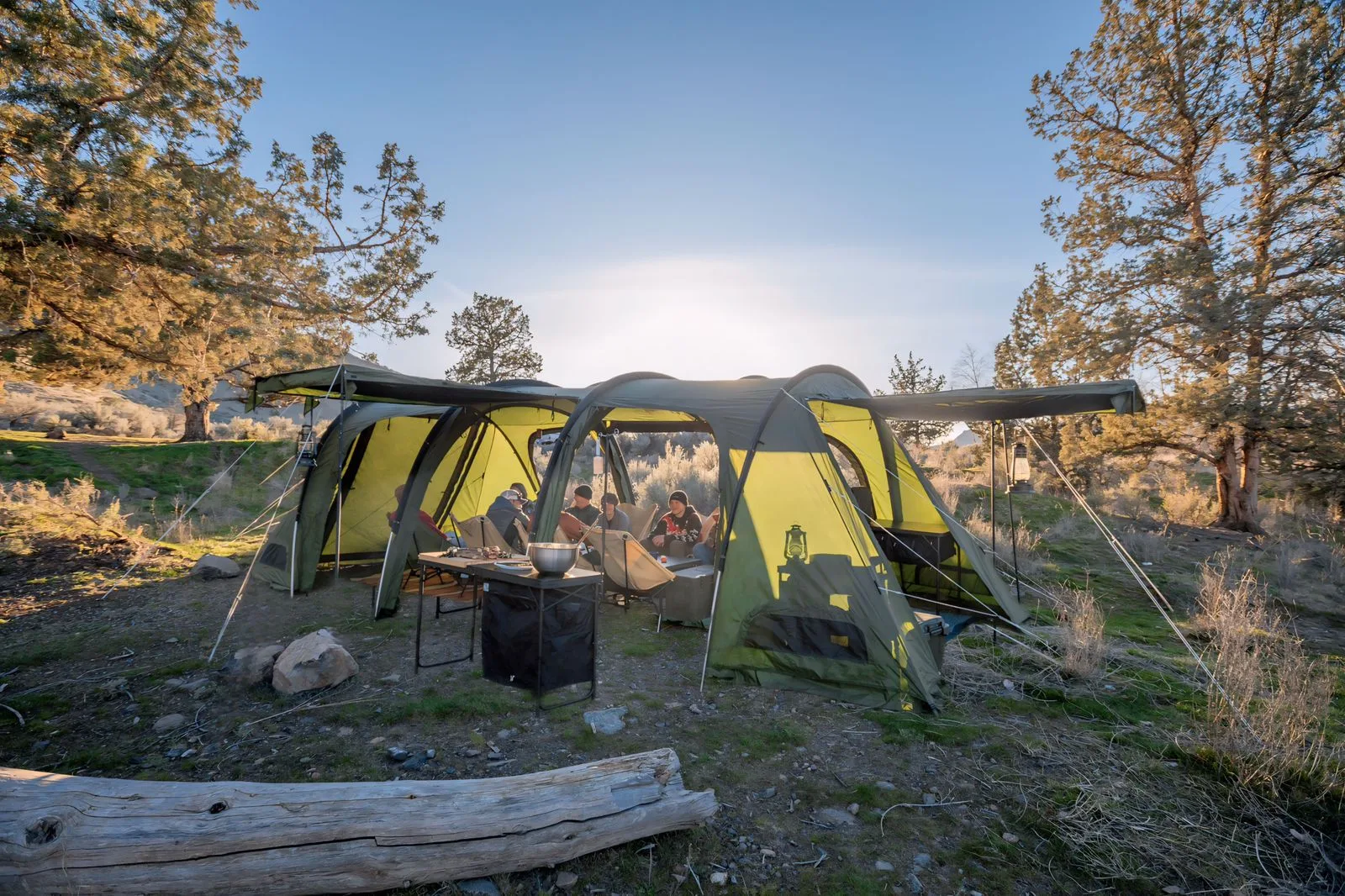
Kamaboko Super Tent (L)
- Write down your three priorities: warmth, comfort, packed size. Buy for the top two.
- A pad that is too narrow is a common regret; check width against your shoulders.
Care and Longevity Basics
Store pads unrolled and valves open so moisture and foam can dry. Clean with mild soap and water, and keep them away from sharp ground and hot surfaces. A patch kit is cheap insurance for air pads.
If a pad loses air, first check the valve and seams before assuming a puncture. Many slow leaks come from a valve that is not fully closed or a bit of debris in the seal.
- Use a ground sheet or tent floor to reduce puncture risk.
- Never store a damp pad rolled tight for months.
Sleeping Pad Decision Rules
- If you camp mostly in summer: Choose a lower R-value pad and put the savings into thickness or width for comfort. Warmer is not automatically better if you never camp cold.
- If you camp three seasons: Set a minimum R-value around 3 to 5 and a thickness of at least 2 inches, then compare packed size. This is the most flexible range for most campers.
- If you backpack: Set a weight and packed-size limit first, then find the warmest pad within it. Accept a narrower shape if needed. Weight and packed size are the hard constraints, not R-value alone.
- If you sleep cold: Bias toward higher R-value and add a closed-cell foam layer underneath for extra insulation. Two pads can beat one expensive pad for cold sleepers.
- If you share a tent: Check pad noise and whether two pads fit side by side before buying. Measure the tent floor, not just the pad.
DOD Sleeping Pad Context
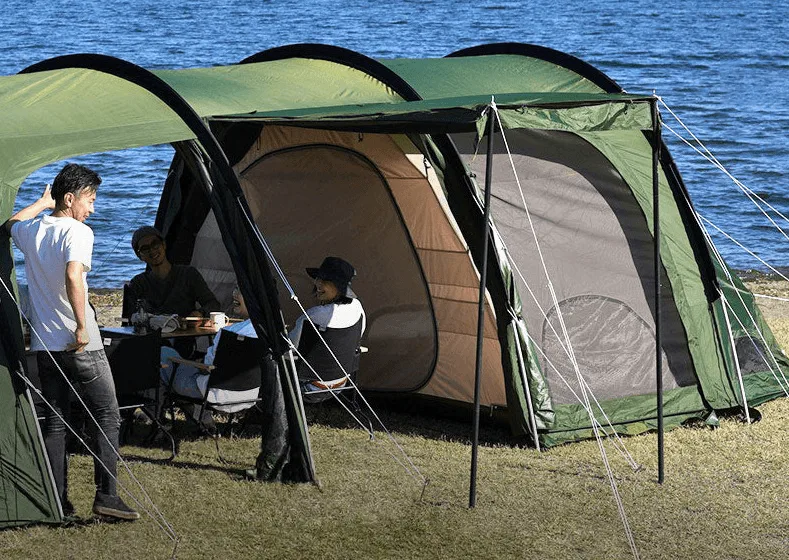
- Kamaboko Super Tent (L): The Kamaboko Super Tent (L) is a large camp shelter under which you can pitch several smaller tents or set up cots, and it comes with a sleeping chamber that sleeps 7 adults. If you use a large shelter like this, you can prioritize a thicker, wider sleeping pad or a cot setup instead of counting every ounce.
- Sleeping Chamber for Kamaboko Super Tent: The Sleeping Chamber for Kamaboko Super Tent adds an extra chamber to double the sleeping capacity of your Kamaboko, and each chamber has two entries with zip-open solid and mesh doors, two windows, and a zippered e-port for wiring or external heater ducting. More sleeping capacity means more pads on the floor, so plan pad sizes and shapes together rather than buying one at a time.
Who Should Buy Which Sleeping Pad
Best for
- Car campers who want a thick, wide, comfortable sleeping pad and do not care about packed size
- Three-season campers who need one pad that handles spring through fall
- Backpackers who will accept a narrower pad to save weight and packed size
Not for
- Winter campers who need a high R-value pad beyond a three-season range
- Campers who want a cot instead of a pad and have the space to carry one
- Anyone who has not measured their tent floor and expects two wide pads to fit
Pick your pad by the coldest ground you actually sleep on, then by thickness and shape for your body, then by packed size for how you travel. If you camp in a large shelter, comfort can lead; if you carry your gear, weight leads. Use the decision rules above to narrow the field before you buy.